
Pickleworm
Diaphania nitidalis
A caterpillar that bores into the flowers and fruit of summer squash, cucumbers, and melons, tunneling inside and leaving wet sawdust-like frass at the entry holes. A warm-climate pest that migrates north each summer, the pickleworm can ruin a late cucurbit crop, especially in the South, by hollowing the fruit from within.
🔎 How to spot it
Young pickleworms are nearly colorless with a dark head and small dark spots; older ones lose the spots and become green to coppery, up to about three quarters of an inch. The telltale sign is small holes in buds, blossoms, and fruit oozing wet, sawdust-like greenish frass, with tunnels running through the inside of the fruit. The night-flying moth has dark wings with a clear yellow central patch and a brushy tail tuft.
🥀 Damage it causes
The caterpillars bore into flowers and fruit and tunnel inside, so squash, cucumbers, and melons are hollowed and contaminated with frass, often rotting from the inside. Damage tends to come late in the season as the moths arrive from the south, and a heavy infestation can ruin most of a late planting of summer squash and cucumbers.
🛡️ Prevent it
Plant early so the crop matures before the moths arrive in late summer, the single best defense in the North. Choose early-maturing varieties, and cover plants with floating row cover, removing it during bloom for pollination. Summer squash can serve as a trap crop to draw the moths away from cucumbers and melons. Clean up and destroy infested fruit and vines promptly.
🧯 If it is already here
Remove and destroy infested fruit and blossoms as soon as you find the frass-filled holes, to kill the larvae inside before they move on. Because the caterpillars feed hidden inside the fruit, sprays must target the young larvae and moths before they bore in; Bacillus thuringiensis (Bt) or spinosad applied in the evening to blossoms and fruit can help on small plantings. Pick fruit promptly.
💡 Good to know
Pickleworm cannot survive cold winters and overwinters only in the deep South, then spreads north each year, so its damage arrives late and is far worse in southern gardens. That timing is also its weakness: an early-planted, early-maturing crop is often harvested before the moths show up.
🌱 Plants it attacks
43 plants in the library can be attacked by this pest
 Acorn Squash
 Armenian Cucumber
 Atlantic Giant Pumpkin
 Bitter Melon
 Black Beauty Zucchini🍉Black Diamond Watermelon🥒Boston Pickling Cucumber
 Buttercup Squash
 Butternut Squash
 Cantaloupe
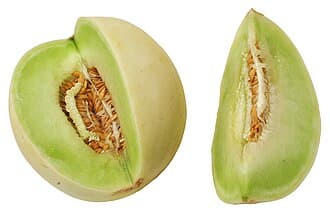 Casaba Melon
 Charleston Gray Watermelon
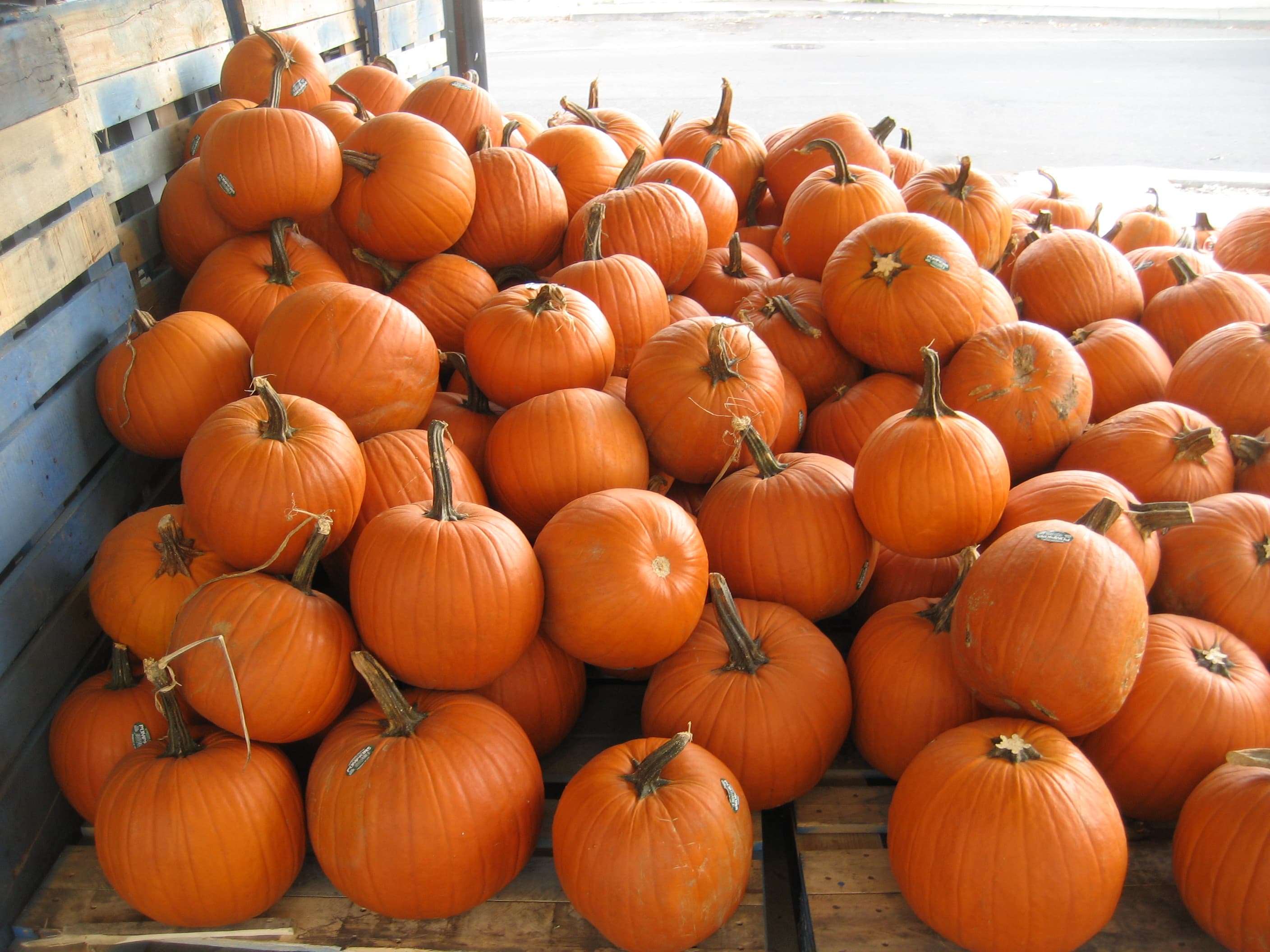 Cinderella Pumpkin
 Costata Romanesco Zucchini
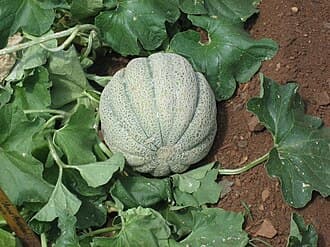 Crenshaw Melon
 Crimson Sweet Watermelon
 Delicata Squash🥒Diva Cucumber🥒English Cucumber
 Galia Melon
 Honeydew Melon
 Hubbard Squash
 Jack-O-Lantern Pumpkin🍉Jubilee Watermelon
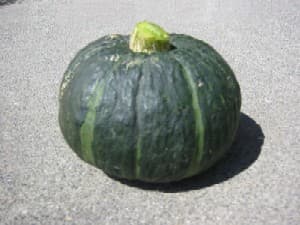 Kabocha Squash
 Kirby Cucumber
 Lemon Cucumber
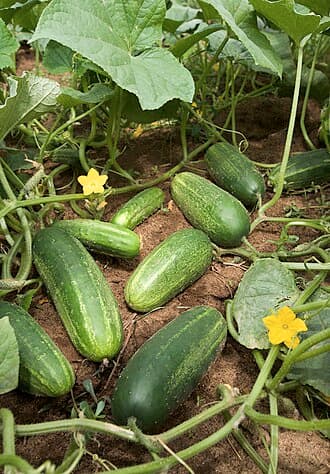 Marketmore Cucumber🍉Mini Love Watermelon🍉Moon and Stars Watermelon🍉Orangeglo Watermelon
 Pattypan Squash
 Persian Cucumber
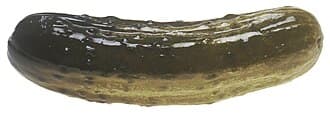 Pickling Cucumber
 Spaghetti Squash
 Sugar Baby Watermelon🎃Sugar Pie Pumpkin
 Suyo Long Cucumber
 Tromboncino Squash
 Winter Melon
 Yellow Crookneck Squash🍉Yellow Doll Watermelon
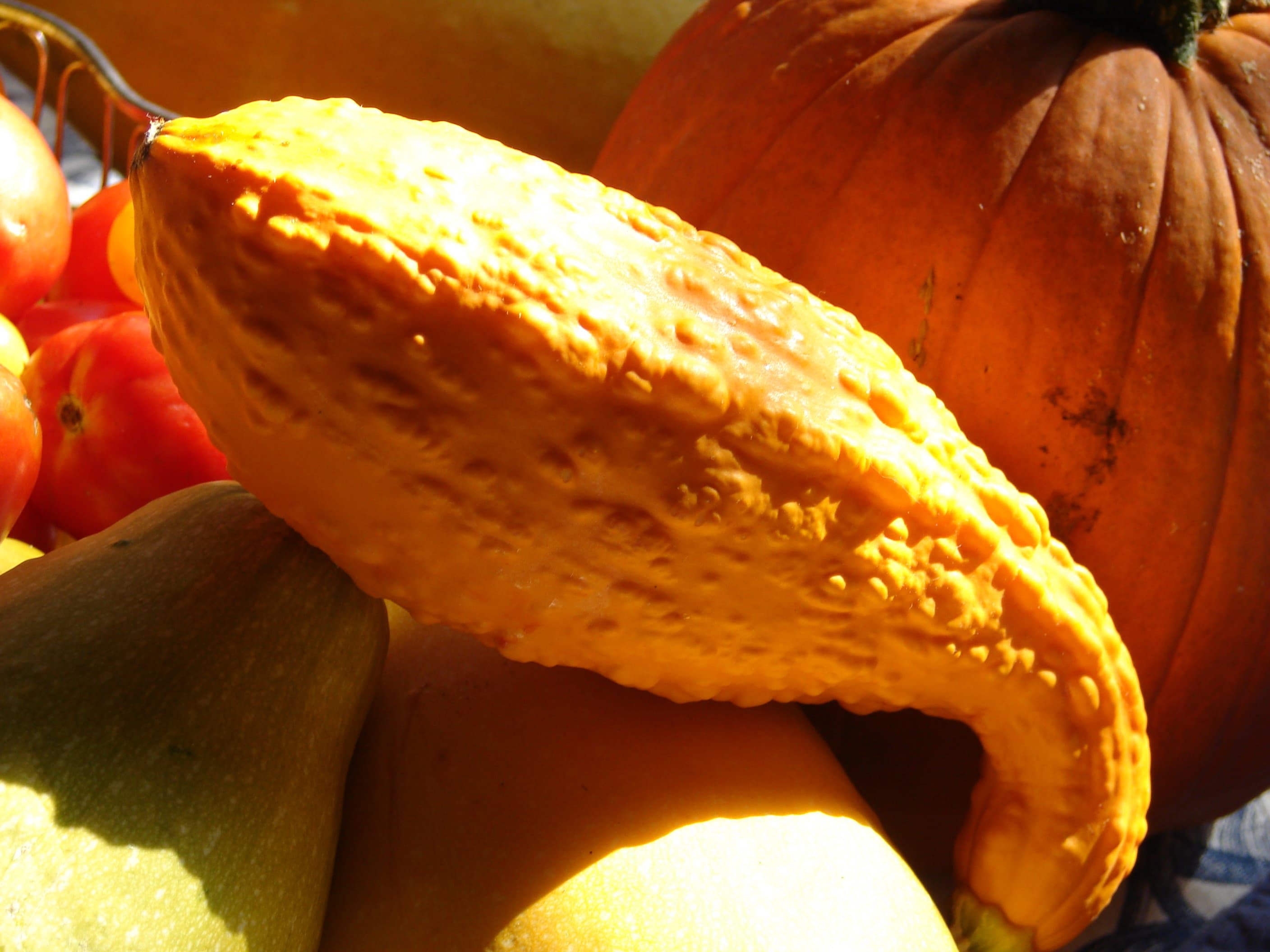 Yellow Summer Squash
For educational and informational purposes only. Pest control advice is general guidance drawn from university cooperative extension sources; always identify a pest positively and read and follow the label on any product before use, especially around food crops, children, and pets.