
Raspberry Cane Borer
Oberea species
A slender long-horned beetle whose feeding makes the tips of raspberry and blackberry canes suddenly wilt and droop in early summer. The adult girdles the cane to lay an egg, and the larva then tunnels down inside the cane, so the damage shows first as wilted tips marked by a distinctive double ring of punctures.
🔎 How to spot it
The adult is a slim black long-horned beetle, about half an inch, with long antennae and a yellow or orange band behind the head. The unmistakable sign is a cane tip that wilts and bends over in early summer, with two parallel rings of punctures encircling the cane about an inch apart just below the wilted tip, where the female girdled it. Splitting an infested cane reveals the pale larva tunneling down inside.
🥀 Damage it causes
The girdling rings and the larva tunneling down the cane kill the cane tip first and then the section of cane as the larva bores downward toward the crown over the next year or two. Lost tips reduce fruiting, and larvae that reach the crown can kill the whole cane. Damage is usually limited but can build in a neglected patch.
🛡️ Prevent it
Scout brambles in early summer for wilted tips and the telltale double ring of punctures. Keep the planting open and weeded so you can spot and reach the damage. Remove wild brambles nearby that harbor the beetle, and avoid leaving old, infested canes in the patch over winter.
🧯 If it is already here
The simplest, most effective control needs no insecticide: as soon as you see a wilted tip, prune the cane a few inches below the lower ring of punctures, which removes the egg or larva, and destroy the prunings. Doing this through the season and cutting out infested canes in fall removes most or all of the borers. Insecticides are rarely needed in the home garden.
💡 Good to know
The double ring of punctures just below a wilted bramble tip is the signature of the raspberry cane borer and tells it apart from disease or drought wilting. Because the larva tunnels slowly down the cane, prompt pruning below the punctures catches it early, which is why hand-pruning is both the easiest and the best control.
🌱 Plants it attacks
22 plants in the library can be attacked by this pest
 Black Currant
 Black Raspberry
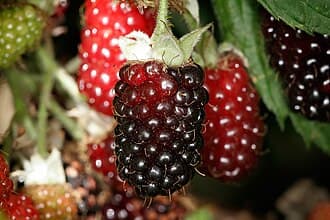 Boysenberry
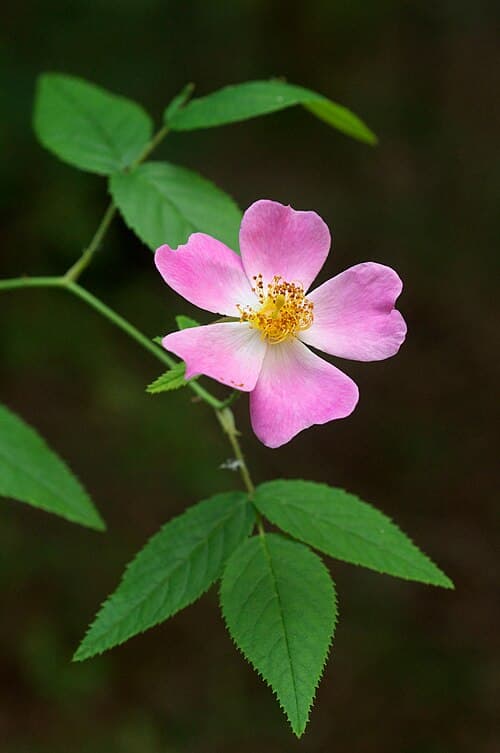 Climbing Prairie Rose
 Coral Drift Groundcover Rose
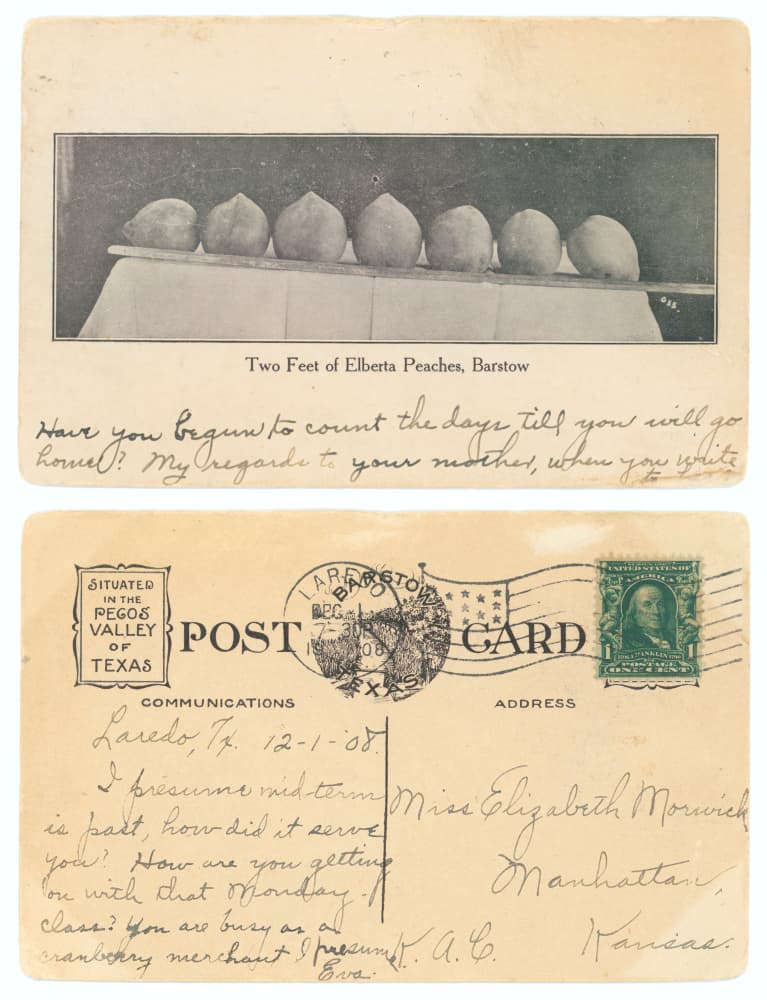 Elberta Peach
 Elderberry
 Graham Thomas English Rose
 Hansa Rugosa Rose
 Heritage Raspberry
 Iceberg Floribunda Rose
 Knock Out Rose
 Mister Lincoln Hybrid Tea Rose
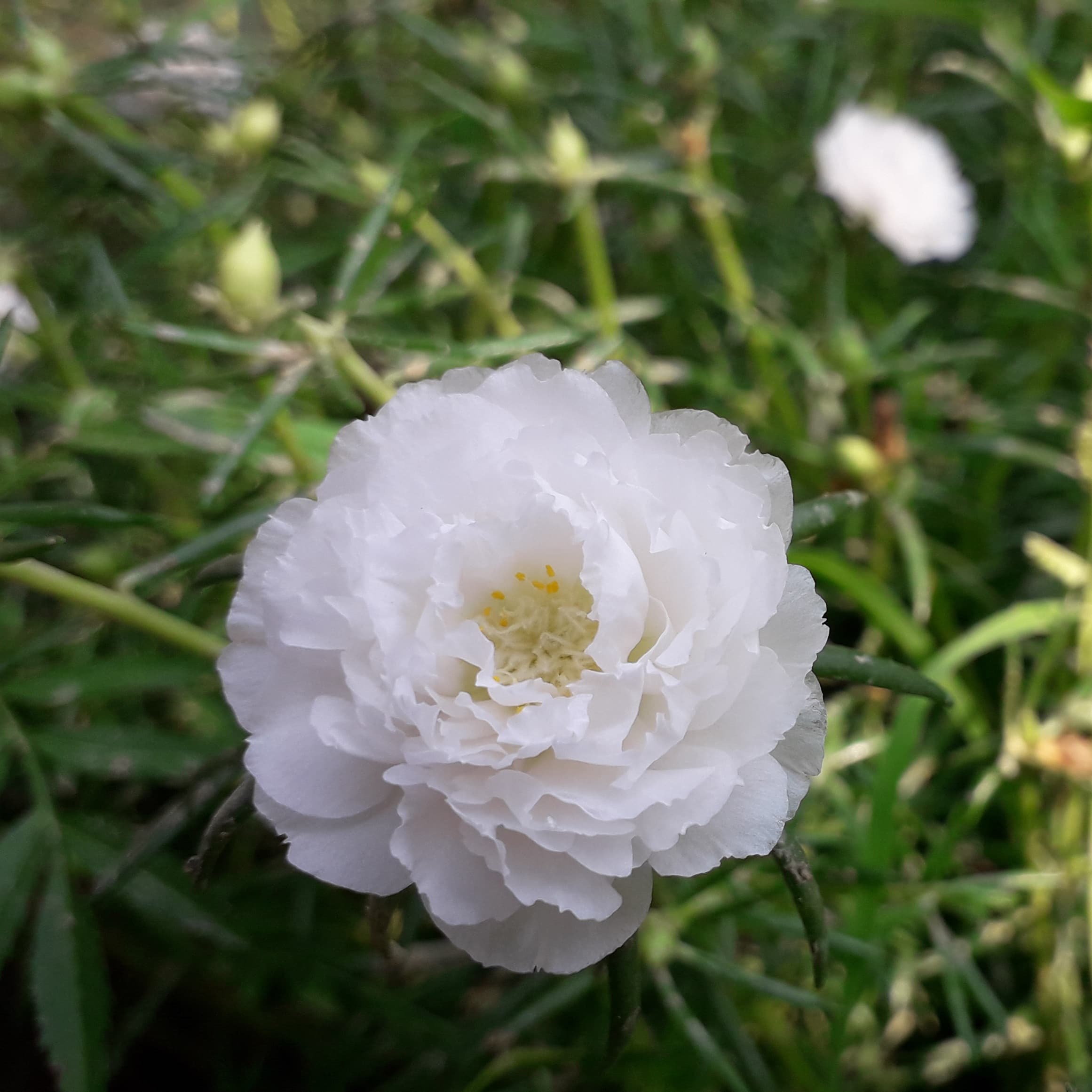 Moss Rose
 New Dawn Climbing Rose
 Peace Hybrid Tea Rose
 Queen Elizabeth Grandiflora Rose
 Red Currant
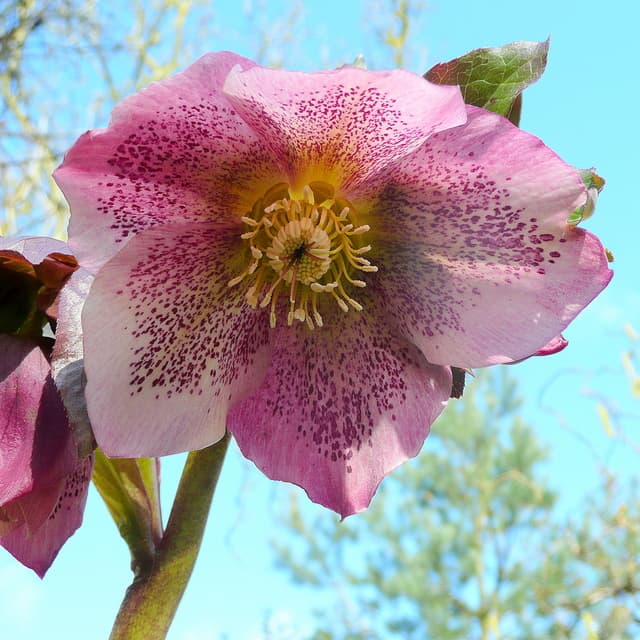 Royal Heritage Lenten Rose
 Sweet Chariot Miniature Rose
 Triple Crown Blackberry
 White Currant
For educational and informational purposes only. Pest control advice is general guidance drawn from university cooperative extension sources; always identify a pest positively and read and follow the label on any product before use, especially around food crops, children, and pets.