
Sod Webworms
Subfamily Crambinae
The grass-eating caterpillars of small tan lawn moths that you see fluttering up as you walk across the lawn at dusk. Sod webworms live in silk-lined tunnels at the soil surface and feed on grass blades at night, chewing ragged brown patches into the turf in mid to late summer.
🔎 How to spot it
The larvae are brownish-gray with dark spots and a dark head, three quarters to an inch long, and live in silk-lined tunnels in the thatch. The adults are slender, light-tan moths that fold their wings tightly and have a snout-like projection, flying in a zigzag just above the lawn at dusk. Look for small, ragged brown patches, sometimes pocked with pencil-sized holes where birds have dug for the larvae, and green droppings in the thatch.
🥀 Damage it causes
The caterpillars feed at night, clipping and chewing grass blades, and create small ragged brown patches that can merge into larger dead areas in mid to late summer, worst in sunny, dry spots. Healthy, well-watered lawns usually outgrow light feeding, but heavy infestations can thin and brown large areas.
🛡️ Prevent it
Keep the lawn healthy and not over-thatched through proper mowing, watering, and aeration, since vigorous turf tolerates and outgrows feeding. Water deeply in summer, and grow endophyte-enhanced grasses, which repel sod webworms and chinch bugs alike. Encourage the birds and predatory and parasitic insects that feed on the larvae.
🧯 If it is already here
Confirm with a soapy-water flush, which drives the larvae up; treatment is warranted at roughly ten to fifteen larvae per square yard. Parasitic nematodes and the organic insecticide Bacillus thuringiensis (Bt) control the caterpillars, best applied in late afternoon when they become active, to moist turf. A vigorous, well-watered lawn often masks and outgrows the damage.
💡 Good to know
The little tan moths zigzagging over the lawn at dusk in summer are the adults and a sign larvae may follow, though the moths themselves do no harm. As with chinch bugs, endophytic grass seed and good lawn care prevent most problems, and the same soapy-water flush both diagnoses and distinguishes them from other turf troubles.
🌱 Plants it attacks
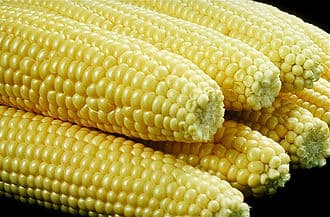
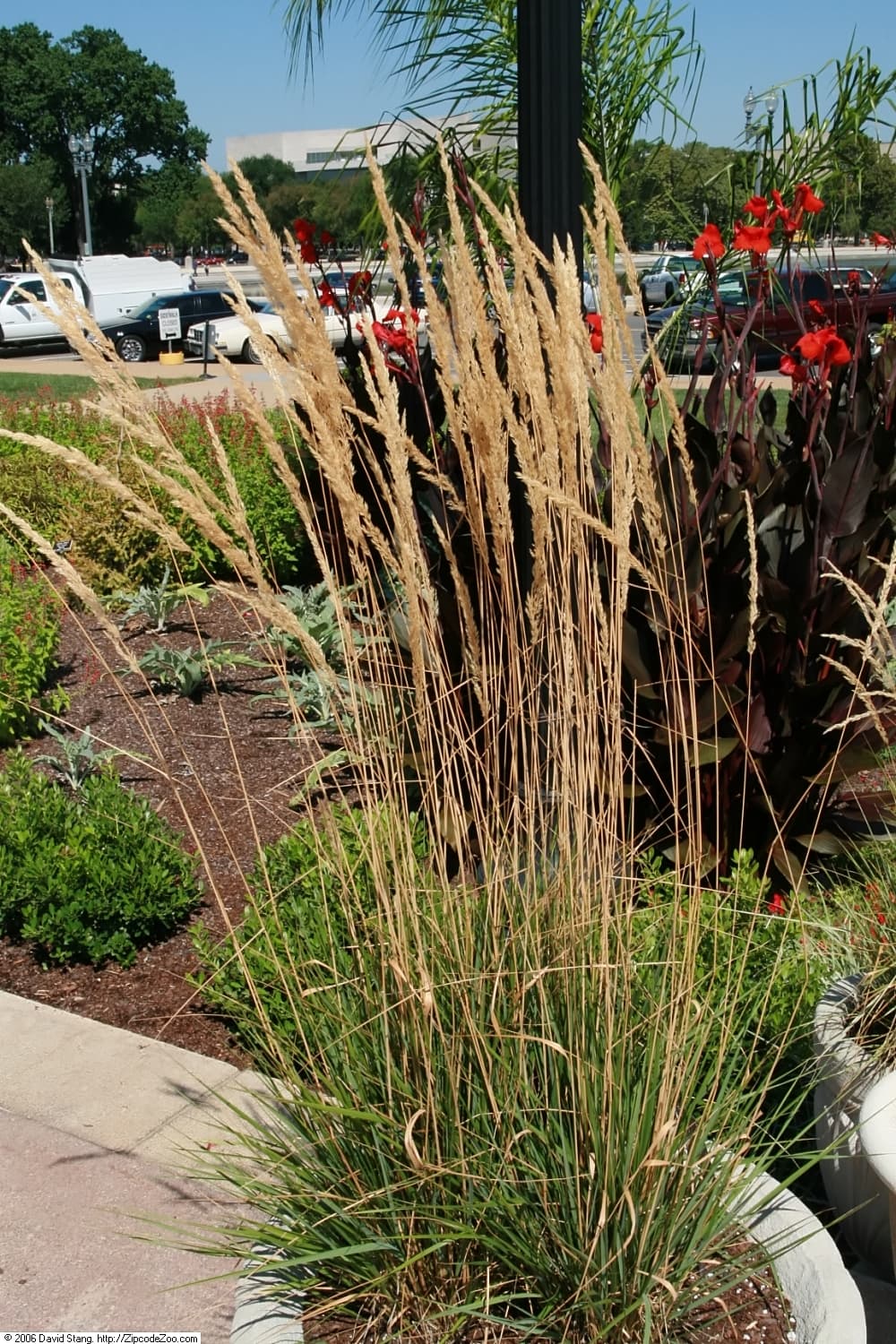
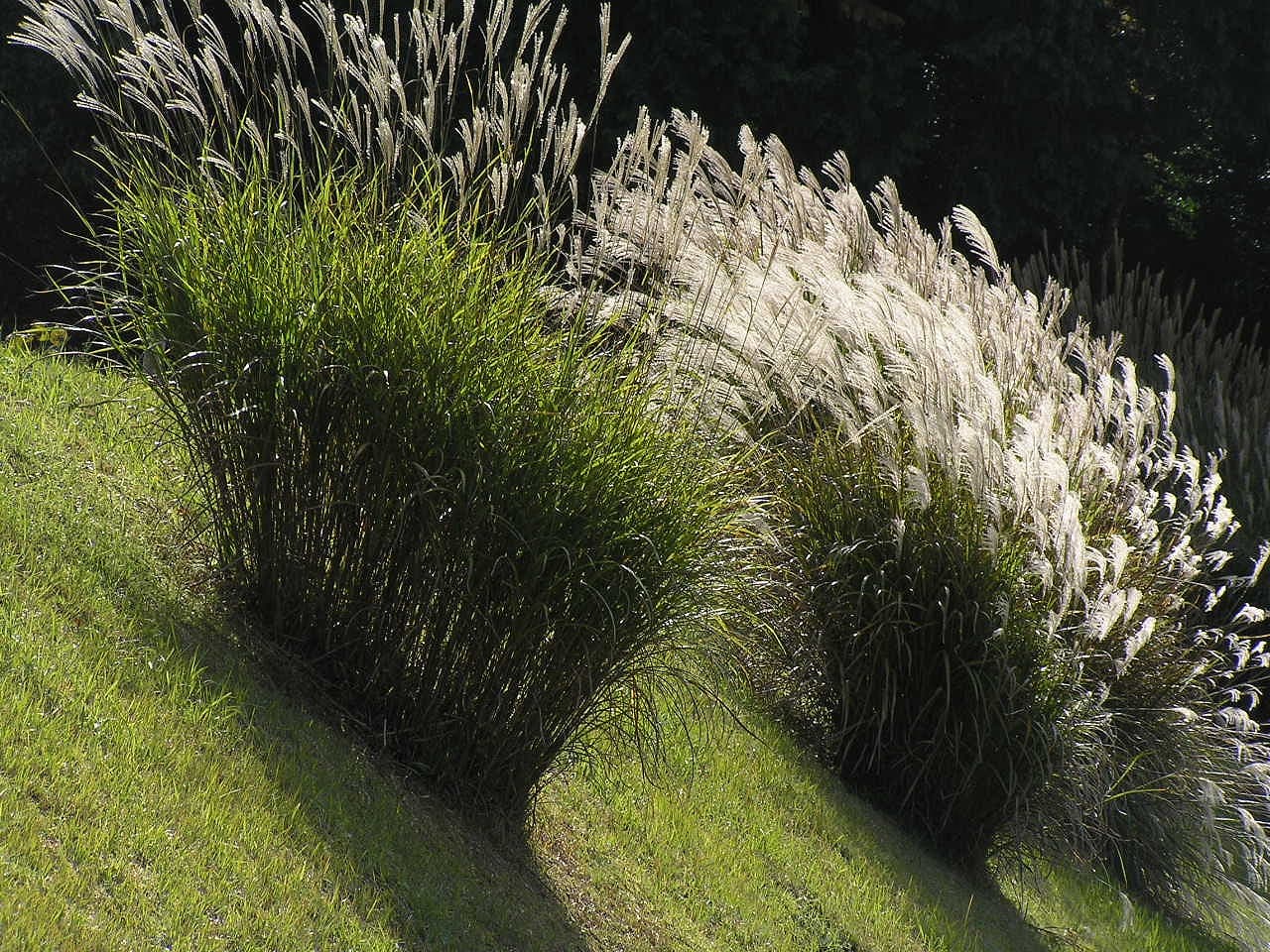
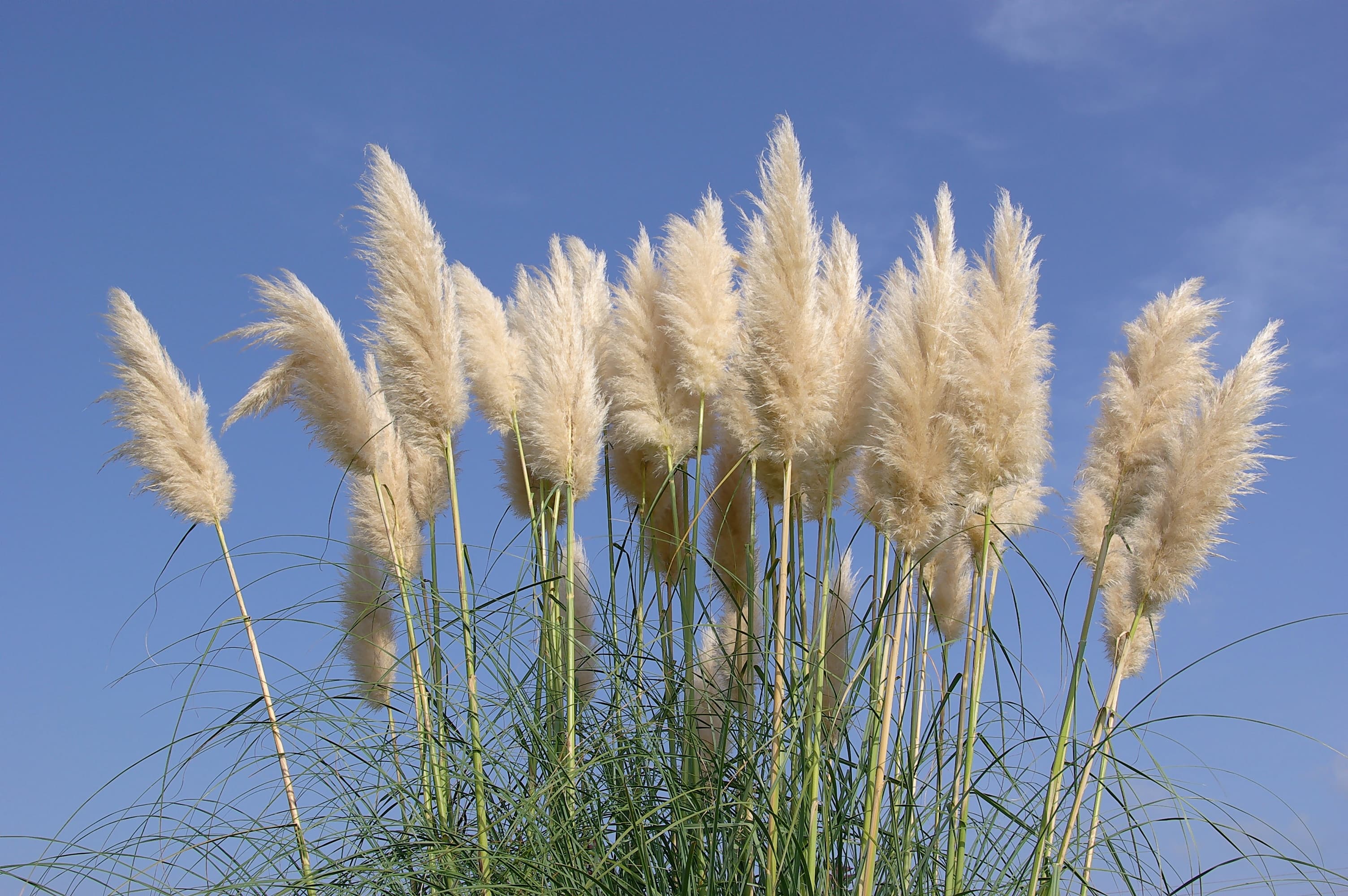
11 plants in the library can be attacked by this pest





For educational and informational purposes only. Pest control advice is general guidance drawn from university cooperative extension sources; always identify a pest positively and read and follow the label on any product before use, especially around food crops, children, and pets.