
Squash Bugs
Anasa tristis
Flat, gray-brown shield-shaped bugs that attack squash, pumpkins, and other cucurbits, sucking sap until leaves wilt and collapse. They hide fast and are tough to kill as adults, so the game is finding and crushing the egg clusters early.
🔎 How to spot it
Adults are about 2/3 inch, flat-backed and brownish-gray, almost black up close, with orange-and-brown striped edges along the abdomen. Nymphs hatch with a green abdomen and dark legs and turn gray as they grow, often clustering together. The surest sign is the eggs: neat clusters of shiny, brick-red to bronze oval eggs laid in the vein angles on the undersides of leaves.
🥀 Damage it causes
Adults and nymphs suck sap, causing leaves to speckle, then yellow, brown, and wilt; under heavy feeding the point of attack turns black and brittle and whole vines can collapse, especially on younger plants. They prefer squash and pumpkins but feed on most cucurbits.
🛡️ Prevent it
Cover plants with row cover from planting until bloom, then remove it for pollination, in any bed with a squash bug history. Scout the leaf undersides twice a week and crush every egg cluster you find. Clear out old vines and debris at season end to remove the sheltered spots where adults overwinter, and rotate cucurbits to a new bed.
🧯 If it is already here
Handpick adults and nymphs into soapy water, and scrape off the egg clusters. Lay a board flat on the soil overnight; the bugs gather under it and can be collected and destroyed each morning. Sprays work poorly on the tough adults, so target the young nymphs if you treat, and put your effort into egg-crushing and trapping.
💡 Good to know
Squash bugs are hardest to kill once they are full-grown adults, which is why catching the egg masses and young nymphs is the heart of control. Adults overwinter in debris and emerge to lay eggs as the vines start to run, so a clean fall garden means fewer bugs the next year.
🌱 Plants it attacks
47 plants in the library can be attacked by this pest
 Acorn Squash
 Armenian Cucumber
 Atlantic Giant Pumpkin
 Bitter Melon
 Black Beauty Zucchini🍉Black Diamond Watermelon🥒Boston Pickling Cucumber
 Bottle Gourd
 Buttercup Squash
 Butternut Squash
 Cantaloupe
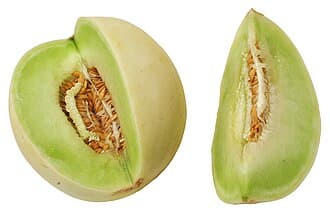 Casaba Melon
 Charleston Gray Watermelon
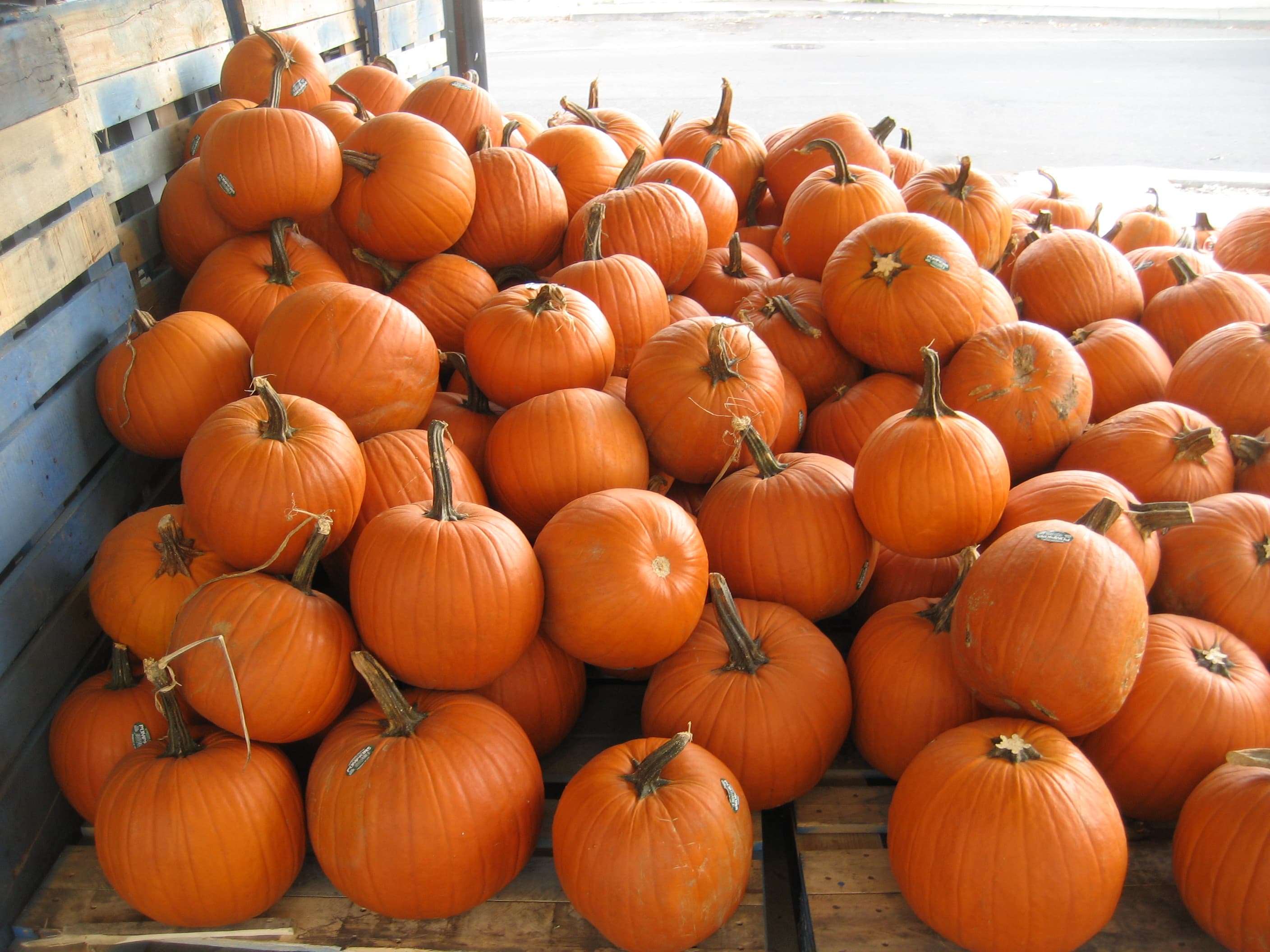 Cinderella Pumpkin
 Costata Romanesco Zucchini
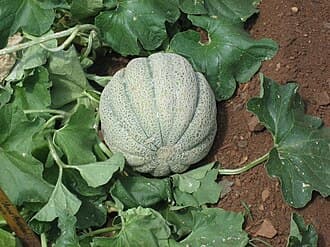 Crenshaw Melon
 Crimson Sweet Watermelon
 Delicata Squash🥒Diva Cucumber🥒English Cucumber
 Galia Melon
 Honeydew Melon
 Hubbard Squash
 Jack-O-Lantern Pumpkin🍉Jubilee Watermelon
 Kabocha Squash
 Kirby Cucumber
 Lemon Balm
 Lemon Cucumber
 Luffa
Luffa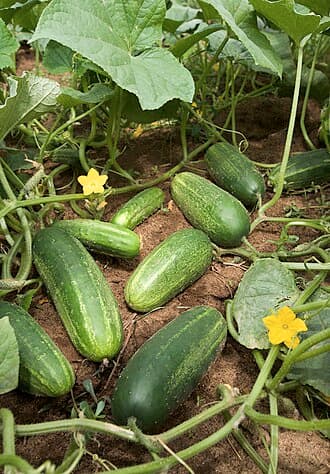 Marketmore Cucumber🍉Mini Love Watermelon🍉Moon and Stars Watermelon
 Nasturtium🍉Orangeglo Watermelon
 Pattypan Squash
 Persian Cucumber
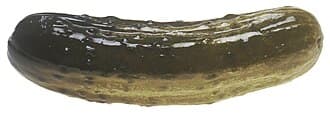 Pickling Cucumber
 Spaghetti Squash
 Sugar Baby Watermelon🎃Sugar Pie Pumpkin
 Suyo Long Cucumber
 Tromboncino Squash
 Winter Melon
 Yellow Crookneck Squash🍉Yellow Doll Watermelon
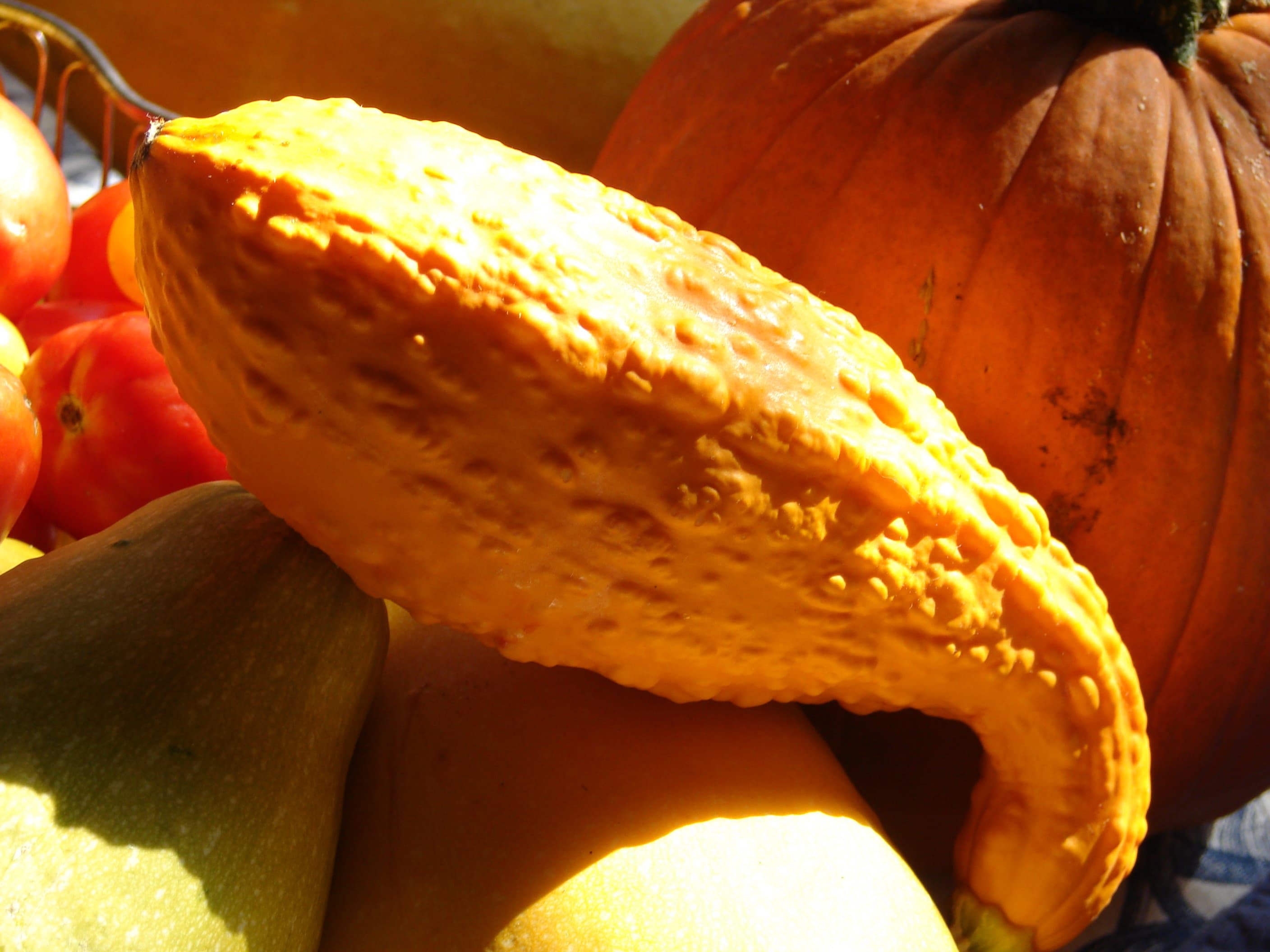 Yellow Summer Squash
For educational and informational purposes only. Pest control advice is general guidance drawn from university cooperative extension sources; always identify a pest positively and read and follow the label on any product before use, especially around food crops, children, and pets.