
Twobanded Japanese Weevil
Pseudocneorhinus bifasciatus
A small, flightless brown weevil with a very broad appetite, chewing notches in the leaf margins of more than a hundred kinds of landscape plants. Every individual in the United States is female and lays viable eggs without mating, so populations build quietly.
🔎 How to spot it
Adults are about a quarter inch long, pear shaped, and mottled light to dark brown with a short, blunt snout and faint banding on the wing covers. Their wing covers are fused, so they cannot fly, and when disturbed they drop to the ground and play dead. The larvae are white, legless, and about a third of an inch long.
🥀 Damage it causes
Adults chew notches and scallops along the leaf margins, sometimes eating leaves back to the midvein, while the larvae feed on roots in the soil. The leaf damage is mostly cosmetic on established shrubs but can be heavy because so many beetles feed at once. Hosts include barberry, privet, lilac, rose, spirea, forsythia, viburnum, euonymus, azalea, and rhododendron.
🛡️ Prevent it
Because the adults cannot fly and play dead when disturbed, place a light cloth under a shrub, shake the branches, and collect and destroy the beetles that drop. Rake up and remove leaf litter and debris beneath host plants, where adults, eggs, and larvae overwinter. Monitor for the first marginal notching in spring.
🧯 If it is already here
Management is often unnecessary on healthy shrubs since the damage is cosmetic, but where control is wanted, treat when overwintered adults resume feeding in spring. Neem and azadirachtin products and entomopathogenic nematodes are options, and acephate has given good control where labeled. The beetles resist some older insecticides such as carbaryl, diazinon, and malathion.
💡 Good to know
There is one generation a year, and because the population is entirely female and parthenogenetic, a single beetle can start an infestation. It was introduced from Japan around 1914 near Philadelphia and is now a common landscape pest across the Northeast and Midwest. Its flightlessness makes hand-collection unusually practical.
🌱 Plants it attacks
45 plants in the library can be attacked by this pest
 Alice du Pont Mandevilla
 Amethyst Falls Wisteria
 Annabelle Smooth Hydrangea
 April Tryst Camellia
 August Beauty Gardenia
 Bachelor's Button
 Barbara Karst Bougainvillea
 Blue Bird Rose of Sharon
 Burning Bush
 Climbing Hydrangea
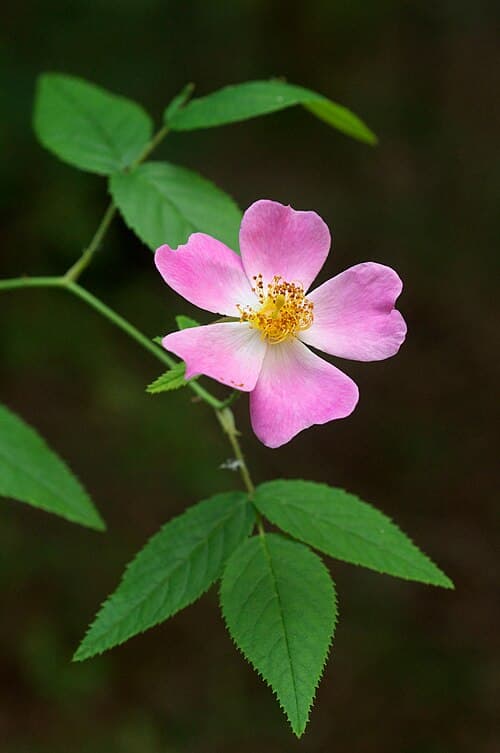 Climbing Prairie Rose
 Coral Drift Groundcover Rose
 Diabolo Ninebark
 Early Amethyst Beautyberry
 Endless Summer Hydrangea
 Flowering Dogwood
 Goldflame Spirea
 Graham Thomas English Rose
 Hansa Rugosa Rose
 Hummingbird Summersweet
 Iceberg Floribunda Rose
 Jackmanii Clematis
 Japanese Barberry
 Karen Azalea
 Knock Out Rose
 Limelight Panicle Hydrangea
 Lynwood Gold Forsythia
 Major Wheeler Trumpet Honeysuckle
 Miss Kim Lilac
 Miss Molly Butterfly Bush
 Mister Lincoln Hybrid Tea Rose
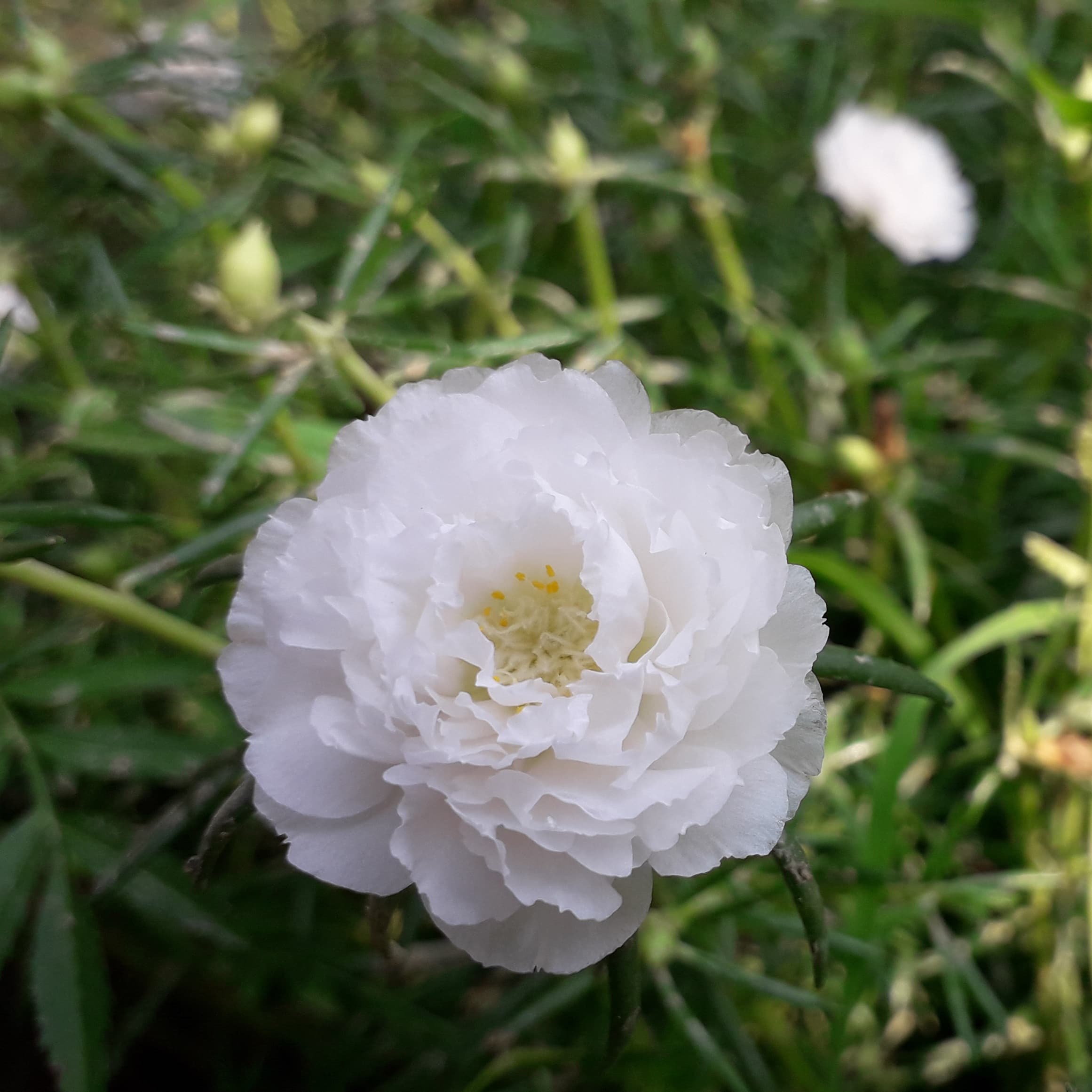 Moss Rose
 New Dawn Climbing Rose
 Peace Hybrid Tea Rose
 PJM Rhododendron
 Privet
 Purple Smoke False Indigo
 Queen Elizabeth Grandiflora Rose
 Quince
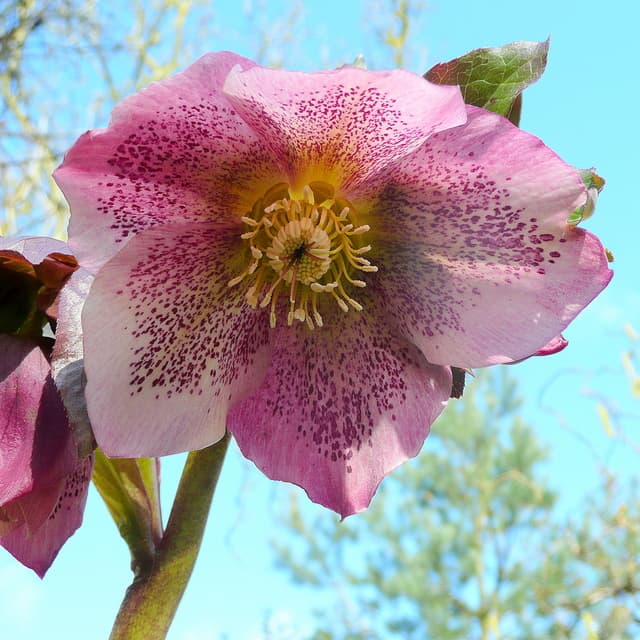 Royal Heritage Lenten Rose
 Shasta Doublefile Viburnum
 Snow Queen Oakleaf Hydrangea
 Sweet Chariot Miniature Rose
 Texas Scarlet Flowering Quince
 Wine and Roses Weigela
For educational and informational purposes only. Pest control advice is general guidance drawn from university cooperative extension sources; always identify a pest positively and read and follow the label on any product before use, especially around food crops, children, and pets.