Bulb Rot
Fusarium, Penicillium, and Botrytis species
A general rotting of flower bulbs, corms, and onion bulbs caused by several soil and storage fungi that turn the bulb soft, moldy, or mushy. Bulb rot strikes both in waterlogged ground and in storage, and it is one of the main reasons planted bulbs fail to come up or stored bulbs collapse before planting.
🔎 How to spot it
Affected bulbs feel soft, spongy, or mushy and may be discolored brown or black, often starting at the base or at a wound, and they can be covered with blue-green, gray, white, or pink mold. A planted bulb that rots simply fails to sprout or sends up weak, yellow growth. Cutting a rotten bulb open shows browned, broken-down internal scales rather than firm white tissue.
🥀 Damage it causes
The fungi destroy the stored food in the bulb, so the plant either never emerges or grows weakly and dies, and stored bulbs decay and spread the rot to healthy neighbors. Losses can be heavy when bulbs sit in cold, wet soil or in damp storage. Once the bulb is rotten there is nothing left to grow.
🔬 What causes it
Bulb rot is caused by several fungi, including Fusarium, Penicillium blue mold, Botrytis, and Aspergillus, that invade through wounds, bruises, and the basal plate. Wet, poorly drained soil, planting too deep or too early into cold ground, and cool, humid storage all favor the rots. Damaged or soft bulbs are far more likely to rot than firm, sound ones.
🛡️ Prevent it
Plant only firm, healthy, blemish-free bulbs in well-drained soil at the correct depth, and never leave bulbs sitting in waterlogged ground. Handle bulbs gently to avoid bruising, cure and dry them properly, and store them somewhere cool, dry, and well ventilated. Inspect stored bulbs regularly and remove any that are soft or moldy before they infect the rest.
🧯 If it is already here
There is no cure for a bulb that is already rotting; discard soft, moldy bulbs rather than planting or storing them, and do not compost them. Improve drainage or switch to raised beds and containers where soil stays too wet. Because fungicides only protect sound bulbs and cannot reverse rot, prevention through good drainage, gentle handling, and dry storage is the real control.
💡 Good to know
Firmness is the simplest test: a healthy bulb is heavy and solid, while a rotting one is light, soft, or squishy. Most bulb rot traces back to too much moisture, either in the ground or in storage, so drainage and dry, airy storage prevent the majority of cases. Always sort out and toss soft bulbs before planting.
🌱 Plants it affects
36 plants in the library can be affected by this problem
 Angelique Tulip
 Apeldoorn Tulip
 Bengal Tiger Canna
 Cipollini Onion
 Common Chives
 Delft Blue Hyacinth
 Dutch Master Daffodil
 Egyptian Walking Onion
 Elephant Garlic
 Flower Record Crocus
 Garden Gladiolus
 Garlic Chives🧄German Extra Hardy Garlic
 Globemaster Allium
 Grape Hyacinth🧄Inchelium Red Garlic🧄Killarney Red Garlic
 Leek
Leek Lucifer Crocosmia
 Music Hardneck Garlic
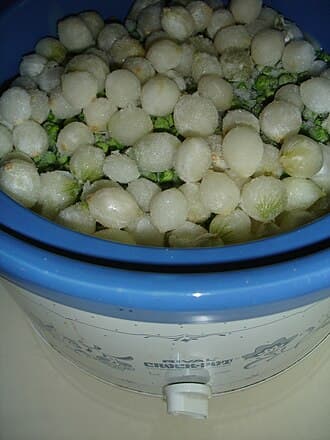 Pearl Onion🧅Red Onion
 Saffron Crocus
 Scallion
 Shallot
 Softneck Garlic🧅Spanish Onion🧄Spanish Roja Garlic
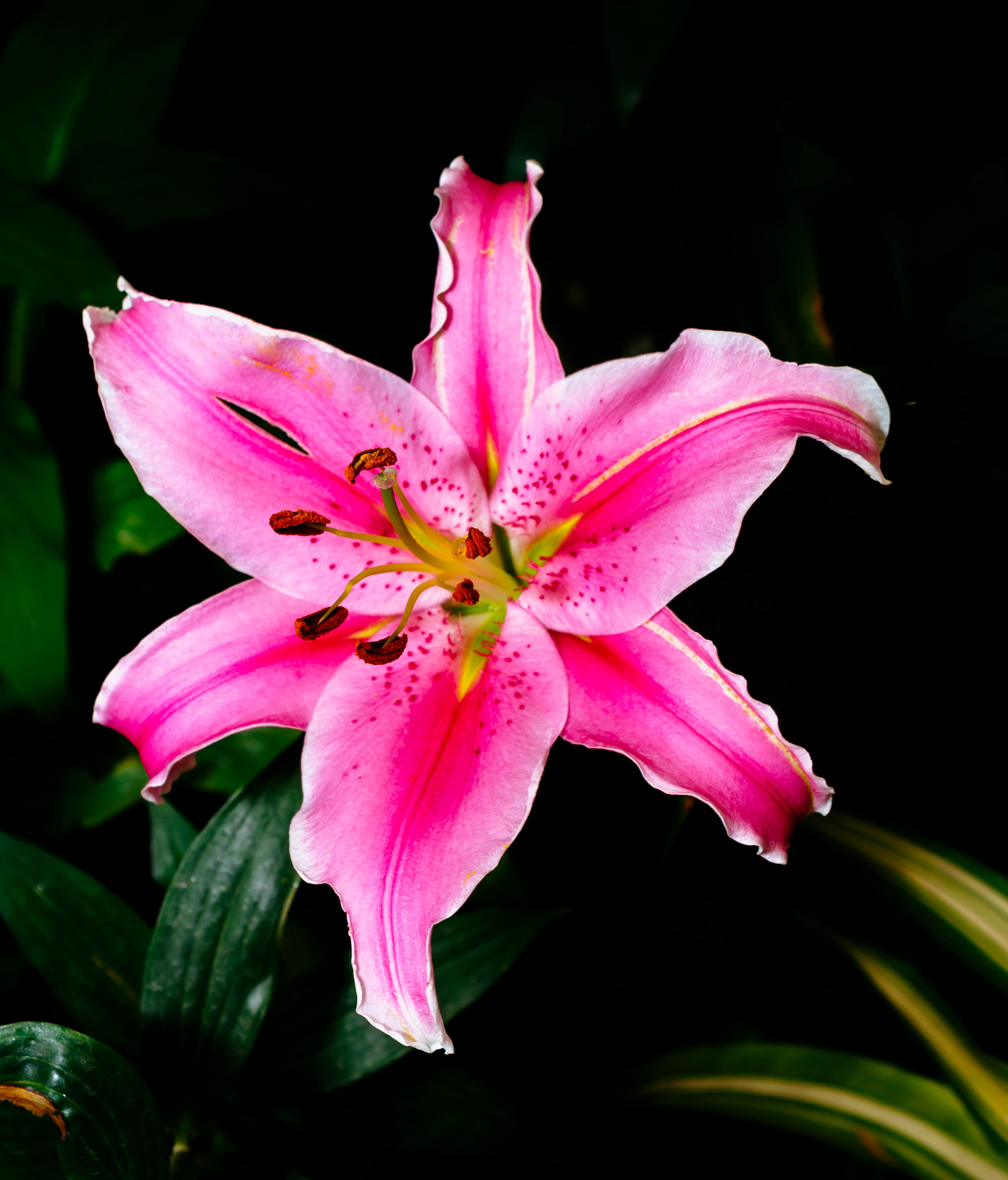 Stargazer Oriental Lily
 Stella de Oro Daylily
 Superstition Bearded Iris
 Vidalia Sweet Onion🧅Walla Walla Sweet Onion
 White Giant Calla Lily
 White Onion
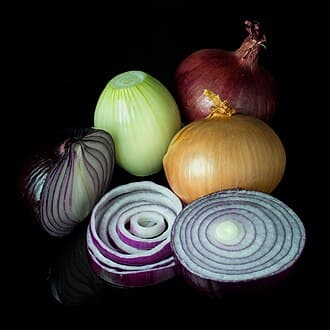 Yellow Sweet Onion
For educational and informational purposes only. Disease management advice is general guidance drawn from university cooperative extension sources; always identify a problem positively and read and follow the label on any product before use, especially around food crops, children, and pets.