
Catfacing
A physiological disorder, not a disease, in which tomato fruit grows scarred, puckered, and misshapen at the blossom end, with holes, ridges, and bands of brown scar tissue. It traces back to something disrupting flower formation, usually cold weather at bloom, and is most common on big heirloom beefsteak types early in the season.
🔎 How to spot it
Look at the blossom end, the bottom, of the fruit for deep puckers, cavities, holes, and corky brown scars, often with protruding ribs or bands of leftover flower tissue. The fruit is lumpy and distorted rather than round. It affects scattered fruit, typically the earliest ones set under cool conditions, while later fruit comes in normal.
🥀 Damage it causes
Catfaced fruit is misshapen and scarred, so much of it is downgraded or has to be trimmed heavily, and deep cavities can invite secondary rots. The disorder does not spread or harm the plant, and mildly catfaced fruit, once trimmed and free of rot, is perfectly fine to eat.
🔬 What causes it
Catfacing comes from a disturbance to the flower as the fruit begins to form, most often cold or cloudy weather at bloom time. High nitrogen, aggressive pruning, contact with hormone-type weed killers, and damage to flower buds can also trigger it. Large-fruited and heirloom varieties such as the big beefsteaks are the most prone.
🛡️ Prevent it
Do not set transplants out too early; wait until the weather and soil have warmed past the cold spells that trigger it at bloom. Avoid heavy nitrogen and overly aggressive pruning, and keep hormone-type herbicides well away from the garden. Favor varieties less prone to catfacing, especially smaller-fruited and modern hybrids, if it is a recurring problem.
🧯 If it is already here
There is nothing to cure on an already-catfaced fruit, so trim away the scarred tissue and use the sound part, discarding any with rot in the cavities. The disorder usually fades on its own as the weather warms and later flowers set under better conditions, so no treatment is needed beyond waiting out the early, cool-weather flush.
💡 Good to know
Catfacing is a cool-weather, flower-formation problem, which is why it clusters on the first fruit of big heirloom tomatoes set during a cold snap and disappears on the summer crop. It is easy to tell from blossom-end rot: catfacing is lumpy scarring and holes, while blossom-end rot is a smooth, sunken, leathery dark patch.
🌱 Plants it affects
61 plants in the library can be affected by this problem
 Aji Amarillo Pepper🍓Albion Strawberry
 Amish Paste Tomato
 Anaheim Pepper
 Banana Pepper🍅Beefmaster Tomato
 Better Boy Tomato🍅Big Beef Tomato
 Big Boy Tomato
 Black Cherry Tomato
 Black Krim Tomato🍅Box Car Willie Tomato
 Brandywine Tomato
 Carolina Reaper Pepper
 Cayenne Pepper
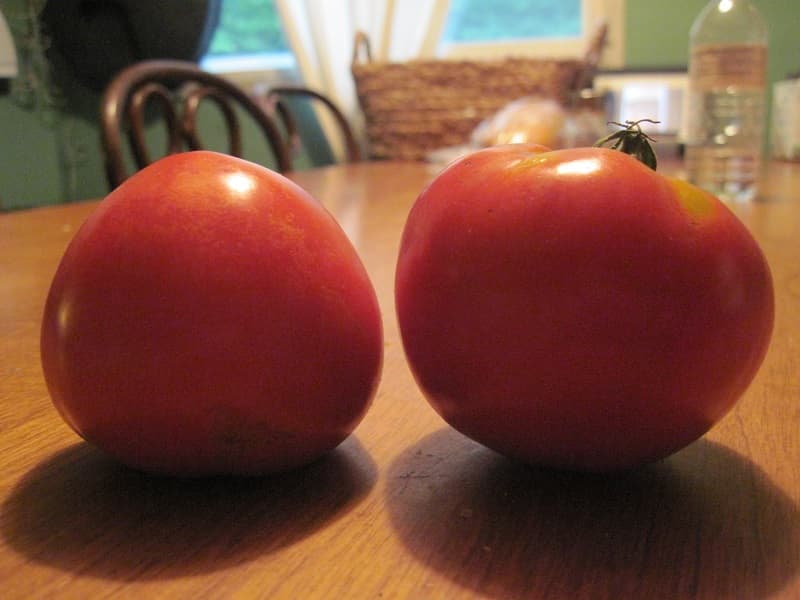 Celebrity Tomato
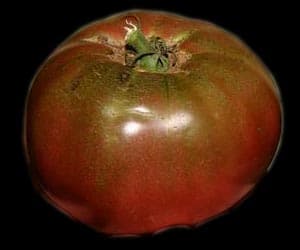 Cherokee Purple Tomato
 Cubanelle Pepper
 Early Girl Tomato
 Fresno Pepper🍅German Queen Tomato
 Ghost Pepper
 Green Bell Pepper
 Green Zebra Tomato
 Habanero Pepper
 Hardy Kiwi
 Honeoye Strawberry
 Hungarian Wax Pepper
 Indigo Rose Tomato
 Jalapeño Pepper
 Juliet Grape Tomato
 June-Bearing Strawberry
 Kellogg's Breakfast Tomato🍅La Roma IV Tomato
 Lemon Boy Tomato🍅Mortgage Lifter Tomato
 Mr. Stripey Tomato
 Orange Bell Pepper🍓Ozark Beauty Strawberry
 Padrón Pepper
 Pimento Pepper
 Pineapple Tomato
 Poblano Pepper
 Purple Bell Pepper
 Red Bell Pepper
 Roma Tomato🍅Rutgers Tomato
 San Marzano Tomato
 Scotch Bonnet Pepper🍓Seascape Strawberry
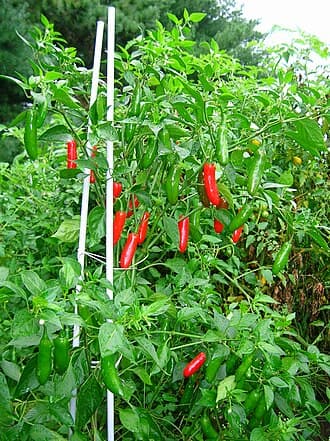 Serrano Pepper
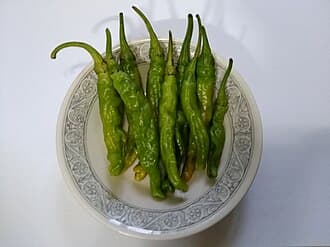 Shishito Pepper🍅Striped German Tomato🍅Sungold Cherry Tomato
 Sweet 100 Cherry Tomato
 Sweet Banana Pepper
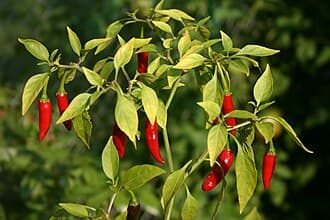 Thai Chili Pepper🍅Tiny Tim Cherry Tomato
 Trinidad Scorpion Pepper
 Yellow Bell Pepper
 Yellow Pear Tomato
For educational and informational purposes only. Disease management advice is general guidance drawn from university cooperative extension sources; always identify a problem positively and read and follow the label on any product before use, especially around food crops, children, and pets.