
Botrytis Neck Rot
Botrytis allii
A fungal storage rot of onions, and sometimes shallots and garlic, that enters through the neck of the bulb at harvest and rots it from the top down weeks later in storage. Botrytis neck rot is one of the most important causes of onion losses after harvest, often appearing only once the crop is in storage.
🔎 How to spot it
The first sign is in storage: the neck of the bulb softens and looks sunken and cooked, and the scales just below turn a water-soaked gray to brown. A dense gray mold may grow between the scales, and hard black sclerotia can form on and around the neck. Cut open, the affected scales are soft, brown, and dried-looking, with the rot working down from the neck.
🥀 Damage it causes
The fungus rots the bulb from the neck downward, turning the inner scales soft and brown and ruining the onion in storage, where severe outbreaks can destroy more than half the crop. Because symptoms usually appear a month or two into storage, a crop that looked sound at harvest can rot in the bin. The rot can spread from bulb to bulb in storage.
🔬 What causes it
Neck rot is caused by the fungus Botrytis allii, and related Botrytis species, which infects the leaves and neck during the growing season, often without obvious symptoms, then develops in the bulb after harvest. It overwinters as sclerotia in the soil and on debris and cull piles. Late-season infection of immature or poorly cured necks and high humidity in storage favor the disease.
🛡️ Prevent it
Cure onions thoroughly after harvest so the necks dry and seal, and harvest only mature bulbs, avoiding heavy late-season nitrogen that keeps necks thick and soft. Handle bulbs gently to limit wounds, and store them cold and dry with good air movement, around freezing with moderate humidity. Rotate alliums and clean up culls and debris that harbor the fungus.
🧯 If it is already here
There is no cure for bulbs already rotting in storage; sort them out and discard them promptly so the rot does not spread to sound onions, and lower the storage temperature and humidity. For the next crop, focus on proper curing, good neck dry-down, and clean, cold, airy storage. Late-season fungicides in the final weeks before harvest can reduce neck infection where the disease is a recurring problem.
💡 Good to know
The hallmark is that the rot starts at the neck and shows up only after the onions have been in storage a while, which separates it from rots that begin at the base. Thorough curing and dry, cold storage are the heart of control, since the fungus needs a soft, poorly dried neck and humid conditions to take hold.
🌱 Plants it affects
30 plants in the library can be affected by this problem
 Bilberry
 Bluecrop Blueberry
 Cipollini Onion
 Common Chives
 Egyptian Walking Onion
 Elephant Garlic
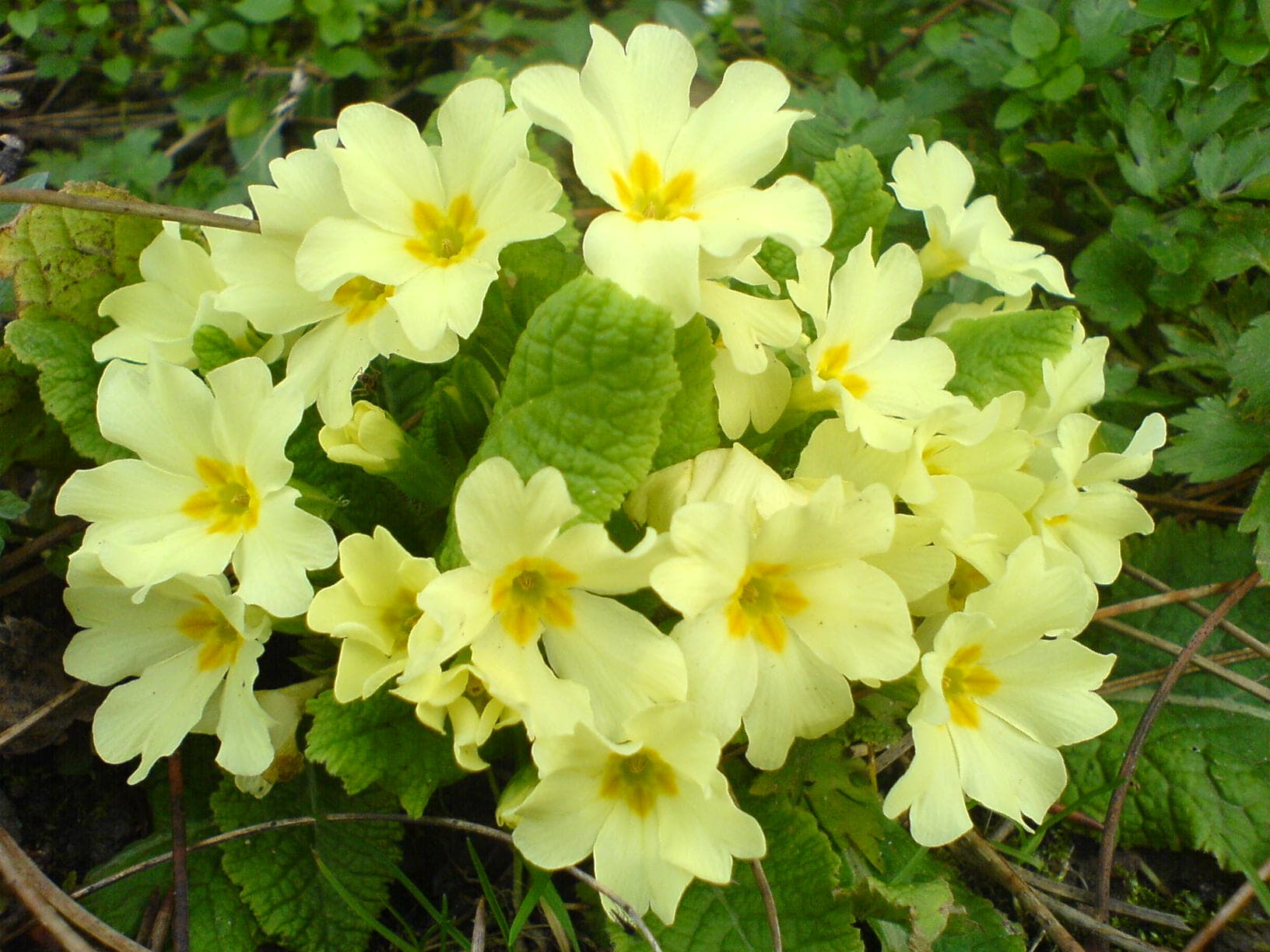 Garden Primrose
 Garlic Chives🧄German Extra Hardy Garlic
 Globemaster Allium🧄Inchelium Red Garlic🧄Killarney Red Garlic
 Leek
Leek Lingonberry
 Lisianthus
 Music Hardneck Garlic
 Patriot Blueberry
 Pearl Onion🧅Red Onion
 Scallion
 Shallot
 Softneck Garlic🧅Spanish Onion🧄Spanish Roja Garlic
 Statice
 Tifblue Blueberry
 Vidalia Sweet Onion🧅Walla Walla Sweet Onion
 White Onion
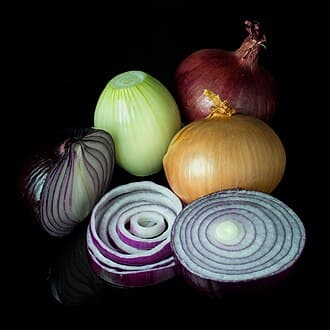 Yellow Sweet Onion
For educational and informational purposes only. Disease management advice is general guidance drawn from university cooperative extension sources; always identify a problem positively and read and follow the label on any product before use, especially around food crops, children, and pets.