
Papaya Ringspot Virus
Papaya ringspot virus
The most serious disease of papaya worldwide, a virus that stunts the plant, mottles and distorts the leaves, and marks the fruit with ring-shaped spots. It is carried by aphids and has no cure, so control depends on removing infected plants fast and keeping the virus away from healthy ones.
🔎 How to spot it
On the leaves look for yellow mosaic mottling between the veins and crinkled, deformed new leaves whose lobes shrink to narrow, stringy strips of mostly vein, a severe symptom called shoestringing. Petioles and the upper green stem show oily or water-soaked streaks. The fruit develops the telltale ring-shaped spots, and plants are stunted with reduced, poor-quality fruit.
🥀 Damage it causes
The virus reduces growth and photosynthesis, so the plant is stunted, the top of the canopy looks thin and open, and yield drops sharply. Fruit set after infection is small, ringspotted, and often distorted, with reduced quality. Young plants can be effectively destroyed, and whole plantings can collapse where the virus is widespread.
🔬 What causes it
The disease is caused by Papaya ringspot virus, spread chiefly by aphids such as the green peach aphid in a non-persistent way: an aphid picks up or transmits the virus in just seconds of probing and carries it only for a short time. Because papaya is not a preferred aphid host, aphids move quickly among plants and spread it fast. Cucurbits such as squash, cucumber, melon, and watermelon and cucurbit weeds are alternate hosts and reservoirs. The virus is not carried in seed.
🛡️ Prevent it
Start from seed, which does not carry the virus, rather than moving in transplants, and where available plant PRSV-resistant or transgenic varieties. Keep papaya away from cucurbit crops, cucurbit weeds, and older infected papaya, ideally planting upwind of any infection source. Inspect often and control weeds that harbor aphids, but understand that spraying insecticides does not stop spread, because transmission is faster than the insecticide can act.
🧯 If it is already here
There is no cure. The only effective response is sanitation: identify and remove infected plants promptly, the moment symptoms appear, and destroy them so they cannot serve as a source for aphids. Remove nearby alternate hosts as well. Cross-protection and area-wide quarantine programs are used in commercial regions, but for the home grower, fast removal of infected plants and isolation from cucurbits are the practical tools.
💡 Good to know
Resistant transgenic papayas developed in the 1990s rescued the Hawaiian papaya industry after the virus caused a roughly 94 percent collapse in production area. Tools used to prune or handle plants can spread the virus in sap, so clean them between plants. Because aphids can blow in from a distance, area-wide sanitation works better than protecting a single garden in isolation.
🌱 Plants it affects
44 plants in the library can be affected by this problem
 Acorn Squash
 Armenian Cucumber
 Atlantic Giant Pumpkin
 Bitter Melon
 Black Beauty Zucchini🍉Black Diamond Watermelon🥒Boston Pickling Cucumber
 Buttercup Squash
 Butternut Squash
 Cantaloupe
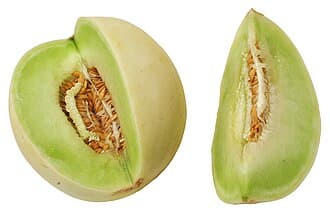 Casaba Melon
 Charleston Gray Watermelon
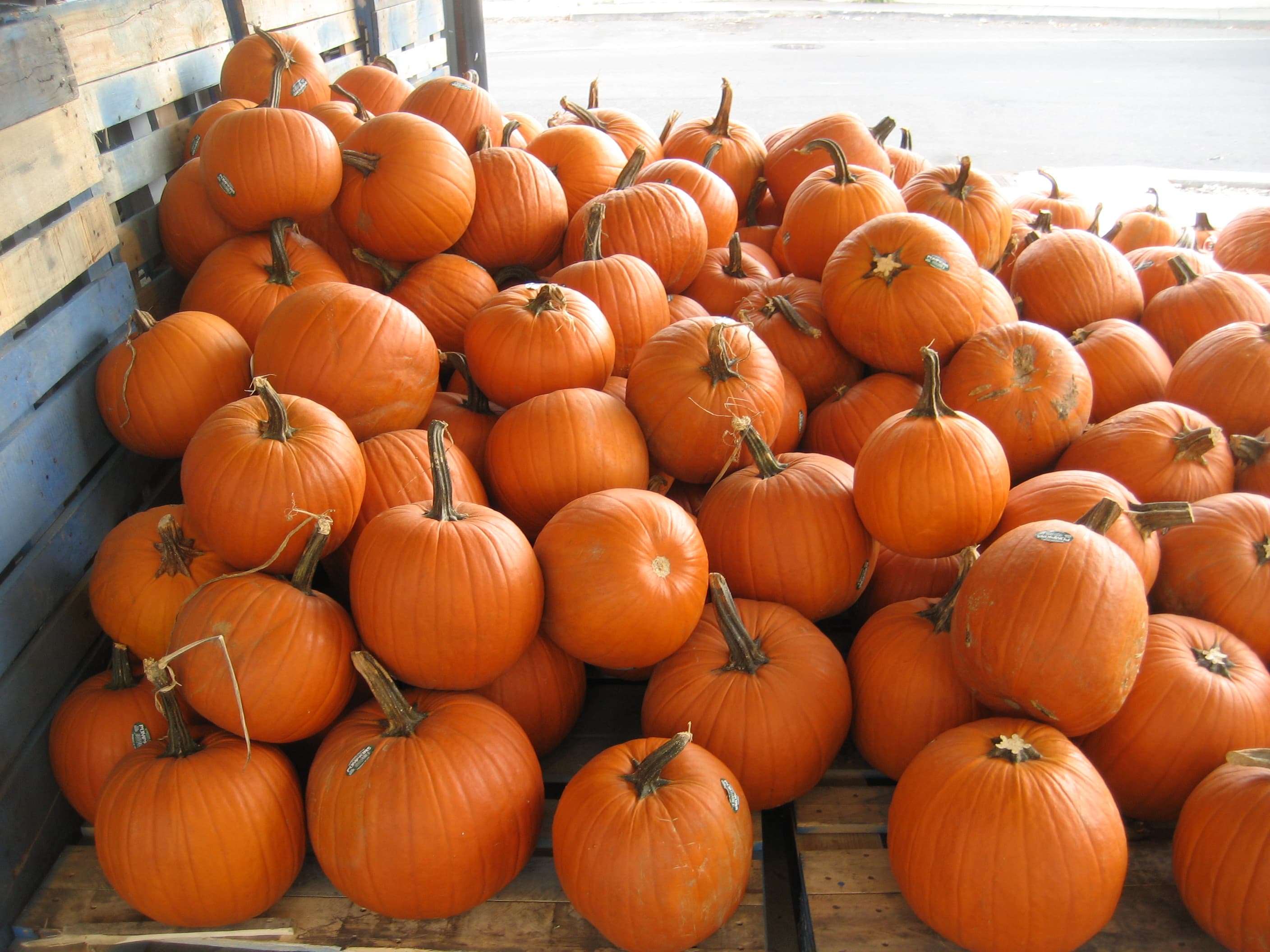 Cinderella Pumpkin
 Costata Romanesco Zucchini
 Crenshaw Melon
 Crimson Sweet Watermelon
 Delicata Squash🥒Diva Cucumber🥒English Cucumber
 Galia Melon
 Honeydew Melon
 Hubbard Squash
 Jack-O-Lantern Pumpkin🍉Jubilee Watermelon
 Kabocha Squash
 Kirby Cucumber
 Lemon Cucumber
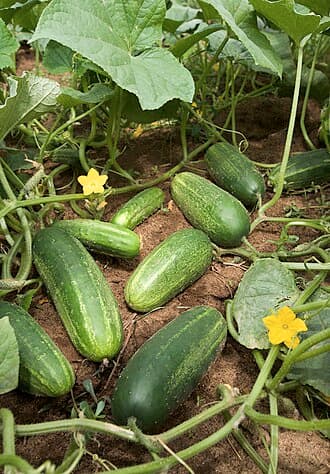 Marketmore Cucumber🍉Mini Love Watermelon🍉Moon and Stars Watermelon🍉Orangeglo Watermelon
 Pattypan Squash
 Persian Cucumber
 Pickling Cucumber
 Red Lady Papaya
 Spaghetti Squash
 Sugar Baby Watermelon🎃Sugar Pie Pumpkin
 Suyo Long Cucumber
 Tromboncino Squash
 Winter Melon
 Yellow Crookneck Squash🍉Yellow Doll Watermelon
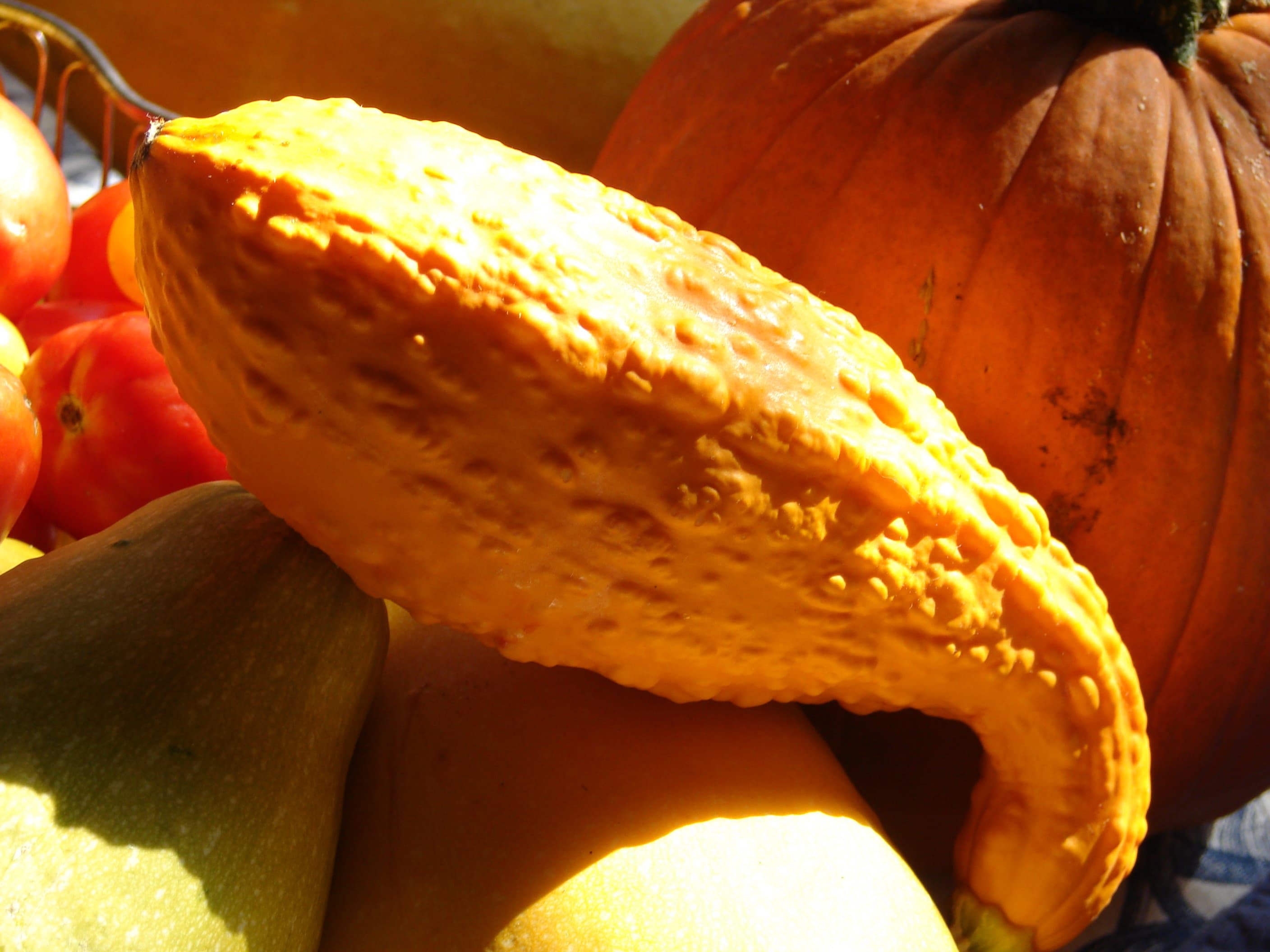 Yellow Summer Squash
For educational and informational purposes only. Disease management advice is general guidance drawn from university cooperative extension sources; always identify a problem positively and read and follow the label on any product before use, especially around food crops, children, and pets.