
Bagworms
Thyridopteryx ephemeraeformis
The caterpillars of a moth that build and live inside a tough, spindle-shaped bag woven from silk and bits of the plant they feed on. They attack many trees and shrubs but are most damaging on evergreens such as juniper, arborvitae, cedar, and spruce, where heavy feeding can defoliate and kill the plant.
🔎 How to spot it
The unmistakable sign is the bag itself: a one-to-two-inch, cone- or spindle-shaped case covered in pieces of needles, leaves, or bark, hanging from twigs and often mistaken for a cone or a bit of the plant. The caterpillar lives inside and pokes its head out to feed, dragging the bag along. Adult males are small, clear-winged black moths, while the females are wingless and never leave the bag.
🥀 Damage it causes
The caterpillars chew foliage, and on evergreens, which cannot quickly replace lost needles, heavy feeding strips branches bare and can kill the whole plant. On deciduous trees and shrubs the damage is usually less serious because they leaf out again. A single plant can carry hundreds of bags, each holding a feeding caterpillar, so populations build quickly.
🛡️ Prevent it
On small trees and shrubs, the simplest and most effective control is to handpick the bags from fall through early spring, when each bag holds the eggs that would start next year infestation, and destroy them rather than dropping them beneath the plant. Inspect susceptible evergreens every year. Encourage the parasitic wasps that attack bagworms by avoiding unnecessary broad-spectrum sprays.
🧯 If it is already here
When eggs hatch in late spring and the young caterpillars are small and exposed, Bacillus thuringiensis (Bt) or a labeled insecticide applied every one to two weeks during the hatch is effective. Sprays do not work well later, once the caterpillars are large and sealed inside their thick bags. For light infestations, continued handpicking is enough.
💡 Good to know
Because the female cannot fly and lays her eggs inside her own bag, removing bags by hand in winter directly removes next year population. Timing any spray to the early hatch is critical, since the bag protects the growing caterpillar from insecticides. Repeated defoliation is far more deadly to evergreens than to deciduous plants.
🌱 Plants it attacks
37 plants in the library can be attacked by this pest
 American Basswood
 Balsam Fir
 Balsam Poplar
 Black Walnut
 Chokecherry
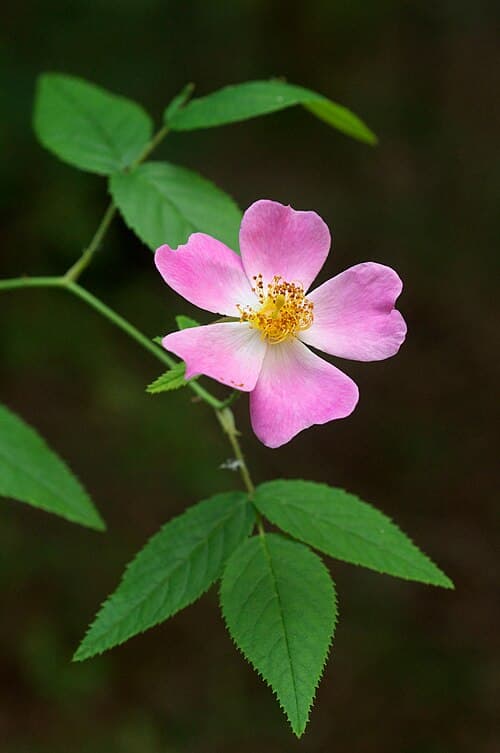 Climbing Prairie Rose
 Coral Drift Groundcover Rose
 Eastern White Pine
 English Walnut
 Flowering Dogwood
 Graham Thomas English Rose
 Hansa Rugosa Rose
 Hawthorn
 Honey Locust
 Iceberg Floribunda Rose
 Indian Hawthorn
 Juniper
 Knock Out Rose
 Korean Pine
 Mister Lincoln Hybrid Tea Rose
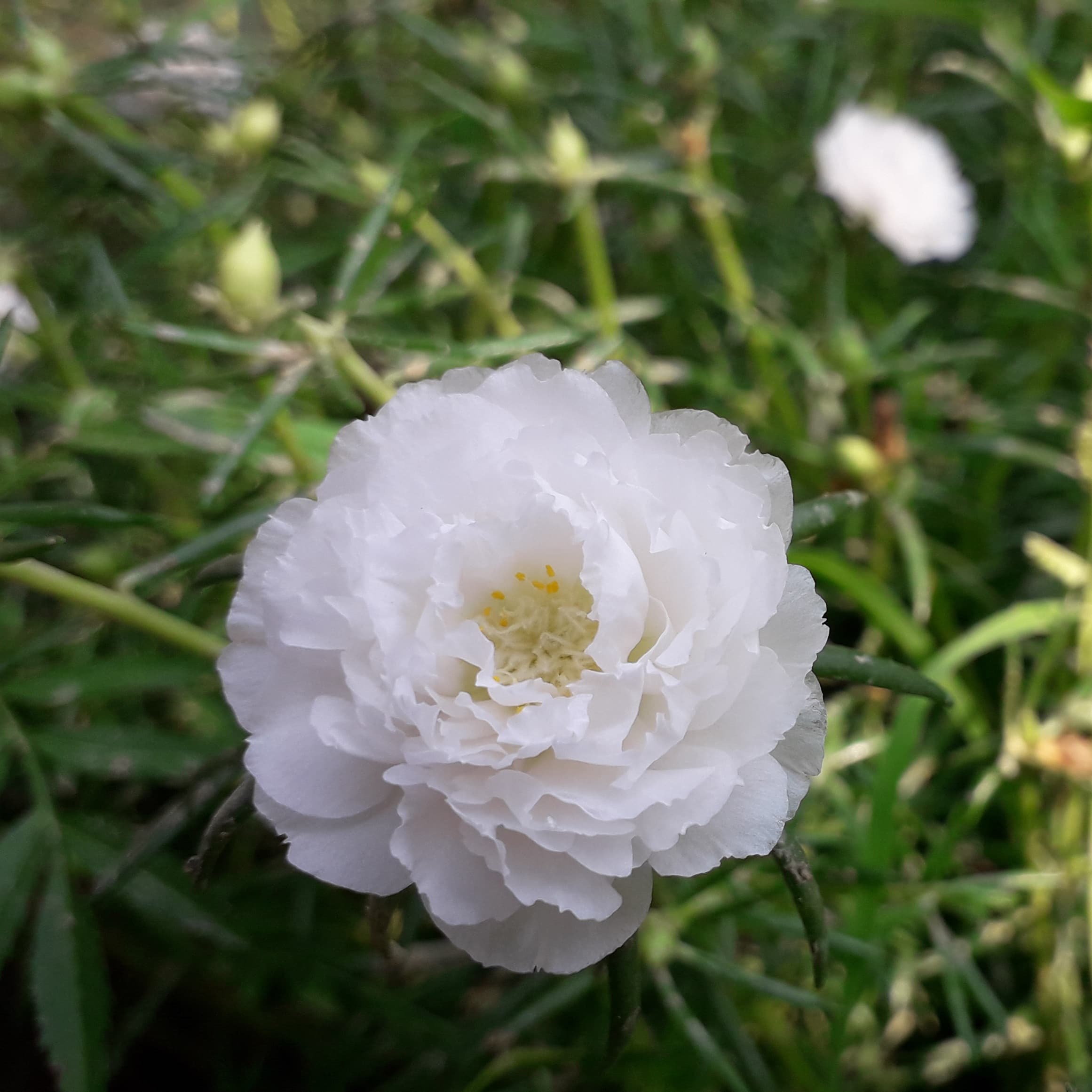 Moss Rose
 New Dawn Climbing Rose
 Paper Birch
 Peace Hybrid Tea Rose
 Pinyon Pine
 Quaking Aspen
 Queen Elizabeth Grandiflora Rose
 Red Alder
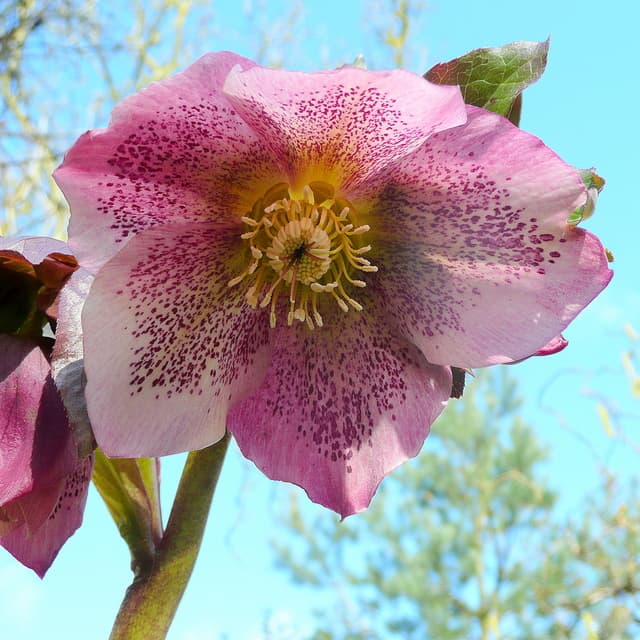 Royal Heritage Lenten Rose
 Sassafras
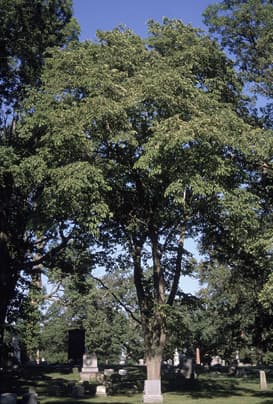 Slippery Elm
 Sugar Maple
 Sweet Chariot Miniature Rose
 Western Red Cedar
 White Ash
 White Willow
 Witch Hazel
For educational and informational purposes only. Pest control advice is general guidance drawn from university cooperative extension sources; always identify a pest positively and read and follow the label on any product before use, especially around food crops, children, and pets.