Bulb Mite
Rhizoglyphus and Tyrophagus species
Tiny, shiny, bulb-shaped mites that feed in clusters on the roots and basal plate of onions, garlic, and many flower bulbs, especially in cool, wet soil and in storage. They both feed directly and open the door to rot, so they are a frequent cause of poor stands and of bulbs that decay before or after harvest.
🔎 How to spot it
Bulb mites are very small, about half a millimeter to a millimeter long, shiny and creamy white with a bulbous body and purplish-brown legs and mouthparts, and they occur in dense clusters. They are usually found under the root plate of an onion bulb or among the cloves of a garlic head, in damaged or rotting tissue. A hand lens is needed to see them clearly.
🥀 Damage it causes
The mites rasp the roots and basal plate, stunting or killing seedlings, thinning the stand, and causing transplants to grow poorly. By wounding the bulb and feeding in damaged tissue they let in rot organisms, so they greatly worsen decay both in the ground and in storage. Damage is worst in cool, wet conditions when plant growth is slow and the mites build up.
🛡️ Prevent it
Plant only clean, sound seed cloves and bulbs, since the mites are often carried on infested planting stock. Rotate away from onions and garlic for several years and avoid planting into fresh, undecomposed organic matter or crop residue, which feeds mite buildup. A pre-plant hot-water treatment of garlic seed cloves can reduce mites, and good drainage and warm planting conditions help the crop outgrow them.
🧯 If it is already here
There is no easy rescue once mites are established in a bulb, so the controls are cultural: discard infested planting stock, rotate, and let crop residue break down well before replanting. Cure and clean bulbs before storage and keep storage cool and dry with low humidity to stop mites and rot from spreading. Hot-water clove treatment before planting is the most useful direct measure for garlic.
💡 Good to know
Because bulb mites both cause and ride along with rot, the rot alone often gets the blame; finding the clustered, pearly mites under the root plate confirms them. They thrive on decaying matter, so planting into freshly tilled-under residue or manure can set up an infestation. Clean seed stock and a long rotation are the backbone of control.
🌱 Plants it attacks
38 plants in the library can be attacked by this pest
 Angelique Tulip
 Apeldoorn Tulip
 Bengal Tiger Canna
 Cipollini Onion
 Common Chives
 Delft Blue Hyacinth
 Dutch Master Daffodil
 Egyptian Walking Onion
 Elephant Garlic
 Flower Record Crocus
 Garden Gladiolus
 Garlic Chives🧄German Extra Hardy Garlic
 Globemaster Allium
 Grape Hyacinth🧄Inchelium Red Garlic🧄Killarney Red Garlic
 Kohala Longan
 Leek
Leek Loropetalum
 Lucifer Crocosmia
 Music Hardneck Garlic
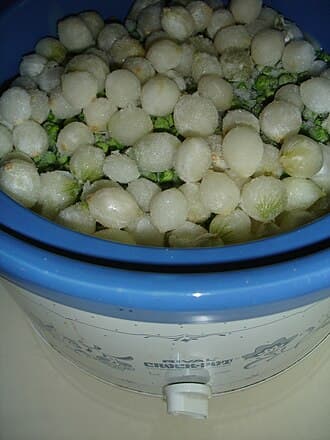 Pearl Onion🧅Red Onion
 Saffron Crocus
 Scallion
 Shallot
 Softneck Garlic🧅Spanish Onion🧄Spanish Roja Garlic
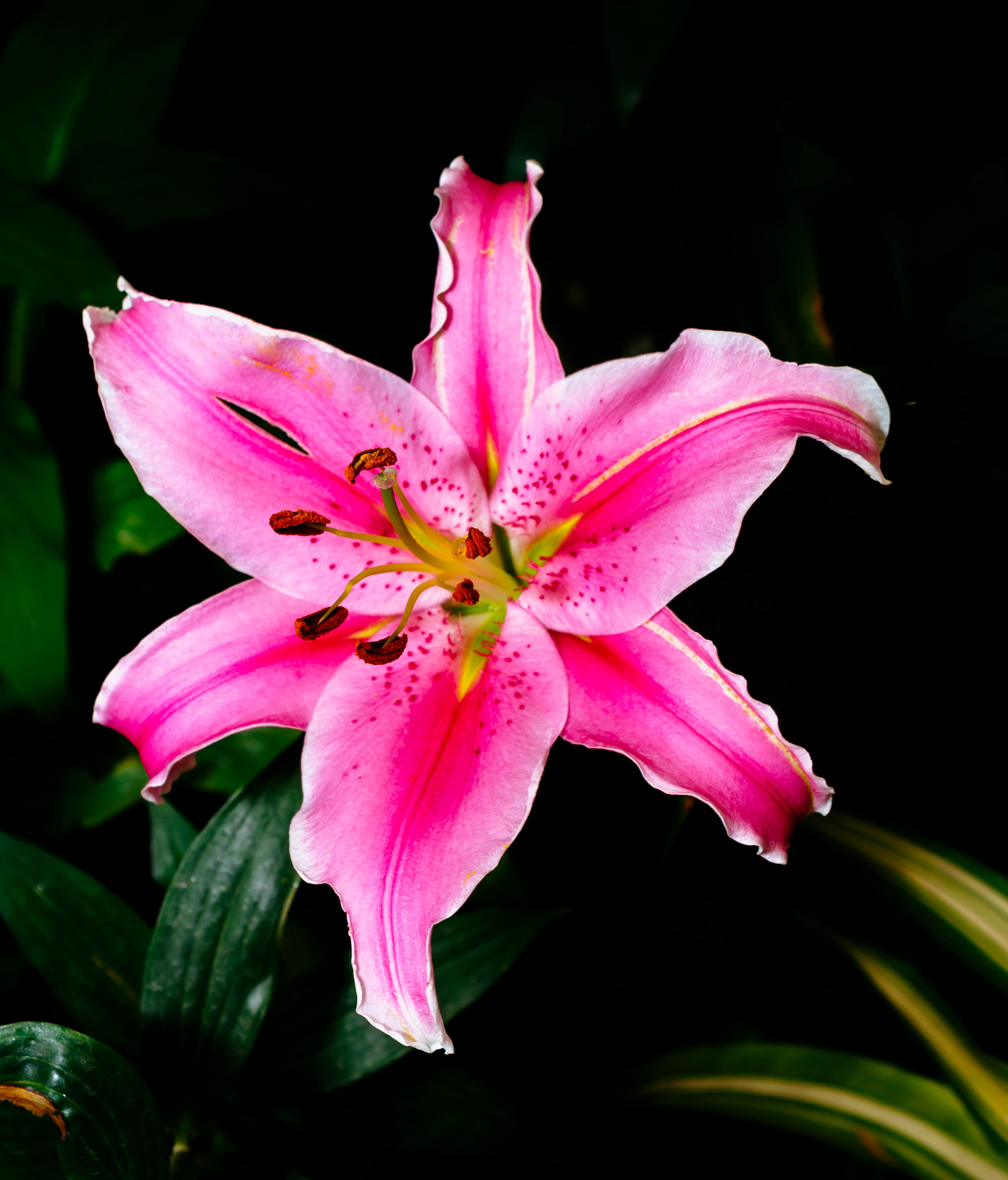 Stargazer Oriental Lily
 Stella de Oro Daylily
 Superstition Bearded Iris
 Vidalia Sweet Onion🧅Walla Walla Sweet Onion
 White Giant Calla Lily
 White Onion
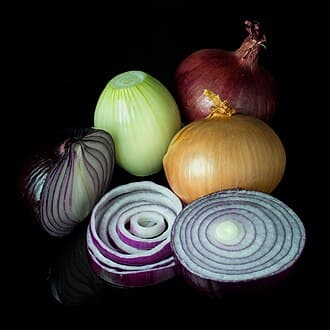 Yellow Sweet Onion
For educational and informational purposes only. Pest control advice is general guidance drawn from university cooperative extension sources; always identify a pest positively and read and follow the label on any product before use, especially around food crops, children, and pets.