
Chinch Bugs
Blissus species
Tiny sap-sucking insects that brown out sunny patches of lawn in the heat of summer. Chinch bugs feed on the base of grass plants, injecting a toxin as they suck sap, and in hot, dry weather their numbers explode, leaving expanding patches of dead, drought-looking turf that does not green up with watering.
🔎 How to spot it
Adults are small, about an eighth inch, black with white wings folded over the back and a black triangular mark, while the young nymphs are tiny and brick-red with a white band, later turning gray-black. They are easy to miss in the thatch. Look for irregular patches of yellowing, then dead, brown grass spreading in open, sunny areas in July and August. A coffee-can or soapy-water flush brings them to the surface.
🥀 Damage it causes
Chinch bugs suck sap from the crowns and stems of grass and inject a toxin that clogs the plant, so the turf yellows, wilts, and dies in expanding patches that look like drought but do not recover with water. Damage is worst in hot, dry summers and in sunny, thatchy lawns, where they can reach a few hundred per square foot.
🛡️ Prevent it
Reduce thatch, which shelters the bugs, through proper mowing, watering, and aeration, and avoid over-fertilizing, which builds thatch. Keep the lawn well watered in summer heat, since drought stress favors chinch bug damage, and grow endophyte-enhanced grasses such as tall fescue, fine fescue, and perennial ryegrass, which resist the bugs. Encourage natural predators like big-eyed bugs.
🧯 If it is already here
Confirm the bugs first with a flush test, since the damage mimics drought. Watering deeply and reducing thatch suppress light infestations. Where populations are high and turf is dying, treat the affected and surrounding areas; insecticidal soaps and labeled lawn insecticides give control, applied when nymphs are active. Endophytic grasses give the most durable, long-term answer.
💡 Good to know
Chinch bug damage is routinely mistaken for drought, so the flush test, parting the grass at the edge of a dying patch to find the bugs, is the key diagnostic step before treating. They thrive in hot, sunny, thatchy lawns, so the cultural fixes that reduce thatch and stress do double duty as prevention.
🌱 Plants it attacks
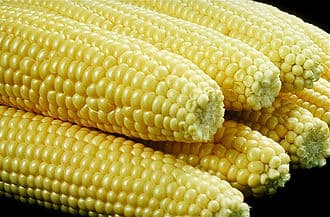
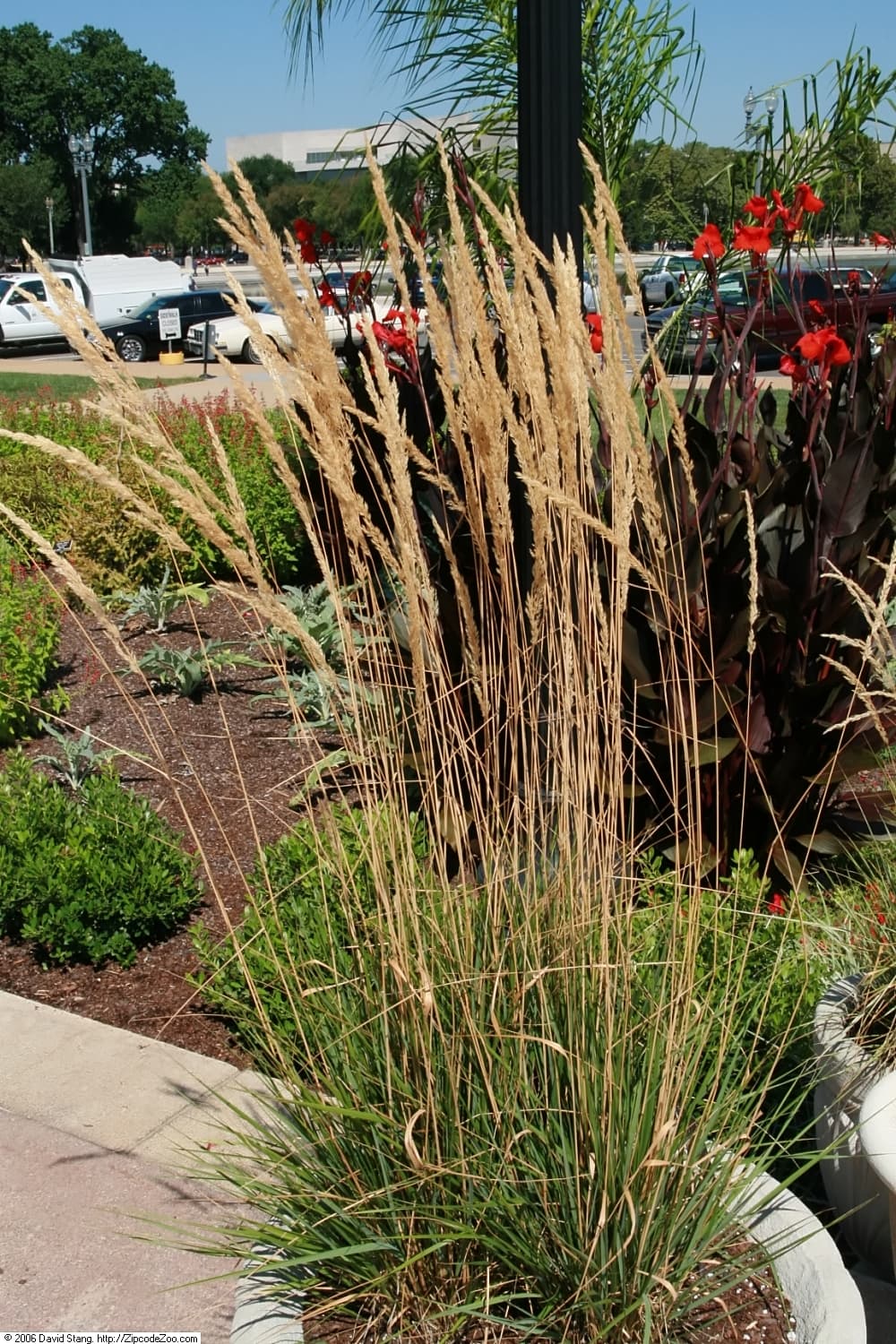
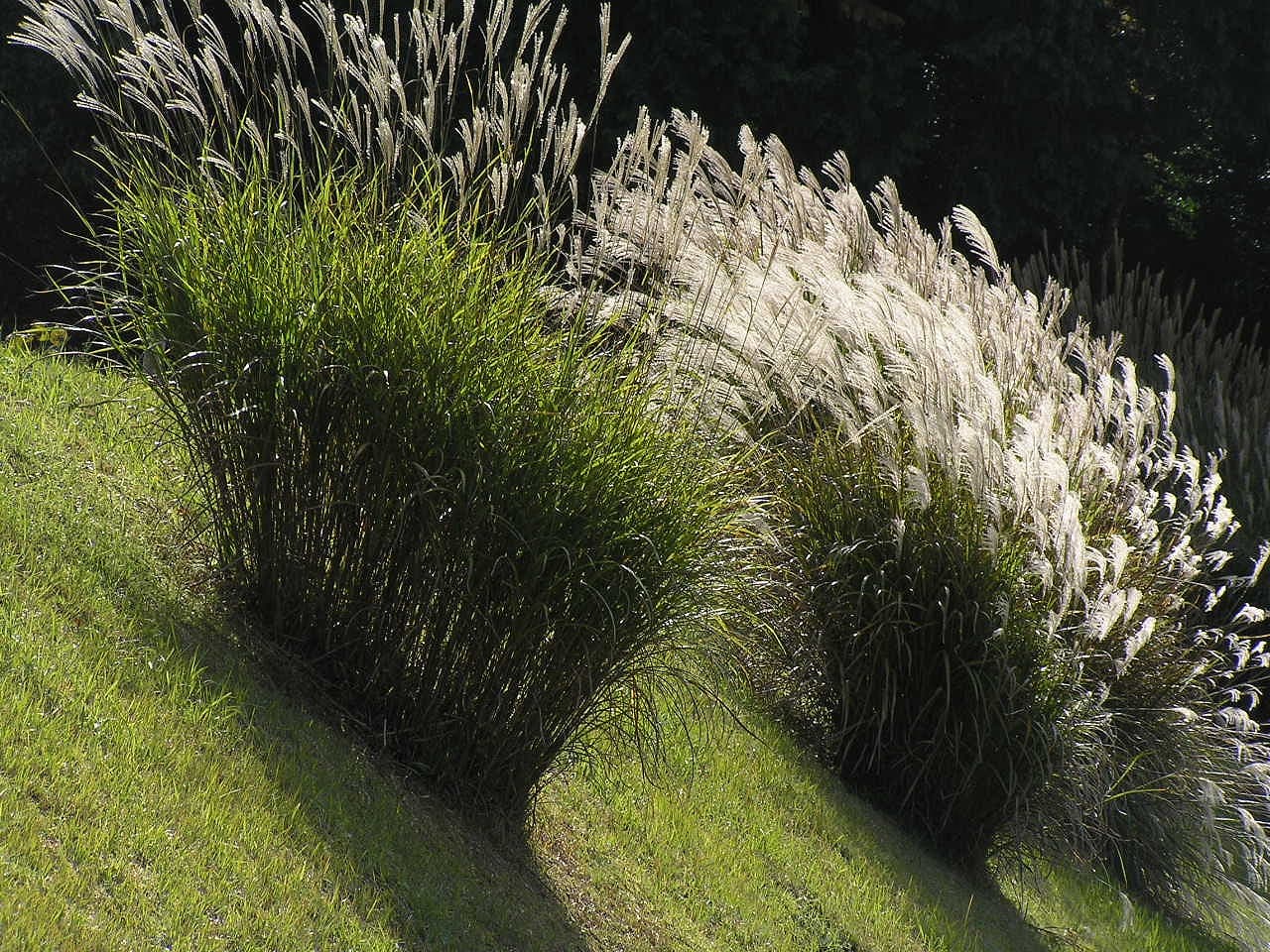
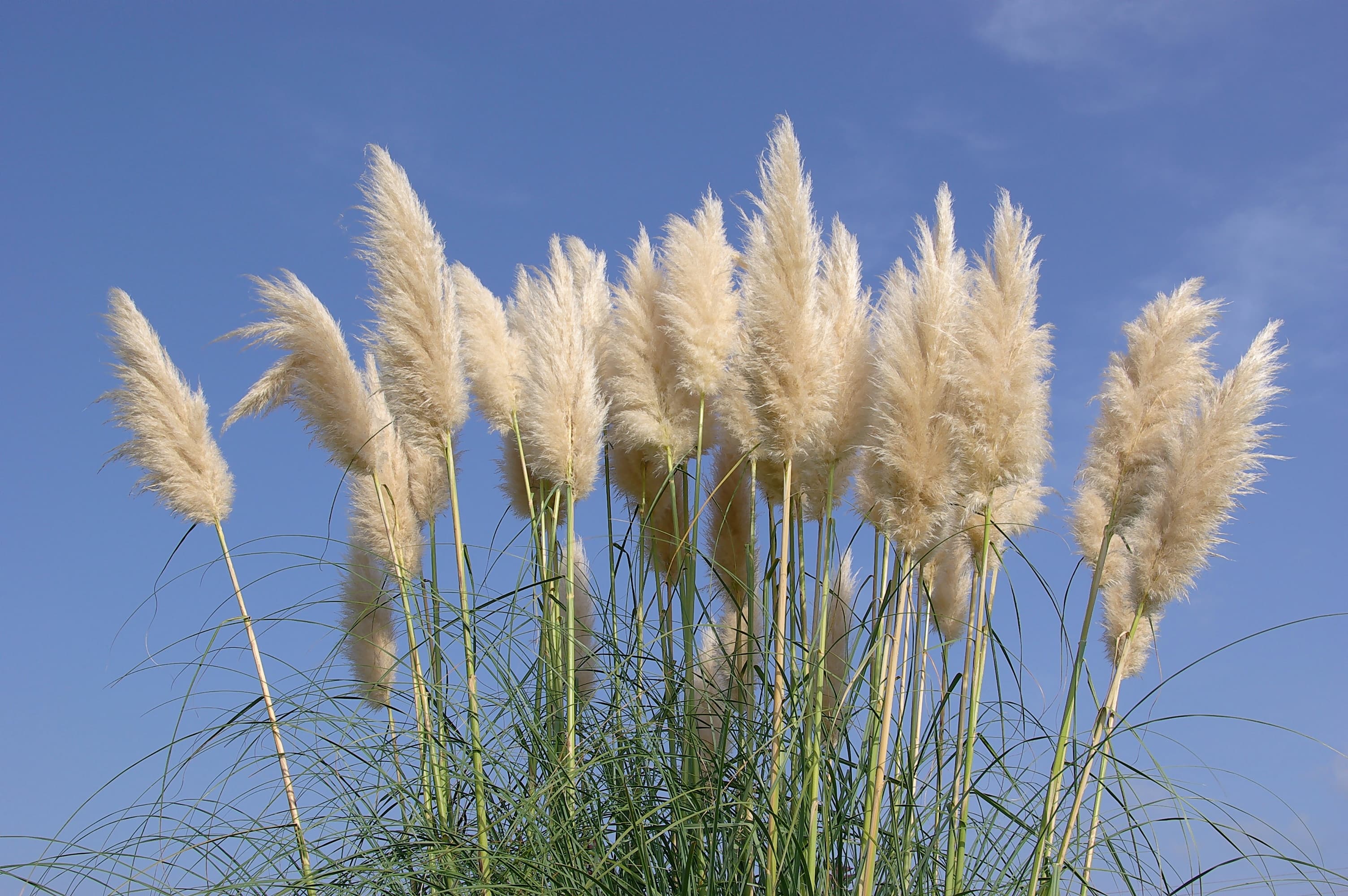
12 plants in the library can be attacked by this pest




For educational and informational purposes only. Pest control advice is general guidance drawn from university cooperative extension sources; always identify a pest positively and read and follow the label on any product before use, especially around food crops, children, and pets.