
Dogwood Borer
Synanthedon scitula
A small clearwing moth, a wasp mimic as an adult, whose larvae bore under the bark of dogwood, apple, and several other trees, entering through wounds and rough bark. Sustained tunneling can girdle and kill branches or whole trees.
🔎 How to spot it
The adult is a small clearwing moth with a wingspan of about an inch and a black-and-yellow pattern that makes it look like a wasp. The larvae are white to light pink, about half an inch long, with a dark brown head. The first sign is reddish-brown, crumbly frass pushed out on the bark, often near wounds, pruning cuts, or rough burr knots.
🥀 Damage it causes
Larvae bore in the cambium under the bark, entering through wounds, cracks, and rough bark or burr knots, and their feeding can girdle and kill branches or trunks. A branch whose leaves redden prematurely in midsummer is an early clue. Trees usually decline only after several years of continued infestation.
🛡️ Prevent it
Avoid wounding trunks and lower branches, since wounds and pruning cuts are the main entry points, and do not prune during the summer flight when moths are laying eggs. Keep trees vigorous with regular watering and fertilizing. Painting the lower trunk with white latex before egg laying can reduce attacks, and Kousa dogwood is notably resistant.
🧯 If it is already here
Time a residual insecticide bark spray to peak adult flight, wetting all surfaces of the lower trunk and any burr knots thoroughly; a single well-timed application often suffices, with a follow-up if pressure is high. Pheromone traps placed about four feet high help time the spray. There is no rescue once larvae are deep in the wood.
💡 Good to know
Adults can be found from May through September, and the borer overwinters as a nearly mature larva in its gallery. Besides dogwood, it attacks apple, pecan, elm, hickory, and willow, and is especially common on stressed or wounded trees. Apple on dwarf rootstocks with exposed burr knots is particularly prone.
🌱 Plants it attacks
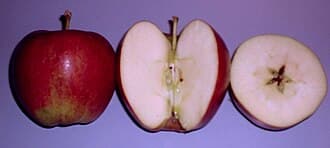
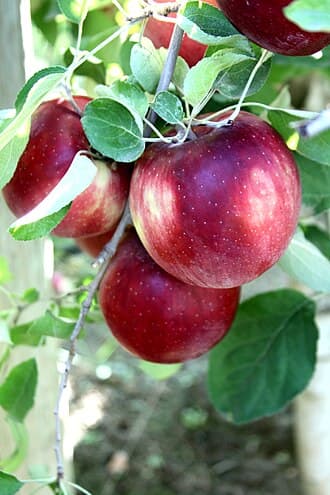
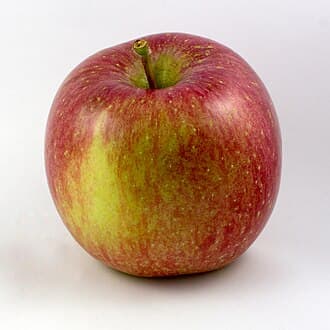
17 plants in the library can be attacked by this pest






For educational and informational purposes only. Pest control advice is general guidance drawn from university cooperative extension sources; always identify a pest positively and read and follow the label on any product before use, especially around food crops, children, and pets.