
Parsleyworm
Papilio polyxenes
The bright green, black-banded caterpillar of the eastern black swallowtail butterfly, which feeds on the leaves of parsley, dill, fennel, carrot tops, and other members of the carrot family. Many gardeners tolerate it because it grows into a prized native butterfly, but a few large caterpillars can strip a small herb planting fast.
🔎 How to spot it
Young caterpillars are mottled black and white and resemble bird droppings. Mature caterpillars grow up to two inches long and are smooth green with a black band across each segment, each band dotted with yellow or orange spots. When disturbed, the caterpillar everts a pair of orange, fleshy horns called an osmeterium that give off a strong smell to deter predators. The adult is a black swallowtail butterfly marked with rows of yellow spots.
🥀 Damage it causes
The caterpillars chew the foliage of parsley, dill, fennel, carrot tops, celery, and parsnip. Small larvae cause almost no noticeable damage, but each stage eats far more than the last, so a few large caterpillars can defoliate a clump of parsley or dill in a few days. They feed on leaves rather than roots or pods, so the harm is to the leafy crop and the look of the planting.
🛡️ Prevent it
Because this caterpillar becomes a desirable native butterfly, the gentlest approach is to grow extra parsley, dill, or fennel as a sacrificial patch and move caterpillars there. Row cover over carrots and parsley keeps the egg-laying females off crops where the foliage is the harvest. Scout plants regularly so you spot the small larvae before they grow large.
🧯 If it is already here
Handpicking is the simplest control on a few plants, since the caterpillars are large and easy to see and can be relocated to a sacrificial host or a wild carrot-family plant rather than killed. If numbers are high, Bacillus thuringiensis (Bt) kills the caterpillars while sparing most other insects. Reserve broad-spectrum insecticides for severe cases, since they also kill the butterfly.
💡 Good to know
Many gardeners welcome the parsleyworm and grow a few host plants just to raise black swallowtails. Because it feeds only on the carrot family, a little planted surplus usually satisfies both the gardener and the butterfly. The orange horns it waves when poked are a harmless bluff, not a sting.
🌱 Plants it attacks
32 plants in the library can be attacked by this pest
 Anise🥕Atomic Red Carrot🥕Bolero Carrot
 Caraway
 Celeriac
 Chantenay Carrot
 Chervil
 Cosmic Purple Carrot
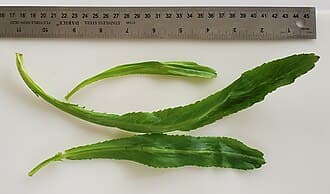 Culantro
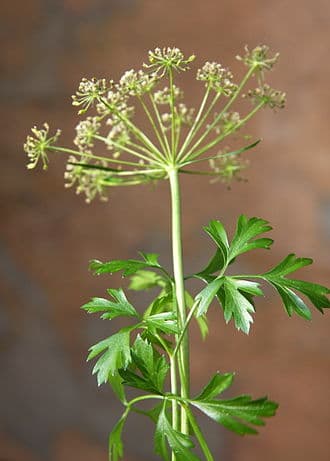 Curly Parsley
 Danvers Carrot
 Dill
Dill Dragon Carrot
 Florence Fennel
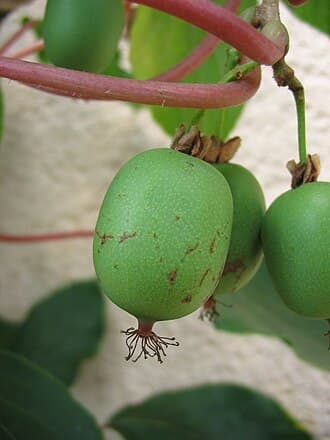 Hardy Kiwi
 Imperator Carrot
 Italian Flat-Leaf Parsley
 Licorice
 Lovage
 Meadow Rue🥕Mokum Carrot
 Moringa
 Nantes Carrot🥕Paris Market Carrot
 Parsnip
 Possum Purple Passion Fruit
 Sea Kale
 Slow-Bolt Cilantro
 Stinging Nettle
 Tall Utah Celery
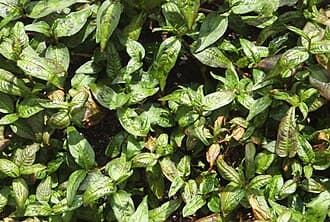 Vietnamese Coriander🥕White Satin Carrot
For educational and informational purposes only. Pest control advice is general guidance drawn from university cooperative extension sources; always identify a pest positively and read and follow the label on any product before use, especially around food crops, children, and pets.