
Green Fig Beetle
Cotinis mutabilis
A large metallic green scarab beetle whose adults feed on ripe, soft fruit such as figs, often gathering on the fruit in noisy clusters in late summer. The grubs live in compost and rich organic matter and do not harm plants, so the damage is from the fruit-feeding adults.
🔎 How to spot it
The adult is a large beetle three quarters to about one and one third inches long, mostly metallic green on top with brown or tan along the outer margins of the wing covers and bright metallic green underneath. The grublike larvae are brownish to dirty white, grow up to two inches long, have short brown legs, and feed beneath the surface of organic matter. The big green beetles aggregating on ripe fruit are unmistakable.
🥀 Damage it causes
Adults chew into maturing soft fruit and damage it further by aggregating on it while mating, so figs, caneberries, grapes, peaches, plums, and apricots can be eaten or fouled. They are drawn to already ripe, overripe, or split fruit, which they hollow and contaminate. The larvae, by contrast, feed harmlessly on decaying organic matter and do not injure plant roots.
🛡️ Prevent it
Thinly spread or remove piles of compost, lawn clippings, leaves, and manure near fruit trees, since these are where the grubs develop. Harvest fruit promptly as it ripens and pick up and dispose of overripe and fallen fruit that attracts and feeds the adults. Reducing breeding sites and ripe-fruit attractants is the main defense.
🧯 If it is already here
Hang bait traps using a one-to-one mix of grape or peach juice and water in a container so the beetles are drawn in and drown, and net or bag prized fruit to protect it. Handpicking the slow, conspicuous adults from fruit also helps in a small planting. Sprays are seldom warranted because the adults are mobile and the grubs are beneficial decomposers.
💡 Good to know
The green fig beetle goes through egg, larva, pupa, and adult, overwinters as larvae, and has one generation a year. It overlaps with sap beetles on fallen, fermenting fruit, both drawn to the sugary, yeasty smell. Because the larvae are decomposers, managing the adults and cleaning up ripe fruit is the whole of control.
🌱 Plants it attacks
21 plants in the library can be attacked by this pest
 Beach Plum
 Black Raspberry
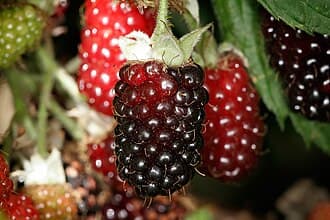 Boysenberry
 Brown Turkey Fig
 Catawba Grape
 Chicago Hardy Fig
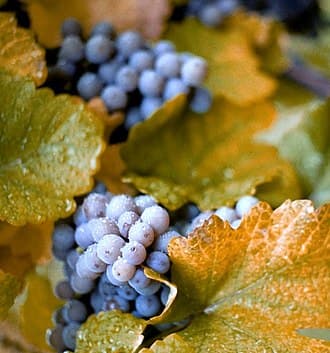 Concord Grape
 Contender Peach
 Damson Plum
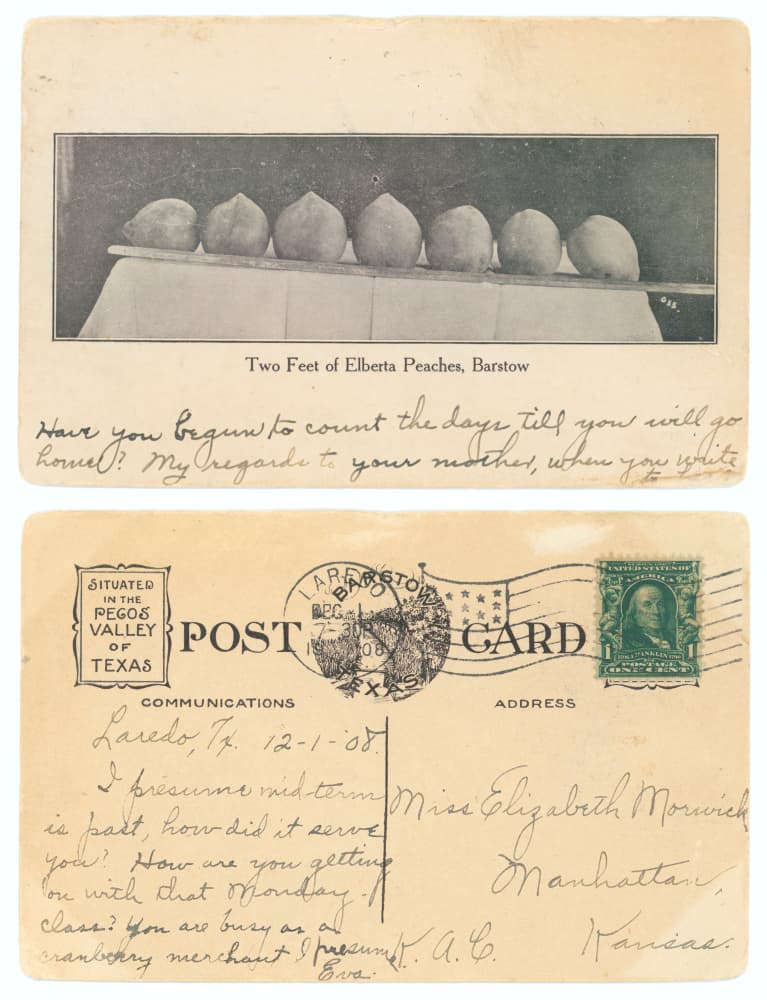 Elberta Peach
 Fantasia Nectarine
 Heritage Raspberry
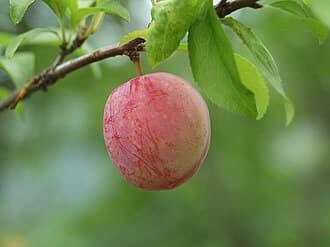 Methley Plum
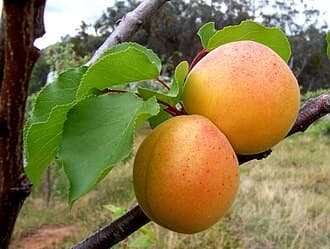 Moorpark Apricot
 Muscadine Grape
 Niagara Grape
 Oregon Grape
 Redhaven Peach
 Stanley Plum
 Thompson Seedless Grape
 Triple Crown Blackberry
For educational and informational purposes only. Pest control advice is general guidance drawn from university cooperative extension sources; always identify a pest positively and read and follow the label on any product before use, especially around food crops, children, and pets.