
Bottom Rot
Rhizoctonia solani
A soilborne fungal disease of lettuce that rots the lower leaves and the base of the head where they touch the ground. Bottom rot is most damaging as lettuce nears maturity, when the fungus spreads from the soil into the wrapper leaves and can collapse the whole head, often just before harvest.
🔎 How to spot it
It starts as small rust-colored to brown, sunken spots on the underside of the lower leaf midribs and stems that touch the soil. The spots enlarge and run together into a slimy brown rot at the base of the plant, sometimes with a brown ooze and, in damp weather, a sparse brown web of fungal threads. The damage is most obvious at heading, when lower leaves brown and rot.
🥀 Damage it causes
The fungus rots the bottom leaves and the base of the head, so growers must strip off spoiled wrapper leaves, cutting quality and yield, and badly affected heads collapse into a brown, slimy mass and are lost. Because it strikes near maturity, the loss often comes right at harvest. Wet conditions can rot heads quickly once it starts.
🔬 What causes it
Bottom rot is caused by the common soil fungus Rhizoctonia solani, which survives in the soil and in plant debris and attacks the parts of the plant resting on or near the ground. It is favored by warm, wet conditions, dense plantings, and soil splashed up onto the lower leaves, and by fields with a lot of undecomposed crop residue.
🛡️ Prevent it
Grow lettuce in well-drained soil or on raised beds so the lower leaves stay drier and off the wet ground, and space plants for good air movement. Avoid planting into beds full of undecomposed residue, rotate with non-host crops such as sweet corn or onions, and water at the base in the morning so foliage dries quickly. Choose more upright varieties that hold their leaves off the soil.
🧯 If it is already here
There is no cure for a rotted head; remove and destroy affected plants and strip spoiled outer leaves, and harvest promptly once heads mature so they do not sit in the field and rot. Improve drainage and airflow for the next crop and lengthen the rotation. Preventive fungicides exist for serious or repeated problems, applied early around thinning, but cultural steps are the foundation.
💡 Good to know
Because the fungus comes up from the soil, anything that keeps the lower leaves dry and off the ground, such as raised beds, wider spacing, and upright varieties, prevents much of the damage. The disease is most dangerous right at harvest, so timely cutting limits losses. Rhizoctonia also causes damping-off of seedlings in the same soil.
🌱 Plants it affects
45 plants in the library can be affected by this problem
 Arugula🥬Bibb Lettuce🥬Black Seeded Simpson Lettuce
 Bloomsdale Spinach
 Buttercrunch Lettuce
 Chicory
 Collard Greens
 Dandelion
 Endive
 Frisée
 Green Cabbage
 Green Leaf Lettuce
 Iceberg Lettuce
 January King Cabbage
 Lamb's Quarter🥬Little Gem Lettuce🥬Lollo Rossa Lettuce
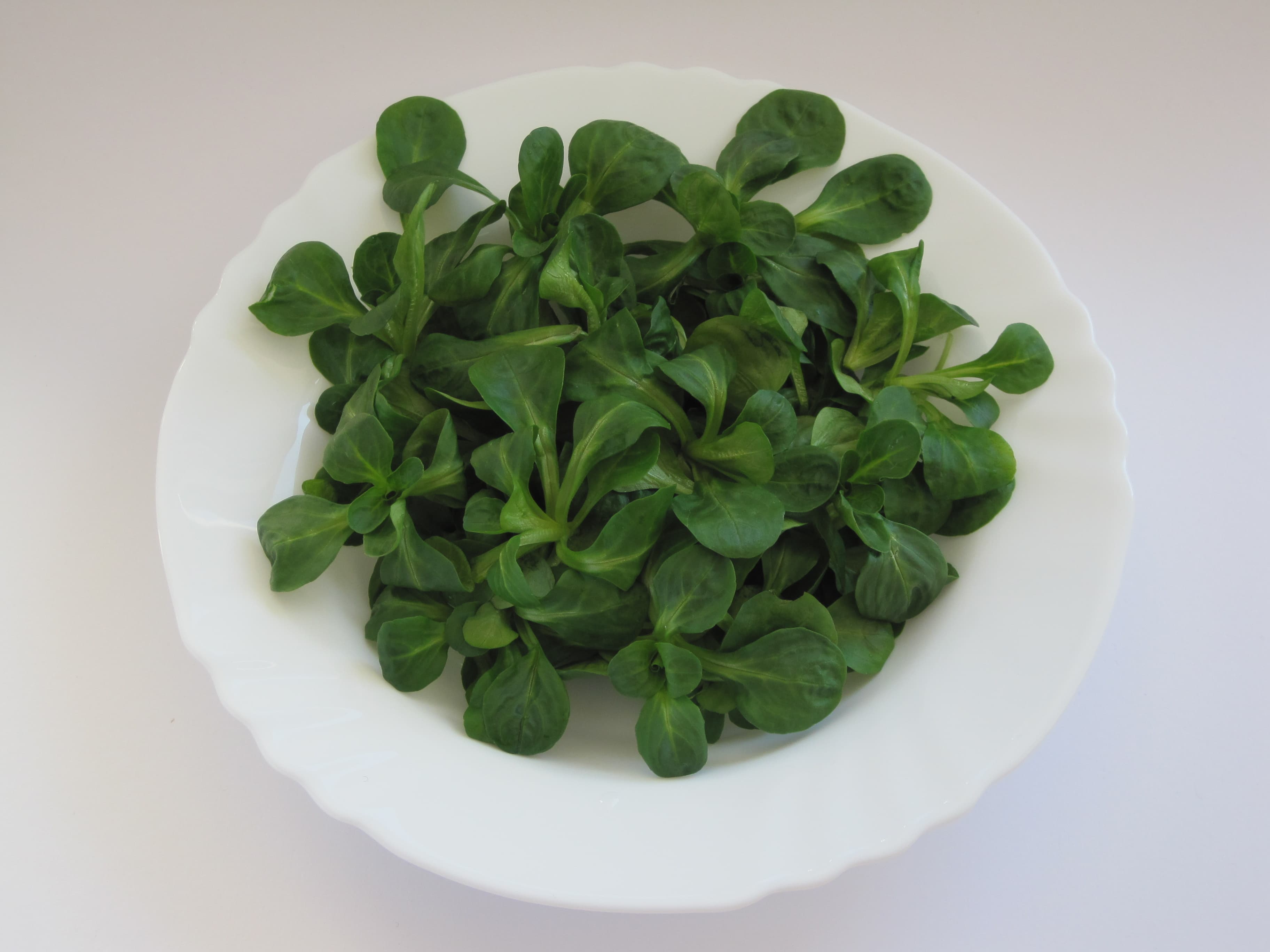 Mâche
Mâche Malabar Spinach
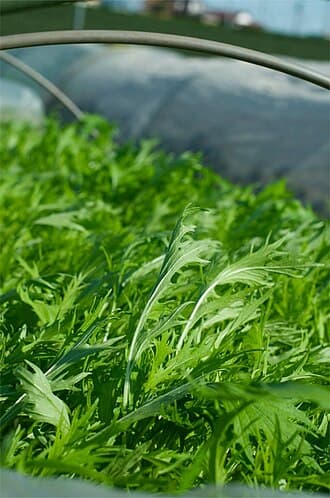 Mizuna
 Mustard Greens
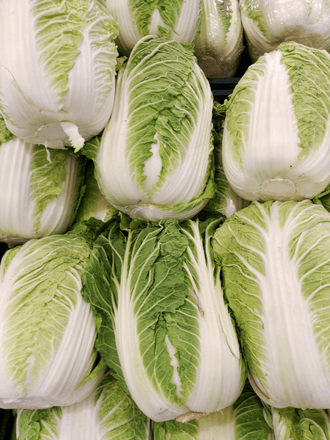 Napa Cabbage
 New Zealand Spinach🥬Oakleaf Lettuce
 Orach
Orach Purslane
 Radicchio🥕Rainbow Carrot Mix
 Rainbow Chard
 Red Cabbage
 Red Leaf Lettuce
 Romaine Lettuce🥬Salad Bowl Lettuce
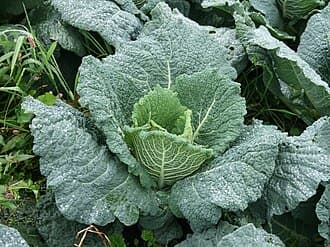 Savoy Cabbage
 Sorrel🥬Space Spinach
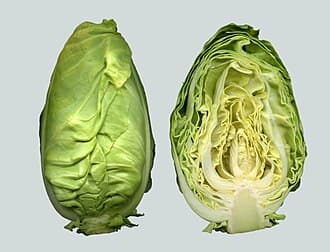 Sweetheart Cabbage
 Swiss Chard
 Tatsoi
 Turnip Greens🥬Tyee Spinach
 Watercress
 White Mustard
 Wild Lettuce
 Yellow Dock
For educational and informational purposes only. Disease management advice is general guidance drawn from university cooperative extension sources; always identify a problem positively and read and follow the label on any product before use, especially around food crops, children, and pets.