
Gummy Stem Blight
Stagonosporopsis species
A fungal disease of cucurbits that blights leaves and stems and then rots the fruit, oozing gummy amber droplets from cankers on the vines. Known as gummy stem blight on the foliage and black rot on the fruit, it hits melons, cucumbers, squash, and pumpkins, especially in warm, wet weather, and rides in on seed.
🔎 How to spot it
Look for browning that starts at the leaf edges and spreads inward, and for dark, water-soaked cankers on the main stems and crowns that ooze a red to amber gummy liquid. On the fruit, watch for water-soaked spots that turn completely black as they rot, the black-rot stage. Tiny black fungal dots often pepper the older lesions.
🥀 Damage it causes
Stem cankers can girdle and kill vines, and leaf blight defoliates the plant, while the black-rot stage rots fruit in the field and in storage. A bad case in warm, wet weather can collapse a planting and spoil much of the harvest, with the fruit rot continuing after picking.
🔬 What causes it
Gummy stem blight is caused by Stagonosporopsis fungi, long grouped under the name Didymella bryoniae, which overwinter on crop debris and ride in on infected seed. Spores spread by wind, splashing rain, and overhead watering and enter through wounds and pores. Warm, wet, humid weather and prolonged leaf wetness strongly favor it.
🛡️ Prevent it
Start with clean or treated seed and rotate cucurbits so two or more years pass before they return to a spot. Use drip rather than overhead irrigation, space and trellis for airflow, and avoid handling wet vines. Clean up and destroy crop debris at season end, and grow resistant varieties of watermelon, melon, and squash where available.
🧯 If it is already here
There is no cure for badly infected plants, so remove and destroy affected vines and fruit and keep the foliage dry. On a valued crop, protectant fungicides applied early and repeated in wet weather can slow it; follow the label and rotate products. Clean seed, rotation, and debris cleanup prevent far more than spraying after the fact.
💡 Good to know
The amber gum oozing from dark stem cankers is the signature that names the disease, and the same fungus causes the black rot that ruins the fruit. Because it is seed-borne and survives on debris, clean seed, rotation, and end-of-season cleanup are the foundation of control, with fungicides only a supplement in wet years.
🌱 Plants it affects
49 plants in the library can be affected by this problem
 Acorn Squash
 Armenian Cucumber
 Atlantic Giant Pumpkin
 Bitter Melon
 Black Beauty Zucchini🍉Black Diamond Watermelon🥒Boston Pickling Cucumber
 Buttercup Squash
 Butternut Squash
 Cantaloupe
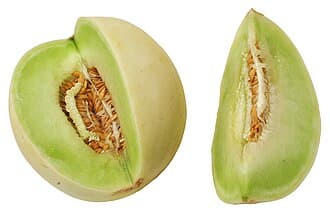 Casaba Melon
 Catawba Grape
 Charleston Gray Watermelon
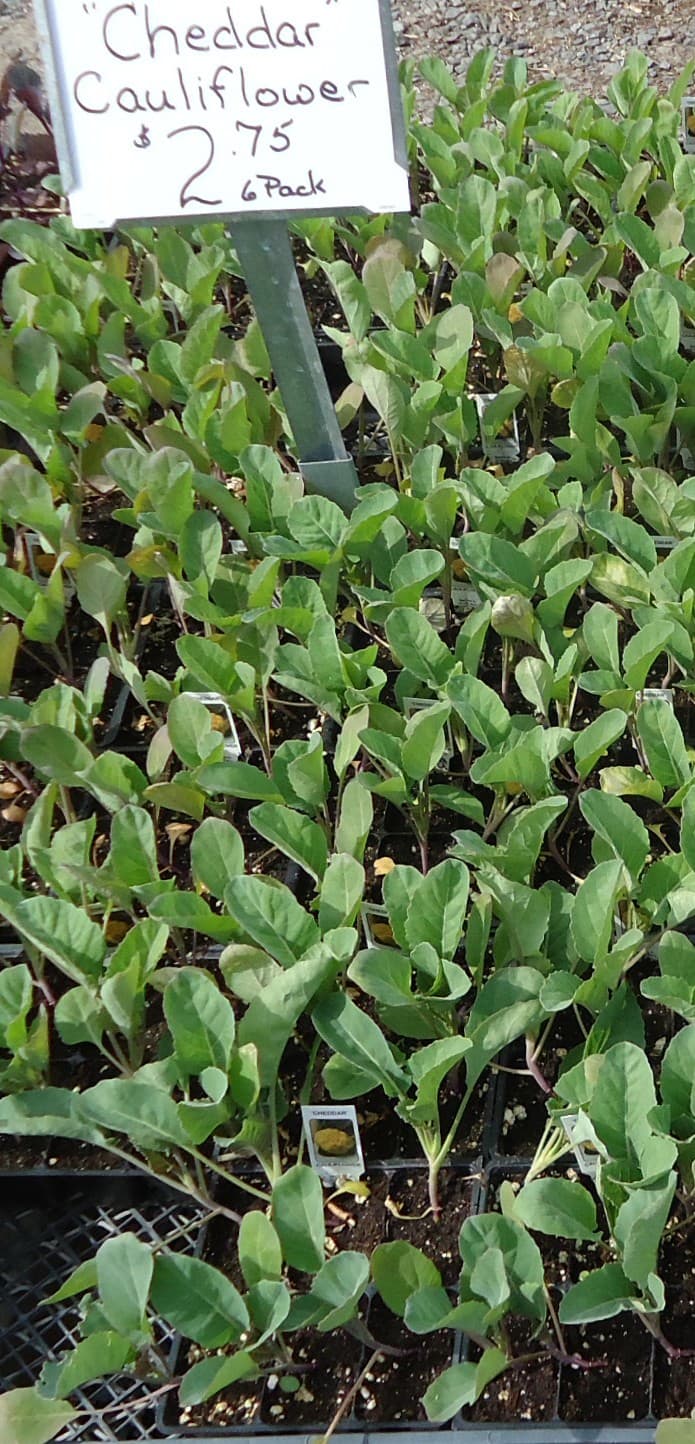 Cheddar Cauliflower
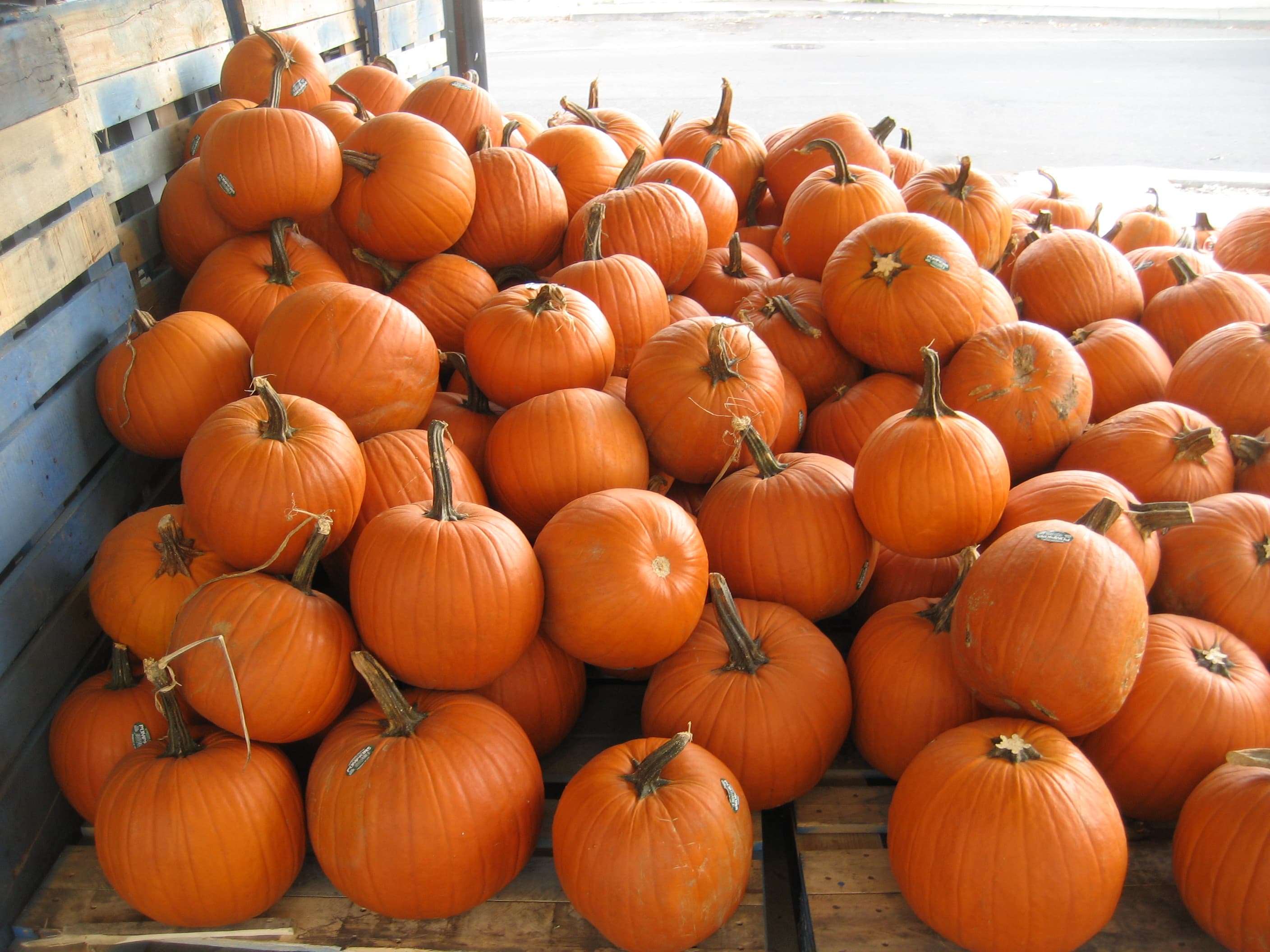 Cinderella Pumpkin
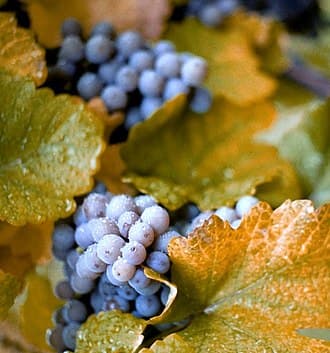 Concord Grape
 Costata Romanesco Zucchini
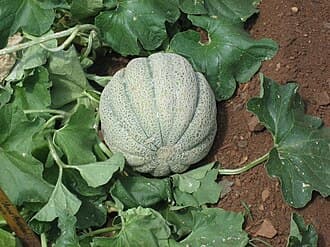 Crenshaw Melon
 Crimson Sweet Watermelon
 Delicata Squash🥒Diva Cucumber🥒English Cucumber
 Galia Melon
 Honeydew Melon
 Hubbard Squash
 Jack-O-Lantern Pumpkin🍉Jubilee Watermelon
 Kabocha Squash
 Kirby Cucumber
 Lemon Cucumber
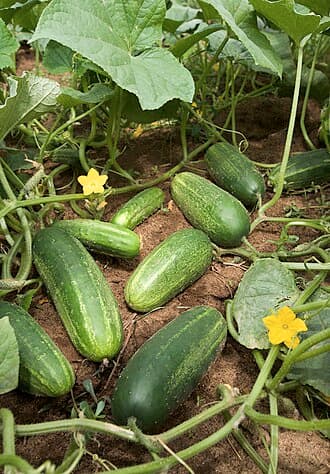 Marketmore Cucumber🍉Mini Love Watermelon🍉Moon and Stars Watermelon
 Muscadine Grape
 Niagara Grape🍉Orangeglo Watermelon
 Pattypan Squash
 Persian Cucumber
 Pickling Cucumber
 Spaghetti Squash
 Sugar Baby Watermelon🎃Sugar Pie Pumpkin
 Suyo Long Cucumber
 Thompson Seedless Grape
 Tromboncino Squash
 Winter Melon
 Yellow Crookneck Squash🍉Yellow Doll Watermelon
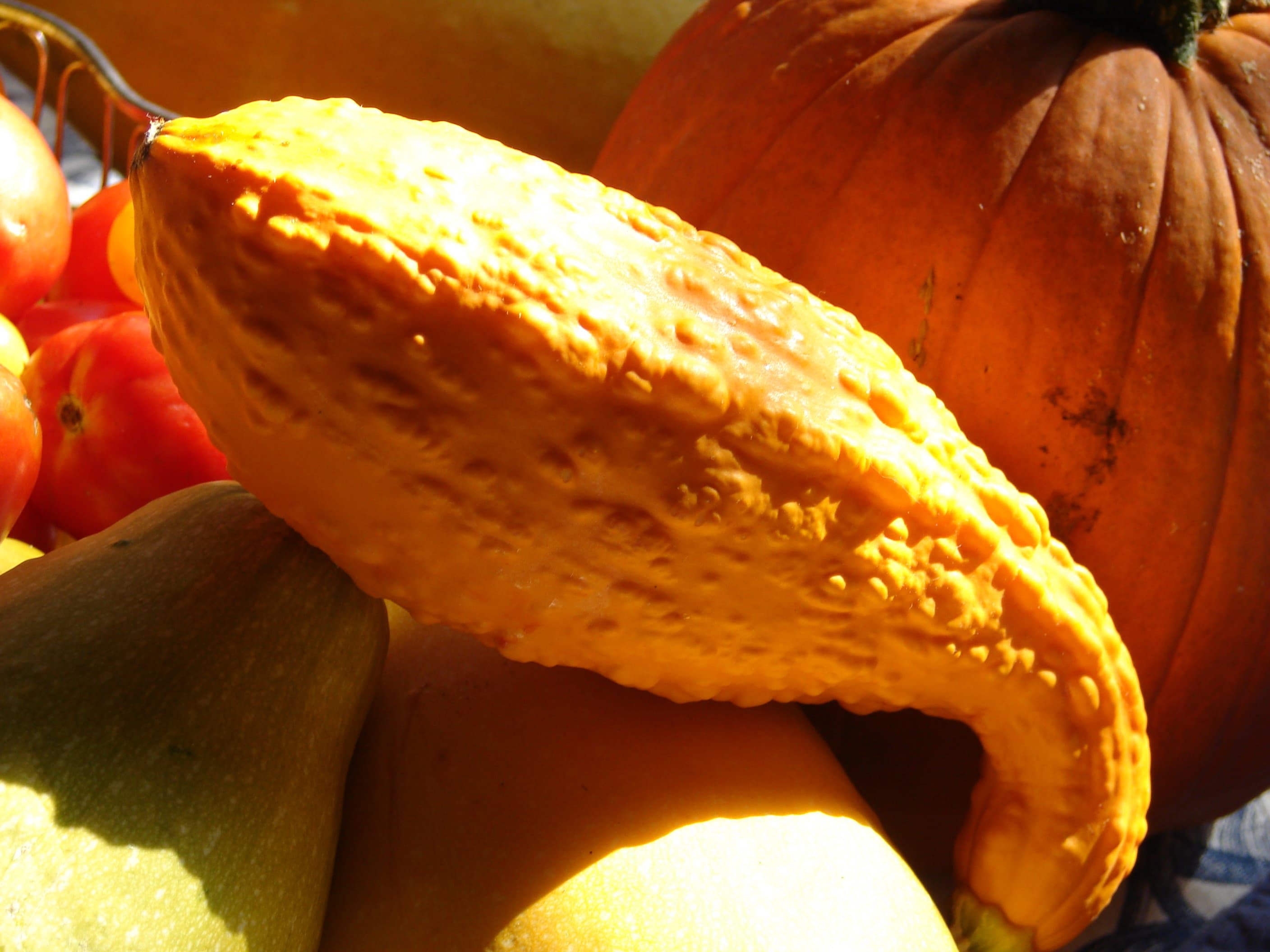 Yellow Summer Squash
For educational and informational purposes only. Disease management advice is general guidance drawn from university cooperative extension sources; always identify a problem positively and read and follow the label on any product before use, especially around food crops, children, and pets.