Hollow Heart
A physiological disorder, not a disease, in which a hollow cavity opens in the center of a fleshy root or tuber when it grows in uneven spurts. It is most familiar in potatoes but shows up in other fast-swelling crops such as celeriac and large radishes. The cavity is clean and sterile -- the plant simply outgrew its own center -- so it is a quality problem, not a rot.
🔎 How to spot it
Cut the root or tuber open to find a star-shaped or lens-shaped hollow in the middle. The cavity may be white and clean, which is hollow heart proper, or lined with brown dead tissue, which is called brown center and often forms first. There is nothing to see on the outside and no mold, slime, or smell -- the only way to find it is to slice the crop open.
🥀 Damage it causes
The hole and any brown lining are wasted and have to be cut away, and a badly hollowed root or tuber is downgraded or thrown out. Because nothing shows on the outside, hollow heart is mostly a quality and waste problem discovered at the cutting board, rather than a threat to the living plant or something that spreads to the rest of the crop.
🔬 What causes it
Hollow heart comes from an uneven growth rate: a burst of rapid growth after a check, when the inside of the root cannot keep up with the outside and the central cells die or pull apart. It is brought on by swings in conditions -- heavy watering or rain after a dry spell, cold soil below about 56 F for several days, over-wide spacing that produces oversized roots, and low potassium or uneven fertility. No insect or pathogen is involved and it does not spread.
🛡️ Prevent it
Aim for steady, even growth. Water consistently so the plants never lurch from bone-dry to soaked, keep spacing close enough that the roots do not size up too fast, feed evenly with enough potassium, and harvest at the right size instead of letting roots grow oversized. Where it recurs, choosing less susceptible varieties and planting once the soil has warmed both help.
🧯 If it is already here
There is nothing to spray or cure, since the cavity has already formed. Cut out the hollow and any brown tissue and the rest of the root or tuber is perfectly good to eat. Going forward, even moisture and proper spacing are the real fixes -- the disorder is a record of how the crop grew, not an active problem you can treat in place.
💡 Good to know
Affected roots and tubers are safe to eat: hollow heart does not change the taste or nutrition and is not harmful, so just trim out the cavity. The widest, fastest-grown specimens are the most likely to be affected, which is why the biggest potato or radish in the row is often the one with a hole in the middle.
🌱 Plants it affects
51 plants in the library can be affected by this problem
 Adirondack Blue Potato🥔All Blue Potato🥕Atomic Red Carrot
 Beauregard Sweet Potato🍉Black Diamond Watermelon🥕Black Spanish Radish🥕Bolero Carrot
 Bull's Blood Beet
 Burdock
 Celeriac
 Chantenay Carrot
 Charleston Gray Watermelon
 Cherry Belle Radish
 Chioggia Beet
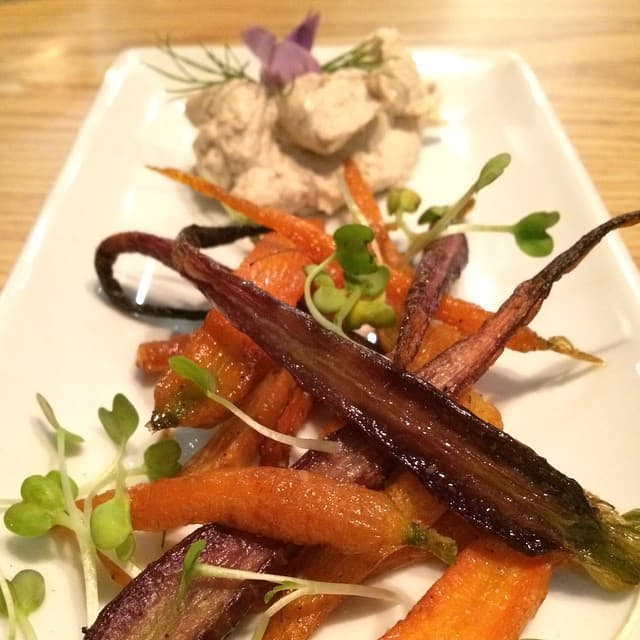 Cosmic Purple Carrot
 Crimson Sweet Watermelon
 Cylindra Beet
 Daikon Radish
 Danvers Carrot
 Detroit Dark Red Beet
 Dragon Carrot🌸Easter Egg Radish
 Fingerling Potato🥕French Breakfast Radish
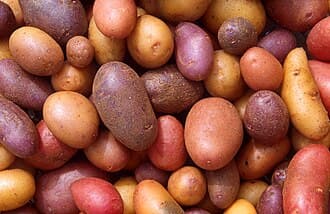 German Butterball Potato
 Golden Beet
 Hakurei Turnip
 Horseradish
 Imperator Carrot🍉Jubilee Watermelon
 Kennebec Potato🍉Mini Love Watermelon🥕Mokum Carrot🍉Moon and Stars Watermelon
 Nantes Carrot
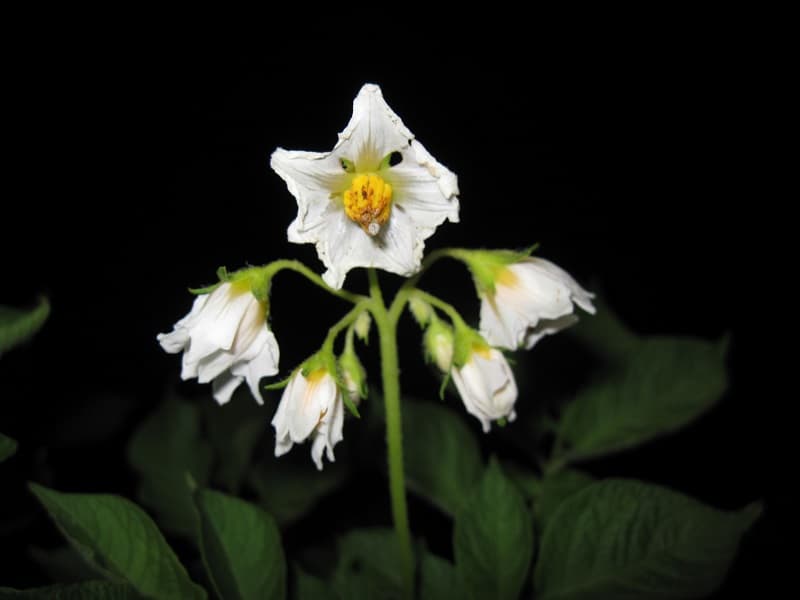 Norland Potato🍉Orangeglo Watermelon🥕Paris Market Carrot
 Parsnip🥔Purple Majesty Potato
 Purple Top Turnip
 Red Pontiac Potato
 Russet Potato
 Rutabaga
 Salsify
 Sugar Baby Watermelon
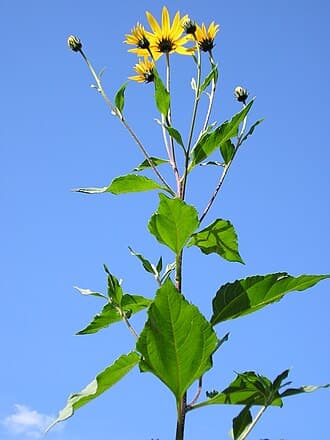 Sunchoke🥕Watermelon Radish🥕White Satin Carrot🍉Yellow Doll Watermelon
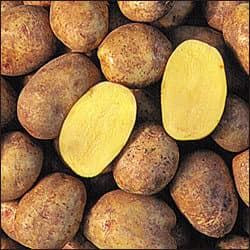 Yukon Gold Potato
For educational and informational purposes only. Disease management advice is general guidance drawn from university cooperative extension sources; always identify a problem positively and read and follow the label on any product before use, especially around food crops, children, and pets.