
Codling Moth
Cydia pomonella
The classic cause of the wormy apple. Its caterpillar bores straight to the core of apples, pears, and walnuts to feed on the seeds, leaving a frass-plugged hole and a tunneled, inedible fruit. It is the single most important pest of backyard pome fruit.
🔎 How to spot it
The larva is a pinkish-white caterpillar with a dark brown head, found tunneling inside the fruit. From outside, look for the entry hole on the fruit surface plugged with reddish-brown crumbly frass, often at the blossom end. The adult is a small gray moth about three-eighths of an inch long with a coppery patch at each wingtip, active around dusk.
🥀 Damage it causes
Newly hatched caterpillars bore into the fruit and tunnel to the seed cavity, feeding there and packing the tunnel with frass; the fruit is left holed, brown-trailed inside, and unusable, and often drops early. There are usually two or more generations a year, so both early and late fruit can be hit. Apple, pear, quince, and walnut are the main hosts.
🛡️ Prevent it
Thin fruit so apples hang singly rather than touching, removing a hiding route between fruits, and pick up and destroy dropped fruit promptly to break the cycle. Bagging individual young fruit in paper or mesh bags physically excludes the moth on a small tree. Wrap the trunk with a band of cardboard to trap the larvae as they crawl down to pupate, then remove and destroy it.
🧯 If it is already here
On a backyard tree the non-chemical tools carry the load: fruit thinning, bagging, sanitation of drops, and trunk banding. If spraying, timing is everything and must be set by a pheromone trap and degree-day tracking to hit the brief egg-hatch window, since sprays do nothing once the larva is inside the fruit. Pheromone mating disruption helps over larger plantings.
💡 Good to know
Because the caterpillar spends almost its whole life sealed inside the fruit, calendar spraying rarely works; the value is in exclusion (bagging), sanitation (removing drops), and trapping. Pheromone traps are mainly a timing and monitoring tool, telling you when the moths are flying, rather than a control on their own.
🌱 Plants it attacks
26 plants in the library can be attacked by this pest
 Anjou Pear
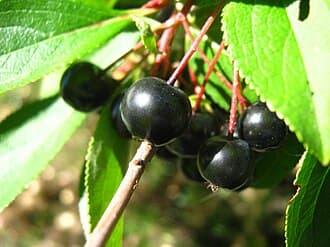 Aronia
 Asian Pear
 Bartlett Pear
 Black Walnut
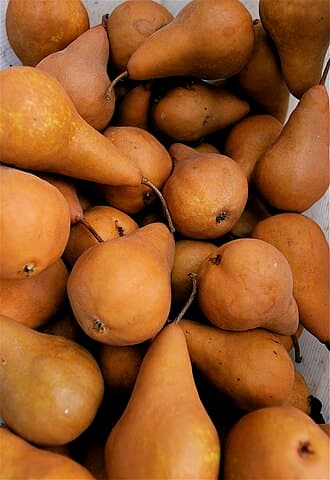 Bosc Pear
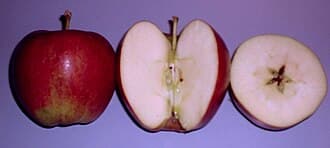 Braeburn Apple
 Champagne Loquat
 Cortland Apple
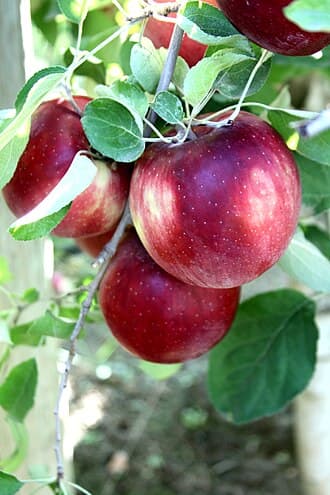 Cosmic Crisp Apple
 English Walnut
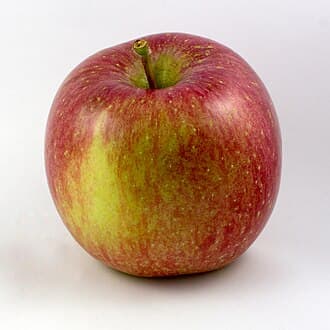 Fuji Apple
 Gala Apple
 Granny Smith Apple
 Hawthorn
 Heartnut
 Honeycrisp Apple
 Indian Hawthorn
 McIntosh Apple
 Pink Lady Apple
 Prickly Pear
 Quince
 Red Delicious Apple
 Regent Saskatoon
 Sugar Apple
 Texas Scarlet Flowering Quince
For educational and informational purposes only. Pest control advice is general guidance drawn from university cooperative extension sources; always identify a pest positively and read and follow the label on any product before use, especially around food crops, children, and pets.