
Rhubarb Curculio
Lixus concavus
A large, rusty-looking snout beetle that feeds on rhubarb stalks in early summer, puncturing them to feed and lay eggs. Curiously, rhubarb is a trap the beetle cannot actually breed in; its grubs only complete development in weeds like curly dock and thistle, so cleaning up those weeds is the key to control.
🔎 How to spot it
The adult is a robust weevil about half an inch long, black but coated with a yellowish or rusty dust that rubs off, with the long downcurved snout typical of weevils. It is often seen resting on rhubarb leaves and stalks and drops quickly to the ground when disturbed. Feeding and egg-laying punctures on the stalks ooze drops of sap that harden into glistening gum.
🥀 Damage it causes
The beetles bore feeding and egg-laying holes into the leaf stalks, causing notches and wounds that exude sap, and the leaf edges may also be notched. The injury is mostly cosmetic and rarely threatens an established rhubarb crown, but the oozing, gummy stalks are unsightly and can invite rot. Eggs laid in rhubarb do not survive, so the beetle does not multiply on the crop.
🛡️ Prevent it
The most effective step is to find and remove the weeds the beetle actually breeds in, especially curly dock, thistle, and wild sunflower, in and around the garden during midsummer. Keeping the area free of these alternate hosts breaks the life cycle and steadily reduces beetle numbers. Clean up garden debris where adults overwinter.
🧯 If it is already here
Handpicking is usually enough in a home planting: the beetles are large and easy to see, and a bucket held underneath catches them as they drop when disturbed. Remove and destroy nearby breeding weeds in midsummer to stop the next generation. Insecticides are rarely warranted for this pest.
💡 Good to know
Rhubarb curculio is unusual in that the crop it is named for is a dead-end host where its eggs fail, so the real reservoir is weedy dock and thistle. That makes weed sanitation, rather than spraying the rhubarb, the smartest control. Light feeding scars are only cosmetic, but do not use stalks that are rotting around a wound.
🌱 Plants it attacks
28 plants in the library can be attacked by this pest
 Bengal Tiger Canna
 Blue Fescue
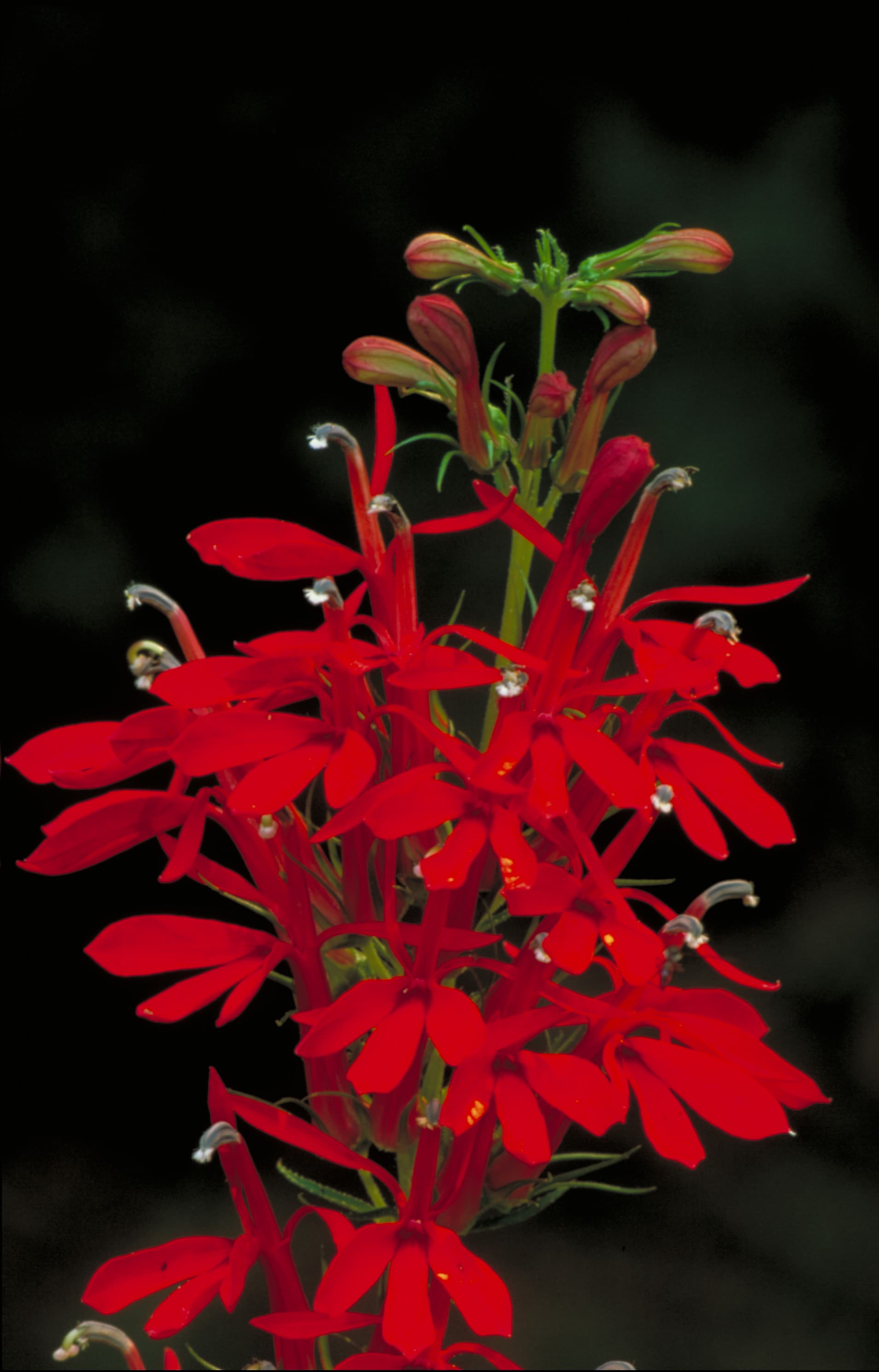 Cardinal Flower
 Carolina Geranium
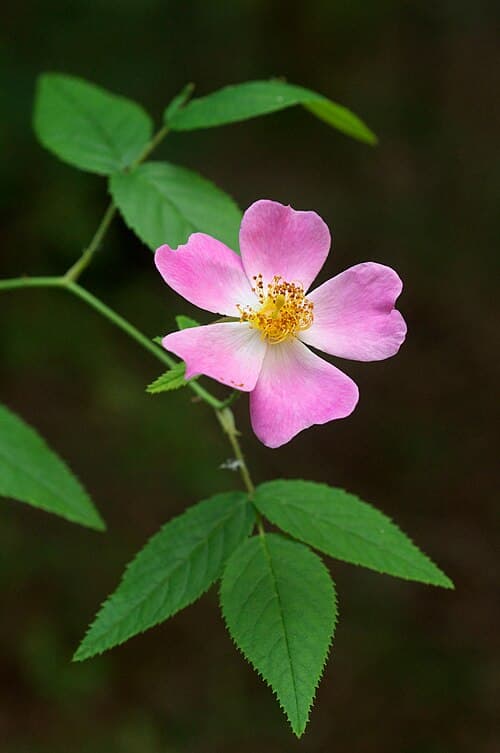 Climbing Prairie Rose
 Common Flax
 Crimson Cherry Rhubarb
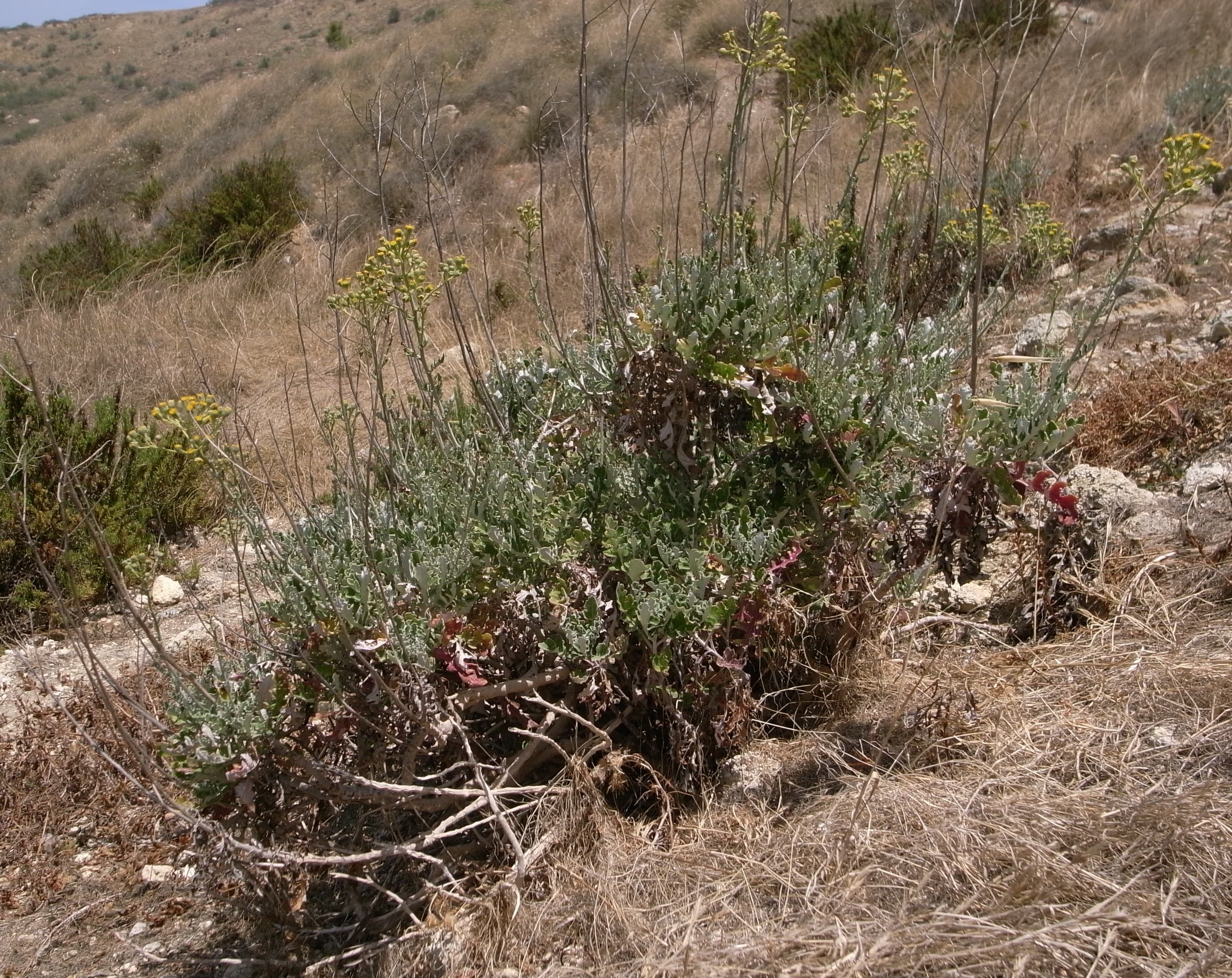 Dusty Miller
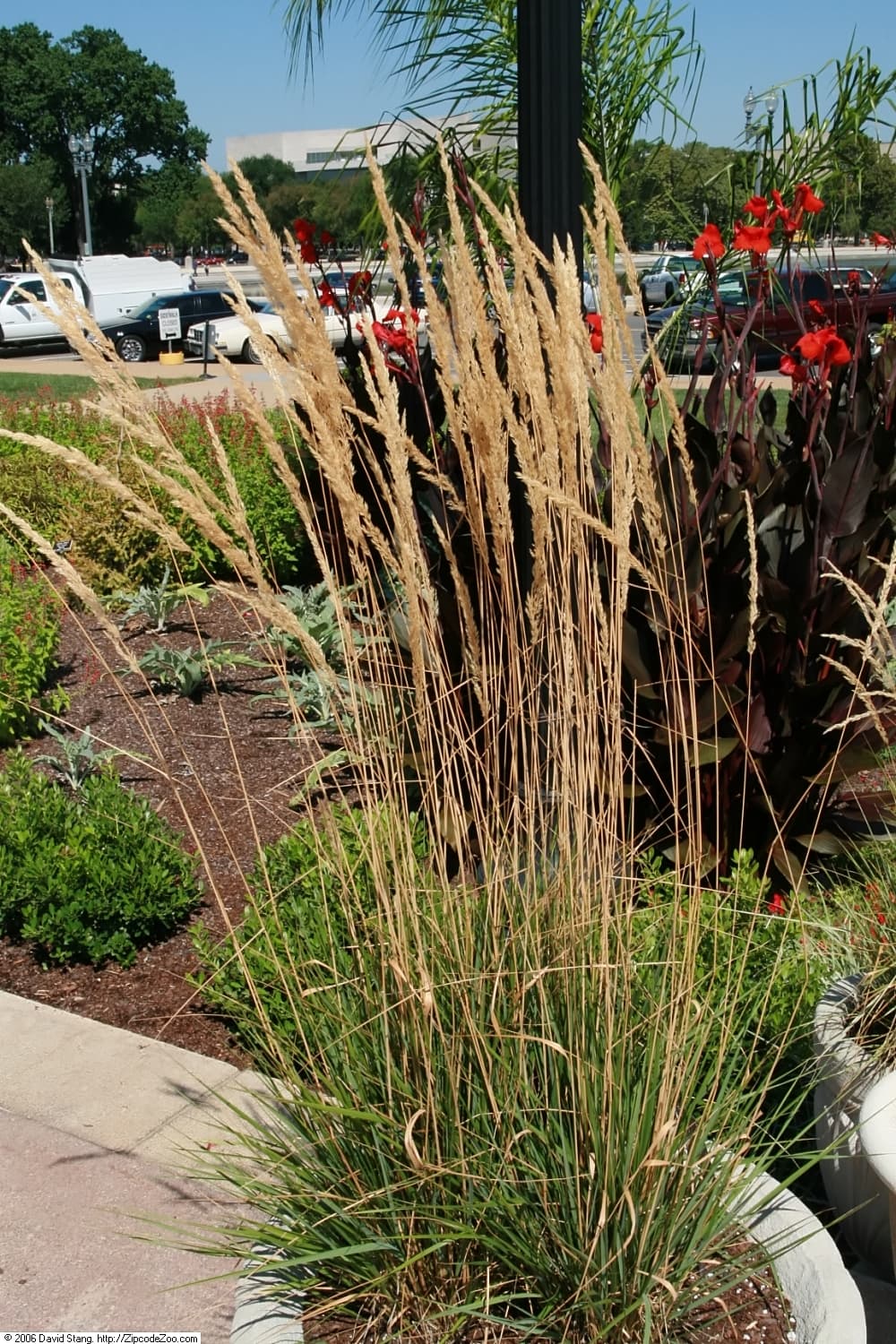 Feather Reed Grass
 Fireworks Goldenrod
 Fountain Grass
 Gaura
Gaura Kobold Blazing Star
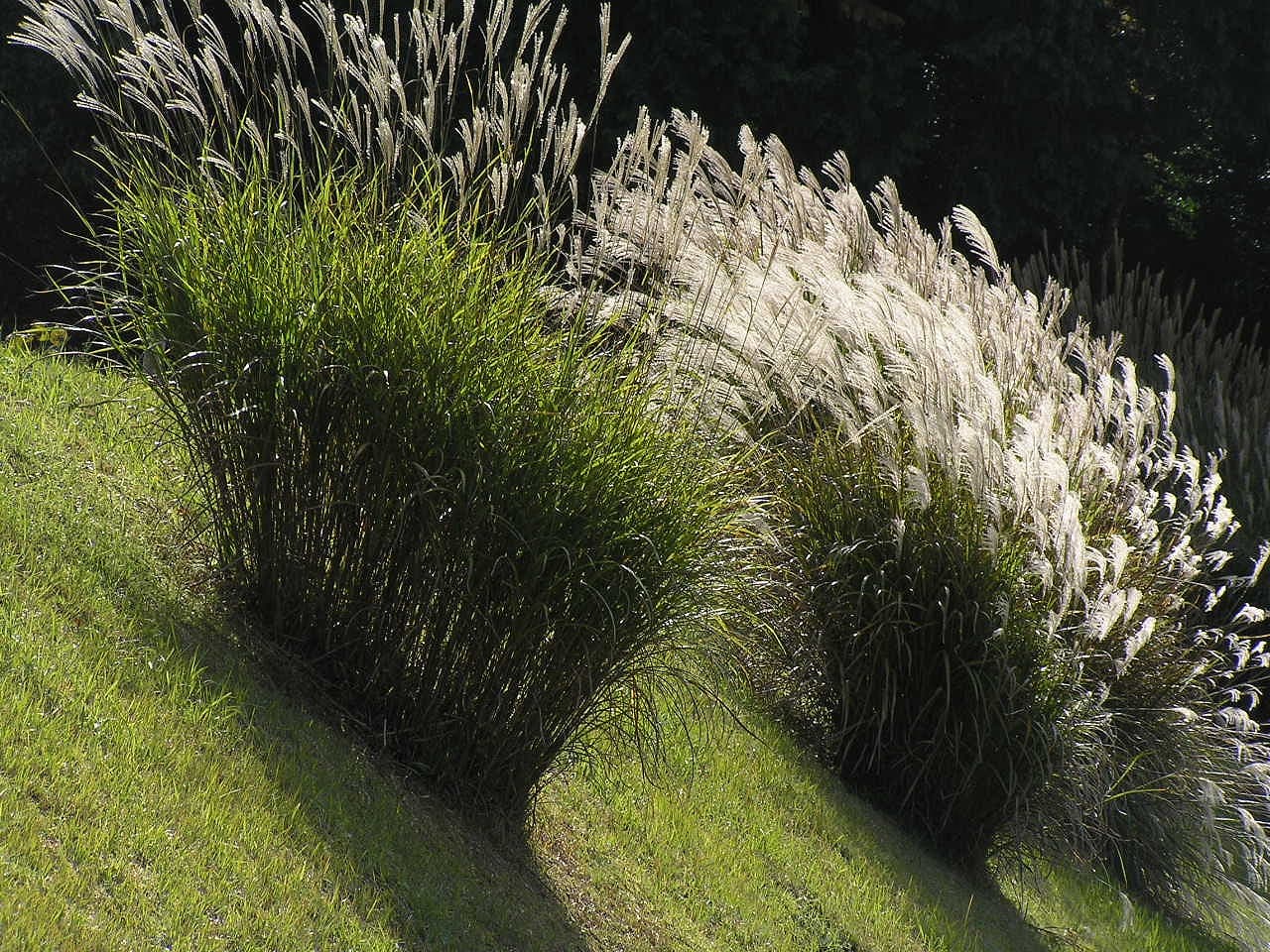 Maiden Grass
 Marshmallow
 Mary Washington Asparagus
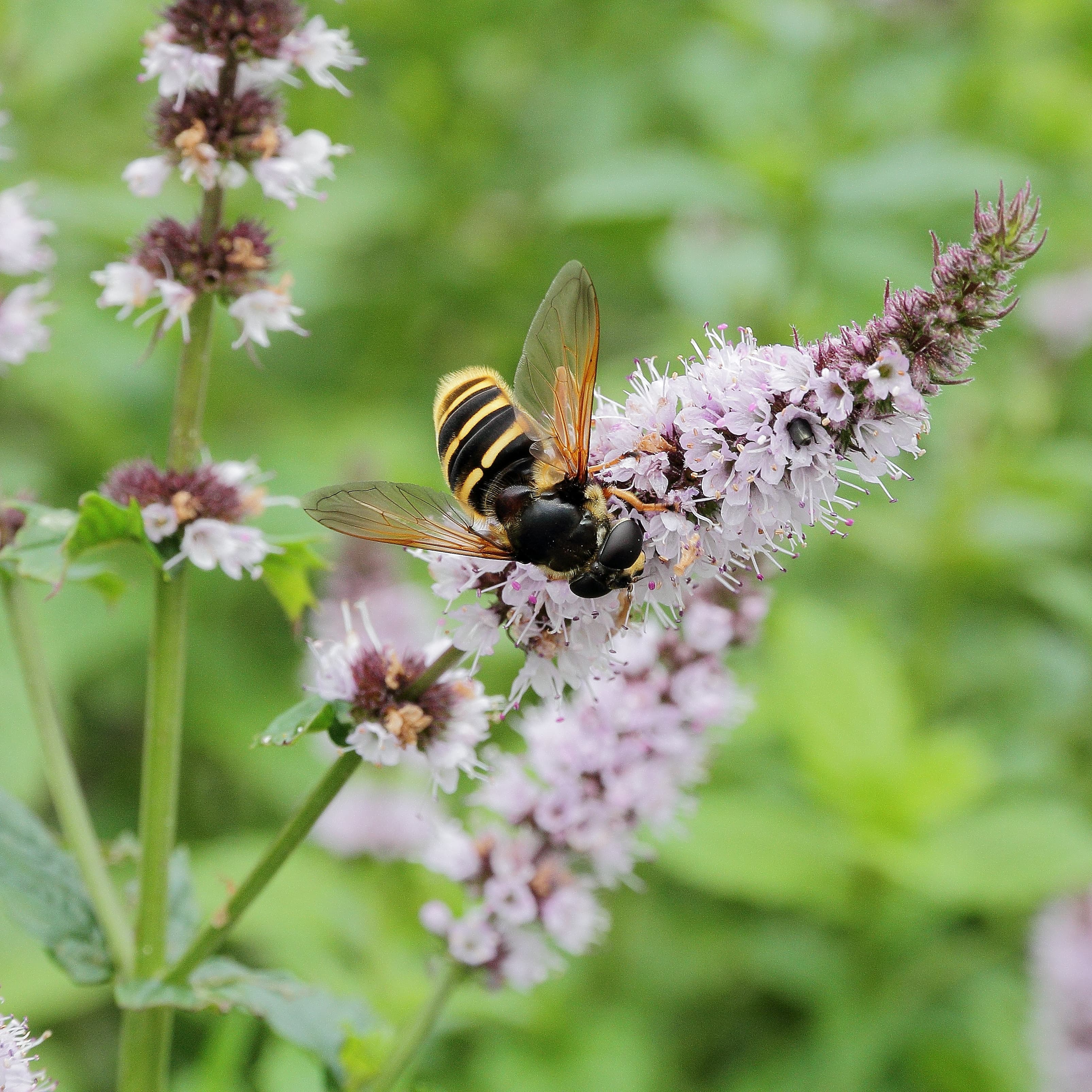 Mojito Mint
 Orange Mint
 Oregon Grape
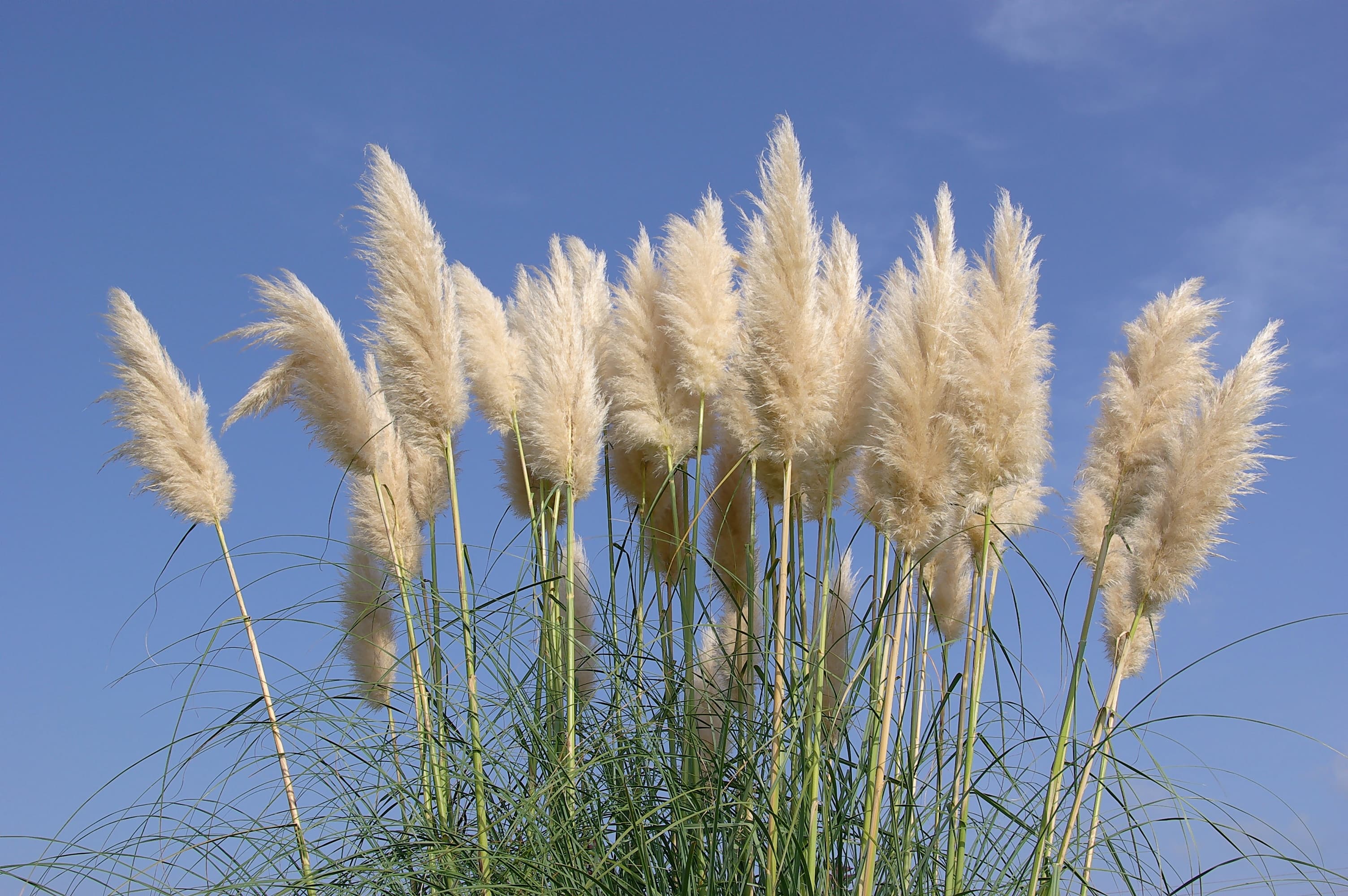 Pampas Grass
 Pineapple Mint
 Romano Bean
 Snapdragon
 Statice
 Sweet Grass
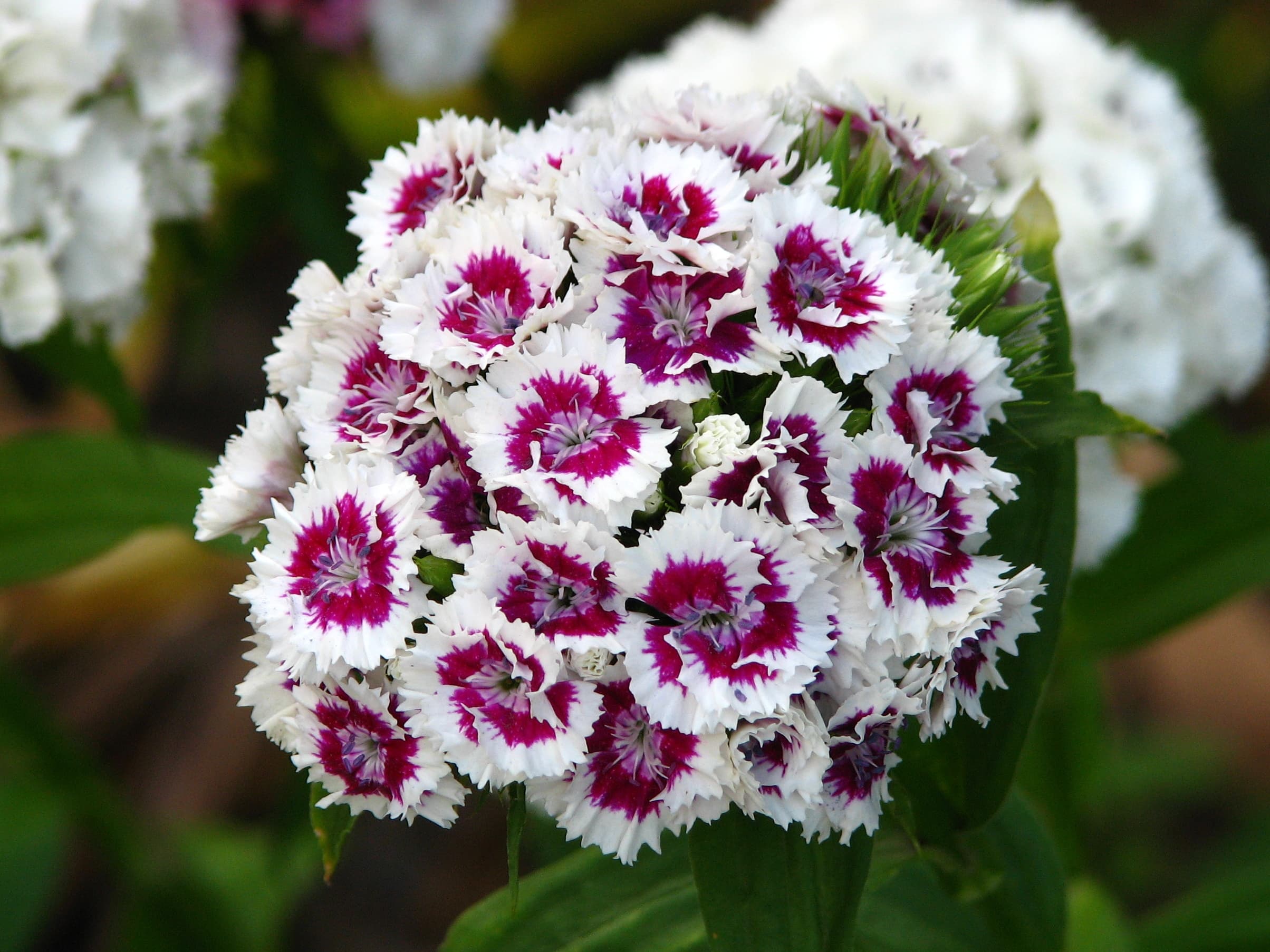 Sweet William
 Switchgrass
 Victoria Rhubarb
For educational and informational purposes only. Pest control advice is general guidance drawn from university cooperative extension sources; always identify a pest positively and read and follow the label on any product before use, especially around food crops, children, and pets.