
Beech Bark Disease
Neonectria faginata (with beech scale Cryptococcus fagisuga)
A slow, disfiguring, and often fatal disease of beech that takes two organisms acting in sequence: a tiny sap-sucking scale insect first weakens the bark, then a Neonectria fungus invades the feeding wounds and kills patches of bark. Affected trees develop oozing cankers, decline over years, and can snap off in wind.
🔎 How to spot it
Look first for the beech scale, which appears as a white woolly or cottony coating on the trunk and large branches, made by soft round yellow insects underneath. Where the fungus has invaded, the bark shows weeping reddish brown spots, sunken or roughened cankers, and in fall tiny bright red lemon-shaped fruiting bodies (perithecia) clustered on the bark. Heavily cankered bark becomes cracked and deformed.
🥀 Damage it causes
The scale feeding opens the bark to infection, and the fungus then kills areas of bark and cambium. As cankers expand and girdle the trunk, the crown thins and branches die. Severely weakened trunks can break in the wind even before the tree is fully dead, a failure known as beech snap.
🔬 What causes it
The disease requires the non-native beech scale (Cryptococcus fagisuga) plus one of two Neonectria fungi, the introduced Neonectria faginata or the native Neonectria ditissima. The scale, brought into North America through Nova Scotia in the late 1800s, feeds on the bark and creates the wounds the fungus needs to enter. American beech (Fagus grandifolia) and European beech (Fagus sylvatica) are both susceptible. There is one scale generation a year, with mobile crawlers spreading in mid to late summer.
🛡️ Prevent it
Keep beech trees healthy and avoid wounding the bark. For a few high-value landscape trees, scout the trunk for the first white woolly scale and treat the scale before the fungus establishes, since scale is the practical leverage point. Do not move firewood or beech logs that may carry scale, and consider that some individual beech trees show natural resistance and are worth keeping.
🧯 If it is already here
On valuable landscape trees, insecticides aimed at the crawler stage in summer, before the insects form their protective wax, give the best scale control, and light scale can sometimes be washed or scrubbed off small trees. Fungicide options against the Neonectria fungi are limited and mainly used by professionals on high-value trees. There is no practical cure for forest-scale infection.
💡 Good to know
The disease spreads as a front across a region: an advancing front where scale arrives first, a killing front where scale and fungus together cause heavy mortality, and an aftermath forest of surviving, often deformed trees and dense root sprouts. Bright red fungal fruiting bodies in fall are the clearest confirmation that the fungus, not just scale, is present.
🌱 Plants it affects
52 plants in the library can be affected by this problem
 Alice du Pont Mandevilla
 Aloe Vera
 American Beech
 American Persimmon
 Amethyst Falls Wisteria
 Arkin Carambola
 Asian Persimmon
 Aucuba
 August Beauty Gardenia
 Autumn Joy Sedum
 Avocado
 Barbara Karst Bougainvillea
 Bay Laurel
 Black-eyed Susan Vine
 Brewster Lychee
 Brown Turkey Fig
 Calamondin
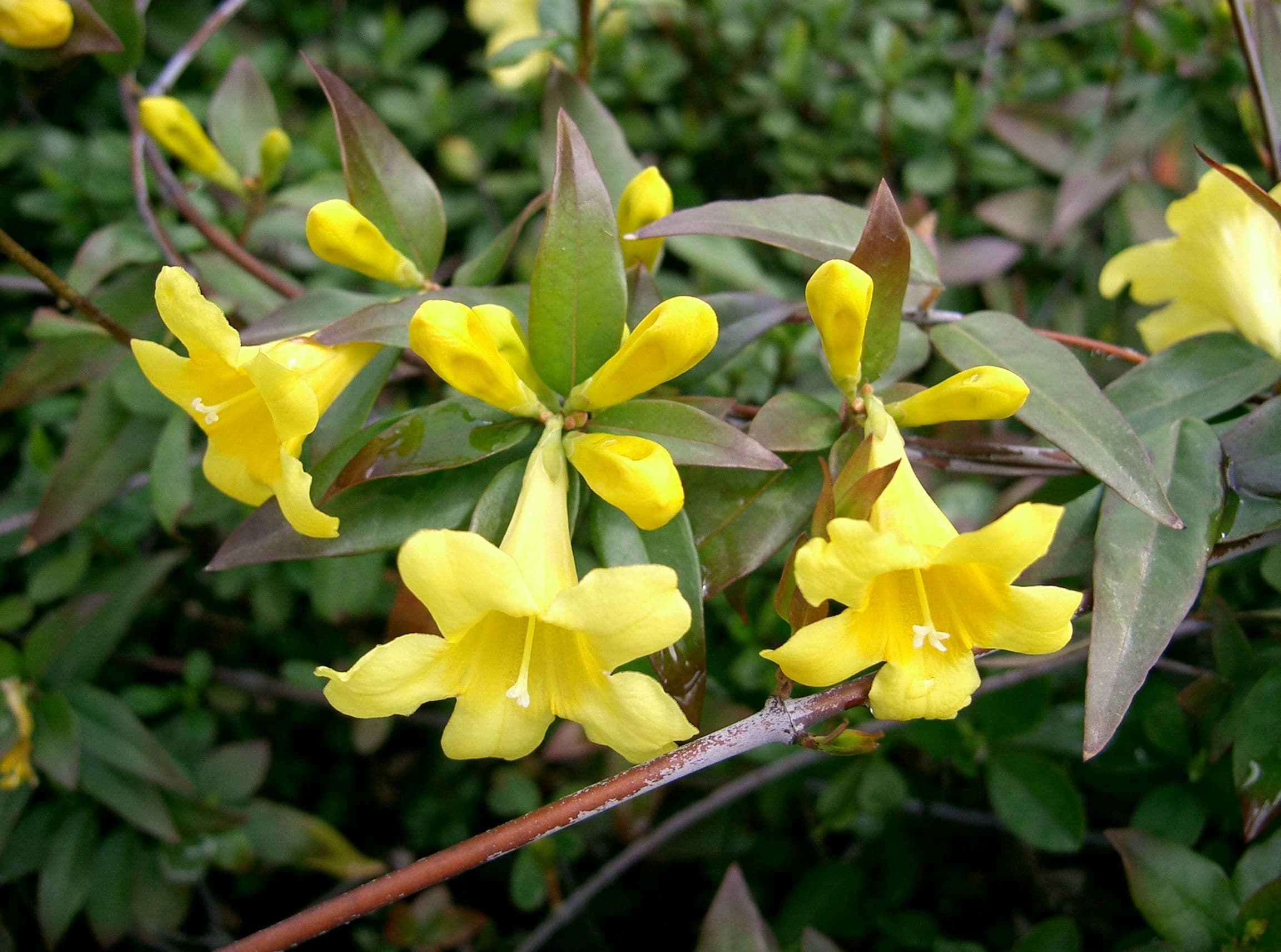 Carolina Jessamine
 Cascara Sagrada
 Champagne Loquat
 Chicago Hardy Fig
 Cleyera
 Dwarf Yaupon Holly
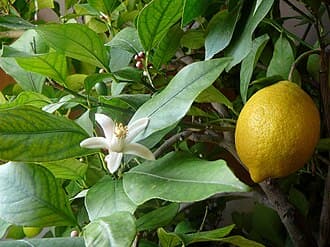 Eureka Lemon
 Fino de Jete Cherimoya
 Grapefruit
 Hayward Kiwi
 Indian Hawthorn
 Japanese Barberry
 Japanese Holly
 Key Lime
 Kohala Longan🍍Kona Sugarloaf Pineapple
 Kumquat
 Mandarin Orange
 Mango
Mango Meyer Lemon
 Miss Kim Lilac
 Mulberry
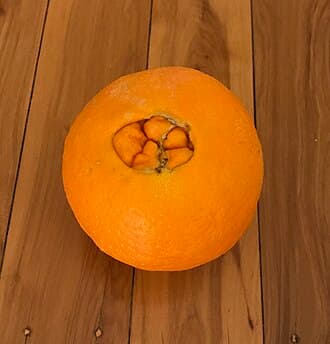 Navel Orange
 Persian Lime
 Pineapple Guava
 Ruby Supreme Guava
 Smooth Cayenne Pineapple
 Star Jasmine
 Suebelle White Sapote
 Texas Scarlet Flowering Quince
 Trumpet Vine
 Valencia Orange
 Valentine Bleeding Heart
 Wine and Roses Weigela
 Yew
YewFor educational and informational purposes only. Disease management advice is general guidance drawn from university cooperative extension sources; always identify a problem positively and read and follow the label on any product before use, especially around food crops, children, and pets.