
Clubroot
Plasmodiophora brassicae
A serious soilborne disease of the cabbage family caused by a microscopic protist, not a fungus, that swells the roots into distorted clubs and stunts the plant above. Clubroot is hard to get rid of because its resting spores survive in the soil for many years, and it is worst in acidic, wet ground.
🔎 How to spot it
Above ground, look for plants that wilt in the heat of the day, then recover, along with stunting, yellowing, and poor growth that resists watering and feeding. The diagnosis is in the roots: pull a plant and look for swollen, distorted, club-shaped or spindle-shaped galls in place of normal fine roots, which later rot into a slimy mess.
🥀 Damage it causes
The clubbed roots cannot take up water and nutrients properly, so plants are stunted, wilt, and yield poorly or fail to form usable heads, and young plants may die. Because the swollen roots release enormous numbers of long-lived spores as they rot, a single bad crop can heavily infest the soil for many years.
🔬 What causes it
Clubroot is caused by Plasmodiophora brassicae, a soilborne protist that infects the roots of cabbage-family plants and many cruciferous weeds. Its resting spores survive in soil for up to a decade or more and sprout to infect roots in wet conditions. The disease is far worse in acidic soils below about pH 6.5 and in wet, poorly drained ground.
🛡️ Prevent it
Keep the disease out by planting only clean transplants and not moving infested soil on tools and boots. Rotate brassicas on a long cycle, raise the soil pH toward 7.0 to 7.2 with lime well before planting since the protist dislikes alkaline soil, and improve drainage. Control cruciferous weeds and grow clubroot-resistant varieties where available.
🧯 If it is already here
There is no cure for an infected plant or a quick fix for infested soil, so pull and destroy affected plants, roots and all, and do not compost them. Liming to raise pH and improving drainage suppress the disease, and a long break from brassicas lowers the spore load slowly. Because the spores last so long, resistant varieties and clean soil are the dependable answers.
💡 Good to know
Clubroot is one of those diseases best kept out in the first place, since its resting spores can wait in the soil for ten years or more once it arrives. Liming to a near-neutral pH and good drainage are unusually effective cultural tools here, because the protist needs acidic, wet conditions to thrive.
🌱 Plants it affects
40 plants in the library can be affected by this problem
 Arugula🥕Black Spanish Radish
 Bok Choy
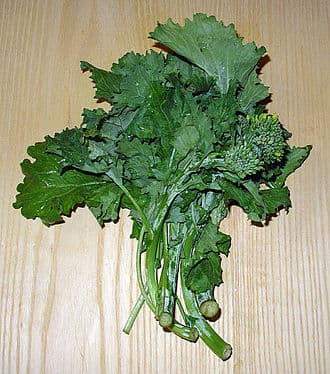 Broccoli Rabe
 Brussels Sprouts
 Calabrese Broccoli🥬Champion Collards
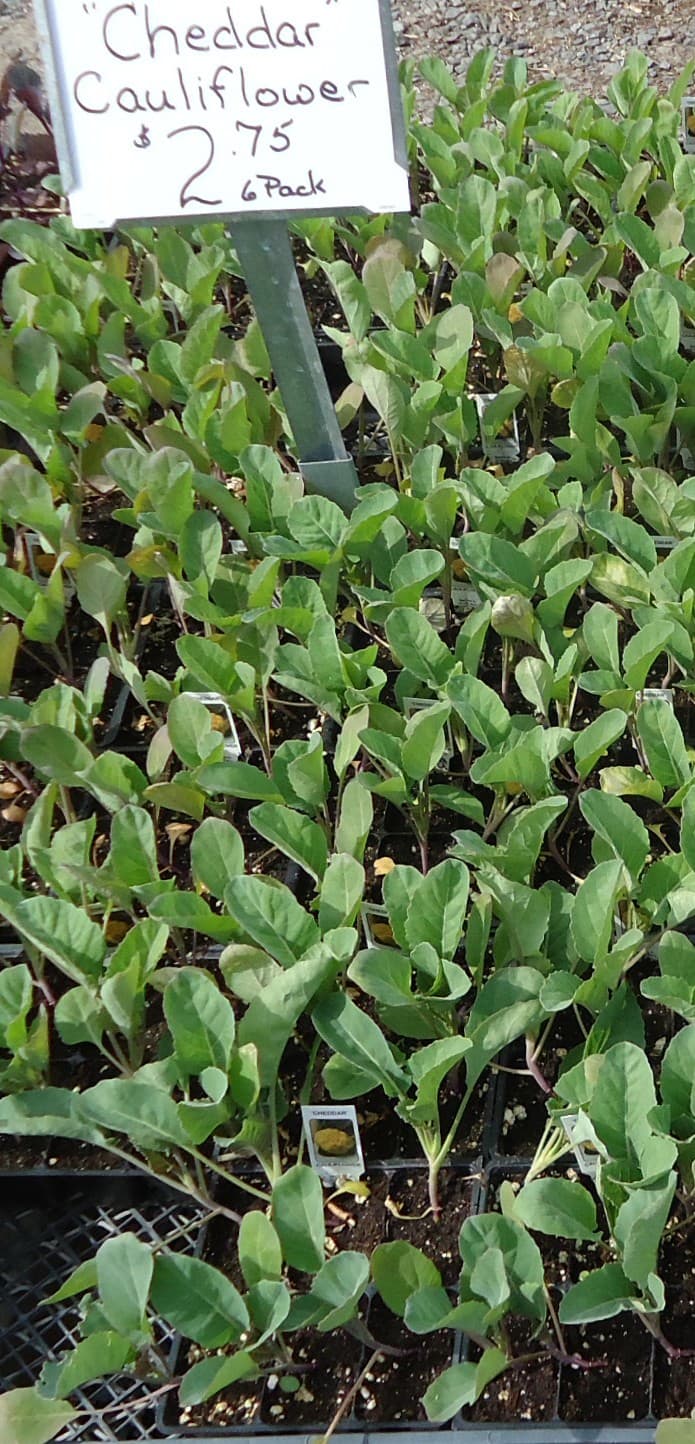 Cheddar Cauliflower
 Cherry Belle Radish
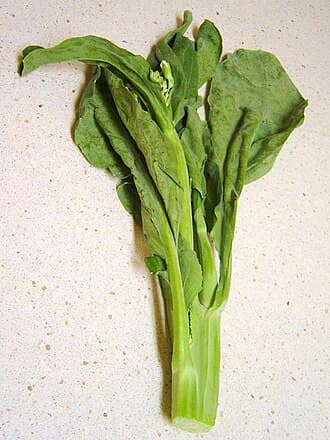 Chinese Broccoli
 Daikon Radish
 De Cicco Broccoli
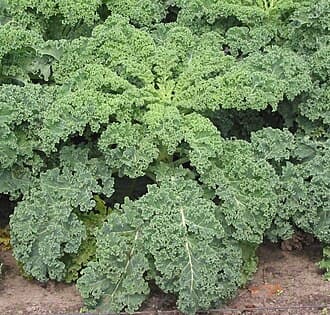 Dwarf Blue Curled Vates Kale🥬Dwarf Siberian Kale🌸Easter Egg Radish🥕French Breakfast Radish
 Green Cabbage
 Hakurei Turnip
 Horseradish
 January King Cabbage
 Kohlrabi
 Lacinato Kale
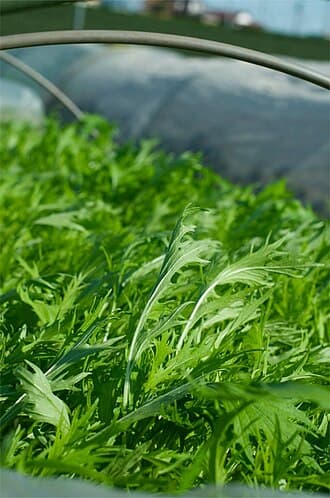 Mizuna
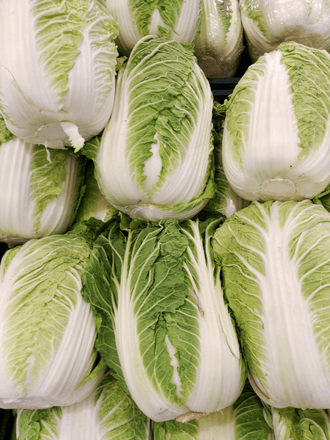 Napa Cabbage🥦Purple Cape Cauliflower
 Purple Sprouting Broccoli
 Purple Top Turnip
 Red Cabbage
 Red Russian Kale
 Redbor Kale
 Romanesco Cauliflower
 Rutabaga
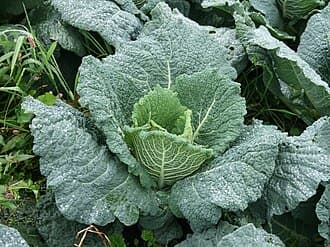 Savoy Cabbage
 Sea Kale🥦Snowball Cauliflower
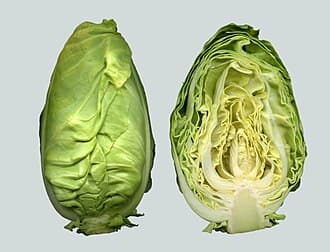 Sweetheart Cabbage
 Tatsoi
 Watercress🥕Watermelon Radish
 White Mustard
For educational and informational purposes only. Disease management advice is general guidance drawn from university cooperative extension sources; always identify a problem positively and read and follow the label on any product before use, especially around food crops, children, and pets.