
Cabbage Root Maggot
Delia radicum
The cabbage-family counterpart of the onion maggot: a small fly whose white maggots tunnel into the roots of brassicas, wilting and killing seedlings and transplants. Cool, wet springs and beds that grew cabbage relatives the year before make it worst.
🔎 How to spot it
The maggots are small, white, legless, and blunt-ended, found burrowing in the roots and lower stem. The adult is a delicate, hump-backed gray fly a bit smaller than a housefly, and the eggs are tiny white ovals tucked into the soil at the base of the stem. Above ground, watch for plants that wilt in midday sun, with outer leaves turning yellow or bluish, then collapse.
🥀 Damage it causes
The maggots chew and tunnel through the roots and into the lower stem, cutting off water and nutrients so young plants wilt, stunt, and often die; survivors are set back and may form poor heads. Root crops in the family, such as radish and turnip, are tunneled and made unusable. Brassica seedlings and fresh transplants are the most vulnerable.
🛡️ Prevent it
Cover the crop with row cover from transplanting to block the egg-laying flies, but only on ground that did not grow brassicas last year, since the flies overwinter as pupae in that soil. Fit a disk or collar of cardboard flat on the soil around each stem to stop egg-laying at the base. Rotate brassicas, and delay planting past the first spring flight where you can.
🧯 If it is already here
There is no spray that reaches the maggots inside the root, so pull and destroy wilting, infested seedlings promptly to stop the maggots maturing, and rely on exclusion for the rest. Firm, healthy transplants set out a little later can outgrow light damage. Clean up and destroy crop roots at season end so pupae do not carry over.
💡 Good to know
Cabbage root maggot overwinters as pupae in soil where brassicas grew, which is why rotation plus row cover (on rotated ground) is the winning combination and why a cover laid over a bed that grew brassicas last year backfires. A simple stem collar that blocks the female from laying at the soil line is a classic, low-effort fix.
🌱 Plants it attacks
41 plants in the library can be attacked by this pest
 Arugula🥕Black Spanish Radish
 Bok Choy
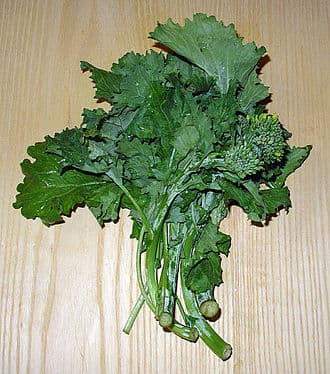 Broccoli Rabe
 Brussels Sprouts
 Calabrese Broccoli🥬Champion Collards
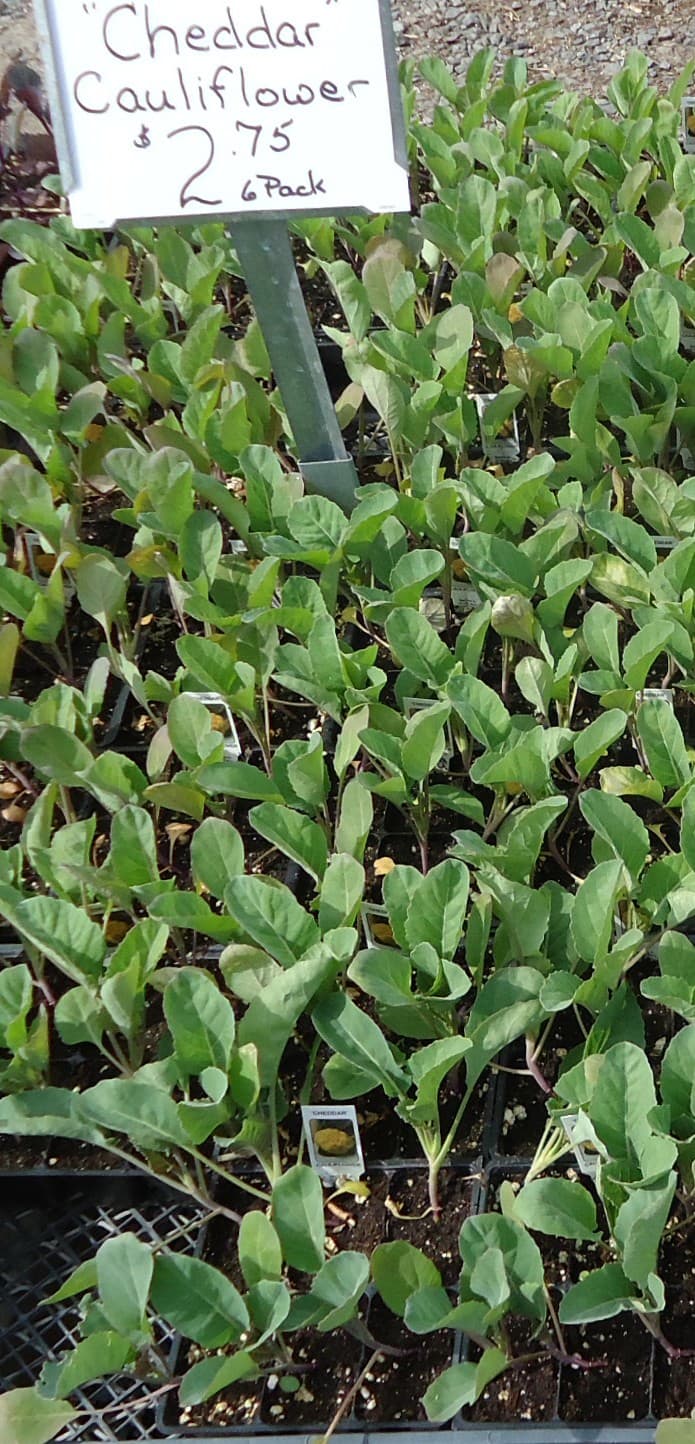 Cheddar Cauliflower
 Cherry Belle Radish
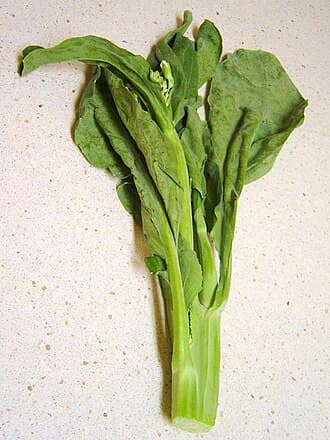 Chinese Broccoli
 Daikon Radish
 De Cicco Broccoli
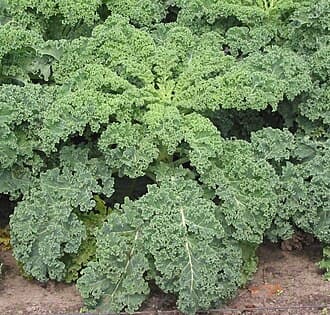 Dwarf Blue Curled Vates Kale🥬Dwarf Siberian Kale🌸Easter Egg Radish🥕French Breakfast Radish
 Green Cabbage
 Hakurei Turnip
 Horseradish
 January King Cabbage
 Kohlrabi
 Lacinato Kale
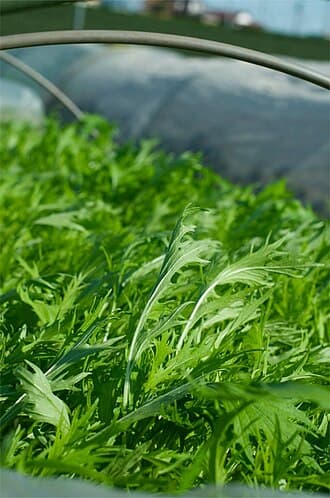 Mizuna
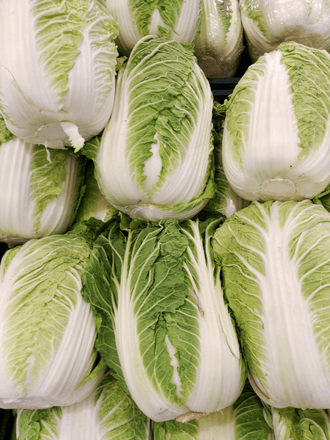 Napa Cabbage🥦Purple Cape Cauliflower
 Purple Sprouting Broccoli
 Purple Top Turnip
 Red Cabbage
 Red Russian Kale
 Redbor Kale
 Romanesco Cauliflower
 Rutabaga
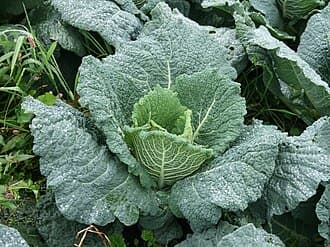 Savoy Cabbage
 Sea Kale🥦Snowball Cauliflower
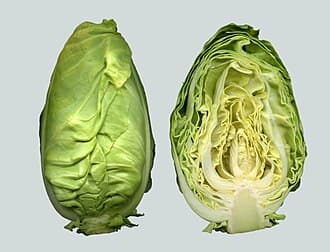 Sweetheart Cabbage
 Tatsoi
 Turnip Greens
 Watercress🥕Watermelon Radish
 White Mustard
For educational and informational purposes only. Pest control advice is general guidance drawn from university cooperative extension sources; always identify a pest positively and read and follow the label on any product before use, especially around food crops, children, and pets.