
Harlequin Bug
Murgantia histrionica
A flashy red-and-black stink bug that is a major pest of cabbage-family crops, especially in warm regions. Both the adults and nymphs suck sap from the leaves, leaving blotched, wilted, and yellowed foliage that can kill young plants outright.
🔎 How to spot it
Adults are shield-shaped stink bugs about three-eighths of an inch, boldly patterned in shiny black and red-orange, unmistakable on a cabbage leaf. The eggs are a giveaway: they look like tiny white barrels banded with two black hoops, laid standing in double rows on the leaf undersides. Nymphs are rounder versions of the adult in the same red-and-black colors.
🥀 Damage it causes
Using piercing-sucking mouthparts, harlequin bugs drain sap from leaves and stems, leaving pale blotches, wilting, browning, and distortion; heavy feeding can wilt and kill young brassica plants. They attack cabbage, broccoli, kale, collards, radish, mustard, and related crops, and are worst in hot weather.
🛡️ Prevent it
Clean up and destroy old cole-crop plants and weedy mustards at season end and in early spring, since these shelter and breed the bugs before your crop is up. Protect plantings with row cover, and use a trap crop of mustard or an early brassica to draw the bugs away from the main crop, then destroy it with the bugs on it.
🧯 If it is already here
Handpick the adults and nymphs into soapy water and crush the barrel-shaped egg rows on the leaf undersides; persistent picking controls small plantings. Remove and destroy heavily infested plants. Insecticidal soap helps against nymphs, but the tough adults shrug off most sprays, so the egg-crushing and trap-cropping matter more.
💡 Good to know
The black-and-white striped, barrel-shaped eggs standing in neat rows are the easiest early warning; scout the undersides and rub them out before they hatch. Harlequin bug overwinters as adults in garden debris, so fall and spring cleanup of brassica trash and wild mustards is the foundation of control.
🌱 Plants it attacks
40 plants in the library can be attacked by this pest
 Arugula🥕Black Spanish Radish
 Bok Choy
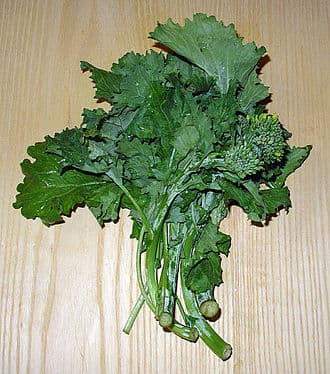 Broccoli Rabe
 Brussels Sprouts
 Calabrese Broccoli🥬Champion Collards
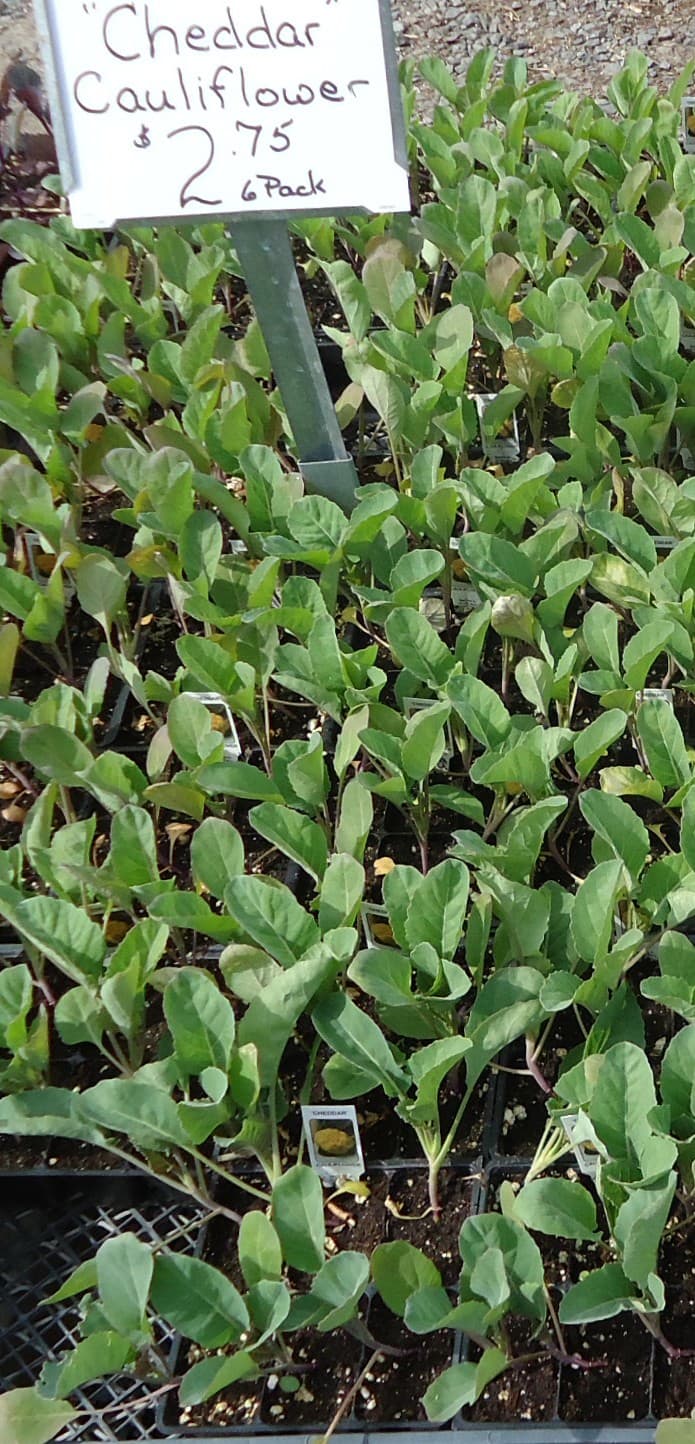 Cheddar Cauliflower
 Cherry Belle Radish
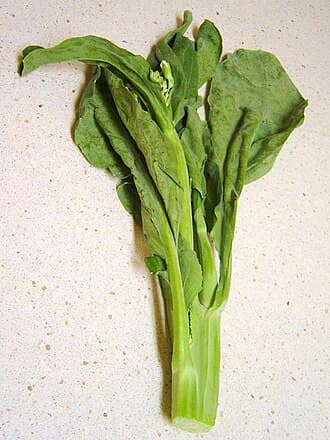 Chinese Broccoli
 Daikon Radish
 De Cicco Broccoli
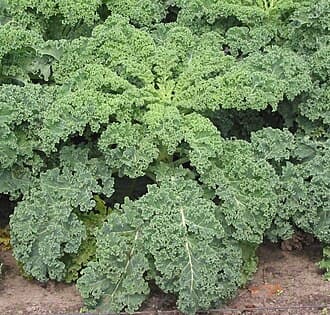 Dwarf Blue Curled Vates Kale🥬Dwarf Siberian Kale🌸Easter Egg Radish🥕French Breakfast Radish
 Green Cabbage
 Hakurei Turnip
 Horseradish
 January King Cabbage
 Kohlrabi
 Lacinato Kale
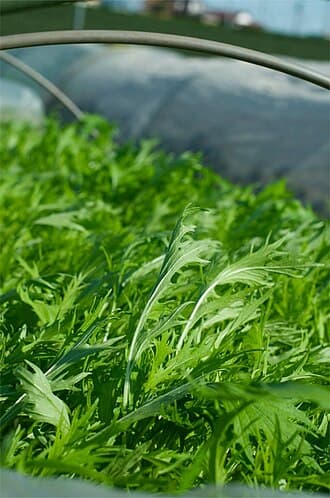 Mizuna
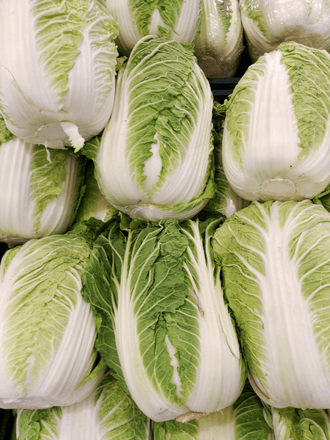 Napa Cabbage🥦Purple Cape Cauliflower
 Purple Sprouting Broccoli
 Purple Top Turnip
 Red Cabbage
 Red Russian Kale
 Redbor Kale
 Romanesco Cauliflower
 Rutabaga
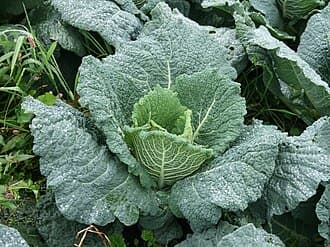 Savoy Cabbage
 Sea Kale🥦Snowball Cauliflower
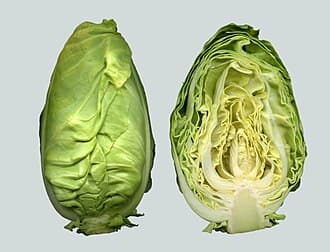 Sweetheart Cabbage
 Tatsoi
 Watercress🥕Watermelon Radish
 White Mustard
For educational and informational purposes only. Pest control advice is general guidance drawn from university cooperative extension sources; always identify a pest positively and read and follow the label on any product before use, especially around food crops, children, and pets.