
Apple Scab
Venturia inaequalis
The most common disease of backyard apples and crabapples, apple scab spots the leaves and corky-scars the fruit, and in wet springs it can defoliate a tree and ruin the crop. It overwinters in fallen leaves, so the disease feeds on its own litter year to year unless the leaves are cleaned up.
🔎 How to spot it
Look for velvety, olive-green to dark brown or black spots on the leaves, which yellow and drop when heavily infected. On the fruit, scabby spots start olive-green and become dark, rough, corky, and often cracked or misshapen as the apple grows. Symptoms appear first on the earliest spring leaves and the youngest fruit.
🥀 Damage it causes
Severe scab causes early and heavy leaf drop that weakens the tree and reduces its vigor and next year crop. Infected fruit is scabbed, cracked, and distorted, and while it is still safe to eat once cut, it is blemished and stores poorly. Repeated defoliation over years stresses the tree.
🔬 What causes it
Apple scab is caused by the fungus Venturia inaequalis, which overwinters in fallen infected leaves on the ground. In spring the fungus matures and shoots spores into the air that land on swelling buds, new leaves, and young fruit. Cool, wet springs around 60 to 70 F with leaves staying wet for several hours favor infection, and the orchard re-infects itself as spores spread within about 100 feet.
🛡️ Prevent it
Plant scab-resistant apple and crabapple varieties where you can. Rake up and remove or shred fallen leaves in autumn to destroy the overwintering fungus, or speed leaf breakdown by spraying the fallen leaves. Prune for an open canopy so leaves dry fast, and avoid overhead watering. Space and site trees in full sun with good air movement.
🧯 If it is already here
Once spots are visible it is too late to cure them that season, so the strategy is protection and sanitation. On susceptible trees, protectant fungicides must be applied in spring starting at bud break and repeated through the early-season infection periods per the label. The most durable fix is fall leaf cleanup plus, over the long run, replacing very susceptible trees with resistant ones.
💡 Good to know
Apple scab runs on its own leaf litter, so a tree that defoliated last year is primed to do it again unless the leaves are removed. Resistant varieties largely sidestep the yearly spray schedule that susceptible apples and ornamental crabapples require. Scabbed fruit is cosmetic, not toxic, and is fine to eat or cook after trimming.
🌱 Plants it affects
34 plants in the library can be affected by this problem
 Adirondack Blue Potato🥔All Blue Potato
 Anjou Pear
 Aronia
 Asian Pear
 Bartlett Pear
 Bosc Pear
 Braeburn Apple
 Champagne Loquat
 Cortland Apple
 Cosmic Crisp Apple
 Fingerling Potato
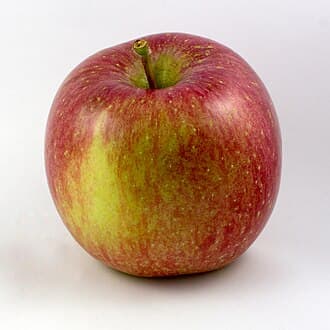 Fuji Apple
 Gala Apple
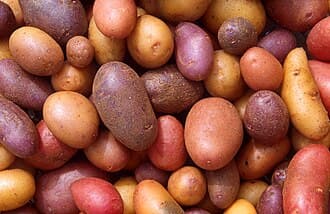 German Butterball Potato
 Granny Smith Apple
 Hawthorn
 Honeycrisp Apple
 Indian Hawthorn
 Kennebec Potato
 McIntosh Apple
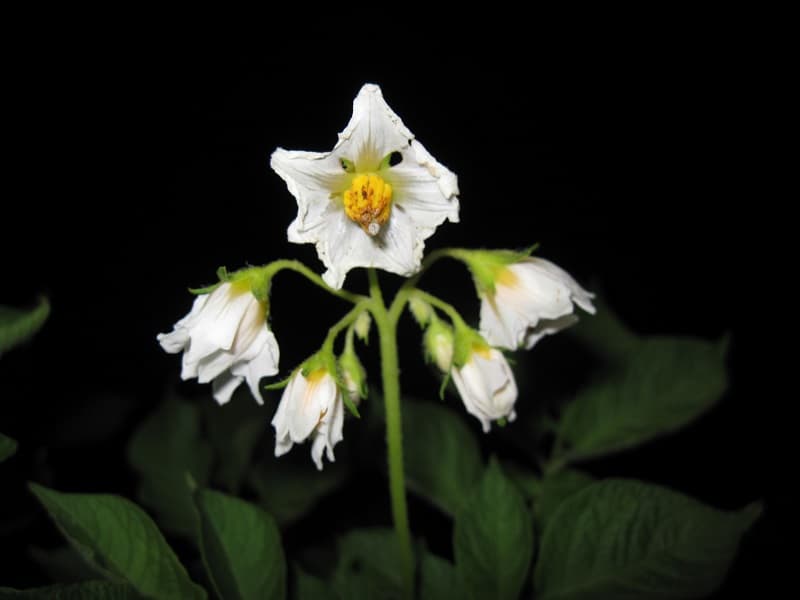 Norland Potato
 Pecan
Pecan Pink Lady Apple
 Prickly Pear🥔Purple Majesty Potato
 Quince
 Red Delicious Apple
 Red Pontiac Potato
 Regent Saskatoon
 Russet Potato
 Suebelle White Sapote
 Sugar Apple
 Texas Scarlet Flowering Quince
For educational and informational purposes only. Disease management advice is general guidance drawn from university cooperative extension sources; always identify a problem positively and read and follow the label on any product before use, especially around food crops, children, and pets.