
Late Blight
Phytophthora infestans
The most destructive disease of tomato and potato, late blight is the water mold that caused the Irish potato famine. It does not appear every year, but when cool, wet weather brings it in it can rot an entire planting in a week or two. Fast scouting and fast removal are the keys to keeping it from spreading.
🔎 How to spot it
Look for large, dark brown to gray-green greasy blotches on leaves and stems, often with a pale green or water-soaked edge, that enlarge quickly. In humid weather a fine white mold appears at the edge of the spots on the leaf underside. Tomato fruit develops firm, dark, greasy-looking patches; potato tubers show brown to reddish discoloration. Whole plants can collapse as if hit by frost.
🥀 Damage it causes
Late blight can cause total crop failure if it is not stopped. Under cool, wet conditions entire plants turn brown and wilted within days, and fruit and tubers rot. Because each lesion makes thousands of windborne spores in under a week, it spreads explosively from plant to plant and garden to garden.
🔬 What causes it
The disease is caused by the water mold Phytophthora infestans, not a true fungus. It favors cool, damp weather around 60 to 70 F and prolonged leaf wetness, and stalls in hot, dry spells. It arrives on infected potato seed tubers or tomato transplants, in cull piles, or on spores blown in from the south, and it can overwinter in living potato tubers.
🛡️ Prevent it
Plant certified disease-free seed potatoes and inspect transplants before buying. Destroy cull piles and volunteer potato and tomato plants before the season. Water at the base, space and stake plants for fast drying, and choose resistant varieties where available. Scout in the morning before the dew dries, and stay current with regional late blight alerts.
🧯 If it is already here
Act fast: if only a few plants are affected, pull and bag them or bury them deeply right away to protect the rest. Once it is established, water mold specific fungicides applied preventively can slow it, but ordinary fungicides do not work; follow the label and rotate products. Never compost infected plants, and dig and destroy any infected potato tubers so they do not carry the pathogen into next year.
💡 Good to know
Late blight is a community problem, because spores travel on the wind for miles, so reporting and removing it protects neighboring gardens too. It is mainly limited to tomato and potato, though related weeds like hairy nightshade can carry it. Track regional outbreaks at resources such as USAblight.org.
🌱 Plants it affects
73 plants in the library can be affected by this problem
 Adirondack Blue Potato
 Aji Amarillo Pepper🥔All Blue Potato
 Amish Paste Tomato
 Anaheim Pepper
 Banana Pepper
 Beauregard Sweet Potato🍅Beefmaster Tomato
 Better Boy Tomato🍅Big Beef Tomato
 Big Boy Tomato
 Black Beauty Eggplant
 Black Cherry Tomato
 Black Krim Tomato🍅Box Car Willie Tomato
 Brandywine Tomato
 Carolina Reaper Pepper
 Cayenne Pepper
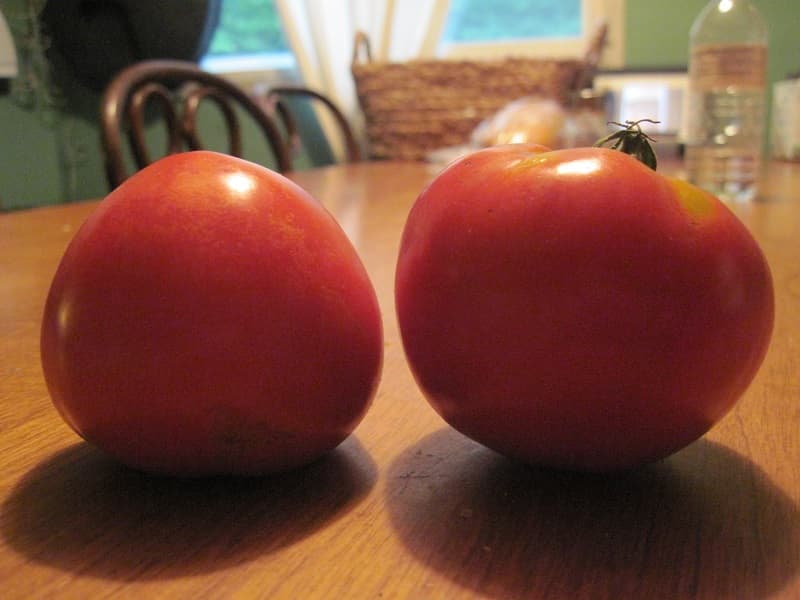 Celebrity Tomato
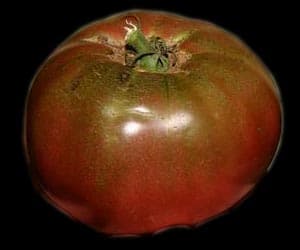 Cherokee Purple Tomato
 Cubanelle Pepper
 Early Girl Tomato
 Fairy Tale Eggplant
 Fingerling Potato
 Fresno Pepper
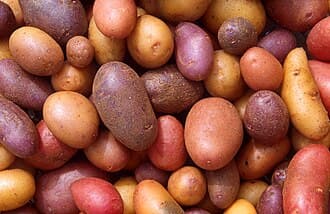 German Butterball Potato🍅German Queen Tomato
 Ghost Pepper
 Green Bell Pepper
 Green Zebra Tomato
 Habanero Pepper
 Hungarian Wax Pepper
 Indigo Rose Tomato
 Italian Eggplant
 Jalapeño Pepper
 Japanese Eggplant
 Juliet Grape Tomato
 Kellogg's Breakfast Tomato
 Kennebec Potato🍅La Roma IV Tomato
 Lemon Boy Tomato🍅Mortgage Lifter Tomato
 Mr. Stripey Tomato
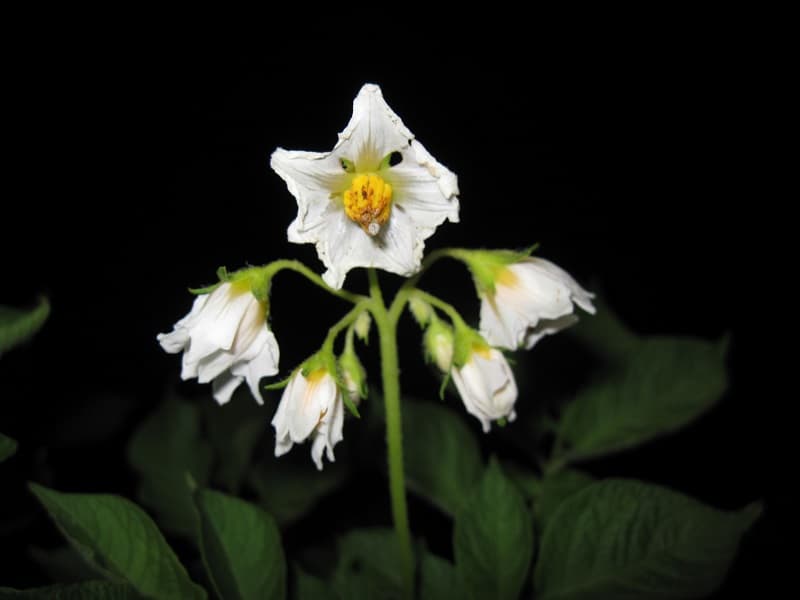 Norland Potato
 Orange Bell Pepper
 Padrón Pepper
 Pimento Pepper
 Pineapple Tomato
 Poblano Pepper
 Purple Bell Pepper🥔Purple Majesty Potato
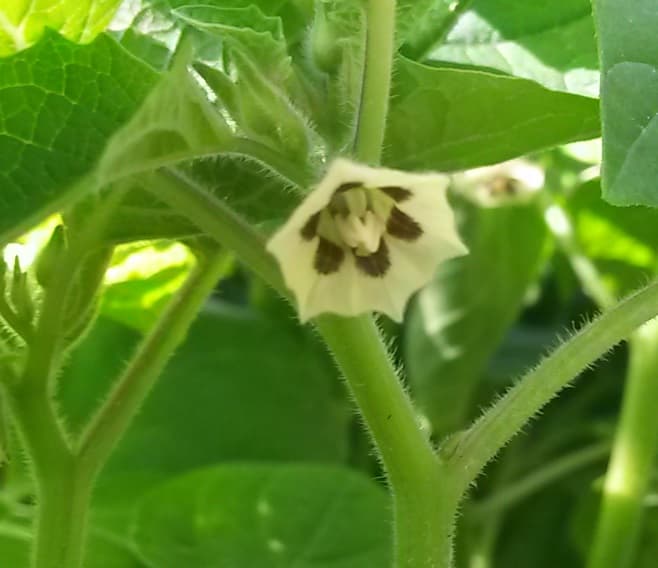 Purple Tomatillo
 Red Bell Pepper
 Red Pontiac Potato
 Roma Tomato🍆Rosa Bianca Eggplant
 Russet Potato🍅Rutgers Tomato
 San Marzano Tomato
 Scotch Bonnet Pepper
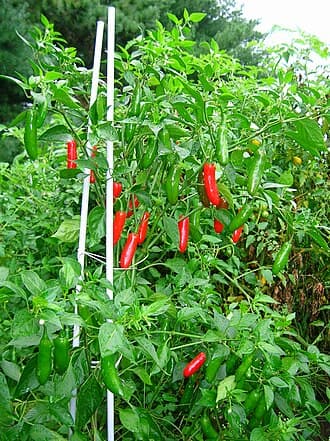 Serrano Pepper
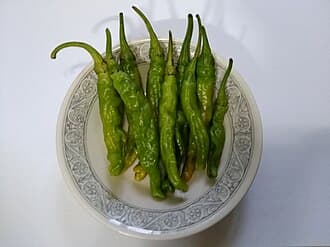 Shishito Pepper🍅Striped German Tomato🍅Sungold Cherry Tomato
 Sweet 100 Cherry Tomato
 Sweet Banana Pepper
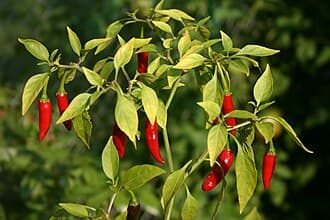 Thai Chili Pepper🍅Tiny Tim Cherry Tomato
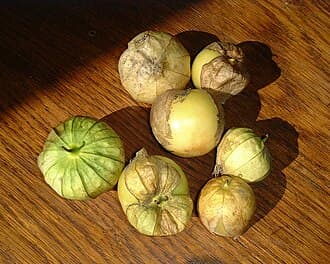 Toma Verde Tomatillo
 Trinidad Scorpion Pepper
 Yellow Bell Pepper
 Yellow Pear Tomato
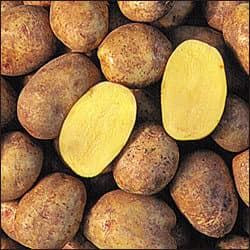 Yukon Gold Potato
For educational and informational purposes only. Disease management advice is general guidance drawn from university cooperative extension sources; always identify a problem positively and read and follow the label on any product before use, especially around food crops, children, and pets.