
Colorado Potato Beetle
Leptinotarsa decemlineata
A boldly striped beetle that, with its hump-backed red grubs, can strip a potato or eggplant of every leaf. It is a famously stubborn pest, quick to rebound and notorious for shrugging off insecticides, so hands-on control in the home garden is the surest route.
🔎 How to spot it
The adult is a rounded, half-inch beetle with ten black lengthwise stripes on yellow wing covers and an orange, black-spotted area behind the head. Clusters of bright yellow-orange eggs stand on end on leaf undersides, and the larvae are plump, humpbacked grubs, brick-red to salmon with a black head and two rows of black spots down each side. All stages are usually found together on the plant.
🥀 Damage it causes
Both the grubs and the adults eat the leaves and can completely defoliate a plant; the large, late-stage grubs do the great bulk of the feeding. Repeated defoliation slashes potato yields and can kill eggplant and young plants. Potato is the main host, along with eggplant, and sometimes tomato and pepper.
🛡️ Prevent it
Rotate nightshade crops as far as possible from where they grew the year before, since the beetles overwinter in the soil nearby and rotation delays and reduces their arrival. Mulch potatoes deeply with straw, which hampers the beetles, and cover plants with row cover until flowering. Scout early and often so you catch the first overwintered adults before they lay.
🧯 If it is already here
Handpick adults, crush the orange egg clusters on the leaf undersides, and knock the grubs into soapy water; in a garden, daily picking through the early generation keeps the beetle in check. Target the small young grubs if you treat, using spinosad or Bacillus thuringiensis var. tenebrionis, a strain specific to leaf beetles. Rotate any products, because this beetle develops resistance fast.
💡 Good to know
The Colorado potato beetle is legendary for evolving resistance to insecticide after insecticide, which is exactly why rotation, mulch, and handpicking are the backbone of home-garden control. Concentrate on the small larvae and the egg stage: the fourth and largest grub stage alone does about 85 percent of the feeding, so stopping them young saves the plant.
🌱 Plants it attacks
73 plants in the library can be attacked by this pest
 Adirondack Blue Potato
 Aji Amarillo Pepper🥔All Blue Potato
 Amish Paste Tomato
 Anaheim Pepper
 Banana Pepper
 Beauregard Sweet Potato🍅Beefmaster Tomato
 Better Boy Tomato🍅Big Beef Tomato
 Big Boy Tomato
 Black Beauty Eggplant
 Black Cherry Tomato
 Black Krim Tomato🍅Box Car Willie Tomato
 Brandywine Tomato
 Carolina Reaper Pepper
 Cayenne Pepper
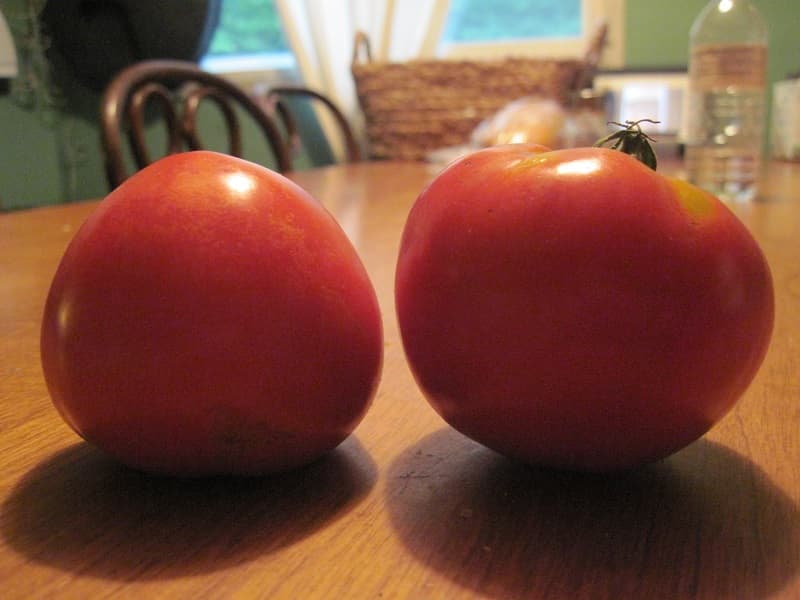 Celebrity Tomato
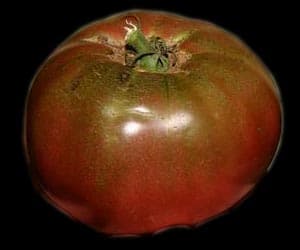 Cherokee Purple Tomato
 Cubanelle Pepper
 Early Girl Tomato
 Fairy Tale Eggplant
 Fingerling Potato
 Fresno Pepper
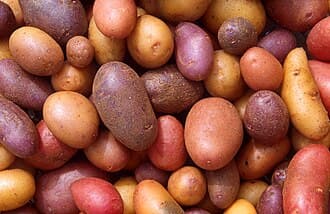 German Butterball Potato🍅German Queen Tomato
 Ghost Pepper
 Green Bell Pepper
 Green Zebra Tomato
 Habanero Pepper
 Hungarian Wax Pepper
 Indigo Rose Tomato
 Italian Eggplant
 Jalapeño Pepper
 Japanese Eggplant
 Juliet Grape Tomato
 Kellogg's Breakfast Tomato
 Kennebec Potato🍅La Roma IV Tomato
 Lemon Boy Tomato🍅Mortgage Lifter Tomato
 Mr. Stripey Tomato
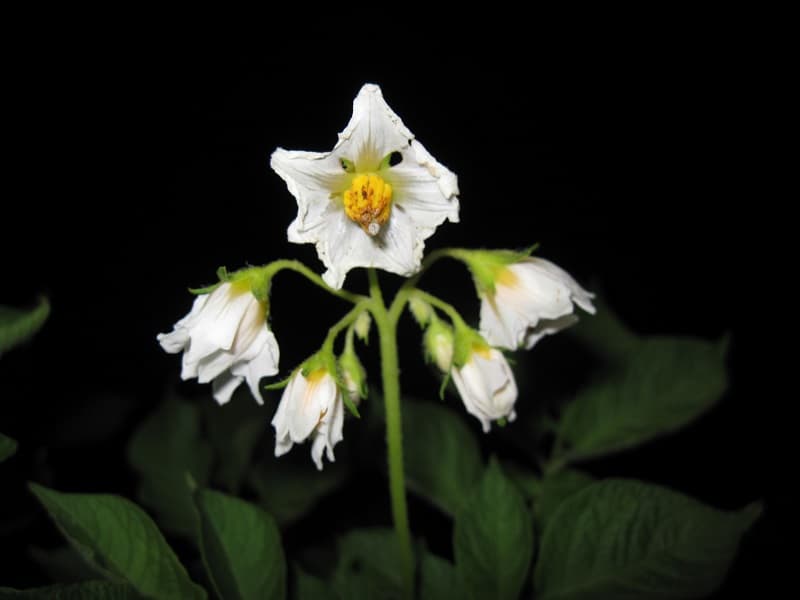 Norland Potato
 Orange Bell Pepper
 Padrón Pepper
 Pimento Pepper
 Pineapple Tomato
 Poblano Pepper
 Purple Bell Pepper🥔Purple Majesty Potato
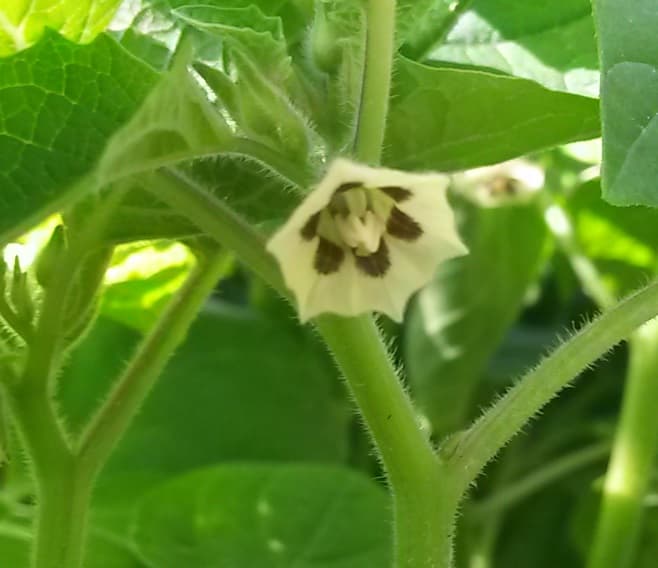 Purple Tomatillo
 Red Bell Pepper
 Red Pontiac Potato
 Roma Tomato🍆Rosa Bianca Eggplant
 Russet Potato🍅Rutgers Tomato
 San Marzano Tomato
 Scotch Bonnet Pepper
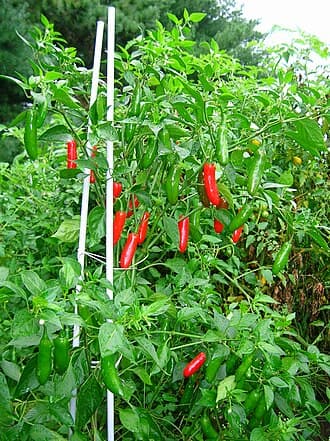 Serrano Pepper
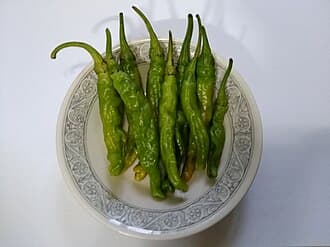 Shishito Pepper🍅Striped German Tomato🍅Sungold Cherry Tomato
 Sweet 100 Cherry Tomato
 Sweet Banana Pepper
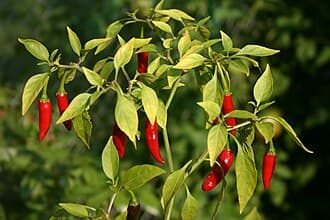 Thai Chili Pepper🍅Tiny Tim Cherry Tomato
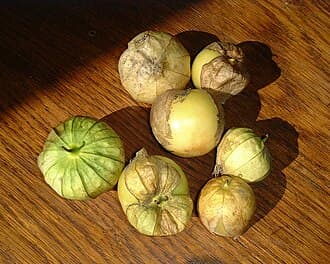 Toma Verde Tomatillo
 Trinidad Scorpion Pepper
 Yellow Bell Pepper
 Yellow Pear Tomato
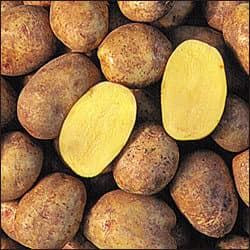 Yukon Gold Potato
For educational and informational purposes only. Pest control advice is general guidance drawn from university cooperative extension sources; always identify a pest positively and read and follow the label on any product before use, especially around food crops, children, and pets.