
Diamondback Moth
Plutella xylostella
A small moth whose green caterpillars are one of the most common and widespread pests of the cabbage family worldwide. Diamondback caterpillars chew small holes and windowpanes in the leaves of cabbage, broccoli, kale, and their kin, and because they breed fast and resist many insecticides, they can be surprisingly hard to control.
🔎 How to spot it
The caterpillars are small, up to about a third of an inch, pale green, and pointed at both ends, and they wriggle backward rapidly and may drop on a silk thread when disturbed. Look for small holes and windowpane patches where they graze one leaf surface, on the undersides and growing points of brassicas. The little gray-brown moth folds its wings to show a row of pale diamond marks down the back.
🥀 Damage it causes
The caterpillars chew the leaves of all cole crops, cabbage, broccoli, cauliflower, kale, Brussels sprouts, and more, leaving small holes and windowpanes, and they favor the growing points and developing heads. Beyond the feeding, their bodies and droppings contaminating broccoli and cauliflower heads are a major reason a crop becomes unmarketable.
🛡️ Prevent it
Cover cole crops with floating row cover from transplanting to keep the moths from laying eggs, and rotate brassicas away from last year beds. Scout the undersides and growing tips for the small green larvae, and protect the many natural enemies, especially parasitic wasps, that keep diamondback moth in check when broad-spectrum sprays are avoided. Clean up brassica debris after harvest.
🧯 If it is already here
Handpick on a few plants. For larger numbers, the organic sprays Bacillus thuringiensis (Bt) and spinosad work well on the small caterpillars, but the insect is notorious for developing resistance, so rotate among different products and do not rely on one. Aim sprays at the undersides and growing points, and lean on row cover and natural enemies as the foundation.
💡 Good to know
Diamondback moth is one of the most widespread crop pests in the world and famous for outrunning insecticides, having developed resistance to nearly every class thrown at it, which is why rotating controls and leaning on row cover and parasitic wasps matters so much. It cannot survive hard winters in the north and re-invades each year from the south.
🌱 Plants it attacks
42 plants in the library can be attacked by this pest
 Arugula🥕Black Spanish Radish
 Bok Choy
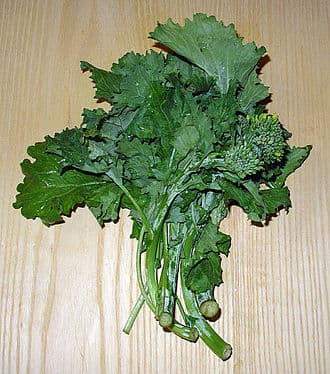 Broccoli Rabe
 Brussels Sprouts
 Calabrese Broccoli🥬Champion Collards
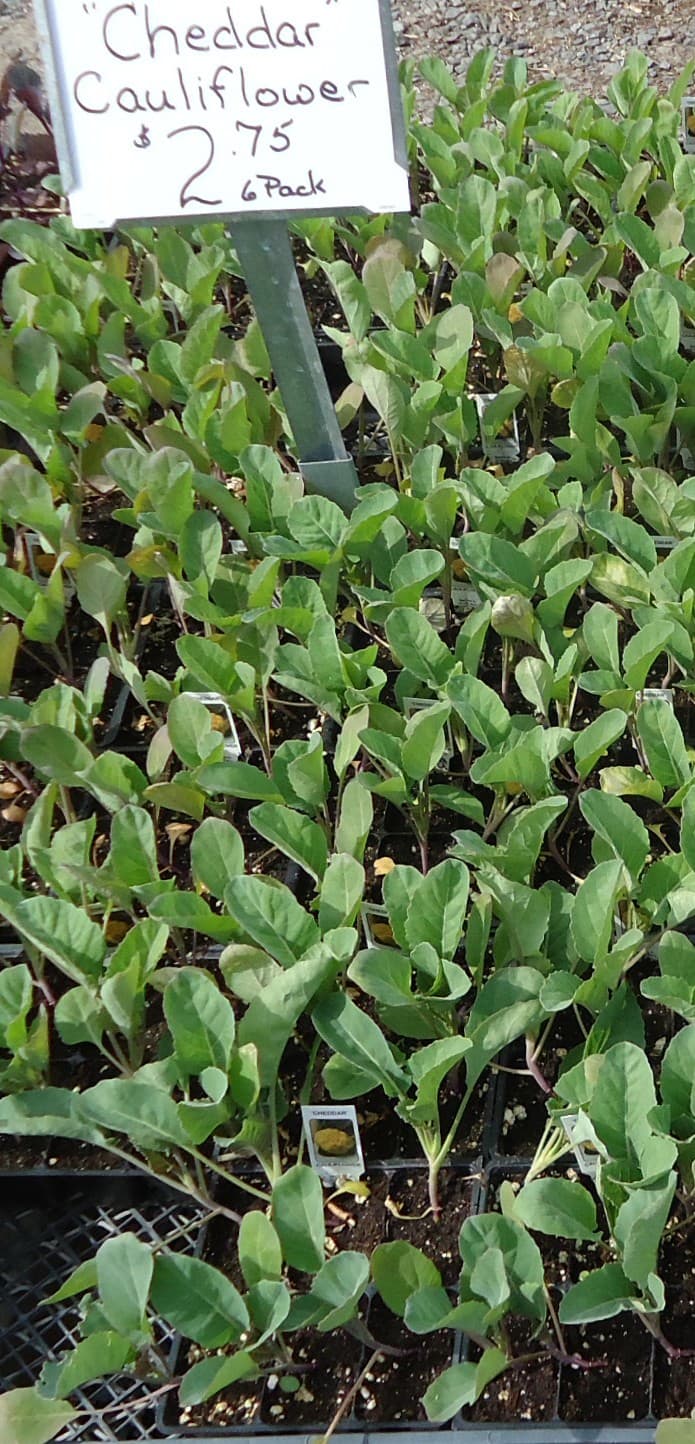 Cheddar Cauliflower
 Cherry Belle Radish
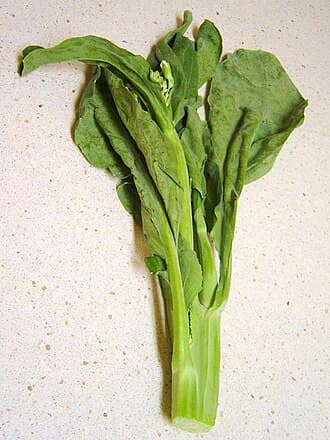 Chinese Broccoli
 Choy Sum
 Daikon Radish
 De Cicco Broccoli
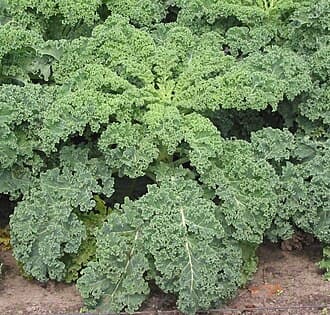 Dwarf Blue Curled Vates Kale🥬Dwarf Siberian Kale🌸Easter Egg Radish🥕French Breakfast Radish
 Green Cabbage
 Hakurei Turnip
 Horseradish
 January King Cabbage
 Kohlrabi
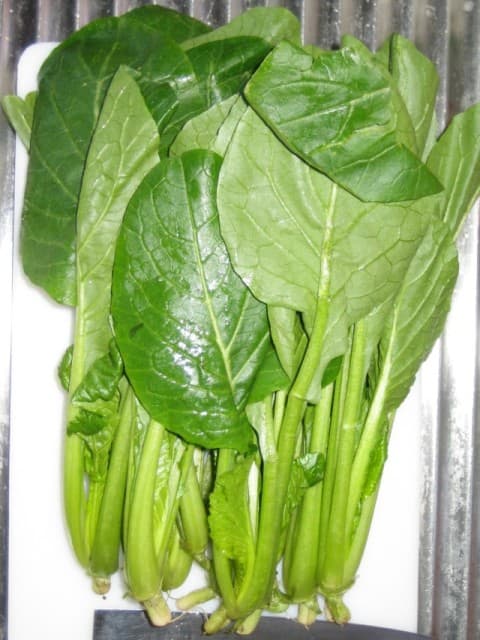 Komatsuna
 Lacinato Kale
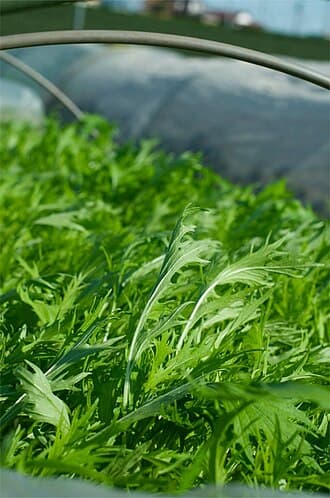 Mizuna
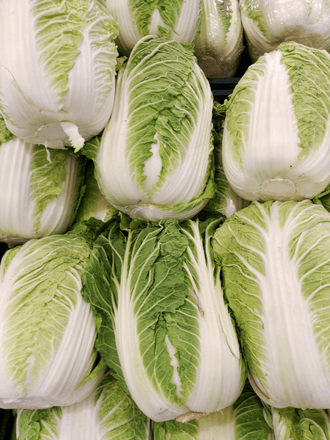 Napa Cabbage🥦Purple Cape Cauliflower
 Purple Sprouting Broccoli
 Purple Top Turnip
 Red Cabbage
 Red Russian Kale
 Redbor Kale
 Romanesco Cauliflower
 Rutabaga
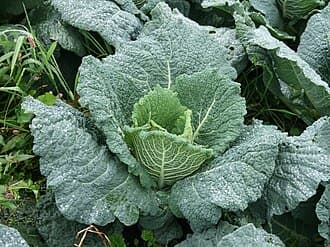 Savoy Cabbage
 Sea Kale🥦Snowball Cauliflower
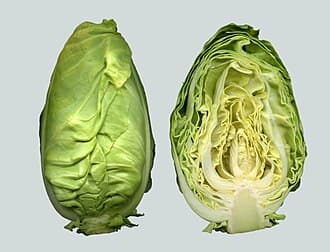 Sweetheart Cabbage
 Tatsoi
 Watercress🥕Watermelon Radish
 White Mustard
For educational and informational purposes only. Pest control advice is general guidance drawn from university cooperative extension sources; always identify a pest positively and read and follow the label on any product before use, especially around food crops, children, and pets.