
Potato Psyllid
Bactericera cockerelli
A tiny sap-sucking insect, like a miniature winged aphid or cicada, whose feeding injects a toxin that yellows and stunts potatoes, tomatoes, and peppers, a condition called psyllid yellows. It can also carry a bacterium that causes zebra chip disease in potatoes, making this small insect a serious threat to nightshade crops.
🔎 How to spot it
Adults are about an eighth inch, aphid-like but jumping and winged, with clear wings held roof-like over the body. The flattened, scale-like nymphs are pale green to orange with a fringe of fine hairs and feed on the undersides of leaves. Look for the symptoms of psyllid yellows: yellowing or purpling, upward leaf curling, stunting, and shortened upper growth, plus tiny white granules of psyllid sugar on the leaves.
🥀 Damage it causes
As the nymphs and adults suck sap, they inject a toxin that causes psyllid yellows, curling, yellowing or purpling, and stunting the plant, with reduced, poor-quality fruit and small, rough-skinned, prematurely sprouting potatoes. They can also transmit the bacterium that causes zebra chip in potatoes, which streaks the tubers and ruins them, a more damaging problem than the yellows alone.
🛡️ Prevent it
Monitor early with yellow sticky cards and by checking leaf undersides for the flat nymphs and eggs, since early detection is key. Floating row cover protects young plants from the migrating adults. Control nightshade-family weeds that host the psyllid, and where zebra chip has occurred, plan protection from the start of the season.
🧯 If it is already here
There are few effective non-chemical controls once psyllids are established, so prevention and early detection matter most. Where psyllids are confirmed and especially where zebra chip is a risk, labeled insecticides targeting the nymphs can be warranted; insecticidal soaps and oils help on small plantings. Remove and destroy severely affected plants.
💡 Good to know
The same insect is called the potato psyllid and the tomato psyllid, and its real danger in potato country is less the psyllid yellows than the zebra chip disease it can spread, which shows up as dark streaks in fried potatoes. Checking leaf undersides for the flat, scale-like nymphs is the way to catch it before damage builds.
🌱 Plants it attacks
73 plants in the library can be attacked by this pest
 Adirondack Blue Potato
 Aji Amarillo Pepper🥔All Blue Potato
 Amish Paste Tomato
 Anaheim Pepper
 Banana Pepper
 Beauregard Sweet Potato🍅Beefmaster Tomato
 Better Boy Tomato🍅Big Beef Tomato
 Big Boy Tomato
 Black Beauty Eggplant
 Black Cherry Tomato
 Black Krim Tomato🍅Box Car Willie Tomato
 Brandywine Tomato
 Carolina Reaper Pepper
 Cayenne Pepper
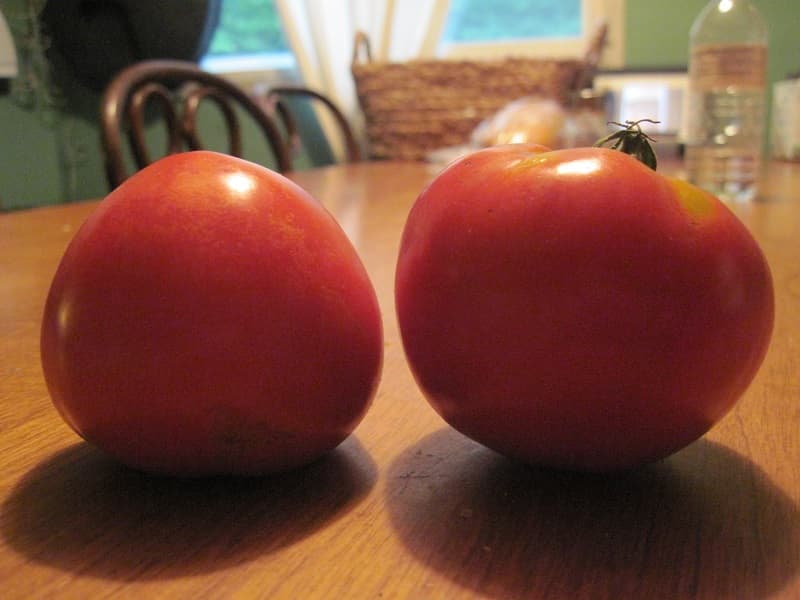 Celebrity Tomato
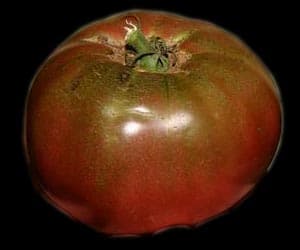 Cherokee Purple Tomato
 Cubanelle Pepper
 Early Girl Tomato
 Fairy Tale Eggplant
 Fingerling Potato
 Fresno Pepper
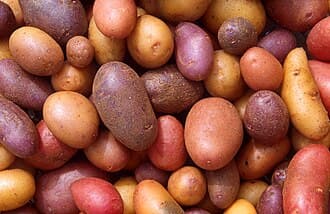 German Butterball Potato🍅German Queen Tomato
 Ghost Pepper
 Green Bell Pepper
 Green Zebra Tomato
 Habanero Pepper
 Hungarian Wax Pepper
 Indigo Rose Tomato
 Italian Eggplant
 Jalapeño Pepper
 Japanese Eggplant
 Juliet Grape Tomato
 Kellogg's Breakfast Tomato
 Kennebec Potato🍅La Roma IV Tomato
 Lemon Boy Tomato🍅Mortgage Lifter Tomato
 Mr. Stripey Tomato
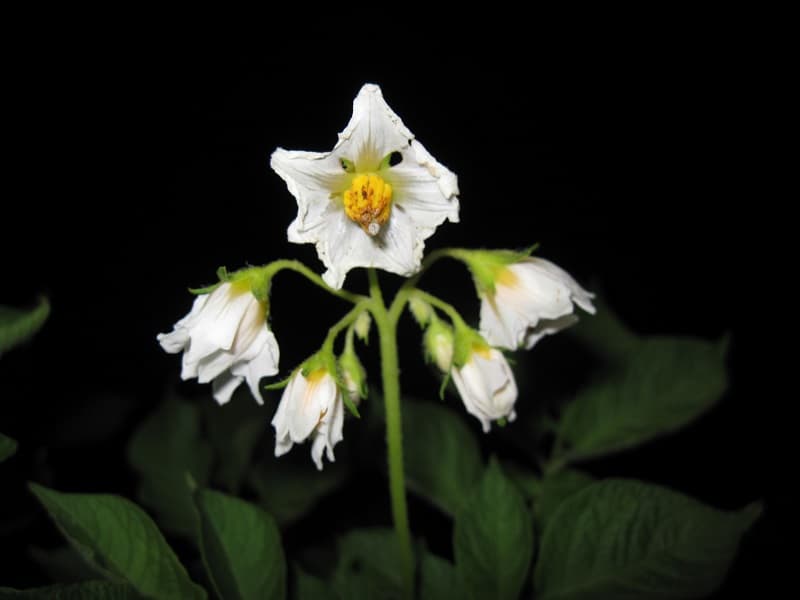 Norland Potato
 Orange Bell Pepper
 Padrón Pepper
 Pimento Pepper
 Pineapple Tomato
 Poblano Pepper
 Purple Bell Pepper🥔Purple Majesty Potato
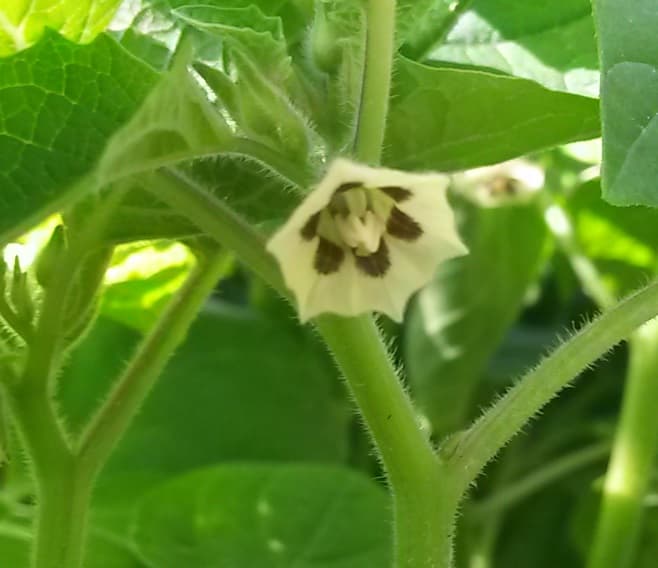 Purple Tomatillo
 Red Bell Pepper
 Red Pontiac Potato
 Roma Tomato🍆Rosa Bianca Eggplant
 Russet Potato🍅Rutgers Tomato
 San Marzano Tomato
 Scotch Bonnet Pepper
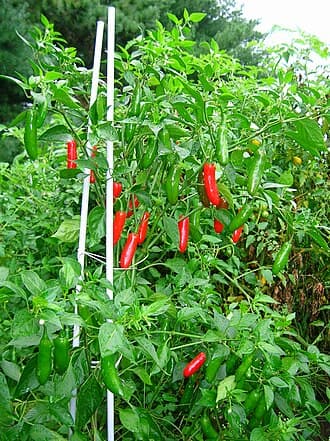 Serrano Pepper
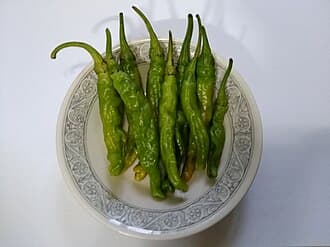 Shishito Pepper🍅Striped German Tomato🍅Sungold Cherry Tomato
 Sweet 100 Cherry Tomato
 Sweet Banana Pepper
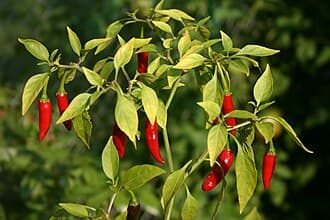 Thai Chili Pepper🍅Tiny Tim Cherry Tomato
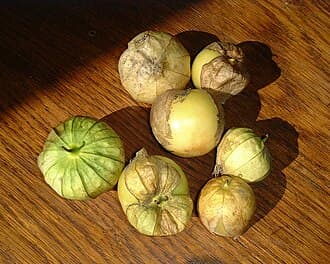 Toma Verde Tomatillo
 Trinidad Scorpion Pepper
 Yellow Bell Pepper
 Yellow Pear Tomato
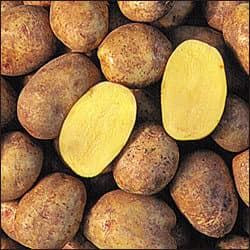 Yukon Gold Potato
For educational and informational purposes only. Pest control advice is general guidance drawn from university cooperative extension sources; always identify a pest positively and read and follow the label on any product before use, especially around food crops, children, and pets.