
Blossom-End Rot
A common and frustrating disorder, not a disease, in which the bottom of the fruit turns into a sunken brown leathery patch. It strikes tomatoes most often, along with peppers, squash, eggplant, and melons, and is usually worst on the first fruit of the season. It comes from a calcium shortage in the fruit, almost always driven by uneven watering rather than by a lack of calcium in the soil.
🔎 How to spot it
Look for a water-soaked spot at the blossom end, the bottom of the fruit opposite the stem, that enlarges into a sunken, flat, dark brown to black leathery patch. It can affect green or ripening fruit and may cover up to half the fruit. Secondary molds sometimes colonize the dead tissue. The rest of the fruit usually looks and tastes normal.
🥀 Damage it causes
Affected fruit is disfigured and unusable, and the loss often hits the earliest and largest fruit hardest. The problem can recur through a flush of fruit until growing conditions even out. It does not spread from plant to plant and does not infect leaves or stems.
🔬 What causes it
Blossom-end rot is a calcium deficiency inside the developing fruit. Because calcium moves with water through the plant, anything that disrupts steady water uptake, swings between wet and dry soil, drought, root damage, heavy nitrogen feeding, or rapid growth in hot weather, can starve the fruit of calcium even when the soil has plenty. Most garden soils already contain enough calcium.
🛡️ Prevent it
Keep soil moisture even and steady, watering deeply and regularly rather than letting plants swing from dry to soaked. Mulch to conserve moisture and buffer the swings. Avoid heavy nitrogen, especially fast-release forms, and do not damage roots when cultivating near the plant. Test the soil and add lime only if it confirms low calcium or low pH. Harden off and plant out so early fruit sets under steadier conditions.
🧯 If it is already here
There is no cure for an affected fruit, so pick and discard the damaged ones to let the plant put energy into new fruit. Then correct the watering, since even, consistent moisture is the real fix. Foliar calcium sprays are widely sold but give little reliable benefit, because fruit takes up very little calcium through its skin. Conditions usually improve on their own as the weather steadies.
💡 Good to know
Blossom-end rot is a symptom of water management, not a soil calcium problem, which is why adding calcium rarely helps. It is most common early in the season and on the first fruit, then tapers off as the root system matures and the weather settles. Container plants are especially prone because their soil dries out fast.
🌱 Plants it affects
102 plants in the library can be affected by this problem
 Acorn Squash
 Aji Amarillo Pepper
 Amish Paste Tomato
 Anaheim Pepper
 Armenian Cucumber
 Atlantic Giant Pumpkin
 Banana Pepper🍅Beefmaster Tomato
 Better Boy Tomato🍅Big Beef Tomato
 Big Boy Tomato
 Bitter Melon
 Black Beauty Eggplant
 Black Beauty Zucchini
 Black Cherry Tomato🍉Black Diamond Watermelon
 Black Krim Tomato🥒Boston Pickling Cucumber🍅Box Car Willie Tomato
 Brandywine Tomato
 Buttercup Squash
 Butternut Squash
 Carolina Reaper Pepper
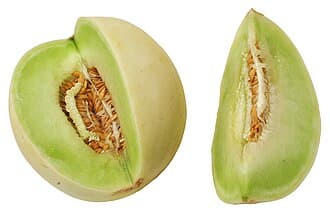 Casaba Melon
 Cayenne Pepper
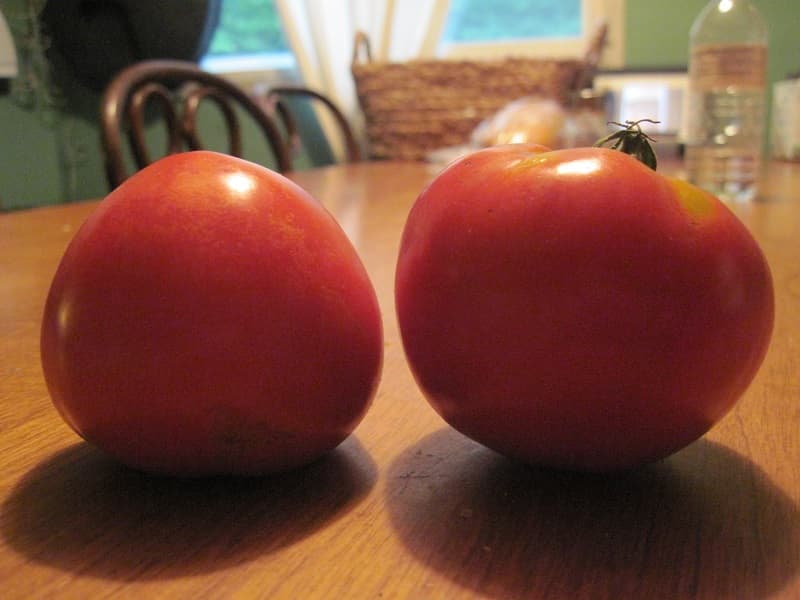 Celebrity Tomato
 Charleston Gray Watermelon
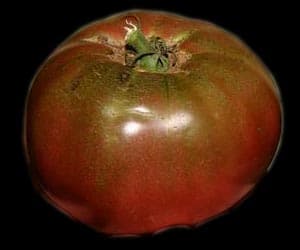 Cherokee Purple Tomato
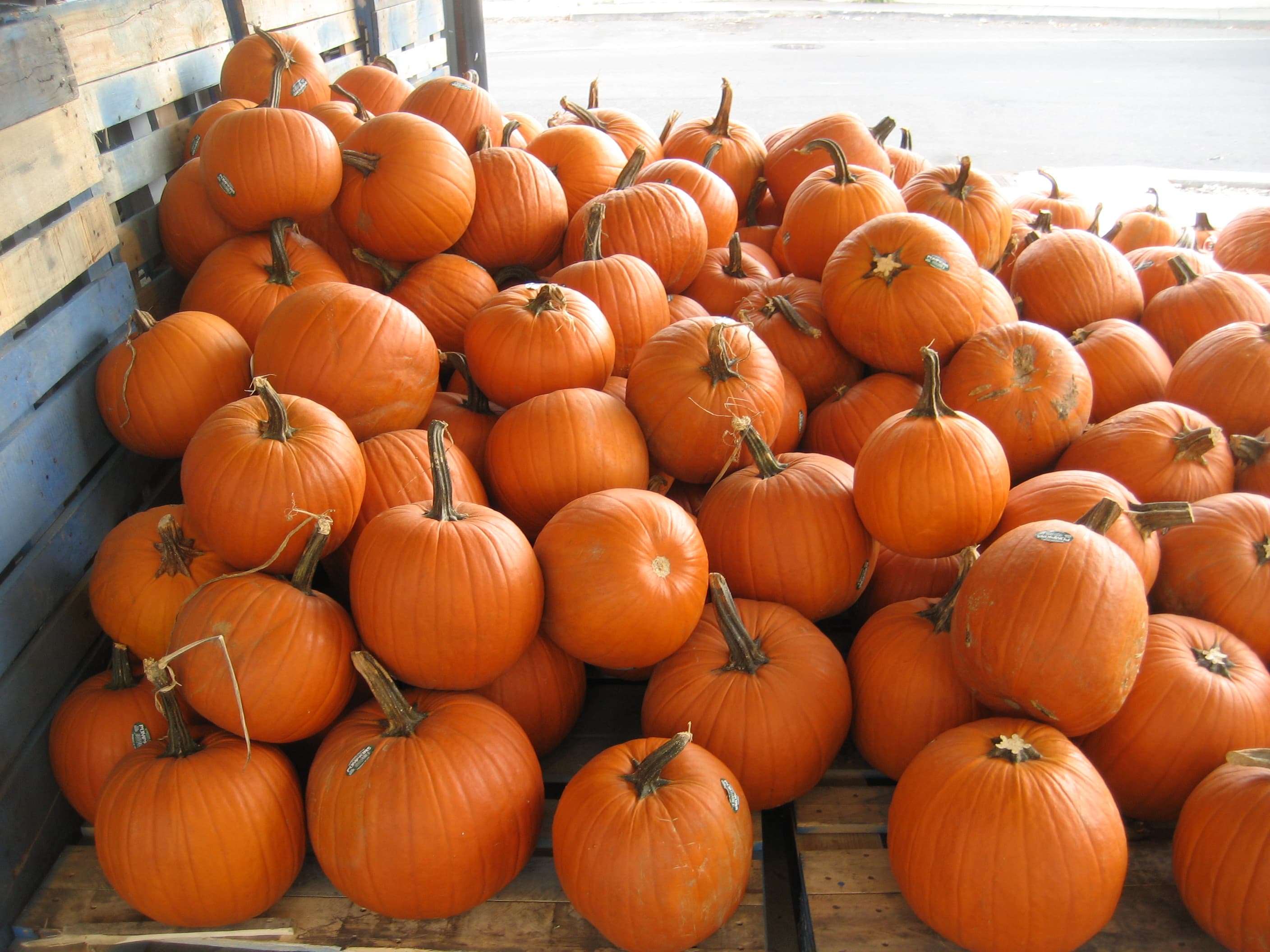 Cinderella Pumpkin
 Costata Romanesco Zucchini
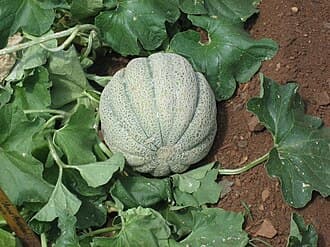 Crenshaw Melon
 Crimson Sweet Watermelon
 Cubanelle Pepper
 Delicata Squash🥒Diva Cucumber
 Early Girl Tomato🥒English Cucumber
 Fairy Tale Eggplant
 Fresno Pepper
 Galia Melon🍅German Queen Tomato
 Ghost Pepper
 Green Bell Pepper
 Green Zebra Tomato
 Habanero Pepper
 Honeydew Melon
 Hubbard Squash
 Hungarian Wax Pepper
 Indigo Rose Tomato
 Italian Eggplant
 Jack-O-Lantern Pumpkin
 Jalapeño Pepper
 Japanese Eggplant🍉Jubilee Watermelon
 Juliet Grape Tomato
 Kabocha Squash
 Kellogg's Breakfast Tomato
 Kirby Cucumber🍅La Roma IV Tomato
 Lemon Boy Tomato
 Lemon Cucumber
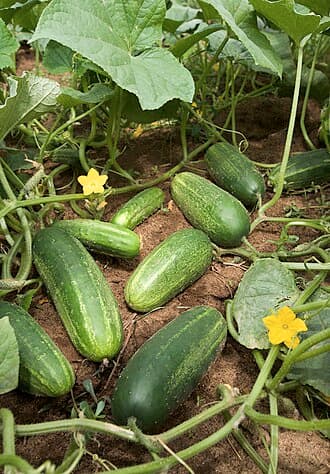 Marketmore Cucumber🍉Mini Love Watermelon🍉Moon and Stars Watermelon🍅Mortgage Lifter Tomato
 Mr. Stripey Tomato
 Orange Bell Pepper🍉Orangeglo Watermelon
 Padrón Pepper
 Pattypan Squash
 Persian Cucumber
 Pickling Cucumber
 Pimento Pepper
 Pineapple Tomato
 Poblano Pepper
 Purple Bell Pepper
 Red Bell Pepper
 Roma Tomato🍆Rosa Bianca Eggplant🍅Rutgers Tomato
 San Marzano Tomato
 Scotch Bonnet Pepper
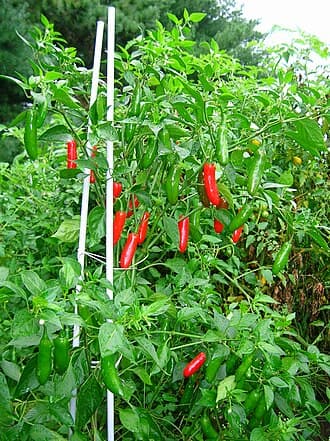 Serrano Pepper
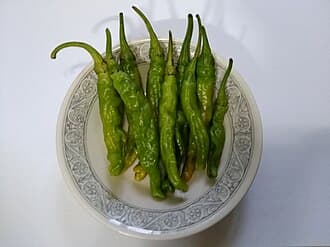 Shishito Pepper
 Spaghetti Squash🍅Striped German Tomato
 Sugar Baby Watermelon🎃Sugar Pie Pumpkin🍅Sungold Cherry Tomato
 Suyo Long Cucumber
 Sweet 100 Cherry Tomato
 Sweet Banana Pepper
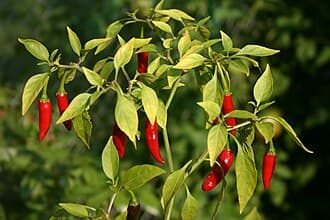 Thai Chili Pepper🍅Tiny Tim Cherry Tomato
 Trinidad Scorpion Pepper
 Tromboncino Squash
 Winter Melon
 Yellow Bell Pepper
 Yellow Crookneck Squash🍉Yellow Doll Watermelon
For educational and informational purposes only. Disease management advice is general guidance drawn from university cooperative extension sources; always identify a problem positively and read and follow the label on any product before use, especially around food crops, children, and pets.