
Apple Maggot
Rhagoletis pomonella
A native fly whose maggots tunnel through apples (and sometimes plums and pears), leaving the fruit dimpled outside and brown-trailed and rotten inside. Nicknamed the railroad worm for the winding tracks it bores, it is a leading cause of wormy backyard apples in the North and East.
🔎 How to spot it
The adult is a small fly, a bit smaller than a housefly, black with a white spot on its back and clear wings marked with dark bands in an F-shaped pattern. The maggot is a white, legless grub up to a quarter inch in the fruit. Outside, look for the dimpled, pitted egg-laying punctures on the apple skin; inside, brown winding tunnels and breakdown of the flesh.
🥀 Damage it causes
Females puncture the skin to lay eggs, leaving pits and dimples, and the maggots tunnel through the flesh, creating brown, winding, often bacteria-laden trails that cause the apple to rot and become unusable. Early-season feeding pocks the surface; the internal tunneling is the worse damage. Apple and crabapple are the main hosts, with some plum and pear.
🛡️ Prevent it
Pick up and destroy dropped apples at least weekly through the season, since fallen fruit carries the maggots into the soil to pupate for next year; this sanitation is one of the most effective home measures. It works best when there are no neglected, unsprayed apple or crabapple trees nearby acting as a reservoir.
🧯 If it is already here
Hang sticky red sphere traps baited with an apple-scent lure to catch the flies; in a small planting, setting out enough traps (about one per hundred fruit) can trap out the adults and reduce damage, and the traps also time any spray to when flies are caught. Combine trapping with diligent removal of drops. Bagging individual fruit also excludes the fly on a small tree.
💡 Good to know
The red-sphere sticky trap is the signature tool for apple maggot, working both to monitor when the flies arrive and, in numbers, to trap them out of a small planting. Sanitation is its essential partner, because nearby wild or neglected apple and crabapple trees will keep reseeding the problem no matter what you do on your own tree.
🌱 Plants it attacks
34 plants in the library can be attacked by this pest
 Anjou Pear
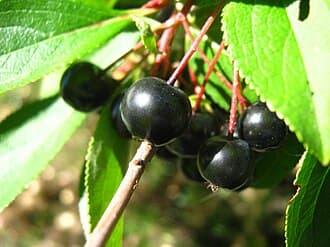 Aronia
 Asian Pear
 Aunt Molly's Ground Cherry
 Bartlett Pear
 Beach Plum
 Bing Cherry
 Black Tartarian Cherry
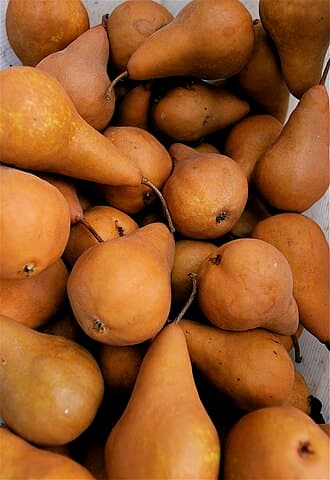 Bosc Pear
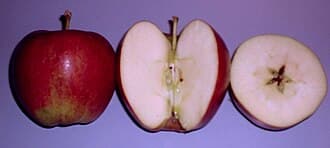 Braeburn Apple
 Champagne Loquat
 Cornelian Cherry
 Cortland Apple
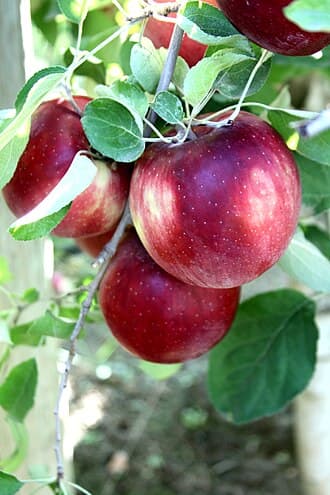 Cosmic Crisp Apple
 Damson Plum
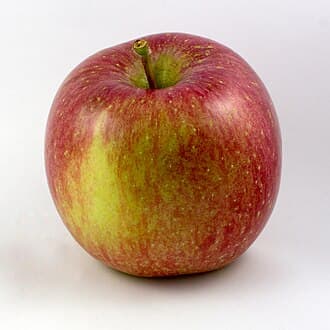 Fuji Apple
 Gala Apple
 Granny Smith Apple
 Hawthorn
 Honeycrisp Apple
 Indian Hawthorn
 McIntosh Apple
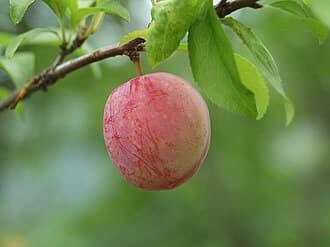 Methley Plum
 Montmorency Cherry
 Nanking Cherry
 Pink Lady Apple
 Prickly Pear
 Quince
 Rainier Cherry
 Red Delicious Apple
 Regent Saskatoon
 Stanley Plum
 Sugar Apple
 Texas Scarlet Flowering Quince
For educational and informational purposes only. Pest control advice is general guidance drawn from university cooperative extension sources; always identify a pest positively and read and follow the label on any product before use, especially around food crops, children, and pets.