
Brown Rot
Monilinia fructicola
The most serious disease of stone fruit, brown rot blights spring blossoms and twigs and then rots the ripening fruit, sometimes turning a sound peach to mush within a day. It hits peaches, nectarines, plums, cherries, and apricots, and in warm, wet weather it can destroy much of a backyard crop on the tree and in storage.
🔎 How to spot it
In spring, look for blossoms that suddenly wilt, brown, and stick to the twig, with small cankers and oozing gum where the blight runs into the wood. On ripening fruit, look for small brown spots that spread fast over the whole fruit, soon covered with tan to gray tufts of powdery spores. Rotted fruit shrivels into a hard, dark mummy that may cling to the branch over winter.
🥀 Damage it causes
Brown rot kills blossoms and the twigs behind them, and then rots fruit as it ripens and after harvest, so that fruit can collapse within hours in warm, humid weather. A bad year can cost most of the crop, and the mummified fruit and twig cankers carry the fungus into the next season.
🔬 What causes it
Brown rot is caused by the fungus Monilinia fructicola, which overwinters in mummified fruit and twig cankers. In spring its spores infect open blossoms, and later, wounds and ripening fruit, with warm, wet, humid weather strongly favoring infection and spread. Insect injury and skin breaks give the fungus easy entry into the fruit.
🛡️ Prevent it
Plant where air moves and sun reaches the fruit, and prune for an open canopy that dries fast. Remove and destroy every mummified fruit and pruned-out cankered twig, the key overwintering sources. Thin fruit so they do not touch, control the insects that wound fruit, and avoid wetting blossoms and fruit when watering. Choose less susceptible varieties where you can.
🧯 If it is already here
Pick and destroy rotting and mummified fruit promptly so they do not seed new infections. On susceptible trees in wet springs, protectant fungicides applied at early bloom and again at full bloom, and as fruit nears ripening, reduce infection; follow the label. Sanitation, removing mummies and cankers, plus good airflow does much of the work without spraying.
💡 Good to know
The clinging brown mummies are both the diagnostic sign and the fungus winter home, so stripping them off the tree and the ground each year breaks much of the cycle. Brown rot moves astonishingly fast in warm, humid weather, which is why prompt removal of the first rotting fruit matters so much. Bagging individual fruit can protect a small backyard crop.
🌱 Plants it affects
34 plants in the library can be affected by this problem
 Almond
 Anjou Pear
 Asian Pear
 Aunt Molly's Ground Cherry
 Bartlett Pear
 Beach Plum
 Bing Cherry
 Black Tartarian Cherry
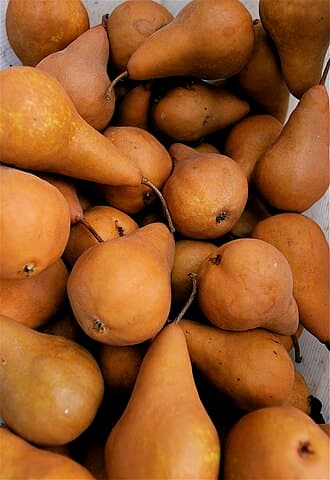 Bosc Pear
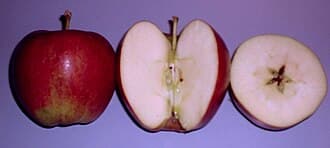 Braeburn Apple
 Chokecherry
 Contender Peach
 Cornelian Cherry
 Cortland Apple
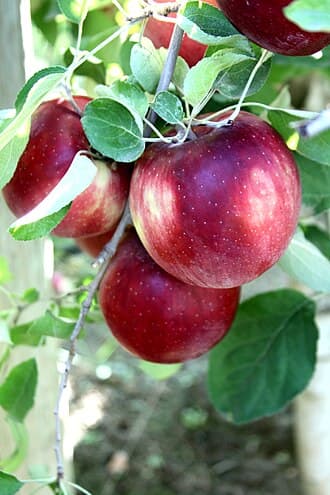 Cosmic Crisp Apple
 Damson Plum
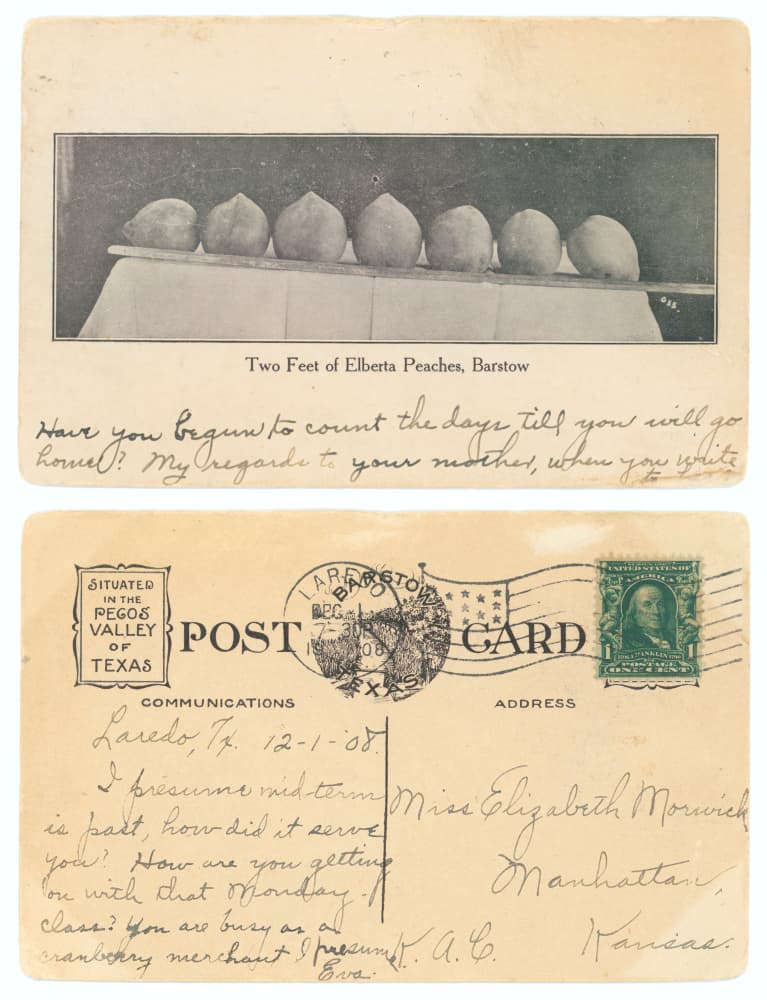 Elberta Peach
 Fantasia Nectarine
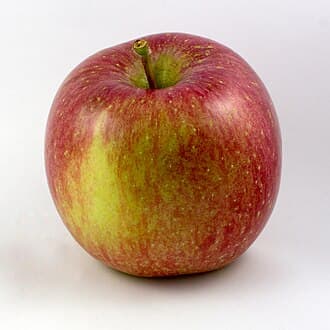 Fuji Apple
 Gala Apple
 Granny Smith Apple
 Honeycrisp Apple
 McIntosh Apple
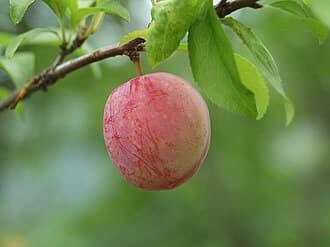 Methley Plum
 Montmorency Cherry
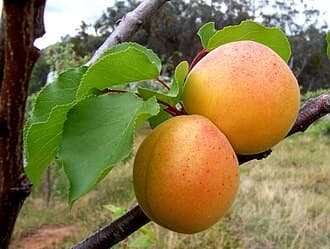 Moorpark Apricot
 Nanking Cherry
 Pink Lady Apple
 Prickly Pear
 Rainier Cherry
 Red Delicious Apple
 Redhaven Peach
 Stanley Plum
 Sugar Apple
For educational and informational purposes only. Disease management advice is general guidance drawn from university cooperative extension sources; always identify a problem positively and read and follow the label on any product before use, especially around food crops, children, and pets.