
Plum Curculio
Conotrachelus nenuphar
A small snout beetle that is a major pest of tree fruit in the East and Midwest, scarring and infesting apples, cherries, peaches, and plums. The female cuts a distinctive crescent-shaped scar into young fruit as she lays her egg, and the grub tunnels the fruit, which often drops early.
🔎 How to spot it
The adult is a quarter-inch, rough, dark brown beetle mottled with gray and white, with four bumps on its wing covers and a curved snout; disturbed, it folds its legs and drops, playing dead. The unmistakable sign is the egg-laying scar on young fruit: a small crescent or D-shaped cut beside the puncture. The legless, grayish-white grub with a brown head feeds inside the fruit.
🥀 Damage it causes
Adults feed on buds, blossoms, and fruit, and females carve the telltale crescent scars while laying eggs in the young fruit; the grubs then tunnel the flesh, and much of the infested fruit drops prematurely. Fruit that hangs on is scarred, dimpled, and often misshapen. Apple, cherry, peach, plum, and nectarine are all hosts.
🛡️ Prevent it
Pick up and destroy dropped fruit promptly through the early season, since it carries grubs that would otherwise mature in the soil. A well-timed response right after petal fall, when the overwintered adults move in during the first warm days, is the critical window. Because the beetles drop when jarred, they can be controlled in part by mechanical means in a small planting.
🧯 If it is already here
On a backyard tree, jarring is a classic tactic: in the cool morning, spread a sheet under the tree and sharply tap the branches with a padded pole so the playing-dead beetles fall, then collect and destroy them, repeating through the petal-fall period. Sanitation of drops is essential. If spraying, target the petal-fall window when adults invade, since sprays do nothing to grubs already inside the fruit.
💡 Good to know
The crescent-shaped scar on young fruit is the signature that tells plum curculio from other fruit pests. The make-or-break period is the first warm days after petal fall, when adults move in to feed and lay, so timing and prompt removal of dropped fruit matter far more than later-season effort.
🌱 Plants it attacks
35 plants in the library can be attacked by this pest
 Anjou Pear
 Asian Pear
 Aunt Molly's Ground Cherry
 Bartlett Pear
 Beach Plum
 Bing Cherry
 Black Tartarian Cherry
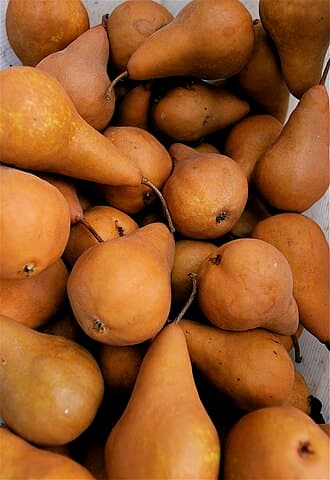 Bosc Pear
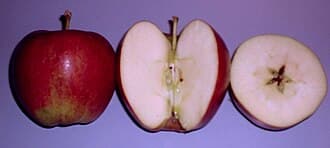 Braeburn Apple
 Chokecherry
 Contender Peach
 Cornelian Cherry
 Cortland Apple
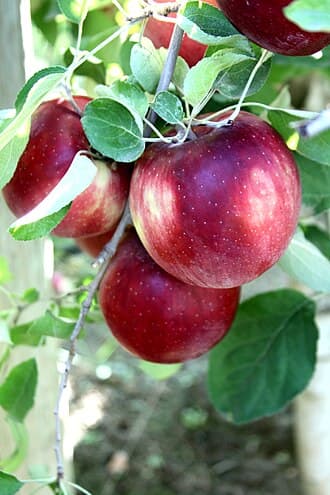 Cosmic Crisp Apple
 Damson Plum
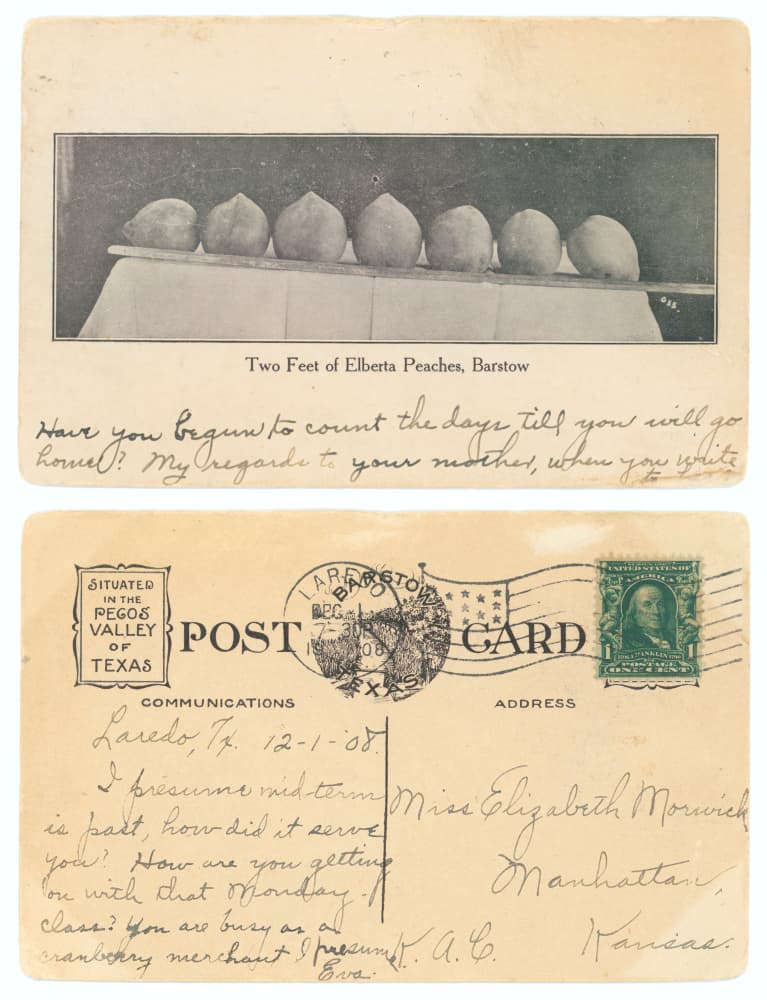 Elberta Peach
 Fantasia Nectarine
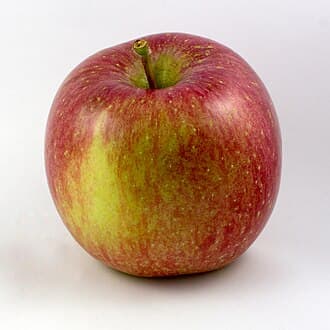 Fuji Apple
 Gala Apple
 Granny Smith Apple
 Honeycrisp Apple
 McIntosh Apple
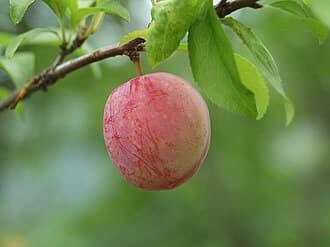 Methley Plum
 Montmorency Cherry
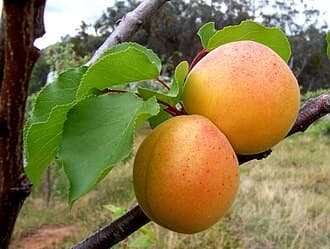 Moorpark Apricot
 Nanking Cherry
 Pink Lady Apple
 Prickly Pear
 Quince
 Rainier Cherry
 Red Delicious Apple
 Redhaven Peach
 Stanley Plum
 Sugar Apple
 Texas Scarlet Flowering Quince
For educational and informational purposes only. Pest control advice is general guidance drawn from university cooperative extension sources; always identify a pest positively and read and follow the label on any product before use, especially around food crops, children, and pets.