
Spongy Moth
Lymantria dispar
An invasive moth, formerly called the gypsy moth, whose caterpillars defoliate oaks and many other trees in periodic outbreaks. In a bad year spongy moth caterpillars can strip whole trees and rain droppings over a yard, and repeated defoliation stresses and can kill trees, especially when paired with drought or other problems.
🔎 How to spot it
Look for hairy caterpillars up to two inches long with five pairs of blue spots followed by six pairs of red spots down the back. The females are near-white moths that do not fly; the males are brown. The unmistakable sign is the tan, fuzzy, felt-like egg masses, about the size of a quarter or larger, laid in late summer on bark, branches, fences, firewood, vehicles, and almost any sheltered surface.
🥀 Damage it causes
The caterpillars feed on the leaves of oaks and hundreds of other trees and shrubs and, in outbreak years, can completely defoliate them. A single defoliation rarely kills a healthy tree, which usually releafs, but repeated years of defoliation, especially together with drought or other stress, weaken trees and can kill them, and the swarming caterpillars and droppings are a serious nuisance.
🛡️ Prevent it
Scout in late summer, fall, and winter for the fuzzy tan egg masses and scrape them into soapy water to cut the next generation. Do not move firewood or outdoor items with egg masses on them, the main way the insect spreads to new areas. Keep trees watered and healthy so they better withstand defoliation, and report new infestations to your state agriculture office.
🧯 If it is already here
Destroy egg masses through fall and winter, and wrap trunks with a barrier or burlap band to trap and collect climbing caterpillars in spring. For young caterpillars on accessible trees, the organic spray Bacillus thuringiensis (Bt) is effective; larger outbreaks are managed by area-wide programs using pheromone mating disruption and biological controls. Tolerate light feeding on healthy trees.
💡 Good to know
Spongy moth is the official name that replaced gypsy moth in 2022 for this invasive defoliator. Because the flightless females lay egg masses on almost anything, people spread the insect by moving firewood and outdoor gear, so checking and not transporting egg masses is one of the most useful things a gardener can do.
🌱 Plants it attacks
45 plants in the library can be attacked by this pest
 American Basswood
 Anjou Pear
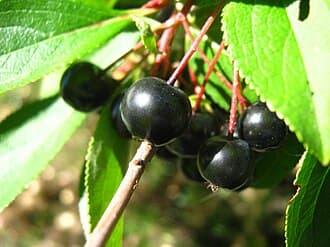 Aronia
 Asian Pear
 Balsam Fir
 Balsam Poplar
 Bartlett Pear
 Black Walnut
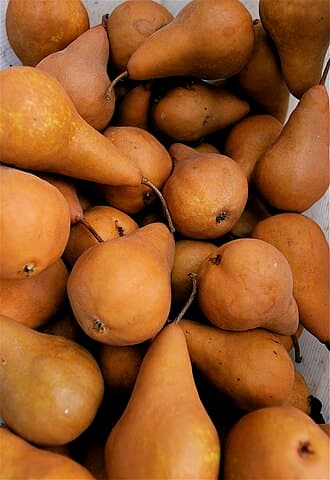 Bosc Pear
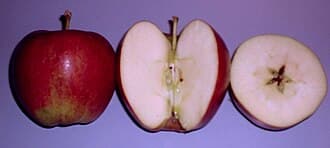 Braeburn Apple
 Champagne Loquat
 Chokecherry
 Cortland Apple
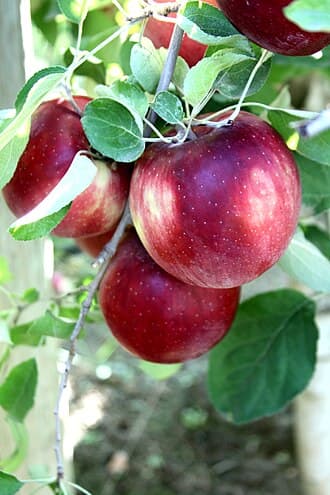 Cosmic Crisp Apple
 Eastern White Pine
 English Walnut
 Flowering Dogwood
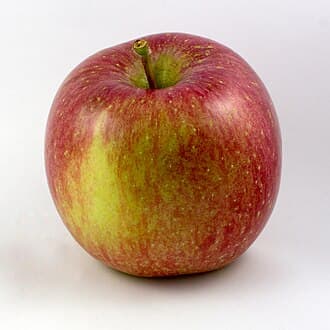 Fuji Apple
 Gala Apple
 Granny Smith Apple
 Hawthorn
 Honey Locust
 Honeycrisp Apple
 Indian Hawthorn
 Juniper
 Korean Pine
 McIntosh Apple
 Paper Birch
 Pink Lady Apple
 Pinyon Pine
 Prickly Pear
 Quaking Aspen
 Quince
 Red Alder
 Red Delicious Apple
 Regent Saskatoon
 Sassafras
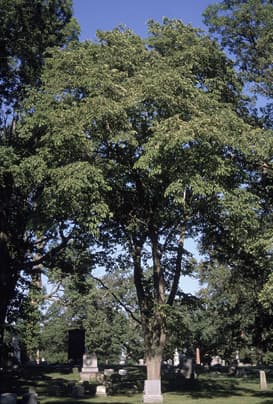 Slippery Elm
 Sugar Apple
 Sugar Maple
 Texas Scarlet Flowering Quince
 Western Red Cedar
 White Ash
 White Willow
 Witch Hazel
For educational and informational purposes only. Pest control advice is general guidance drawn from university cooperative extension sources; always identify a pest positively and read and follow the label on any product before use, especially around food crops, children, and pets.