
Seed Corn Maggot
Delia platura
A small fly whose maggots tunnel into sprouting seeds and seedlings in cool, wet spring soil, hollowing out the seed before it can emerge. It is a common cause of poor, gappy stands of beans, corn, peas, and many other vegetables, especially in rich soil where manure or green matter was recently turned under.
🔎 How to spot it
The adult is a small grayish-brown fly about a fifth of an inch long, resembling a slender housefly, with wings that overlap over the back at rest. The maggot is white to cream, legless, tapered to a point at the head end, and up to about a quarter inch long, found burrowing in the seed or the base of the seedling. The brown, seed-sized pupae rest in the surrounding soil.
🥀 Damage it causes
The maggots bore into germinating seeds and eat the contents, often leaving only an empty seed coat so the seed never comes up, which shows as bare gaps in a freshly sown row. Seedlings that do struggle up are spindly, with few leaves, and may wilt and die, a symptom sometimes called snakehead in beans where the growing point is destroyed. Damage is worst in cold, wet springs that slow germination and give the maggots more time to feed.
🛡️ Prevent it
Plant into warm, well-prepared soil and wait for conditions that let seeds germinate fast, since quick emergence is the best defense and shallow planting in warm soil helps. Avoid sowing soon after turning under manure, cover crops, or heavy weeds, because decaying organic matter attracts egg-laying flies; let such material break down for several weeks first. Where the pest is chronic, use treated seed or set transplants instead of direct seeding.
🧯 If it is already here
There is no rescue once maggots are in the seed, so control is preventive: if a stand fails, wait for warmer, drier soil and replant, which usually escapes the problem. Insecticide- or fungicide-treated seed protects high-risk early sowings, and starting plants indoors for transplant sidesteps the vulnerable germination window. Good seedbed preparation and timing matter far more than any spray.
💡 Good to know
Seed corn maggot is a classic cold-wet-soil problem, so the same early planting that risks frost also risks this pest; warm soil and rapid germination are the cure. Because the damage happens underground before emergence, gardeners often blame old seed or rot when maggots are the real cause. Letting incorporated organic matter decompose before sowing greatly reduces egg-laying.
🌱 Plants it attacks
78 plants in the library can be attacked by this pest
 Acorn Squash
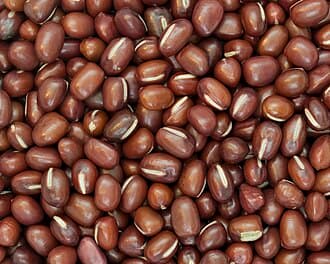 Adzuki Bean
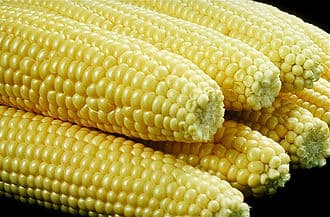 Ambrosia Corn
 Armenian Cucumber
 Atlantic Giant Pumpkin
 Black Bean🥕Black Spanish Radish
 Black-Eyed Pea
 Bloomsdale Spinach
 Blue Lake Green Bean🥒Boston Pickling Cucumber
 Broad Windsor Fava Bean
 Buttercup Squash
 Butternut Squash
 Cannellini Bean
 Cherry Belle Radish
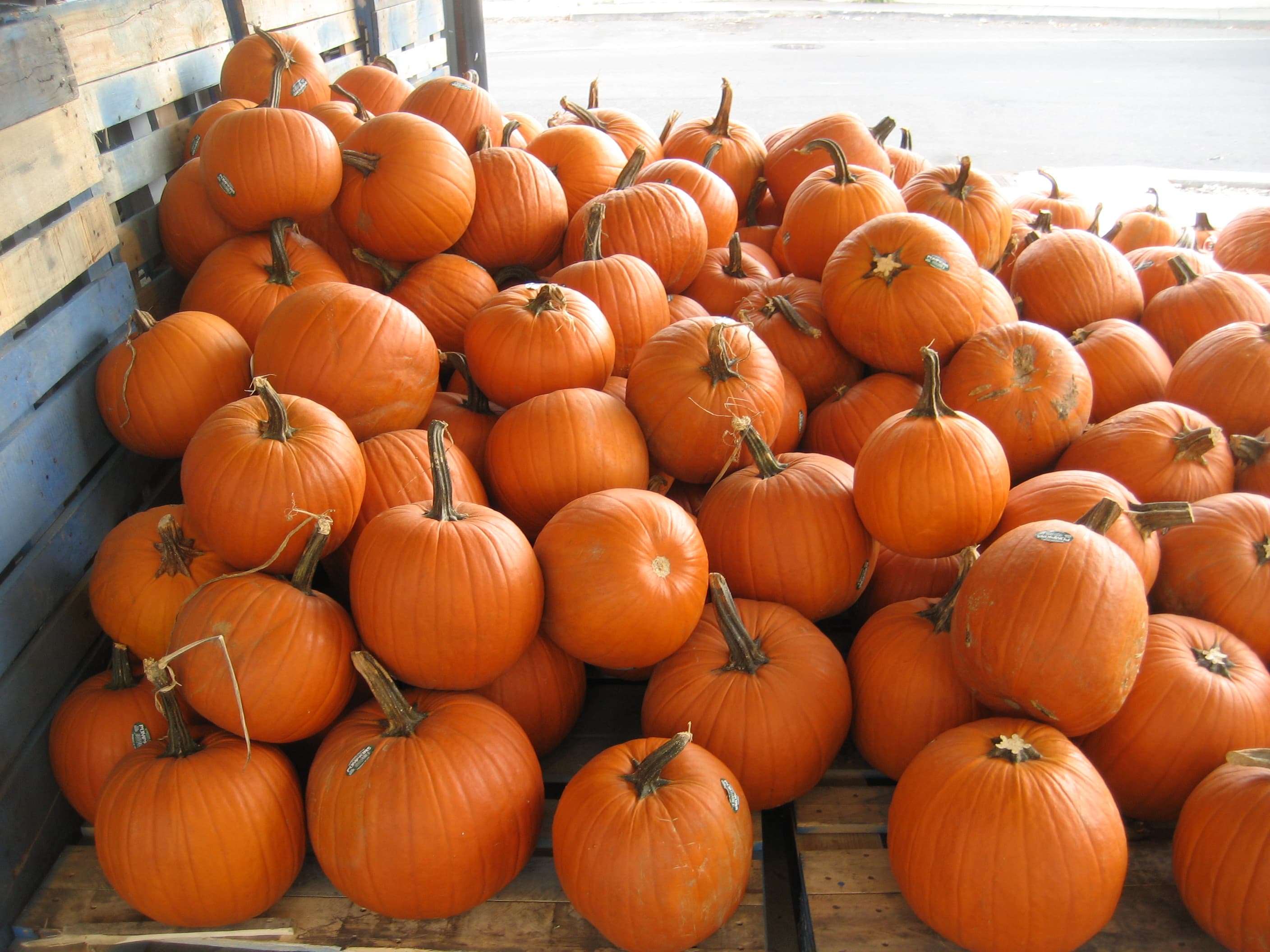 Cinderella Pumpkin
 Cipollini Onion
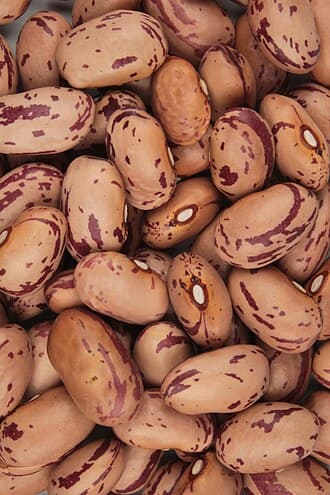 Cranberry Bean
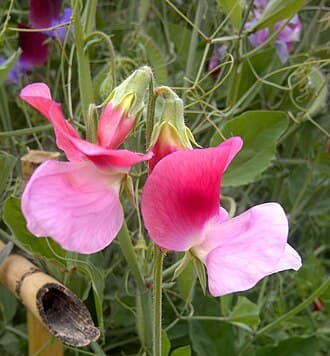 Cupani Sweet Pea
 Daikon Radish
 Delicata Squash🥒Diva Cucumber🌸Easter Egg Radish
 Egyptian Walking Onion🥒English Cucumber
 English Shelling Pea
 Field Pea
 Fordhook 242 Lima Bean🥕French Breakfast Radish
 Golden Bantam Corn
 Green Cabbage
 Hubbard Squash
 Jack-O-Lantern Pumpkin
 January King Cabbage
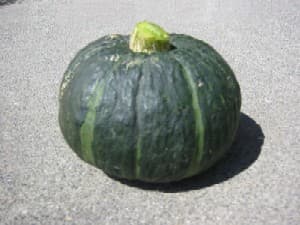 Kabocha Squash
 Kentucky Wonder Pole Bean
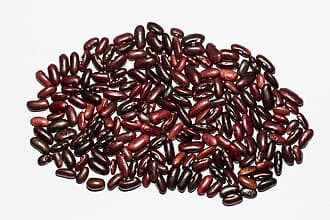 Kidney Bean
 Kirby Cucumber
 Lemon Cucumber
 Lincoln Pea
 Malabar Spinach
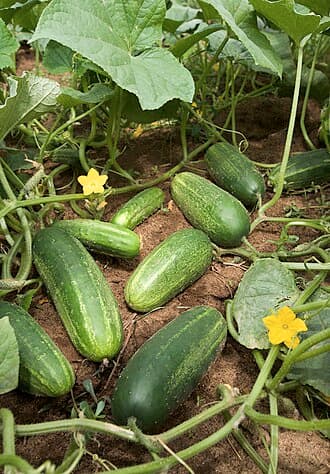 Marketmore Cucumber
 Mung Bean
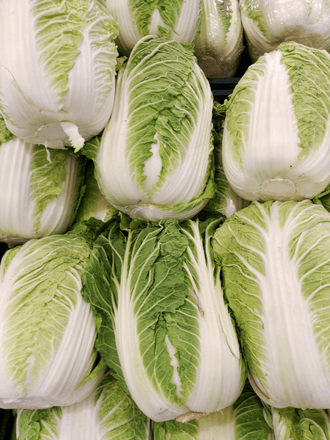 Napa Cabbage
 Navy Bean
 New Zealand Spinach
 Pattypan Squash
 Pearl Onion
 Persian Cucumber
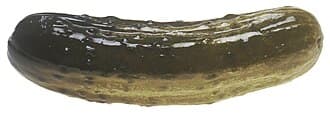 Pickling Cucumber
 Pinto Bean🌱Provider Bush Bean
 Red Cabbage
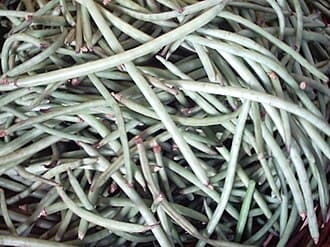 Red Noodle Yardlong Bean🧅Red Onion
 Romano Bean
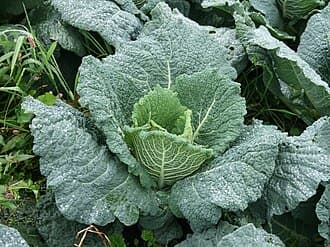 Savoy Cabbage
 Scarlet Runner Bean
 Silver Queen Corn
 Snow Pea🥬Space Spinach
 Spaghetti Squash🧅Spanish Onion🌱Sugar Daddy Pea🎃Sugar Pie Pumpkin
 Sugar Snap Pea
 Suyo Long Cucumber
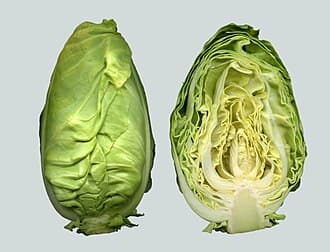 Sweetheart Cabbage
 Tromboncino Squash🥬Tyee Spinach
 Vidalia Sweet Onion🧅Walla Walla Sweet Onion🥕Watermelon Radish
 White Onion
 Yellow Crookneck Squash
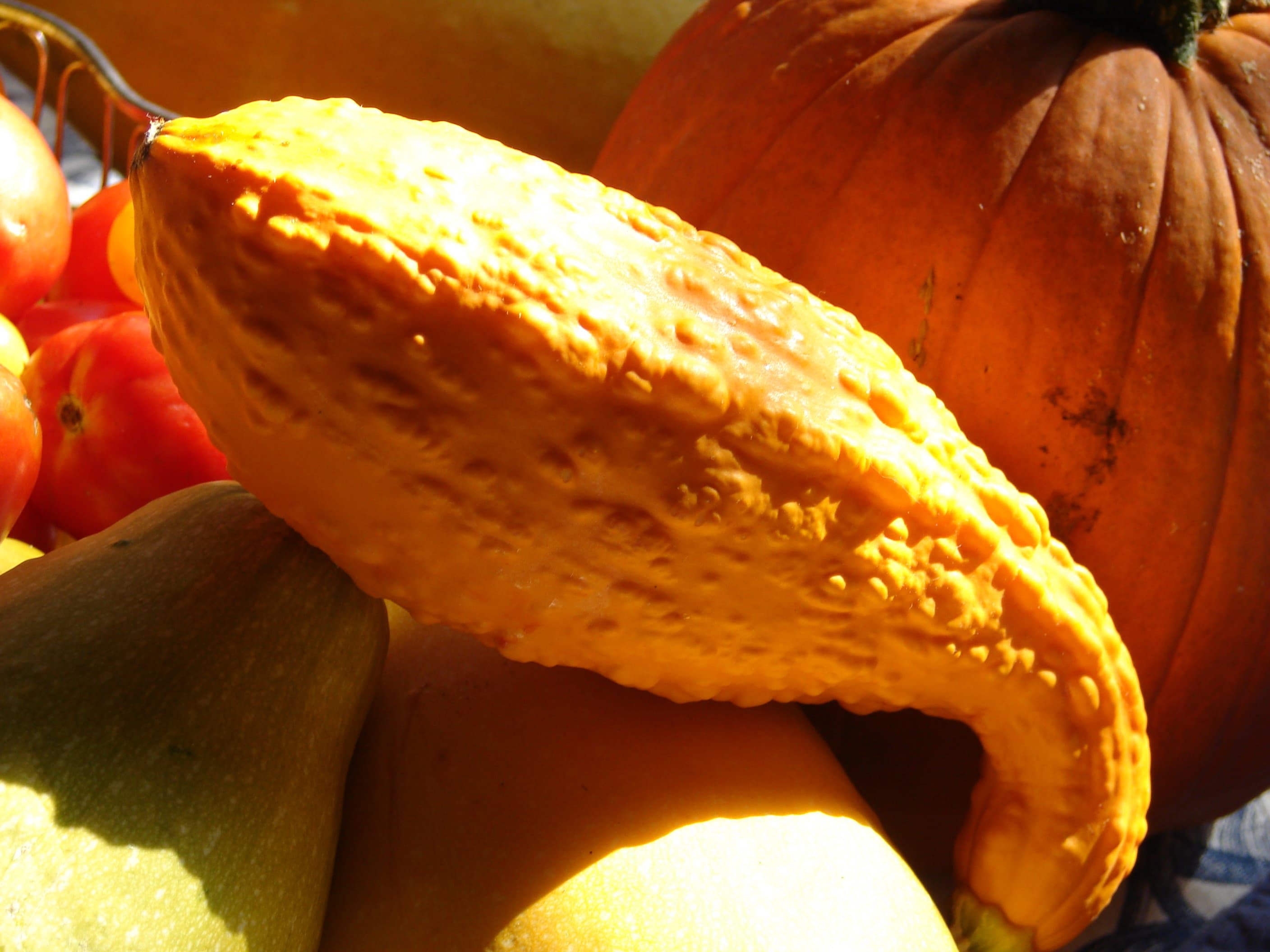 Yellow Summer Squash
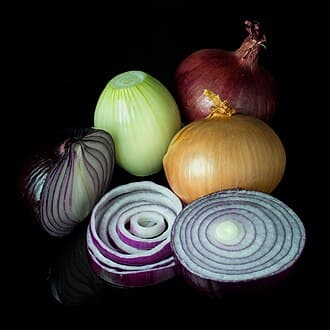 Yellow Sweet Onion
For educational and informational purposes only. Pest control advice is general guidance drawn from university cooperative extension sources; always identify a pest positively and read and follow the label on any product before use, especially around food crops, children, and pets.