Blossom Drop
A physiological disorder in which a plant sheds its flowers without setting fruit, most often because of temperature stress. It frustrates gardeners growing tomatoes and peppers in hot summers or cold spells, when the plants bloom heavily but the blossoms simply fall off and no fruit forms.
🔎 How to spot it
The flowers wilt, yellow at the base of the stalk, and drop off, leaving bare flower stems and little or no fruit set, even though the plant itself looks healthy and vigorous. It shows up during a stretch of unusually hot or cold weather. The lack of fruit despite plenty of bloom is the giveaway.
🥀 Damage it causes
The harm is lost yield: the plant flowers but fails to set fruit during the stress period, so a hot or cold spell can mean weeks with no tomatoes or peppers forming. The plants are not killed or diseased, and they usually set fruit again once the weather moderates. The setback is to the timing and size of the harvest, not to plant health.
🔬 What causes it
Blossom drop is triggered mainly by temperatures outside the range in which pollen works: tomato and pepper flowers abort when nights stay above the low seventies or days climb past the upper eighties to ninety, and also when nights drop below the mid fifties. Other stresses add to it, including drought, overly high nitrogen that pushes leafy growth over flowering, poor pollination in still or muggy air, and heavy insect or disease pressure.
🛡️ Prevent it
Choose heat-set or cold-tolerant varieties suited to your climate, and time plantings so flowering avoids the most extreme heat where possible. Keep plants evenly watered, mulch to steady soil moisture and temperature, and avoid excess nitrogen fertilizer. In intense heat, shade cloth over the plants during the hottest part of the day reduces flower loss.
🧯 If it is already here
There is no treatment for flowers already dropped; the practical response is to relieve stress and wait, since plants almost always resume setting fruit when temperatures return to a comfortable range. Water consistently, provide temporary shade in a heat wave, and ease off high-nitrogen feeding. Gently shaking flowering tomato plants can improve pollination when poor fruit set is the issue.
💡 Good to know
Blossom drop is a weather problem far more than a disease, so it tends to clear up on its own as the season moderates. Matching variety to climate, such as heat-set tomatoes for hot regions, is the most dependable fix. A vigorous plant covered in flowers but setting no fruit during a heat wave is the classic picture.
🌱 Plants it affects
144 plants in the library can be affected by this problem
 Acorn Squash
 Adirondack Blue Potato
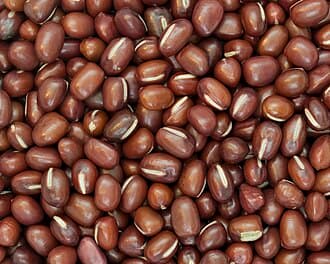 Adzuki Bean
 Aji Amarillo Pepper🥔All Blue Potato
 Amish Paste Tomato
 Anaheim Pepper
 Armenian Cucumber
 Atlantic Giant Pumpkin
 Banana Pepper
 Beauregard Sweet Potato🍅Beefmaster Tomato
 Better Boy Tomato🍅Big Beef Tomato
 Big Boy Tomato
 Bitter Melon
 Black Bean
 Black Beauty Eggplant
 Black Beauty Zucchini
 Black Cherry Tomato🍉Black Diamond Watermelon
 Black Krim Tomato
 Black-Eyed Pea
 Blue Bird Rose of Sharon
 Blue Lake Green Bean🥒Boston Pickling Cucumber🍅Box Car Willie Tomato
 Brandywine Tomato
 Broad Windsor Fava Bean
 Burgundy Okra
 Buttercup Squash
 Butternut Squash
 Cannellini Bean
 Cantaloupe
 Carolina Reaper Pepper
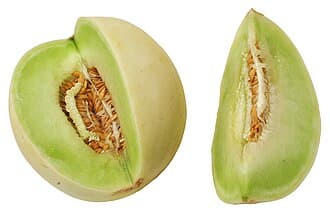 Casaba Melon
 Cayenne Pepper
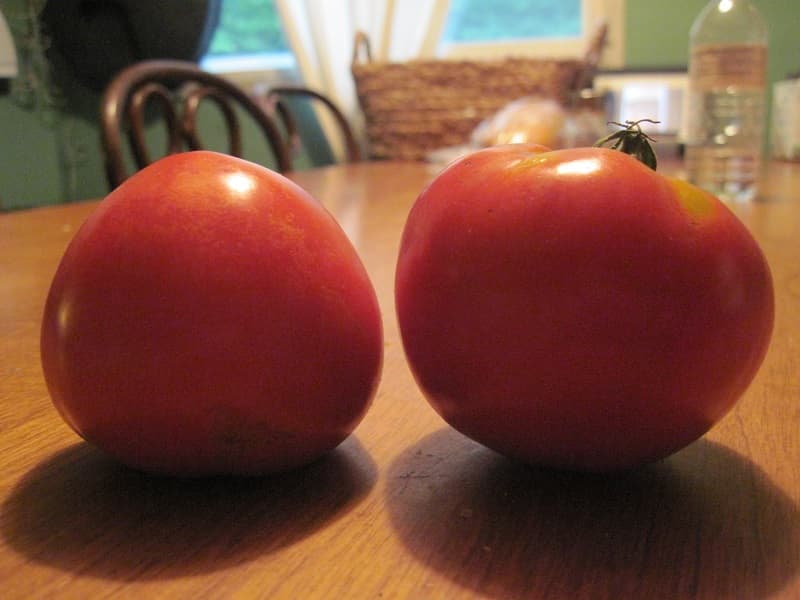 Celebrity Tomato
 Charleston Gray Watermelon
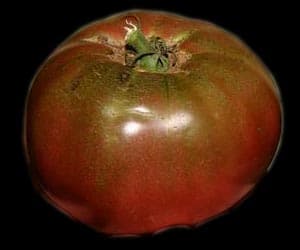 Cherokee Purple Tomato
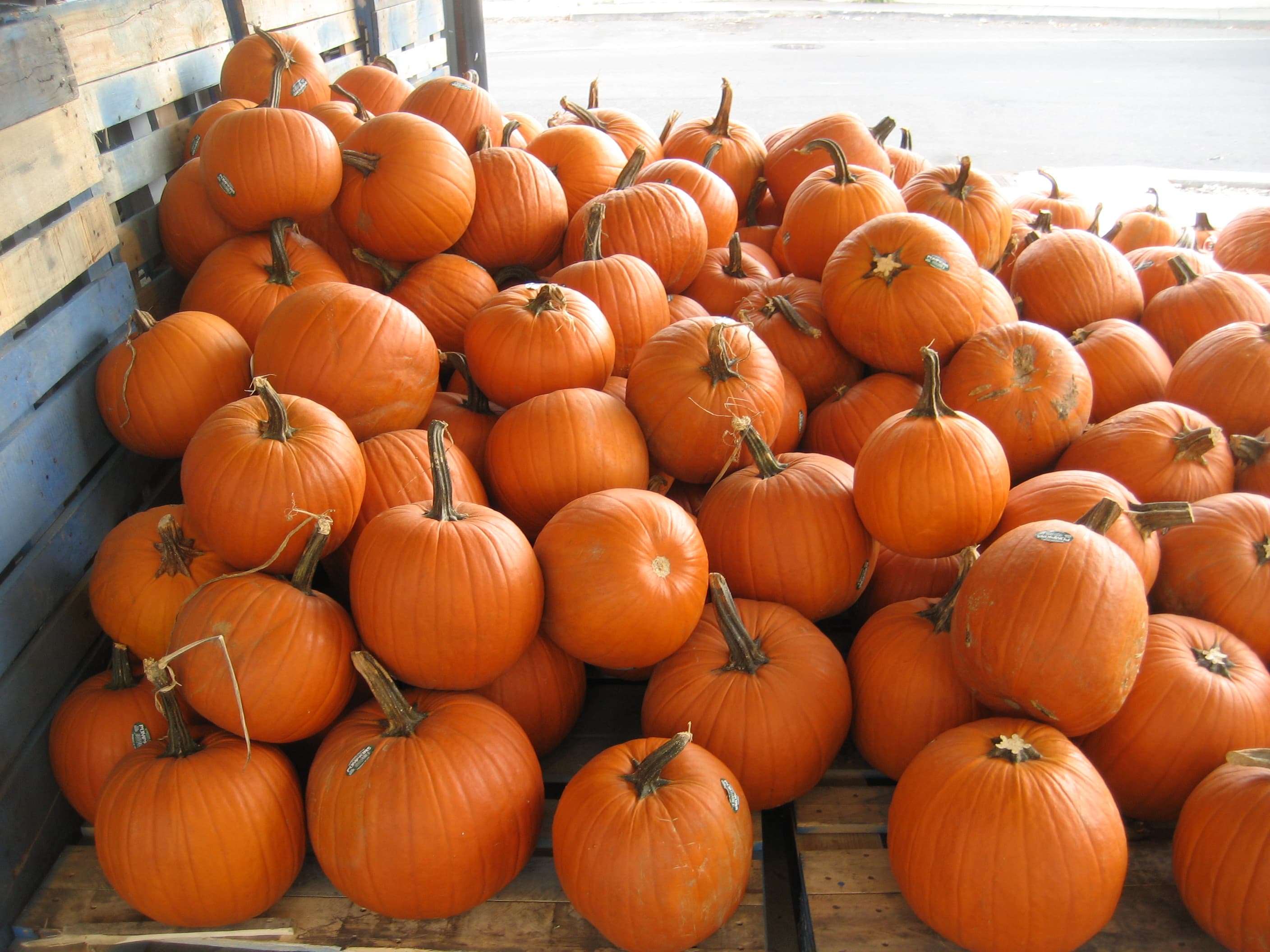 Cinderella Pumpkin
 Clemson Spineless Okra
 Costata Romanesco Zucchini
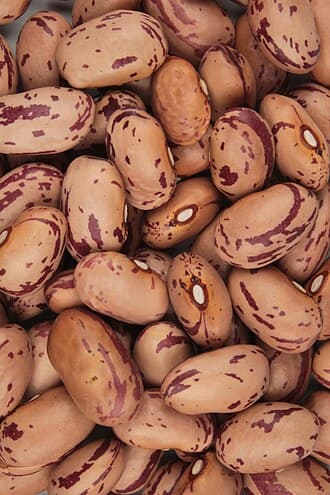 Cranberry Bean
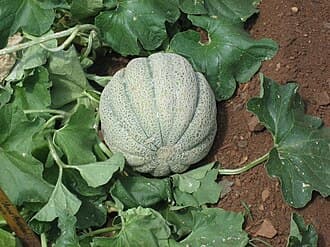 Crenshaw Melon
 Crimson Sweet Watermelon
 Cubanelle Pepper
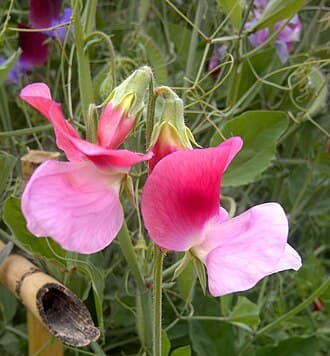 Cupani Sweet Pea
 Delicata Squash🥒Diva Cucumber
 Early Girl Tomato
 Edamame🥒English Cucumber
 English Shelling Pea
 Fairy Tale Eggplant
 Field Pea
 Fingerling Potato
 Fordhook 242 Lima Bean
 Fresno Pepper
 Galia Melon
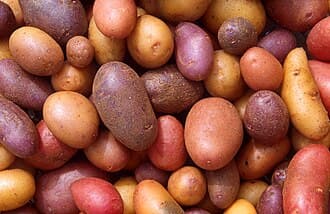 German Butterball Potato🍅German Queen Tomato
 Ghost Pepper
 Green Bell Pepper
 Green Zebra Tomato
 Habanero Pepper
 Honeydew Melon
 Hubbard Squash
 Hungarian Wax Pepper
 Indigo Rose Tomato
 Italian Eggplant
 Jack-O-Lantern Pumpkin
 Jalapeño Pepper
 Japanese Eggplant🍉Jubilee Watermelon
 Juliet Grape Tomato
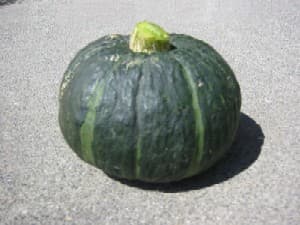 Kabocha Squash
 Kellogg's Breakfast Tomato
 Kennebec Potato
 Kentucky Wonder Pole Bean
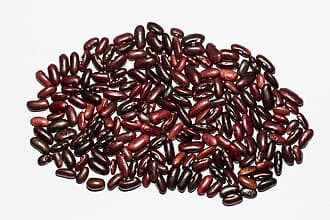 Kidney Bean
 Kirby Cucumber🍅La Roma IV Tomato
 Lemon Boy Tomato
 Lemon Cucumber
 Lincoln Pea
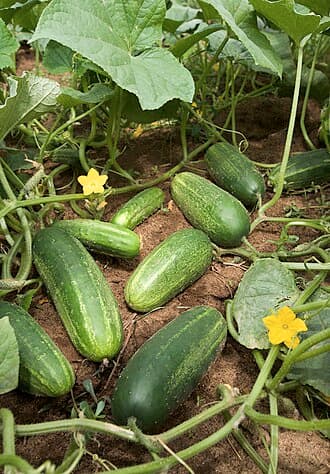 Marketmore Cucumber🍉Mini Love Watermelon🍉Moon and Stars Watermelon🍅Mortgage Lifter Tomato
 Mr. Stripey Tomato
 Mung Bean
 Navy Bean
 Norland Potato
 Orange Bell Pepper🍉Orangeglo Watermelon
 Padrón Pepper
 Pattypan Squash
 Persian Cucumber
 Pickling Cucumber
For educational and informational purposes only. Disease management advice is general guidance drawn from university cooperative extension sources; always identify a problem positively and read and follow the label on any product before use, especially around food crops, children, and pets.