
Corn Earworm
Helicoverpa zea
A single caterpillar that is the wormy tip of a sweet corn ear, the chewed hole in a tomato, and the borer in a bean pod, since it goes by corn earworm, tomato fruitworm, and other names for the same pest. On corn it feeds down from the silk into the ear tip.
🔎 How to spot it
The caterpillars grow up to about two inches and vary widely in color, from green to pink, brown, or nearly black, with pale and dark lengthwise stripes and a brown head. On corn, look for chewed, frass-packed silk and feeding in the top inches of the ear; on tomato, a watery, frass-filled cavity where the larva entered near the stem. The adult is a drab night-flying moth.
🥀 Damage it causes
On sweet corn the larvae feed on the silks and then down into the kernels at the ear tip, fouling it with excrement; on tomato and pepper they bore into the fruit, leaving a messy, rotting cavity; on beans they chew the pods. The first big generation finds the silking corn, and because the larva is sealed in the ear or fruit it is hard to reach once inside.
🛡️ Prevent it
On sweet corn, choose varieties with long, tight husks that wrap well past the ear tip, which slows the caterpillars. Plant early so ears silk before peak moth flights, and till under crop residue promptly after harvest to destroy the pupae in the soil. Scout silking corn and ripening tomatoes for eggs and young larvae.
🧯 If it is already here
A classic home trick on corn is to apply a few drops of vegetable or mineral oil (some gardeners add Bt or spinosad) to the silk just inside the tip a few days after silks appear, smothering larvae as they enter. On tomatoes and beans, Bt or spinosad works only if applied right after eggs hatch and before larvae bore in. Snip out the damaged ear tip at harvest and discard infested fruit.
💡 Good to know
Because one species wears so many names, the same caterpillar you find in the corn is the one boring your tomatoes, which is why managing it across the garden, and tilling under residue to kill the soil pupae, pays off. Once the larva is inside the ear or fruit, no spray reaches it, so timing on the silk and young fruit is everything.
🌱 Plants it attacks
103 plants in the library can be attacked by this pest
 Adirondack Blue Potato
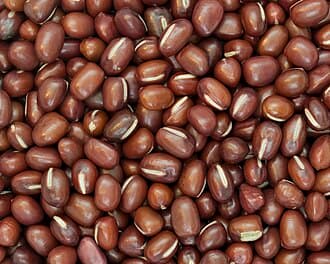 Adzuki Bean
 Aji Amarillo Pepper🥔All Blue Potato
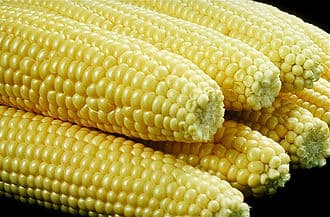 Ambrosia Corn
 Amish Paste Tomato
 Anaheim Pepper
 Banana Pepper
 Beauregard Sweet Potato🍅Beefmaster Tomato
 Benarys Giant Zinnia
 Better Boy Tomato🍅Big Beef Tomato
 Big Boy Tomato
 Black Bean
 Black Beauty Eggplant
 Black Cherry Tomato
 Black Krim Tomato
 Blue Lake Green Bean🍅Box Car Willie Tomato
 Brandywine Tomato
 Broad Windsor Fava Bean
 Burgundy Okra
 California Giant Zinnia
 Cannellini Bean
 Carolina Geranium
 Carolina Reaper Pepper
 Cayenne Pepper
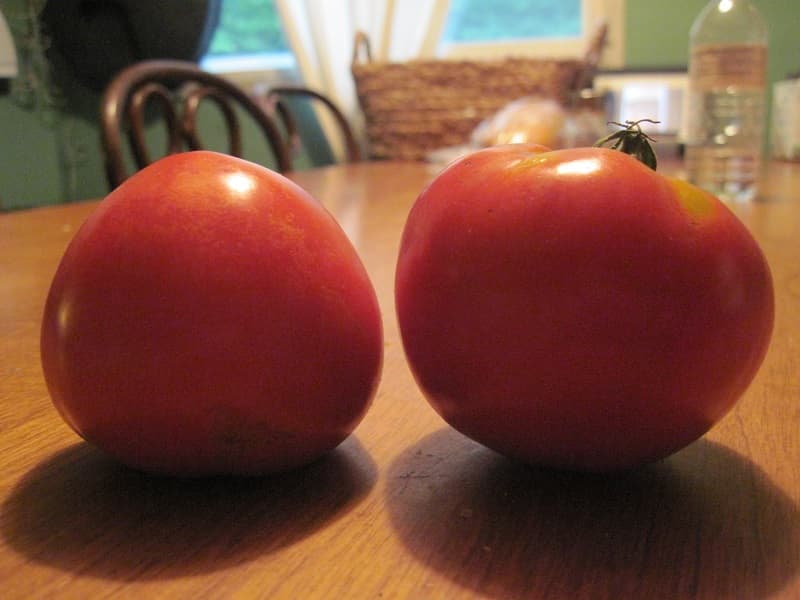 Celebrity Tomato
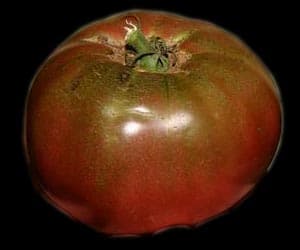 Cherokee Purple Tomato
 Clemson Spineless Okra
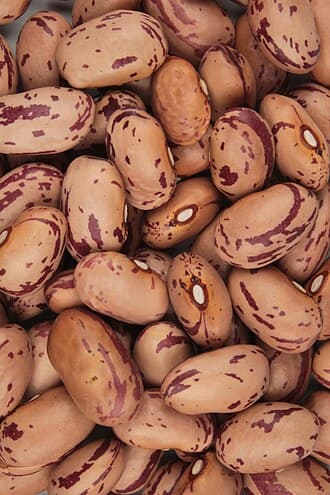 Cranberry Bean
 Cubanelle Pepper
 Early Girl Tomato
 Edamame
 Fairy Tale Eggplant
 Fingerling Potato
 Fordhook 242 Lima Bean
 Fresno Pepper
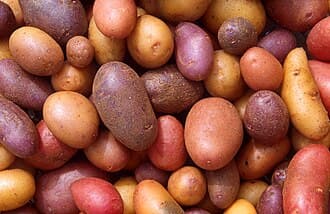 German Butterball Potato🍅German Queen Tomato
 Ghost Pepper
 Golden Bantam Corn
 Green Bell Pepper
 Green Zebra Tomato
 Habanero Pepper
 Hungarian Wax Pepper
 Indigo Rose Tomato
 Italian Eggplant
 Jalapeño Pepper
 Japanese Eggplant
 Juliet Grape Tomato
 Kellogg's Breakfast Tomato
 Kennebec Potato
 Kentucky Wonder Pole Bean
 Kidney Bean🍅La Roma IV Tomato
 Lemon Boy Tomato
 Mammoth Sunflower
 Maverick Geranium🍅Mortgage Lifter Tomato
 Mr. Stripey Tomato
 Mung Bean
 Navy Bean
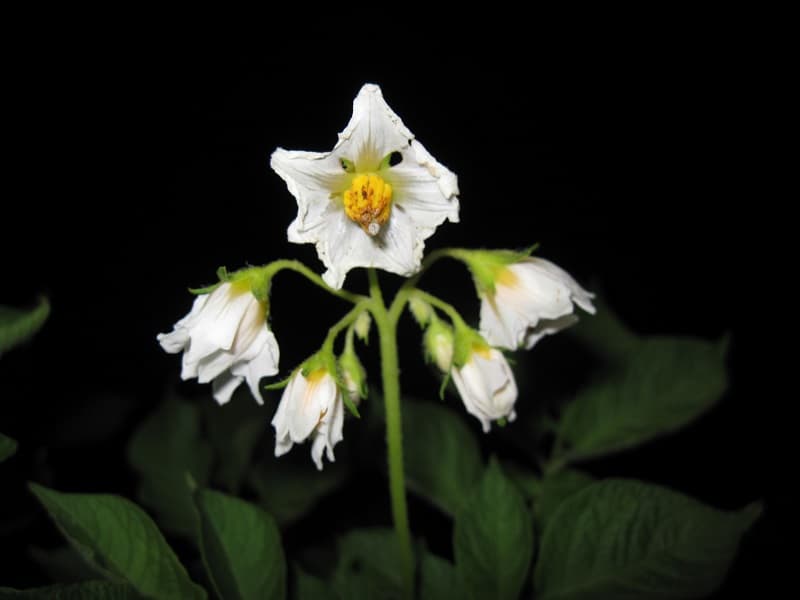 Norland Potato
 Orange Bell Pepper
 Padrón Pepper
 Pimento Pepper
 Pineapple Tomato
 Pinto Bean
 Poblano Pepper
 Popcorn
 ProCut Sunflower🌱Provider Bush Bean
 Purple Bell Pepper🥔Purple Majesty Potato
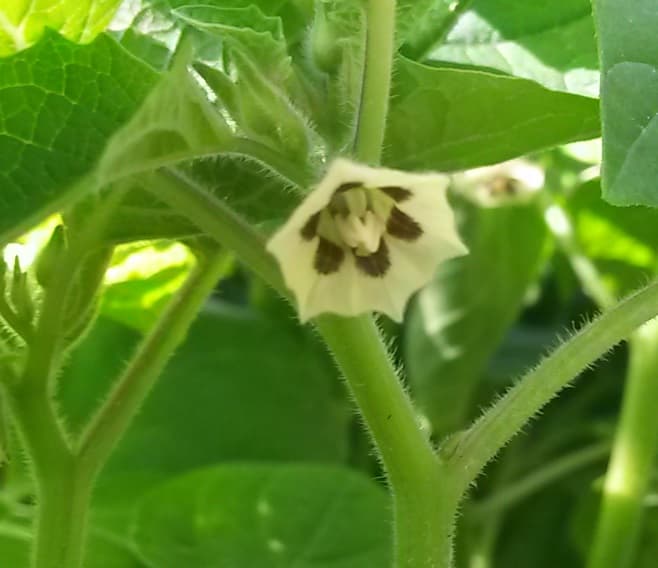 Purple Tomatillo
 Red Bell Pepper
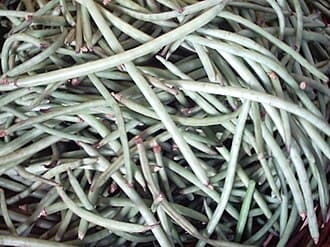 Red Noodle Yardlong Bean
 Red Pontiac Potato
 Roma Tomato
 Romano Bean🍆Rosa Bianca Eggplant
 Russet Potato🍅Rutgers Tomato
 San Marzano Tomato
 Scarlet Runner Bean
 Scotch Bonnet Pepper
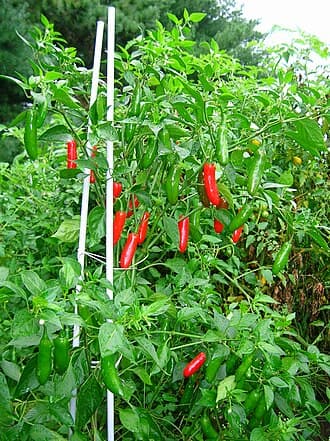 Serrano Pepper
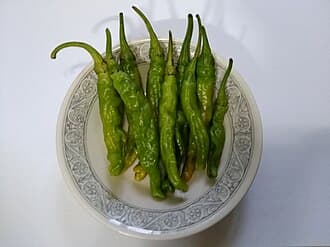 Shishito Pepper
 Silver Queen Corn🍅Striped German Tomato🍅Sungold Cherry Tomato
 Sweet 100 Cherry Tomato
 Sweet Banana Pepper
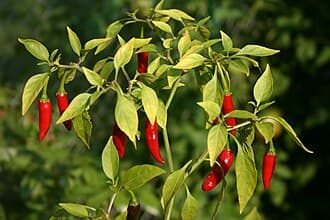 Thai Chili Pepper🍅Tiny Tim Cherry Tomato
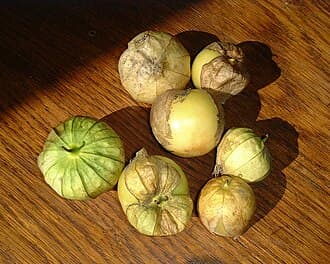 Toma Verde Tomatillo
 Torch Mexican Sunflower
 Trinidad Scorpion Pepper
For educational and informational purposes only. Pest control advice is general guidance drawn from university cooperative extension sources; always identify a pest positively and read and follow the label on any product before use, especially around food crops, children, and pets.