
Dried Fruit Beetle
Carpophilus hemipterus
A small sap beetle that swarms to overripe, split, and fermenting fruit, where it feeds and breeds and spreads souring and decay organisms. It is a common nuisance on ripening figs and stone fruit and on dried fruit, building up as the warm season goes on.
🔎 How to spot it
The adult is a small brown to black beetle about a tenth to a fifth of an inch long with clubbed antennae and, on this species, lighter spots toward the tips of the wing covers, which do not quite cover the last few abdominal segments. The larvae are white and reach about the same length when mature. Numbers of small dark beetles inside damaged, fermenting fruit are the sign.
🥀 Damage it causes
The beetles build up on any rotting or fermenting fruit, including figs, stone fruit, grapes, persimmon, apples, and fallen citrus, feeding on the soft tissue. By moving among fruit they spread yeasts and decay organisms that sour and rot the crop, so the indirect contamination is often worse than the chewing. They favor fruit already split, overripe, or injured by other pests.
🛡️ Prevent it
Sanitation is central: pick fruit promptly as it ripens and gather and destroy split, overripe, mummified, and fallen fruit that the beetles breed in. Reducing injuries from birds and other insects gives the beetles fewer entry points. Keeping the planting clean denies them the fermenting fruit they depend on.
🧯 If it is already here
There is no effective spray for fruit already infested, so control rests on sanitation and prompt harvest rather than insecticides. Bait traps using fermenting fruit or dough can capture adults and reduce numbers around a planting. Storing harvested and dried fruit in sealed containers protects it from further attack.
💡 Good to know
The dried fruit beetle is one of a complex of similar sap beetles in the family Nitidulidae with comparable habits, and it is highly prolific, a single female laying on the order of a thousand eggs in her life. It overlaps with the green fig beetle on fallen, fermenting fruit, both attracted to the sugary, yeasty volatiles. Because it carries souring organisms, infested fruit should not be saved.
🌱 Plants it attacks
51 plants in the library can be attacked by this pest
 American Persimmon
 Asian Persimmon
 Aunt Molly's Ground Cherry
 Beach Plum
 Bing Cherry
 Black Tartarian Cherry
 Blood Orange
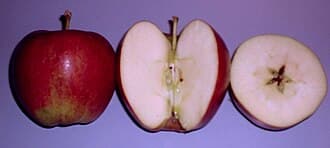 Braeburn Apple
 Brown Turkey Fig
 Calamondin
 Catawba Grape
 Chicago Hardy Fig
 Chokecherry
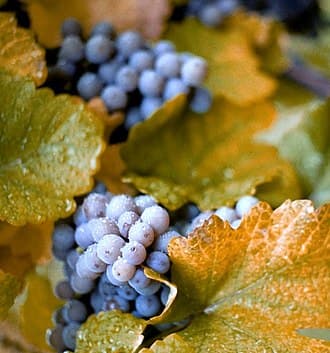 Concord Grape
 Contender Peach
 Cornelian Cherry
 Cortland Apple
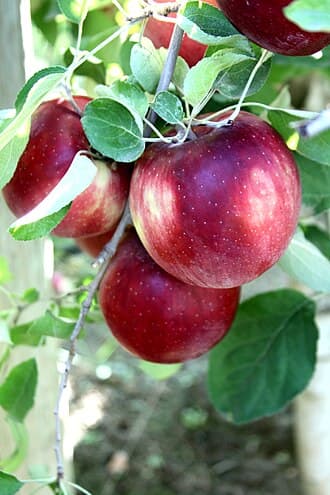 Cosmic Crisp Apple
 Damson Plum
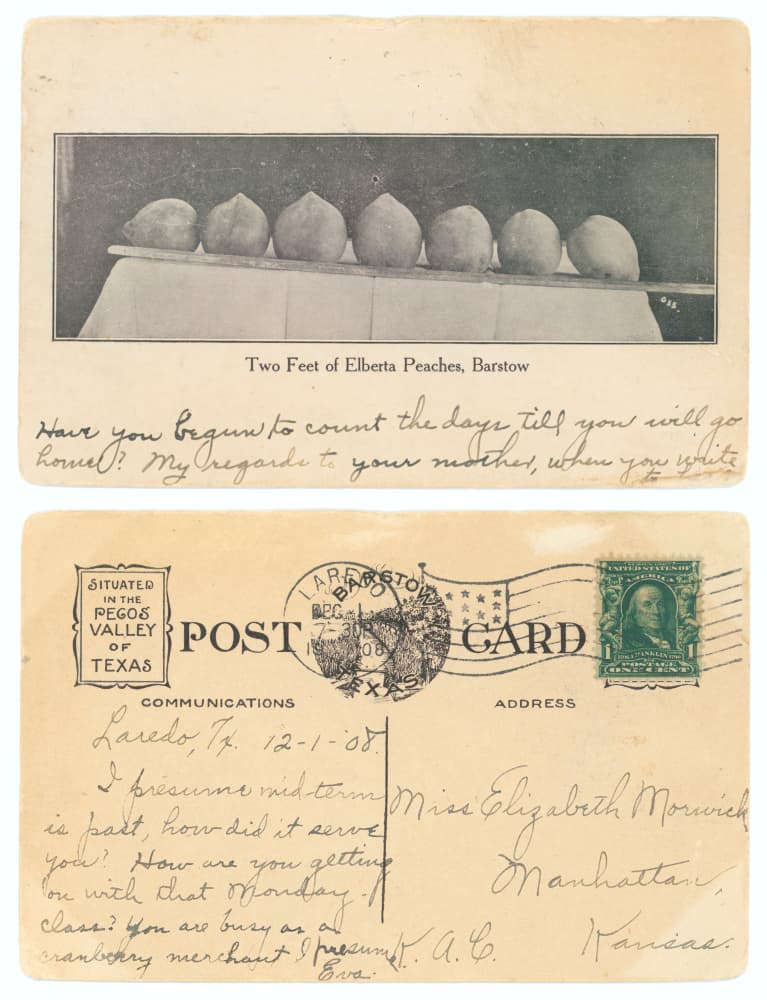 Elberta Peach
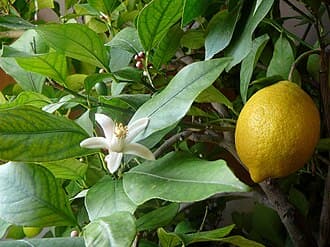 Eureka Lemon
 Fantasia Nectarine
 Finger Lime
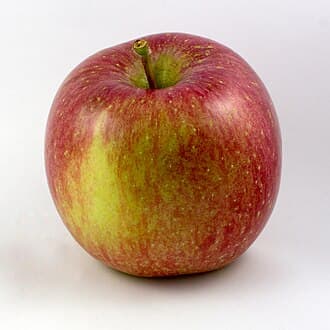 Fuji Apple
 Gala Apple
 Granny Smith Apple
 Grapefruit
 Honeycrisp Apple
 Key Lime
 Kumquat
 Mandarin Orange
 McIntosh Apple
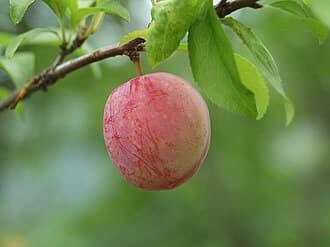 Methley Plum
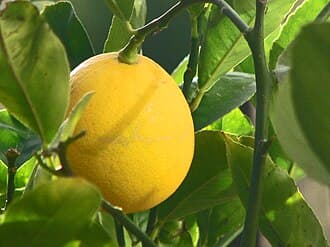 Meyer Lemon
 Montmorency Cherry
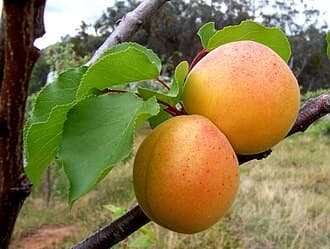 Moorpark Apricot
 Muscadine Grape
 Nanking Cherry
 Natchez Mock Orange
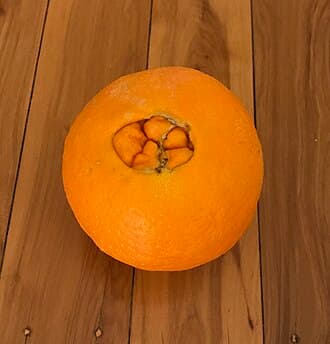 Navel Orange
 Niagara Grape
 Oregon Grape
 Persian Lime
 Pink Lady Apple
 Rainier Cherry
 Red Delicious Apple
 Redhaven Peach
 Stanley Plum
 Sugar Apple
 Thompson Seedless Grape
 Valencia Orange
For educational and informational purposes only. Pest control advice is general guidance drawn from university cooperative extension sources; always identify a pest positively and read and follow the label on any product before use, especially around food crops, children, and pets.