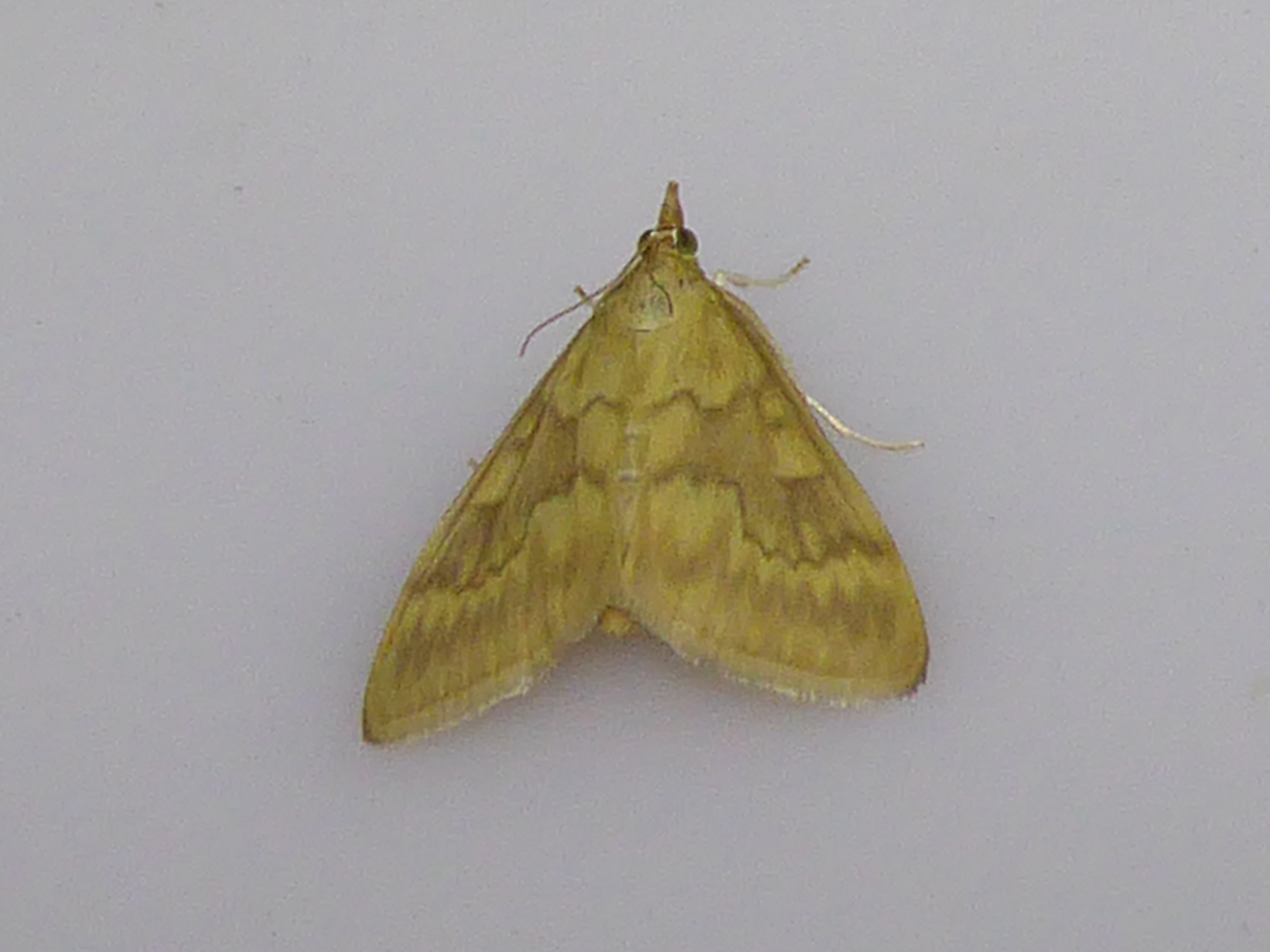
European Corn Borer
Ostrinia nubilalis
A widespread moth whose caterpillars bore into the stalks and ears of corn and also attack peppers, snap beans, and potatoes. By tunneling inside the plant they weaken stalks, break tassels, and open ears and pepper fruit to rot, often feeding out of sight until the damage is done.
🔎 How to spot it
The adult is a pale moth roughly an inch across with wavy yellow-brown lines on the wings, the males darker than the females. Eggs are laid in overlapping masses that look like fish scales on the underside of leaves. Young larvae are tiny and translucent with brown heads; mature larvae are flesh-colored, up to about an inch long, with a dark head and two small dark spots on each segment. Early signs are neat rows of shot-holes across young leaves where larvae fed in the whorl, later followed by sawdust-like frass at stalk and ear entry points.
🥀 Damage it causes
Larvae chew rows of holes in young leaves, then bore into stalks, tassels, ear shanks, and the ears themselves, as well as into pepper and bean fruit. Tunneling collapses stalks, breaks tassels, drops ears, and lets rot organisms in. In peppers the borers tunnel into the fruit near the cap, causing it to rot and drop.
🛡️ Prevent it
Shred and turn under or remove old corn stalks and stems after harvest to destroy the larvae that overwinter inside them. Plant so the most vulnerable stage does not line up with peak moth flights where that is known locally. Encourage the many natural enemies, and scout the whorl and emerging tassels so problems are caught while larvae are still exposed.
🧯 If it is already here
Control has to hit the young larvae while they are still feeding on the surface, before they bore in where sprays cannot reach. Bacillus thuringiensis (Bt) applied to the whorl and silks targets them with minimal harm to beneficials. Releases or conservation of Trichogramma egg parasitoids and predators such as lady beetles and minute pirate bugs also reduce numbers.
💡 Good to know
Once a borer is inside the stalk or ear it is protected, so timing against the small, exposed larvae is the whole game. In a home garden, fall cleanup of corn and pepper debris plus well-timed Bt usually keeps this pest manageable.
🌱 Plants it attacks
101 plants in the library can be attacked by this pest
 Adirondack Blue Potato
 Adzuki Bean
 Aji Amarillo Pepper🥔All Blue Potato
 Ambrosia Corn
 Amish Paste Tomato
 Anaheim Pepper
 Banana Pepper
 Beauregard Sweet Potato🍅Beefmaster Tomato
 Better Boy Tomato🍅Big Beef Tomato
 Big Boy Tomato
 Black Bean
 Black Beauty Eggplant
 Black Cherry Tomato
 Black Krim Tomato
 Blue Lake Green Bean🍅Box Car Willie Tomato
 Brandywine Tomato
 Broad Windsor Fava Bean
 Cafe au Lait Dahlia
 Cannellini Bean
 Carolina Reaper Pepper
 Cayenne Pepper
 Celebrity Tomato
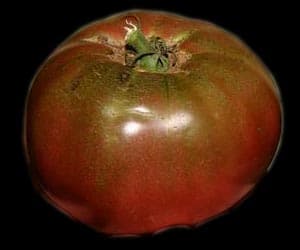 Cherokee Purple Tomato
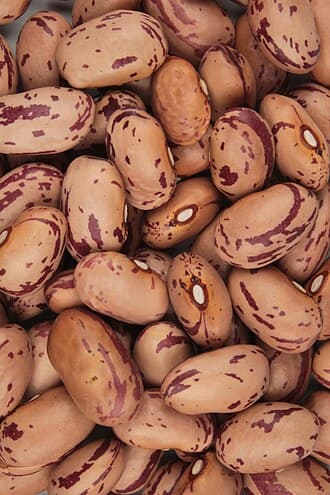 Cranberry Bean
 Cubanelle Pepper
 Early Girl Tomato
 Elberta Peach
 Fairy Tale Eggplant
 Fingerling Potato
 Fordhook 242 Lima Bean
 Fresno Pepper
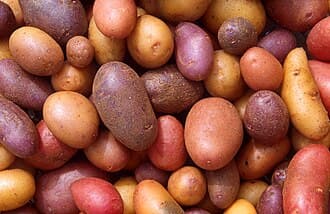 German Butterball Potato🍅German Queen Tomato
 Ghost Pepper
 Golden Bantam Corn
 Green Bell Pepper
 Green Zebra Tomato
 Habanero Pepper
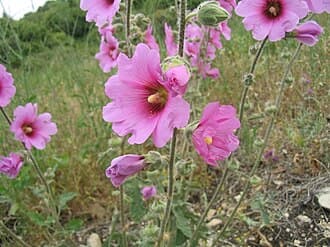 Hollyhock
 Hungarian Wax Pepper
 Indigo Rose Tomato
 Italian Eggplant
 Jalapeño Pepper
 Japanese Eggplant
 Juliet Grape Tomato
 Karma Choc Dahlia
 Kellogg's Breakfast Tomato
 Kennebec Potato
 Kentucky Wonder Pole Bean
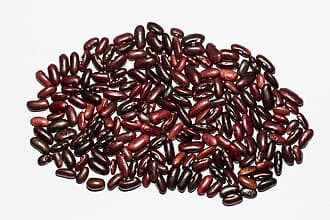 Kidney Bean🍅La Roma IV Tomato
 Lemon Boy Tomato
 Mammoth Sunflower🍅Mortgage Lifter Tomato
 Mr. Stripey Tomato
 Mung Bean
 Navy Bean
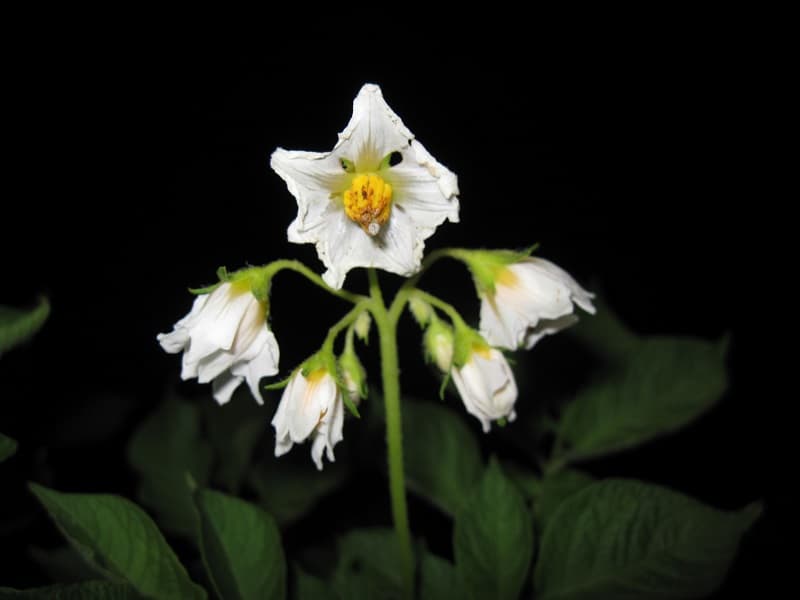 Norland Potato
 Orange Bell Pepper
 Padrón Pepper
 Pimento Pepper
 Pineapple Tomato
 Pinto Bean
 Poblano Pepper
 Popcorn
 ProCut Sunflower🌱Provider Bush Bean
 Purple Bell Pepper
 Purple Dome New England Aster🥔Purple Majesty Potato
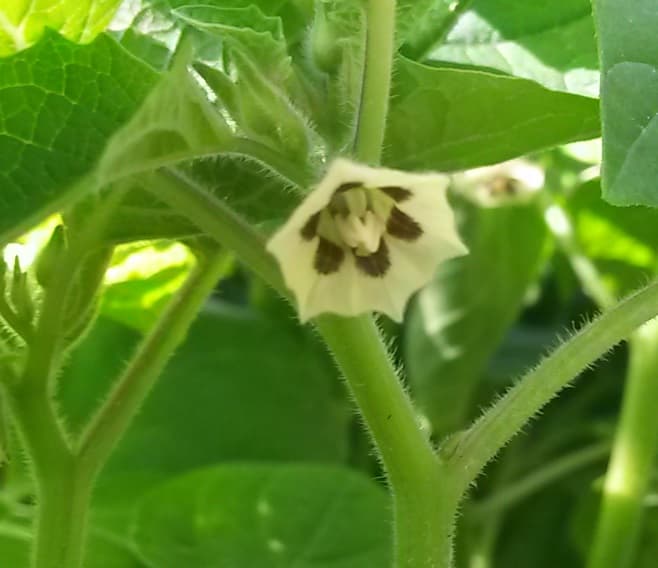 Purple Tomatillo
 Red Bell Pepper
 Red Noodle Yardlong Bean
 Red Pontiac Potato
 Roma Tomato
 Romano Bean🍆Rosa Bianca Eggplant
 Russet Potato🍅Rutgers Tomato
 San Marzano Tomato
 Scarlet Runner Bean
 Scotch Bonnet Pepper
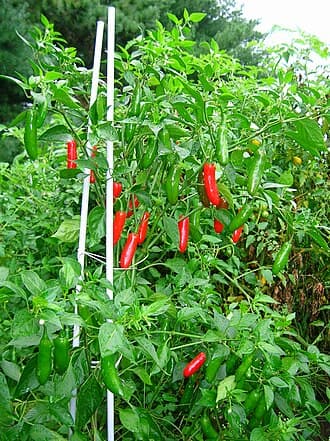 Serrano Pepper
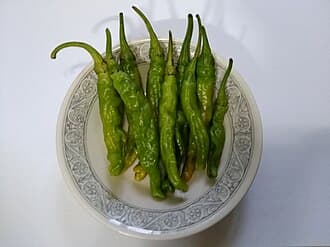 Shishito Pepper
 Silver Queen Corn🍅Striped German Tomato🍅Sungold Cherry Tomato
 Sweet 100 Cherry Tomato
 Sweet Banana Pepper
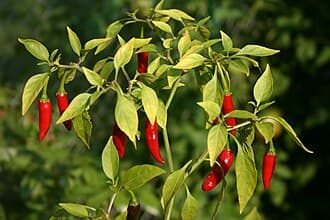 Thai Chili Pepper🍅Tiny Tim Cherry Tomato
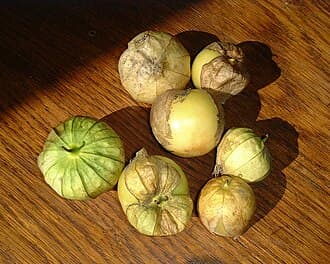 Toma Verde Tomatillo
 Torch Mexican Sunflower
 Trinidad Scorpion Pepper
 Yellow Bell Pepper
 Yellow Pear Tomato
For educational and informational purposes only. Pest control advice is general guidance drawn from university cooperative extension sources; always identify a pest positively and read and follow the label on any product before use, especially around food crops, children, and pets.