
Fall Webworm
Hyphantria cunea
A late-summer caterpillar that wraps the tips of tree branches in messy silken webs and feeds on the leaves inside. Fall webworm attacks a huge range of trees, and while the webs are unsightly, the late-season feeding rarely harms an established tree because the leaves have already done most of their work for the year.
🔎 How to spot it
Look for loose, dirty silken webs enclosing the leaves at the ends of branches in mid to late summer and fall, filled with caterpillars, droppings, and shed skins. The caterpillars are pale green to yellow and very hairy, with a dark or yellowish stripe down the back and tufts of long white hairs from black and orange bumps. Unlike tent caterpillars, the webs are at the branch tips, not in the forks.
🥀 Damage it causes
The caterpillars feed on the leaves inside the expanding web, skeletonizing and consuming them, but because they feed late in the season, after the leaves have fueled the tree for most of the year, the damage to established trees is largely cosmetic. The webs are unattractive, but the tree is rarely seriously harmed and leafs out normally the next spring.
🛡️ Prevent it
Tolerate light infestations on large trees, since they do little real harm and natural enemies, birds, predators, and parasitic wasps, usually keep numbers down. On small trees, scout in summer for the first small webs at branch tips and prune them out early. Keeping trees healthy helps them shrug off the late feeding.
🧯 If it is already here
Prune out and destroy the webbed branch tips on small trees while the webs are still small, or open the webs with a pole so birds and predators can reach the caterpillars. On accessible small trees, the organic sprays Bacillus thuringiensis (Bt) or spinosad control young caterpillars. Burning the webs is not recommended, as it damages the tree.
💡 Good to know
Fall webworm is easy to confuse with eastern tent caterpillar, but the season and location of the web tell them apart: fall webworm webs come late and sit at the branch tips, while tent caterpillar tents come in spring and sit in the branch forks. On a big shade tree, fall webworm is best simply ignored.
🌱 Plants it attacks
61 plants in the library can be attacked by this pest
 American Basswood
 American Persimmon
 Anjou Pear
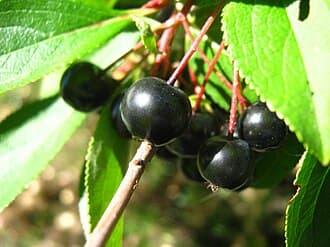 Aronia
 Asian Pear
 Asian Persimmon
 Aunt Molly's Ground Cherry
 Balsam Poplar
 Bartlett Pear
 Beach Plum
 Bing Cherry
 Black Tartarian Cherry
 Black Walnut
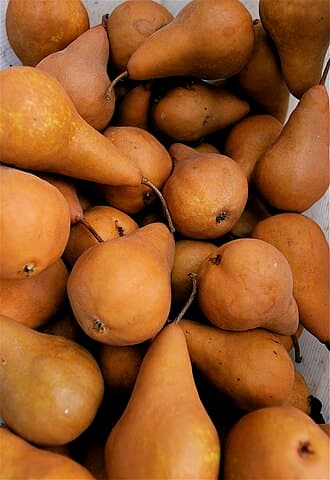 Bosc Pear
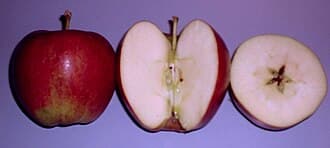 Braeburn Apple
 Brewster Lychee
 Champagne Loquat
 Chokecherry
 Contender Peach
 Cornelian Cherry
 Cortland Apple
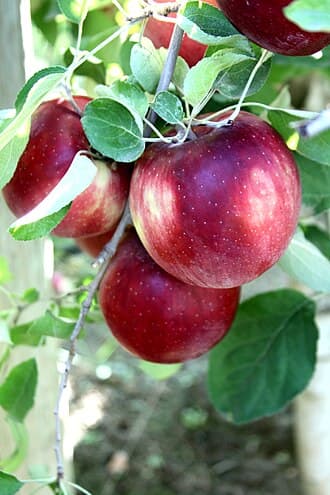 Cosmic Crisp Apple
 Cranberry Cotoneaster
 Damson Plum
 Elberta Peach
 English Walnut
 Fantasia Nectarine
 Flowering Dogwood
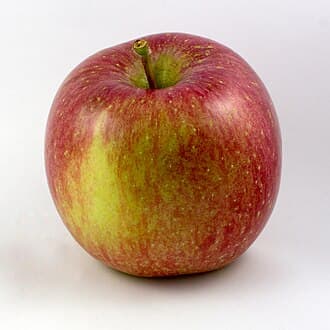 Fuji Apple
 Gala Apple
 Granny Smith Apple
 Hawthorn
 Honey Locust
 Honeycrisp Apple
 Indian Hawthorn
 Kohala Longan
 McIntosh Apple
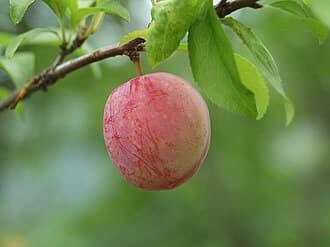 Methley Plum
 Montmorency Cherry
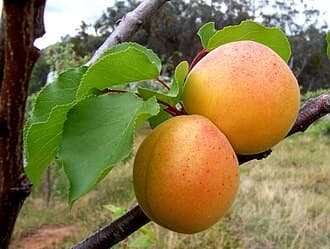 Moorpark Apricot
 Mulberry
 Nanking Cherry
 Paper Birch
 Pink Lady Apple
 Prickly Pear
 Quaking Aspen
 Quince
 Rainier Cherry
 Red Alder
 Red Delicious Apple
 Redhaven Peach
 Regent Saskatoon
 Sassafras
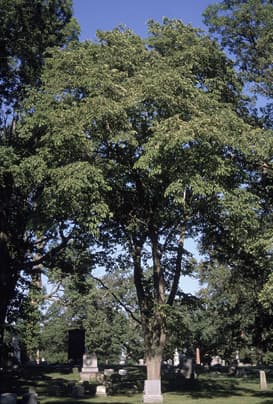 Slippery Elm
 Stanley Plum
 Sugar Apple
 Sugar Maple
 Texas Scarlet Flowering Quince
 White Ash
 White Willow
 Witch Hazel
For educational and informational purposes only. Pest control advice is general guidance drawn from university cooperative extension sources; always identify a pest positively and read and follow the label on any product before use, especially around food crops, children, and pets.