
Angular Leaf Spot
Pseudomonas syringae pv. lachrymans
A bacterial disease of cucumbers and other vine crops that cuts small, angular, vein-bounded spots into the leaves, which dry and drop out to leave a shot-hole, tattered look. Spread by splashing water in warm, wet weather, it also spots the fruit and rides in on seed, and it is most troublesome on cucumber and melon.
🔎 How to spot it
Look for small water-soaked spots on the leaves that turn brown or straw-colored and are angular, boxed in by the leaf veins rather than round. In humid mornings the spots may ooze a milky bacterial droplet that dries to a white crust on the underside. The dead centers fall out, leaving ragged holes, and small round water-soaked spots can appear on the fruit.
🥀 Damage it causes
Leaf spotting and the holes left as spots drop out reduce the leaf area and can brown and kill heavily infected leaves, weakening the plant and lowering yield. Fruit spots blemish the crop and can open the fruit to soft rots. Cucumber and melon are hit hardest; resistant cucumbers limit it.
🔬 What causes it
Angular leaf spot is caused by the bacterium Pseudomonas syringae pv. lachrymans, which comes in on infected seed and survives on crop debris. It spreads by splashing rain, overhead watering, and handling wet plants, and enters through pores and wounds. Warm, wet, humid weather and prolonged leaf wetness drive it.
🛡️ Prevent it
Start with certified disease-free seed and rotate cucurbits so two or more years pass before they return to a spot. Do not work among or harvest wet plants, water at the base rather than overhead, and space and trellis for fast drying. Clean up debris at season end, and grow resistant cucumber varieties, which are widely available.
🧯 If it is already here
There is no cure once plants are infected, so remove badly affected debris, keep the foliage dry, and avoid handling wet plants so you do not spread the bacteria. Preventive copper sprays can protect healthy tissue in wet spells but give only limited help; follow the label. Resistant varieties and clean seed do far more than spraying.
💡 Good to know
The angular, vein-bounded spots that dry and fall out to leave a shot-hole pattern set this apart from the rounder fungal leaf spots, and the milky ooze on a humid morning confirms it is bacterial. Because it is seed-borne and splash-spread, clean seed, rotation, and keeping hands and tools off wet vines are the key defenses.
🌱 Plants it affects
104 plants in the library can be affected by this problem
 Acorn Squash
 Adzuki Bean🍓Albion Strawberry
 Amethyst Falls Wisteria
 Annabelle Smooth Hydrangea
 Annual Vinca
 Arizona Sun Blanket Flower
 Armenian Cucumber
 Atlantic Giant Pumpkin
 Becky Shasta Daisy
 Bitter Melon
 Black Bean
 Black Beauty Zucchini🍉Black Diamond Watermelon
 Blue Lake Green Bean🥒Boston Pickling Cucumber
 Broad Windsor Fava Bean
 Brunnera
 Buttercup Squash
 Butternut Squash
 Cannellini Bean
 Cantaloupe
 Carolina Jessamine
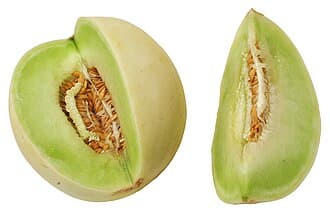 Casaba Melon
 Cascara Sagrada
 Charleston Gray Watermelon
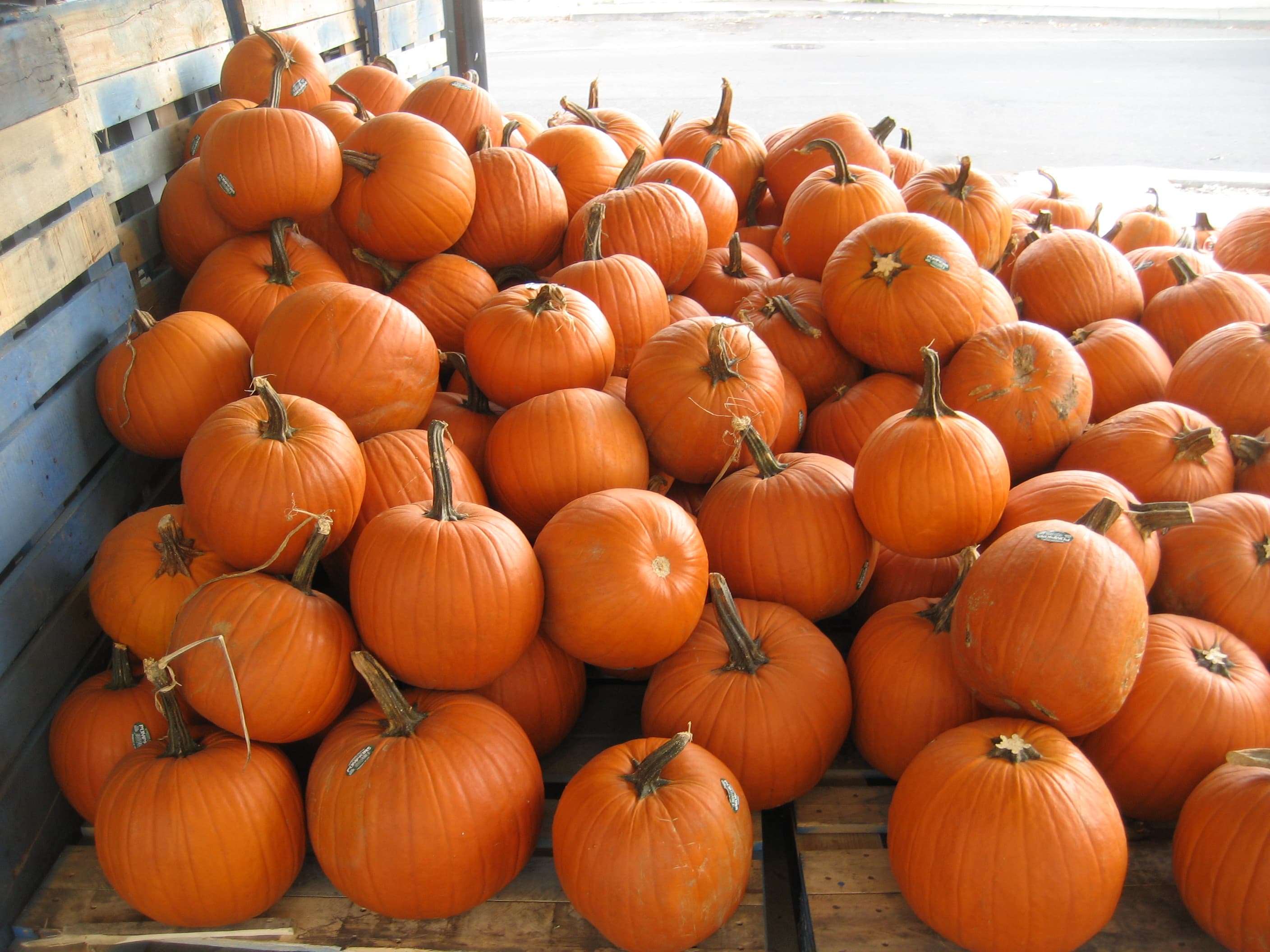 Cinderella Pumpkin
 Cleyera
 Climbing Hydrangea
 Cornelian Cherry
 Costata Romanesco Zucchini
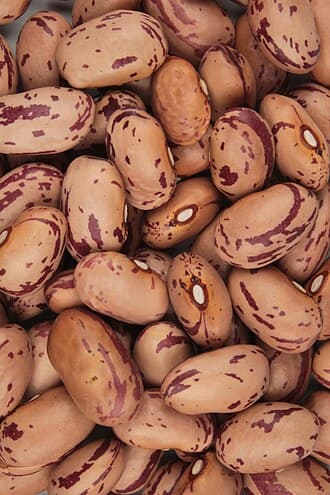 Cranberry Bean
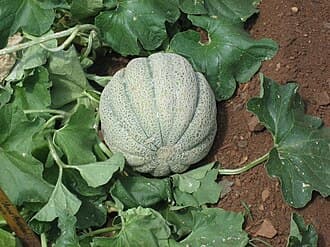 Crenshaw Melon
 Crimson Cherry Rhubarb
 Crimson Sweet Watermelon
 Delicata Squash
 Diabolo Ninebark🥒Diva Cucumber
 Early Amethyst Beautyberry
 Endless Summer Hydrangea🥒English Cucumber
 Evergreen Huckleberry
 Feather Reed Grass
 Fordhook 242 Lima Bean
 Fountain Grass
 Galia Melon
 Gateway Joe Pye Weed
 Goldflame Spirea
 Goldsturm Black-Eyed Susan
 Honeoye Strawberry
 Honeydew Melon
 Hubbard Squash
 Hummingbird Summersweet
 Jack-O-Lantern Pumpkin
 Japanese Pieris🍉Jubilee Watermelon
 June-Bearing Strawberry
 Kabocha Squash
 Kentucky Wonder Pole Bean
 Kidney Bean
 Kirby Cucumber
 Kobold Blazing Star
 Lemon Cucumber
 Lily of the Valley
 Limelight Panicle Hydrangea
 Lingonberry
 Lynwood Gold Forsythia
 Major Wheeler Trumpet Honeysuckle
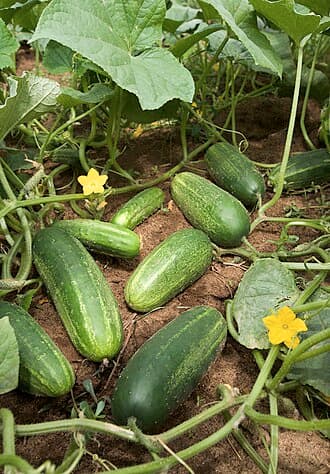 Marketmore Cucumber
 Medlar🍉Mini Love Watermelon
 Moerheim Beauty Sneezeweed🍉Moon and Stars Watermelon
 Mung Bean
 Natchez Mock Orange
 Navy Bean🍉Orangeglo Watermelon🍓Ozark Beauty Strawberry
 Pattypan Squash
 Persian Cucumber
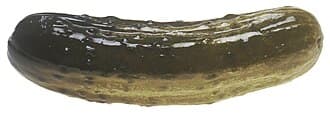 Pickling Cucumber
 Pinto Bean🌱Provider Bush Bean
 Quaking Aspen
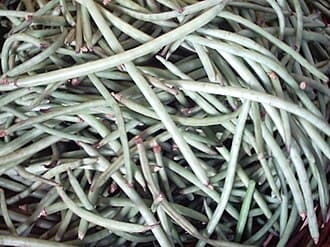 Red Noodle Yardlong Bean
 Romano Bean
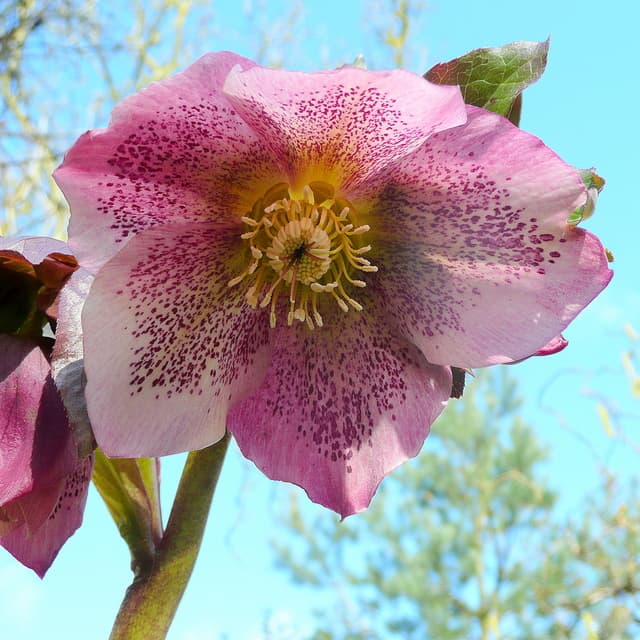 Royal Heritage Lenten Rose
 Salal
Salal Scarlet Runner Bean🍓Seascape Strawberry
 Sheffield Pink Garden Mum
 Snow Queen Oakleaf Hydrangea
 Spaghetti Squash
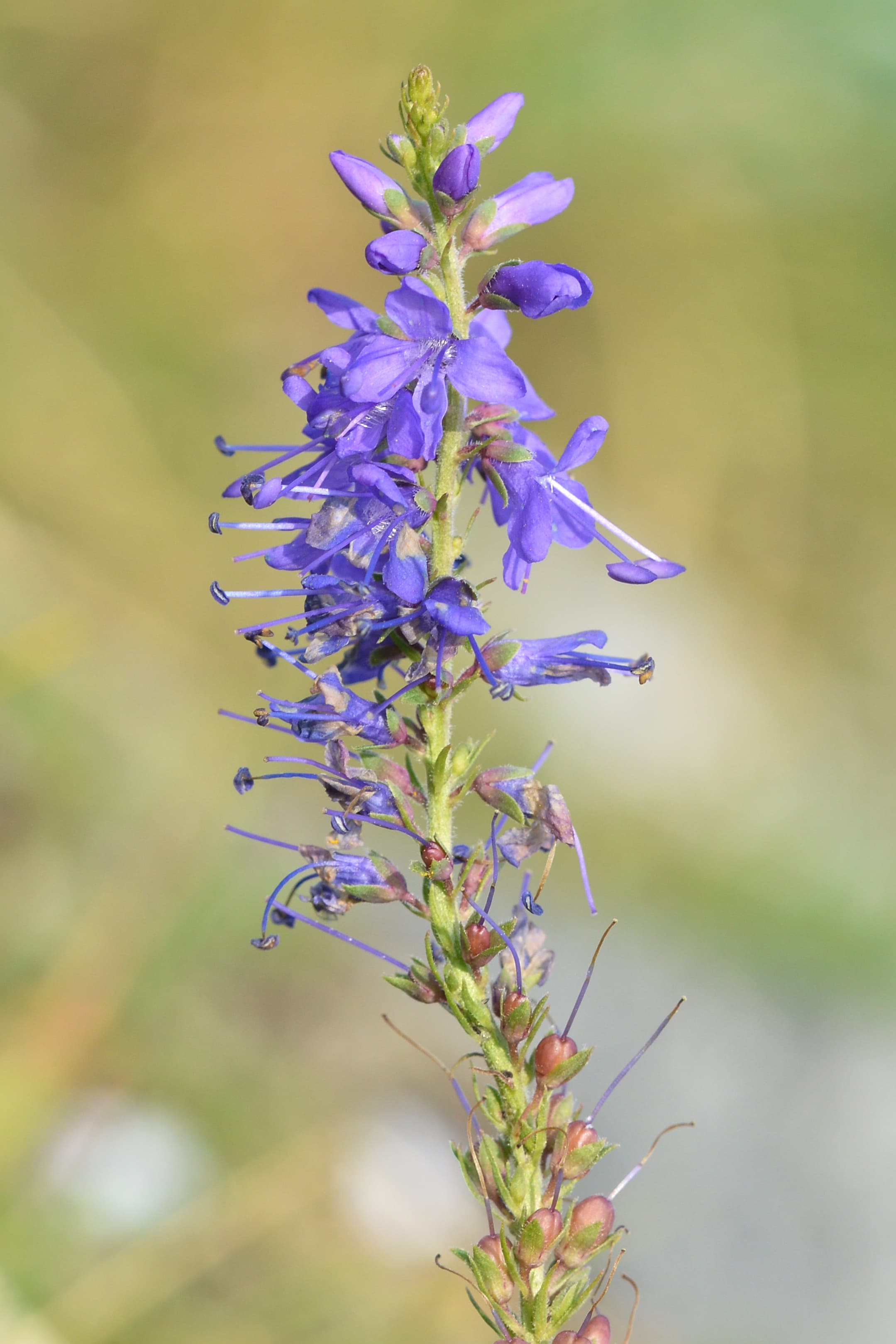 Speedwell
 Sugar Baby Watermelon🎃Sugar Pie Pumpkin
 Suyo Long Cucumber
 Tennessee Red Valencia Peanut
 Texas Scarlet Flowering Quince
 Tromboncino Squash
For educational and informational purposes only. Disease management advice is general guidance drawn from university cooperative extension sources; always identify a problem positively and read and follow the label on any product before use, especially around food crops, children, and pets.