
Entomosporium Leaf Spot
Entomosporium mespili
The most common leaf disease of Indian hawthorn, and a frequent problem on red tip photinia, caused by a fungus that spots and drops the leaves. It shows as many small red spots that merge into blotches, and in wet springs and falls it can defoliate a shrub and weaken it over several seasons.
🔎 How to spot it
Look for tiny, round, bright red to maroon spots on both the upper and lower surfaces of young leaves. As spots age they may develop small dark fruiting bodies in gray centers, and on heavily infected leaves they merge into large irregular blotches. Badly spotted leaves yellow and drop, and repeated leaf loss thins the plant.
🥀 Damage it causes
The spotting and especially the leaf drop are the damage: a shrub that loses much of its foliage repeatedly grows poorly, looks bare and unsightly, and is weakened and more vulnerable to other stresses. New, young leaves are the most susceptible, so flushes of growth in spring and fall are when most infection and defoliation happen.
🔬 What causes it
The disease is caused by the fungus Entomosporium mespili. It is splashed from leaf to leaf and plant to plant by water and is most damaging during periods of frequent rain in spring and fall, and where overhead watering keeps the leaves wet. Crowded plantings with poor air movement stay wet longer and develop worse disease. The fungus survives on infected fallen leaves and on the plant. Besides Indian hawthorn it attacks red tip photinia, pear (including Bradford pear), loquat, quince, and pyracantha.
🛡️ Prevent it
The best defense is to plant resistant cultivars (Indian hawthorn selections such as Indian Princess, Blueberry Muffin, Olivia, and Eleanor Tabor are noted as more resistant) in a full-sun site with good spacing for air movement. Water with drip or soaker hoses rather than overhead sprinklers so the leaves stay dry, and rake up and discard fallen diseased leaves, which are a key source of spores.
🧯 If it is already here
Where the disease is established, collect and destroy fallen leaves and improve air flow and watering first. For valuable plantings, a protectant fungicide such as chlorothalonil applied as new growth emerges in spring and repeated on a schedule, roughly every ten days in rainy weather or every two weeks in dry weather, protects the new leaves through the infection period. Spraying without fixing the moisture and sanitation usually gives poor results.
💡 Good to know
Indian hawthorn and red tip photinia are so prone to this disease that in humid regions resistant species or alternative shrubs are often the better long-term choice. Because infection is driven by wet leaves, the simple switch from overhead watering to drip irrigation, plus better spacing, often makes the biggest difference.
🌱 Plants it affects
62 plants in the library can be affected by this problem
 Amethyst Falls Wisteria
 Anjou Pear
 Annabelle Smooth Hydrangea
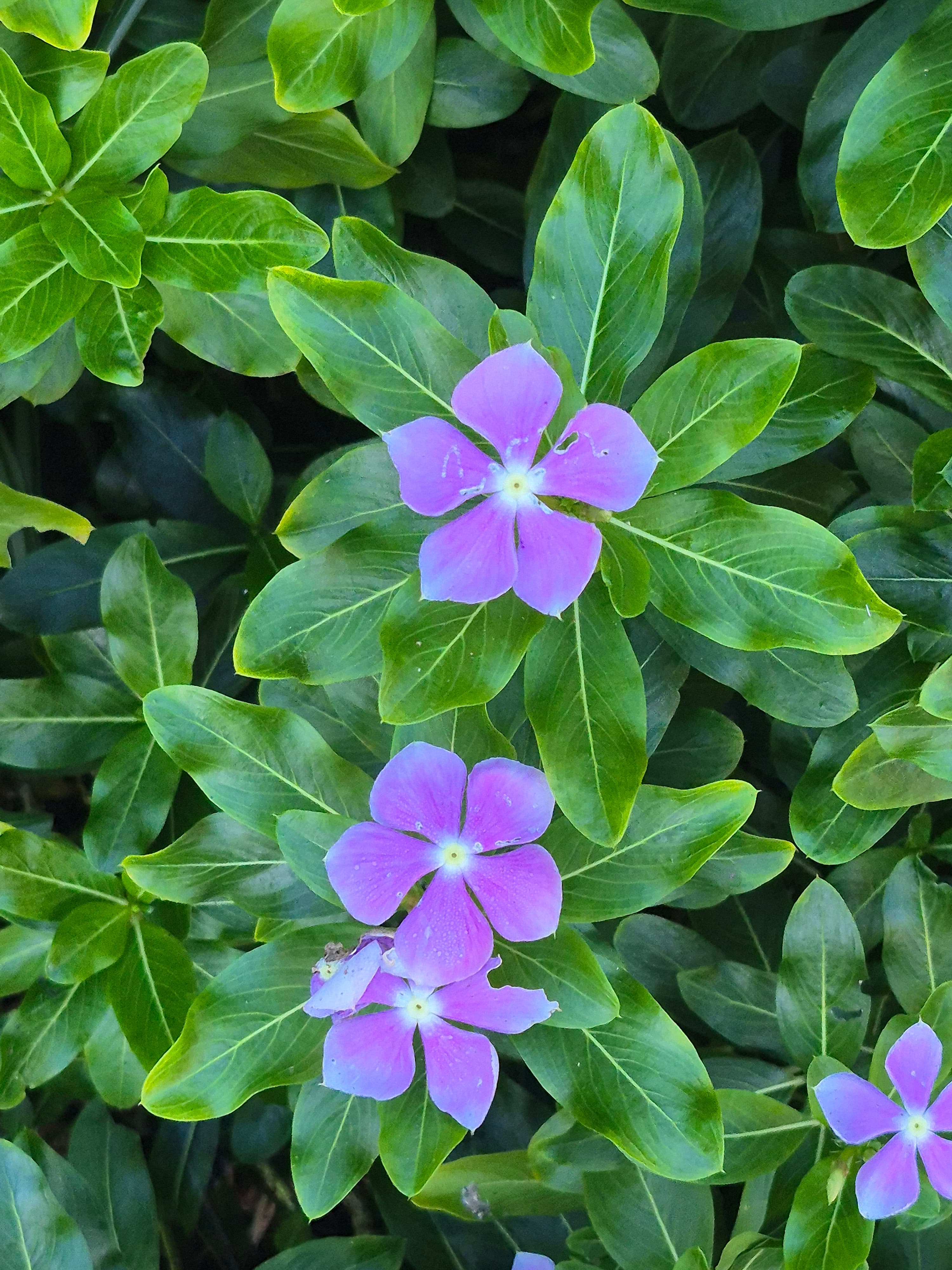 Annual Vinca
 Arizona Sun Blanket Flower
 Aronia
 Asian Pear
 Bartlett Pear
 Becky Shasta Daisy
 Bosc Pear
 Braeburn Apple
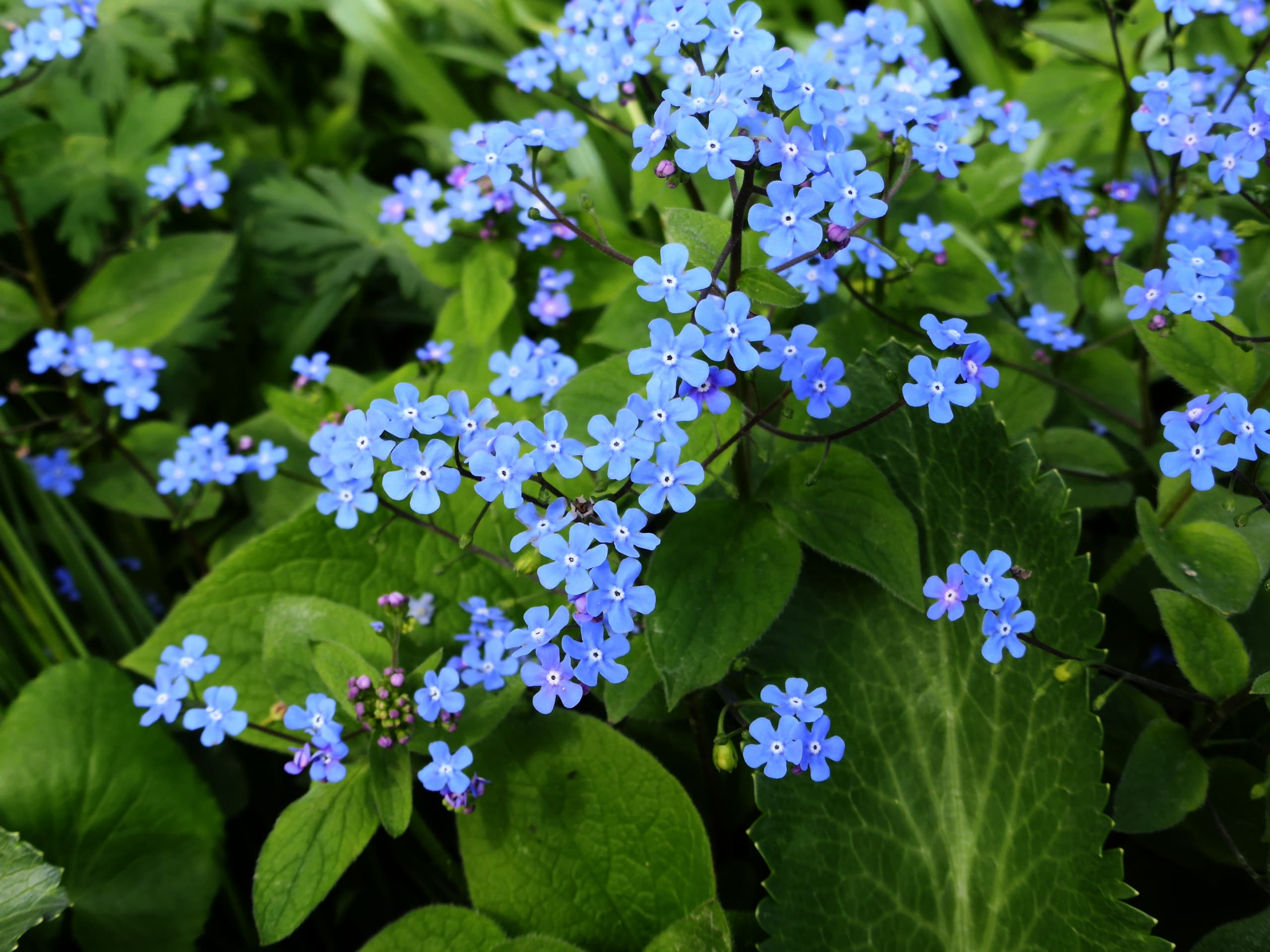 Brunnera
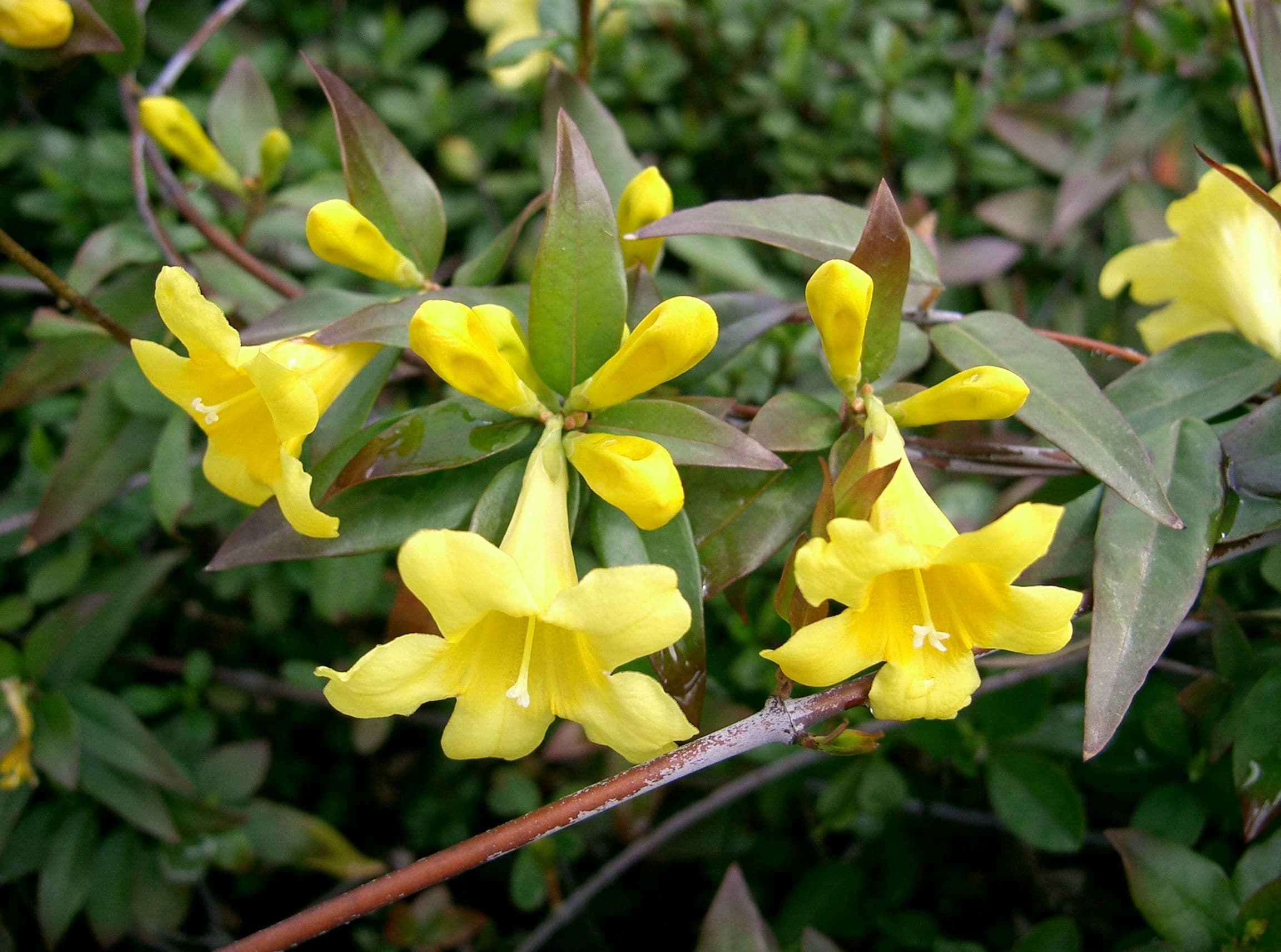 Carolina Jessamine
 Cascara Sagrada
 Champagne Loquat
 Cleyera
 Climbing Hydrangea
 Cornelian Cherry
 Cortland Apple
 Cosmic Crisp Apple
 Crimson Cherry Rhubarb
 Diabolo Ninebark
 Early Amethyst Beautyberry
 Endless Summer Hydrangea
 Evergreen Huckleberry
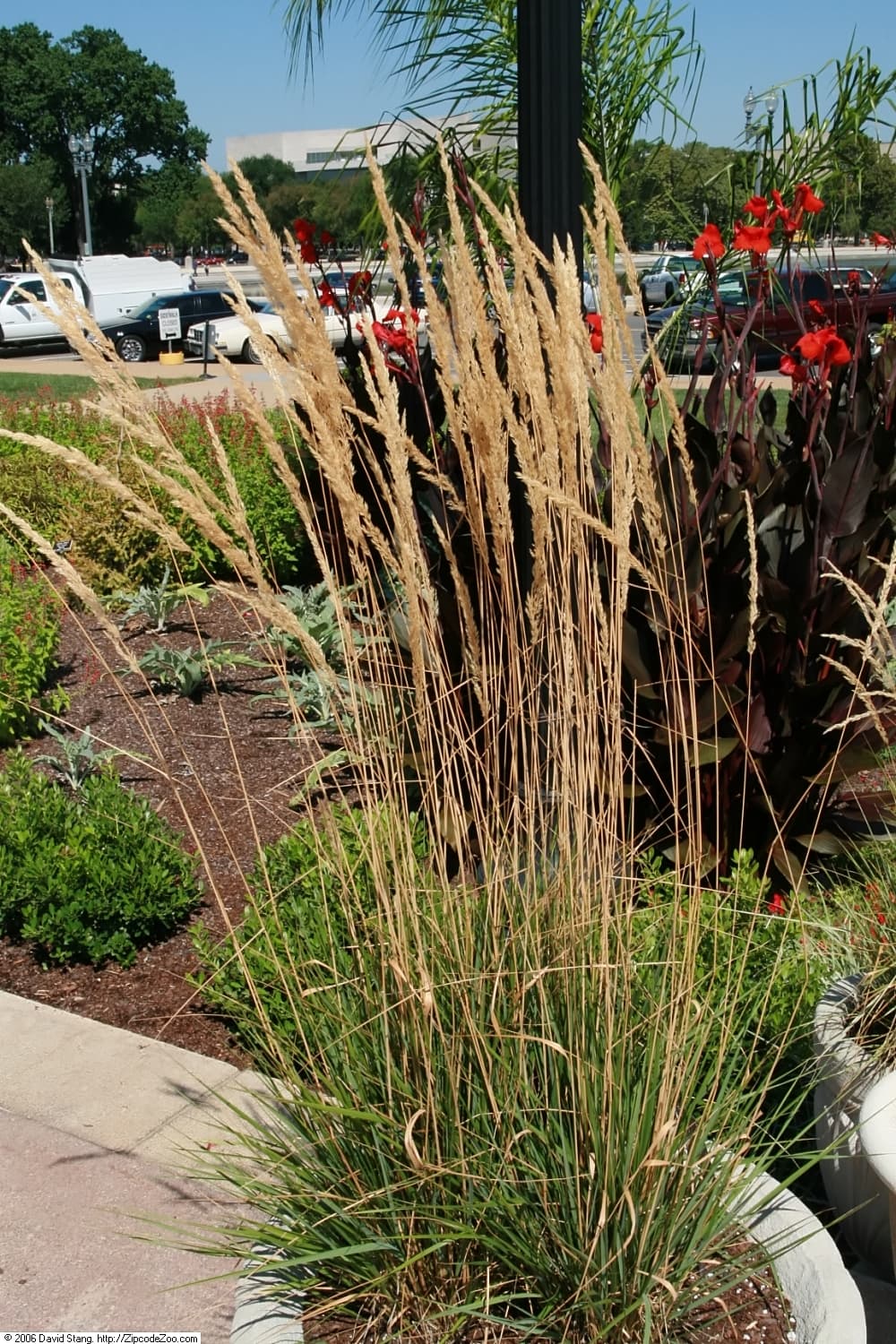 Feather Reed Grass
 Fountain Grass
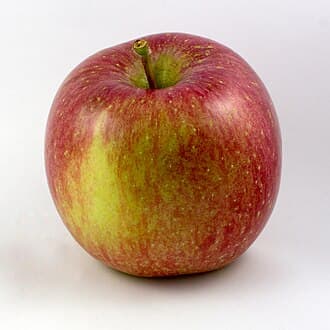 Fuji Apple
 Gala Apple
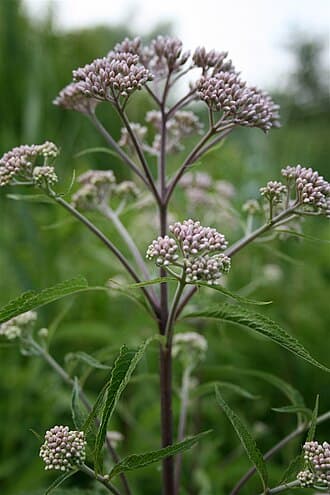 Gateway Joe Pye Weed
 Goldflame Spirea
 Goldsturm Black-Eyed Susan
 Granny Smith Apple
 Hawthorn
 Honeycrisp Apple
 Hummingbird Summersweet
 Indian Hawthorn
 Japanese Pieris
 Kobold Blazing Star
 Lily of the Valley
 Limelight Panicle Hydrangea
 Lingonberry
 Lynwood Gold Forsythia
 Major Wheeler Trumpet Honeysuckle
 McIntosh Apple
 Medlar
 Moerheim Beauty Sneezeweed
 Natchez Mock Orange
 Pink Lady Apple
 Prickly Pear
 Quaking Aspen
 Quince
 Red Delicious Apple
 Regent Saskatoon
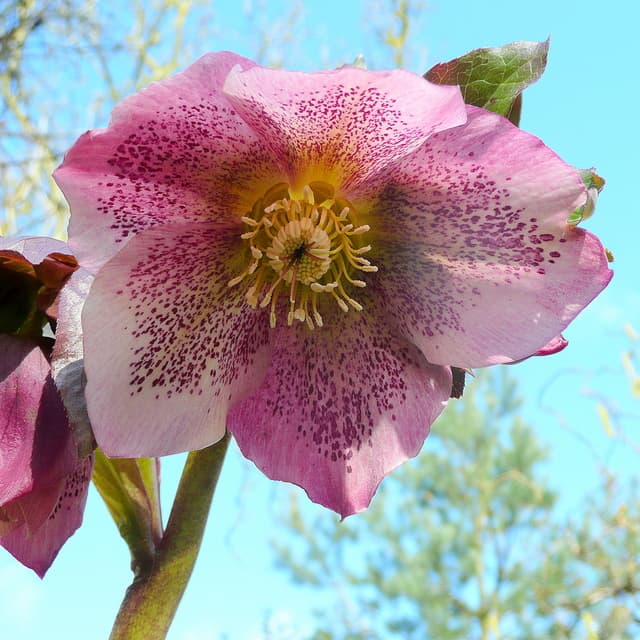 Royal Heritage Lenten Rose
 Salal
Salal Sheffield Pink Garden Mum
 Snow Queen Oakleaf Hydrangea
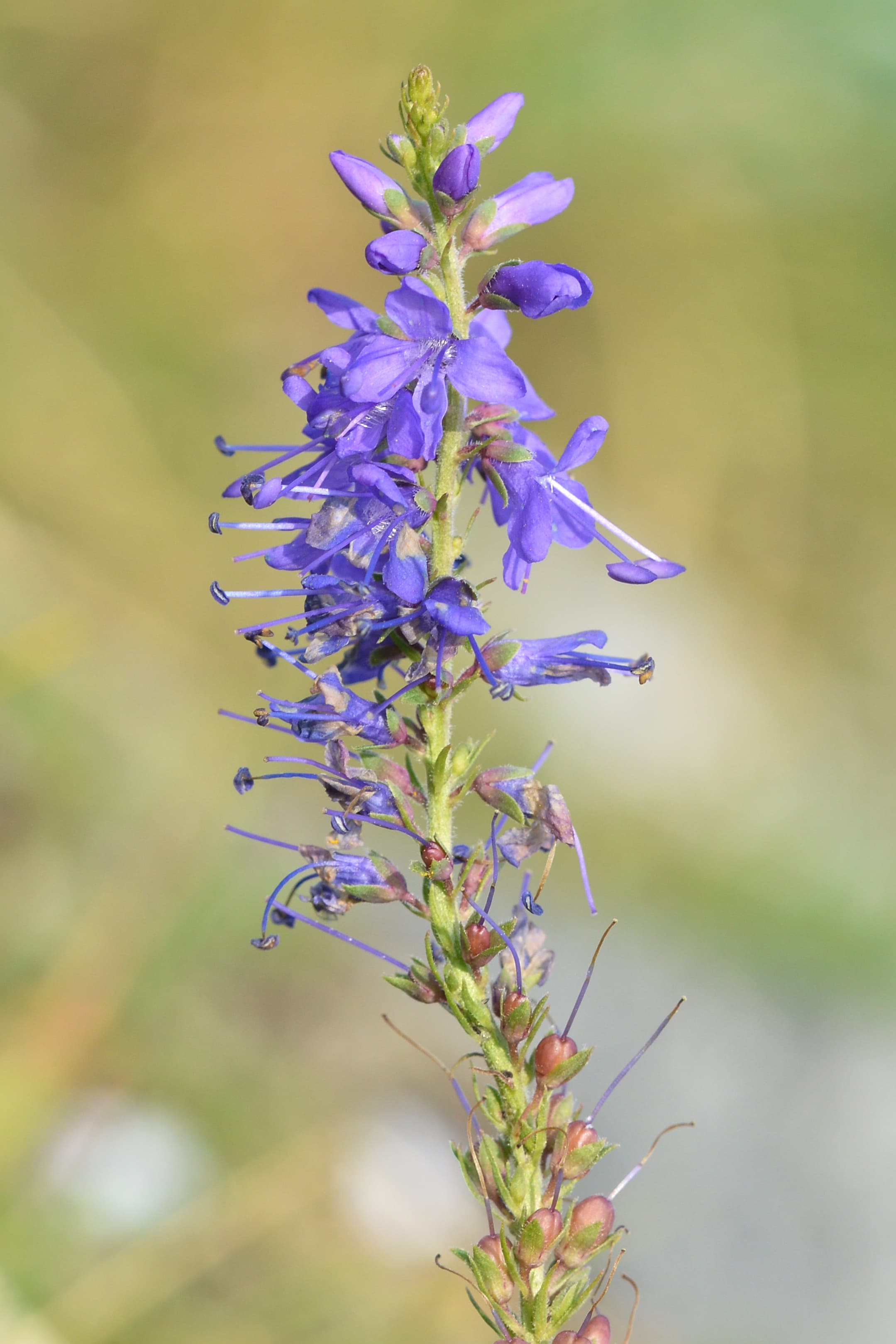 Speedwell
 Sugar Apple
 Tennessee Red Valencia Peanut
 Texas Scarlet Flowering Quince
For educational and informational purposes only. Disease management advice is general guidance drawn from university cooperative extension sources; always identify a problem positively and read and follow the label on any product before use, especially around food crops, children, and pets.