
Seedcorn Maggot
Delia platura
The small white maggots of a fly that attack germinating seeds and seedlings underground, hollowing out the seed before it can sprout. Seedcorn maggot is a common cause of poor, patchy stands in beans, corn, peas, cucurbits, and many other crops, especially in cool, wet springs and in soils rich in fresh organic matter.
🔎 How to spot it
The damage is underground and usually noticed as poor germination: gaps in the row, slow, spotty emergence, and seedlings that come up weak, with the growing tip eaten away producing bald snakehead plants. Dig up a failed seed and look for small, white, legless maggots, less than a quarter inch, with a pointed head, tunneling into it. The gray-brown adult fly resembles a small housefly.
🥀 Damage it causes
The maggots burrow into and hollow out planted seeds, destroying them before they germinate, and feed on the cotyledons and growing tips of those that do sprout, leaving stand gaps and stunted, deformed snakehead and Y-shaped seedlings that may die. Cool, wet conditions that slow germination give the maggots more time to do damage, worsening the loss.
🛡️ Prevent it
Because nothing can be done once the seed is attacked, all the management is before planting. Plow or disc under cover crops, weeds, and manure at least two weeks before sowing so the residue that attracts the egg-laying flies breaks down, and avoid heavy fresh manure. Plant into warm, well-drained soil under conditions that bring fast germination, and delay sowing in a cold, wet spring.
🧯 If it is already here
There is no rescue for attacked seed, so the response is to replant once conditions favor quick germination, ideally into warmer, drier soil so seedlings outrun the maggots. If a stand fails, wait for warmer soil and reseed, and adjust next time by working residue in earlier and planting when the soil is warm. Seed treatments are the main preventive where the pest recurs.
💡 Good to know
Seedcorn maggot damage is a planting-conditions story: it strikes hardest in cool, wet springs and in soil loaded with fresh, decaying organic matter that draws the flies to lay eggs. The practical defenses are all about timing, working residue in early and planting into warm soil for fast germination, since by the time you see the gaps, the maggots have moved on.
🌱 Plants it attacks
101 plants in the library can be attacked by this pest
 Acorn Squash
 Adirondack Blue Potato
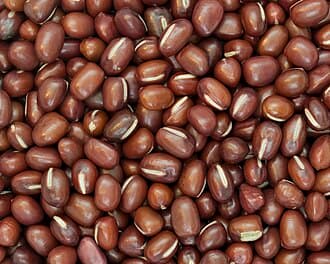 Adzuki Bean🥔All Blue Potato
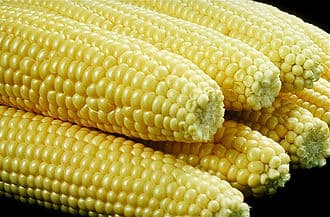 Ambrosia Corn
 Armenian Cucumber
 Atlantic Giant Pumpkin
 Beauregard Sweet Potato
 Bitter Melon
 Black Bean
 Black Beauty Zucchini🍉Black Diamond Watermelon
 Black-Eyed Pea
 Bloomsdale Spinach
 Blue Lake Green Bean🥒Boston Pickling Cucumber
 Broad Windsor Fava Bean
 Bull's Blood Beet
 Buttercup Squash
 Butternut Squash
 Cannellini Bean
 Cantaloupe
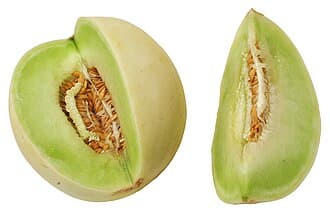 Casaba Melon
 Charleston Gray Watermelon
 Chioggia Beet
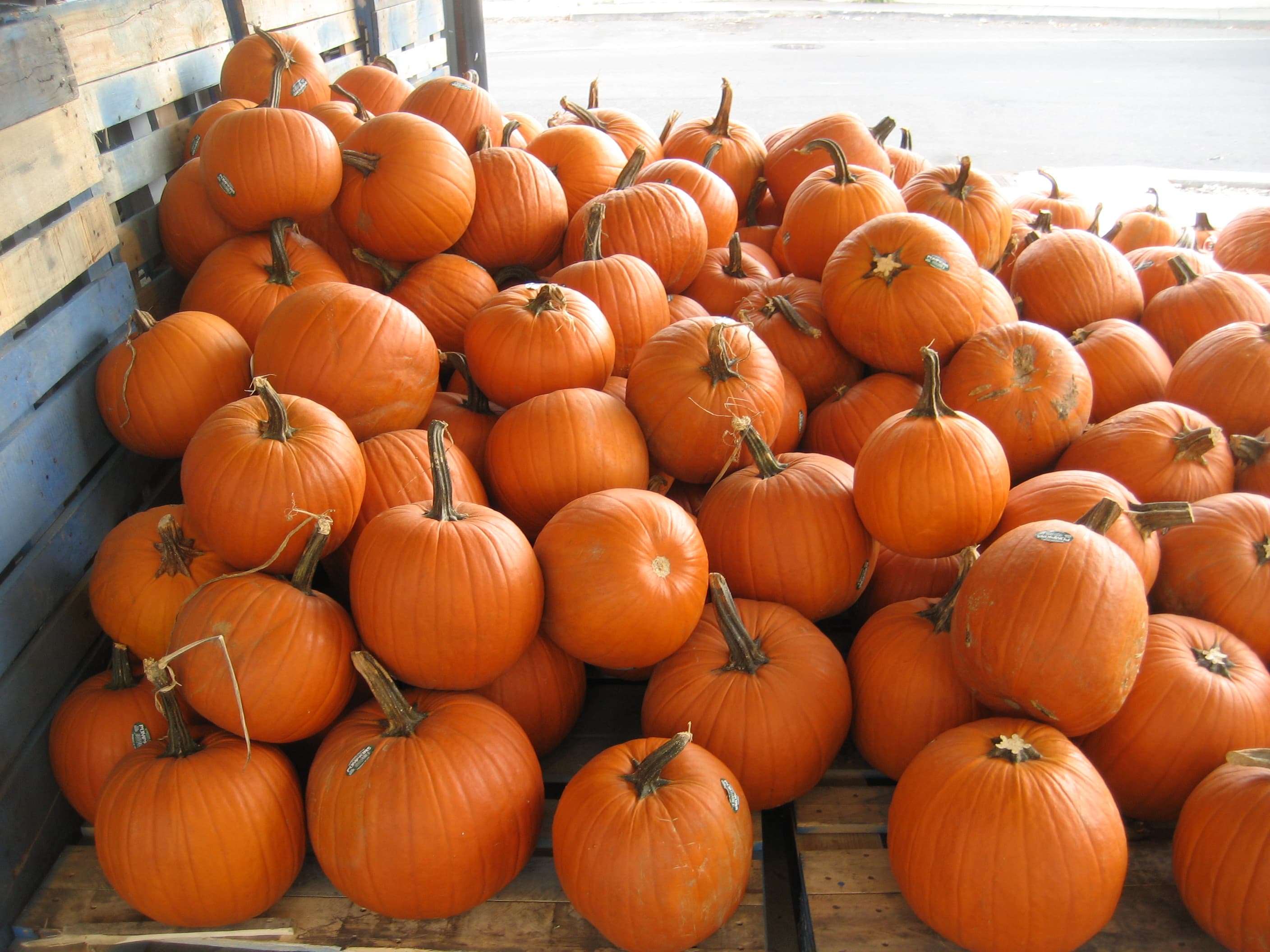 Cinderella Pumpkin
 Cipollini Onion
 Costata Romanesco Zucchini
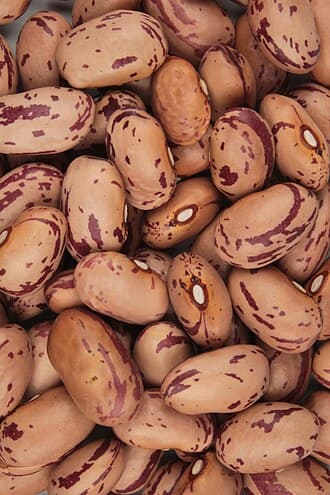 Cranberry Bean
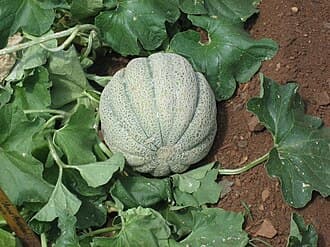 Crenshaw Melon
 Crimson Sweet Watermelon
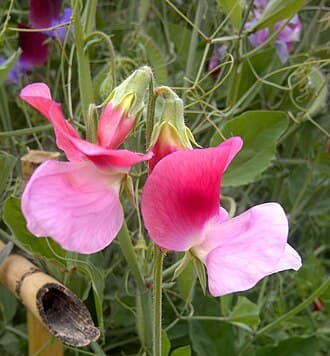 Cupani Sweet Pea
 Cylindra Beet
 Delicata Squash
 Detroit Dark Red Beet🥒Diva Cucumber
 Edamame
 Egyptian Walking Onion🥒English Cucumber
 English Shelling Pea
 Field Pea
 Fingerling Potato
 Fordhook 242 Lima Bean
 Galia Melon
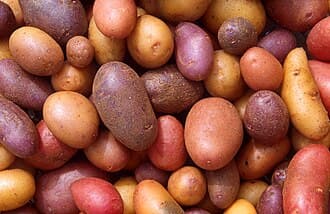 German Butterball Potato
 Golden Bantam Corn
 Golden Beet
 Honeydew Melon
 Hubbard Squash
 Jack-O-Lantern Pumpkin🍉Jubilee Watermelon
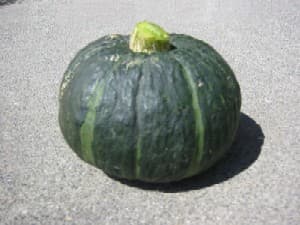 Kabocha Squash
 Kennebec Potato
 Kentucky Wonder Pole Bean
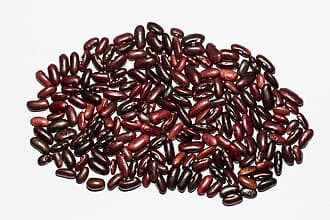 Kidney Bean
 Kirby Cucumber
 Lemon Cucumber
 Lincoln Pea
 Malabar Spinach
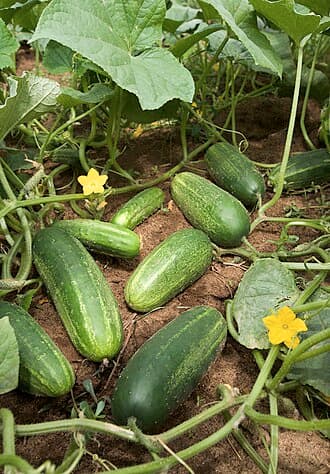 Marketmore Cucumber🍉Mini Love Watermelon🍉Moon and Stars Watermelon
 Mung Bean
 Navy Bean
 New Zealand Spinach
 Norland Potato🍉Orangeglo Watermelon
 Pattypan Squash
 Pearl Onion
 Persian Cucumber
 Pickling Cucumber
 Pinto Bean🌱Provider Bush Bean🥔Purple Majesty Potato
 Red Noodle Yardlong Bean🧅Red Onion
 Red Pontiac Potato
 Romano Bean
 Russet Potato
 Scarlet Runner Bean
 Silver Queen Corn
 Snow Pea🥬Space Spinach
 Spaghetti Squash🧅Spanish Onion
 Sugar Baby Watermelon🌱Sugar Daddy Pea🎃Sugar Pie Pumpkin
 Sugar Snap Pea
 Suyo Long Cucumber
 Tromboncino Squash🥬Tyee Spinach
 Vidalia Sweet Onion🧅Walla Walla Sweet Onion
 White Onion
 Winter Melon
 Yellow Crookneck Squash🍉Yellow Doll Watermelon
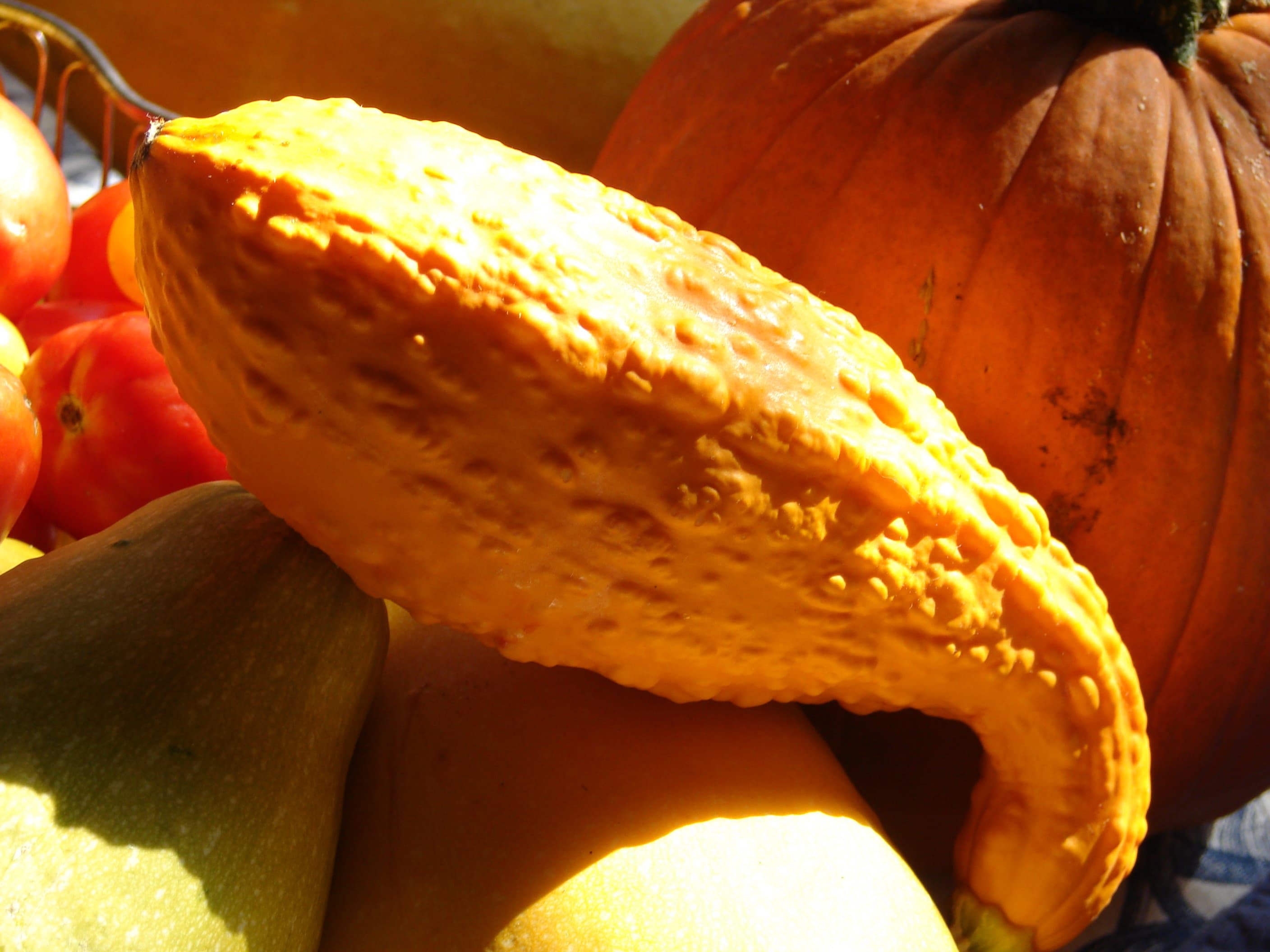 Yellow Summer Squash
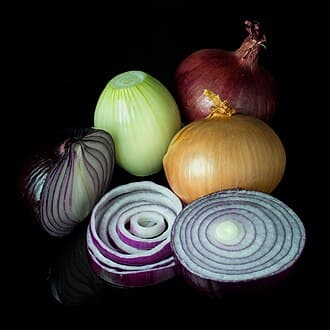 Yellow Sweet Onion
For educational and informational purposes only. Pest control advice is general guidance drawn from university cooperative extension sources; always identify a pest positively and read and follow the label on any product before use, especially around food crops, children, and pets.