
Cedar-Apple Rust
Gymnosporangium juniperi-virginianae
A striking fungal rust that needs two hosts to live: it makes bright orange spots on apple and crabapple leaves and fruit in summer, and bizarre gelatinous orange galls on nearby junipers and red cedars in spring. It is mostly a cosmetic disease on apples, but in a wet spring it can spot fruit and drop leaves on susceptible trees.
🔎 How to spot it
On apples and crabapples, look for small pale-yellow spots on the upper leaf surface that enlarge into bright orange to yellow spots, often with tiny black dots at the center and, underneath, small tube-like projections. On junipers and cedars, look for brown woody galls that, in spring rains, swell into bright orange, jelly-like masses with finger-like horns.
🥀 Damage it causes
On apple and crabapple the rust spots the leaves and sometimes the fruit, and a heavy case can yellow and drop leaves and blemish fruit, though it rarely does lasting harm. On junipers the galls cause little real damage. The disease is mostly an appearance problem, worst in wet springs and on highly susceptible varieties.
🔬 What causes it
Cedar-apple rust is caused by the fungus Gymnosporangium juniperi-virginianae, which must alternate between two living hosts to complete its cycle: a juniper or red cedar and a rose-family host like apple or crabapple. Spores from the spring juniper galls blow to apples and infect the leaves and fruit, and later spores from the apples blow back to the junipers. Without both hosts the fungus cannot survive.
🛡️ Prevent it
Plant rust-resistant apple and crabapple varieties, the simplest long-term fix. Where practical, remove nearby junipers and red cedars, or prune out their galls before spring, to break the two-host cycle, though spores can blow in from a distance. Give trees full sun and good air movement so leaves dry quickly.
🧯 If it is already here
On junipers, prune out the woody galls in late winter, cutting several inches below each gall, to remove the spore source before spring. On highly susceptible apples, protectant fungicides applied from the pink-bud stage through early cover can reduce infection, but because the disease is largely cosmetic, leaf rust on the apples can usually just be tolerated.
💡 Good to know
The two-host life cycle is the key to cedar-apple rust: the alarming orange jelly galls on junipers in spring and the orange leaf spots on apples in summer are the same fungus on its two hosts. Because it needs both, separating the hosts or, more practically, planting resistant apples is the surest control. On most trees the apple-leaf rust can be ignored.
🌱 Plants it affects
50 plants in the library can be affected by this problem
 Anjou Pear
 Aronia
 Asian Pear
 Bartlett Pear
 Bengal Tiger Canna
 Blue Fescue
 Bosc Pear
 Braeburn Apple
 Cardinal Flower
 Carolina Geranium
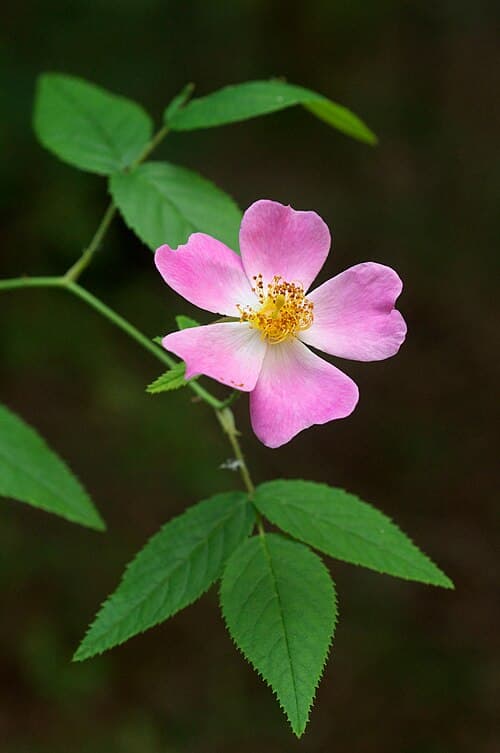 Climbing Prairie Rose
 Common Flax
 Cortland Apple
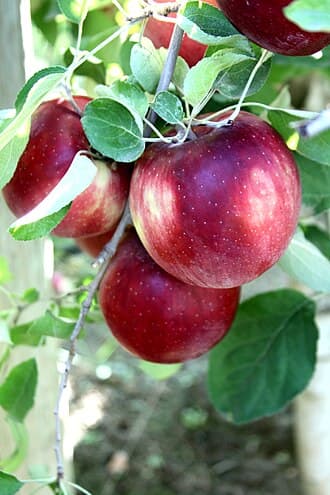 Cosmic Crisp Apple
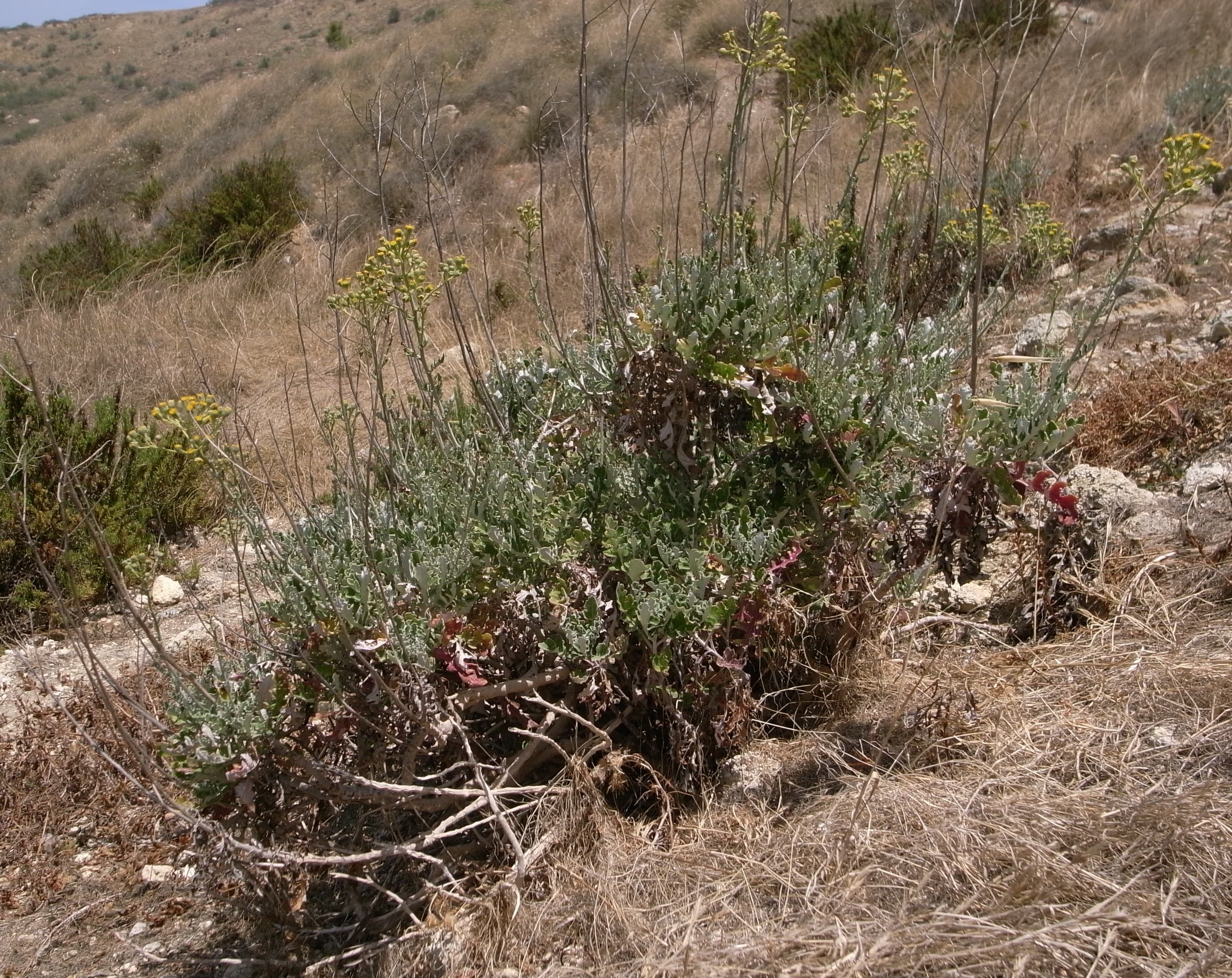 Dusty Miller
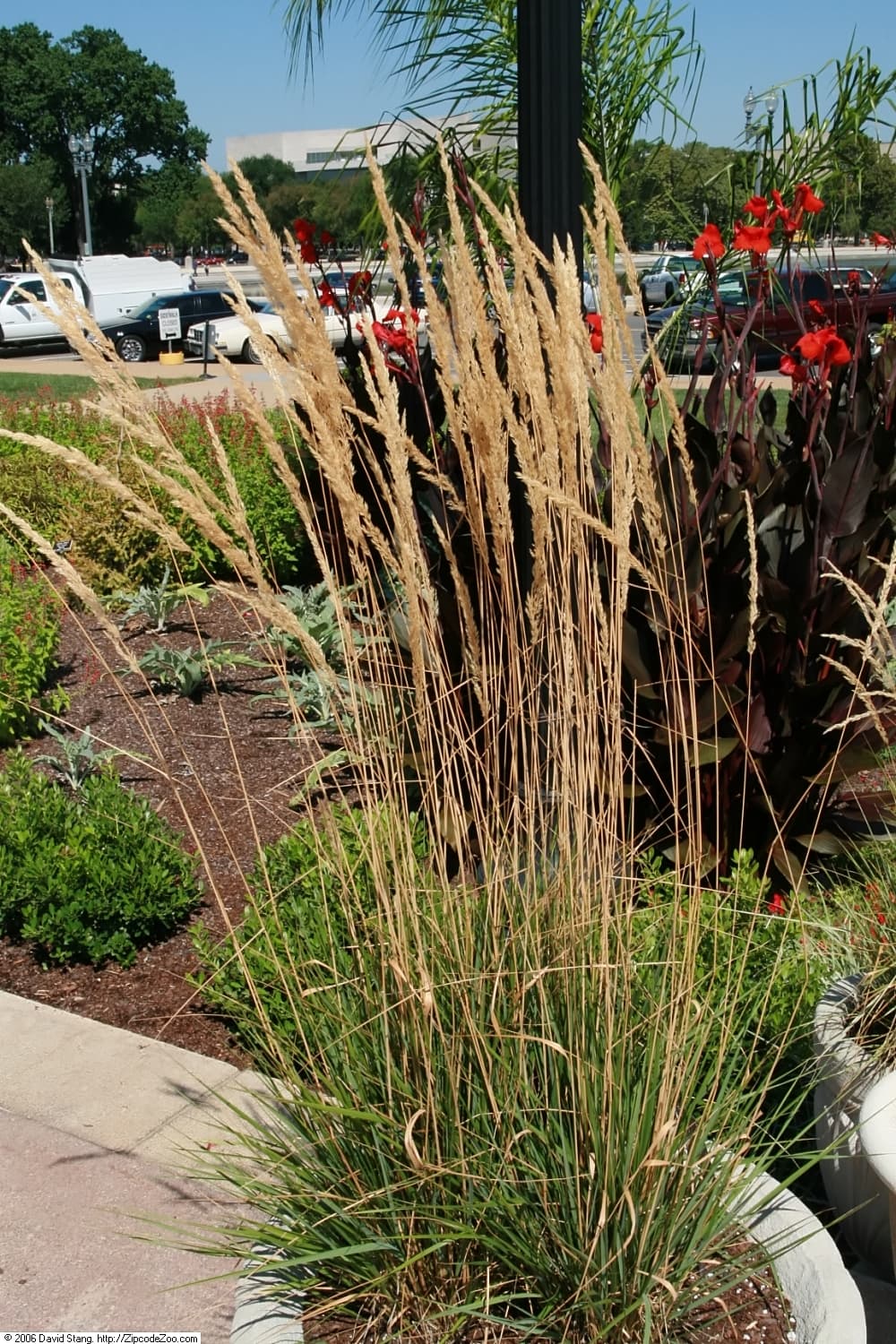 Feather Reed Grass
 Fireworks Goldenrod
 Fountain Grass
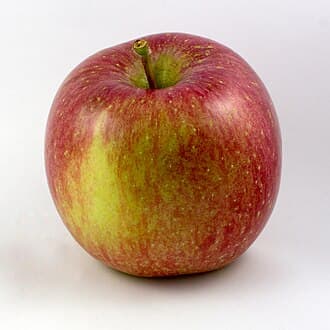 Fuji Apple
 Gala Apple
 Gaura
Gaura Granny Smith Apple
 Hawthorn
 Honeycrisp Apple
 Indian Hawthorn
 Juniper
 Kobold Blazing Star
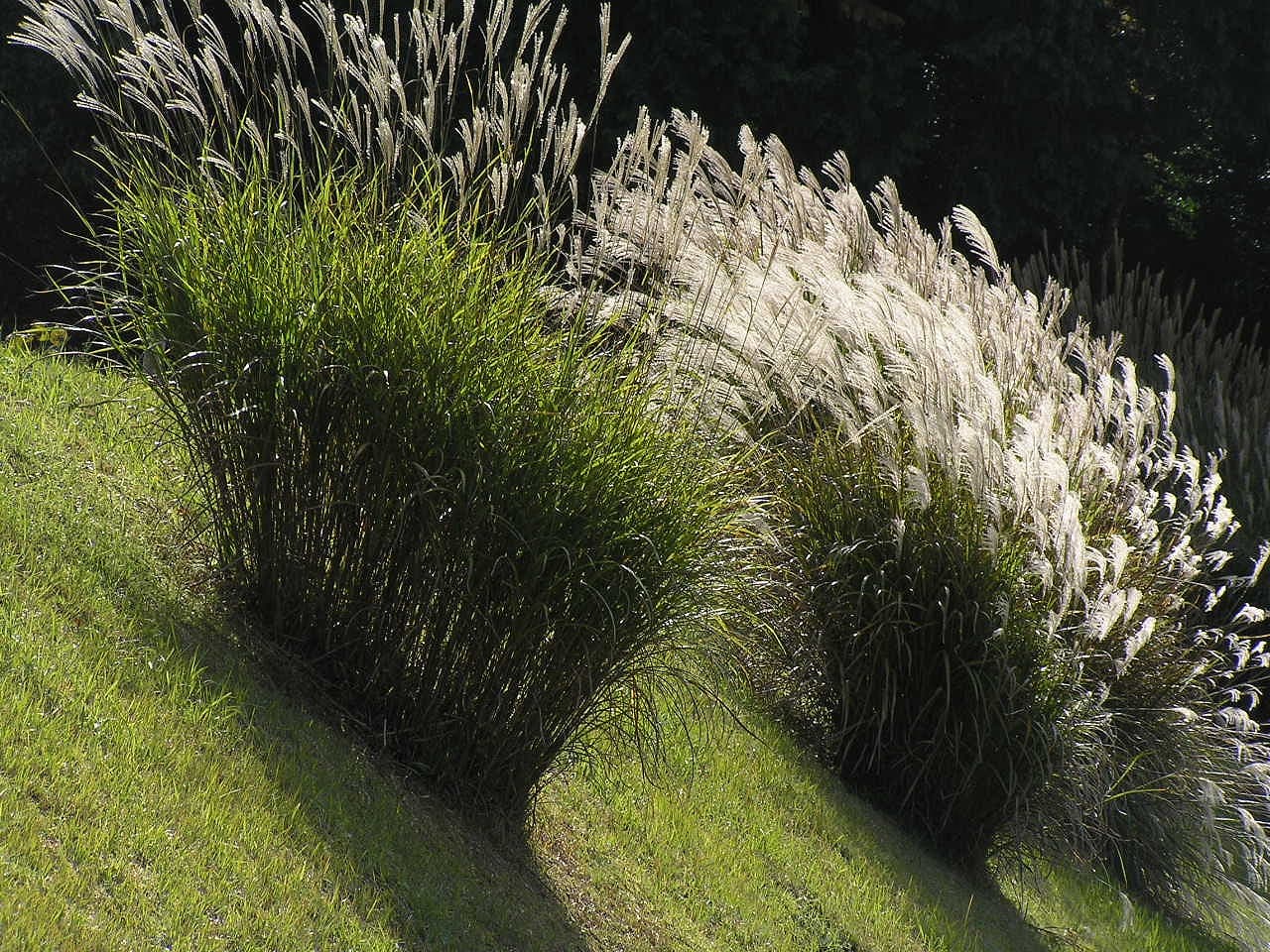 Maiden Grass
 Marshmallow
 Mary Washington Asparagus
 McIntosh Apple
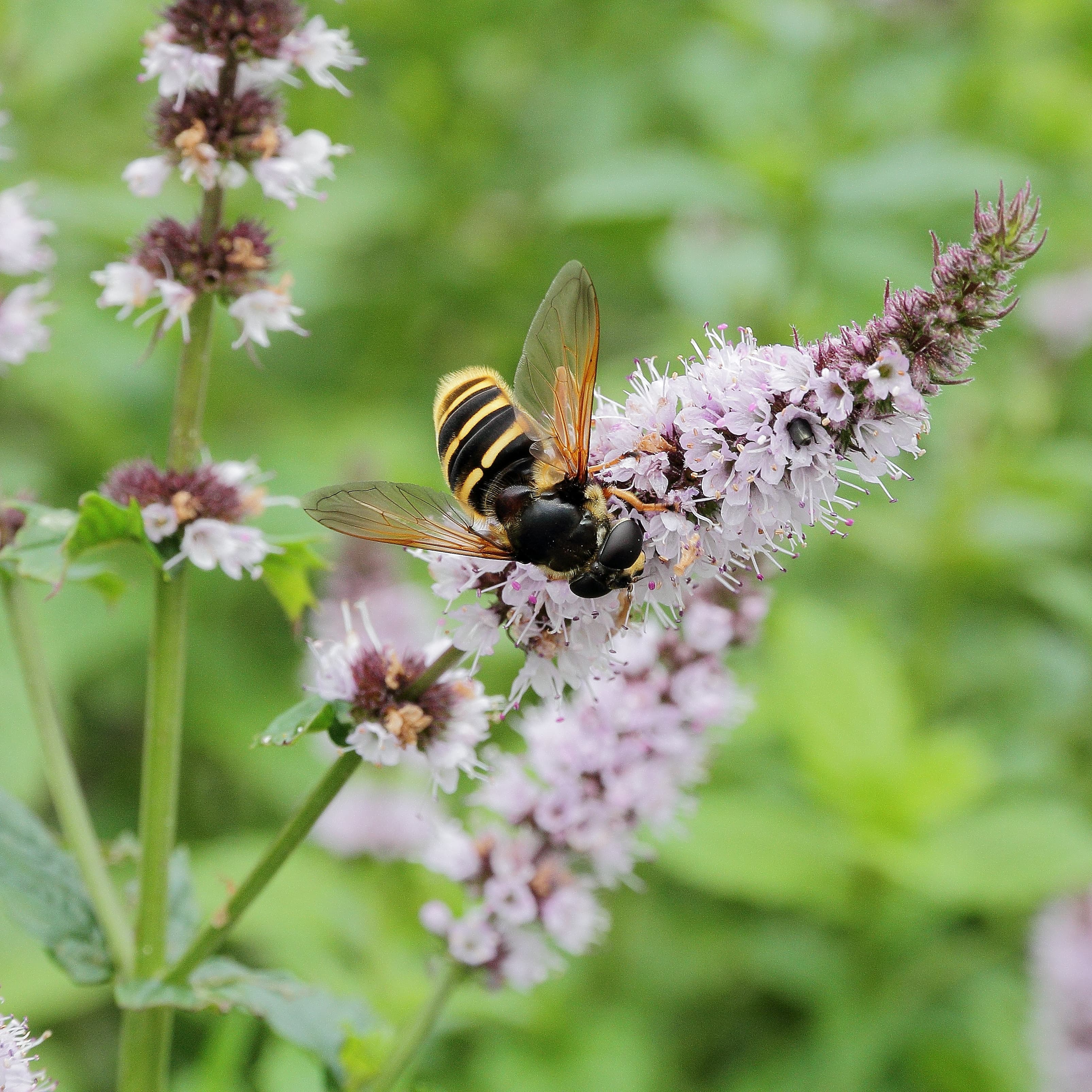 Mojito Mint
 Orange Mint
 Oregon Grape
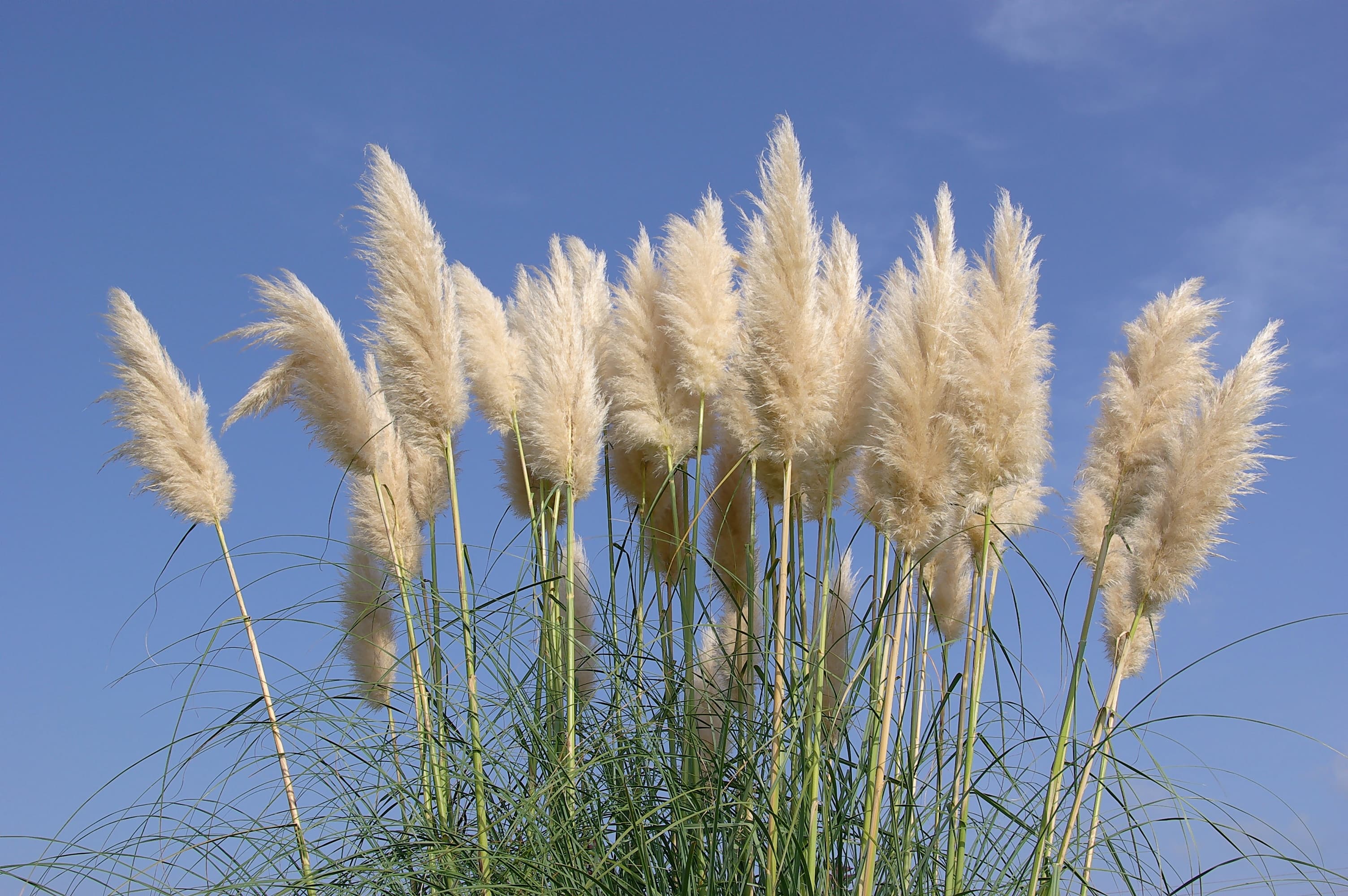 Pampas Grass
 Pineapple Mint
 Pink Lady Apple
 Prickly Pear
 Quince
 Red Delicious Apple
 Regent Saskatoon
 Romano Bean
 Snapdragon
 Statice
 Sugar Apple
 Sweet Grass
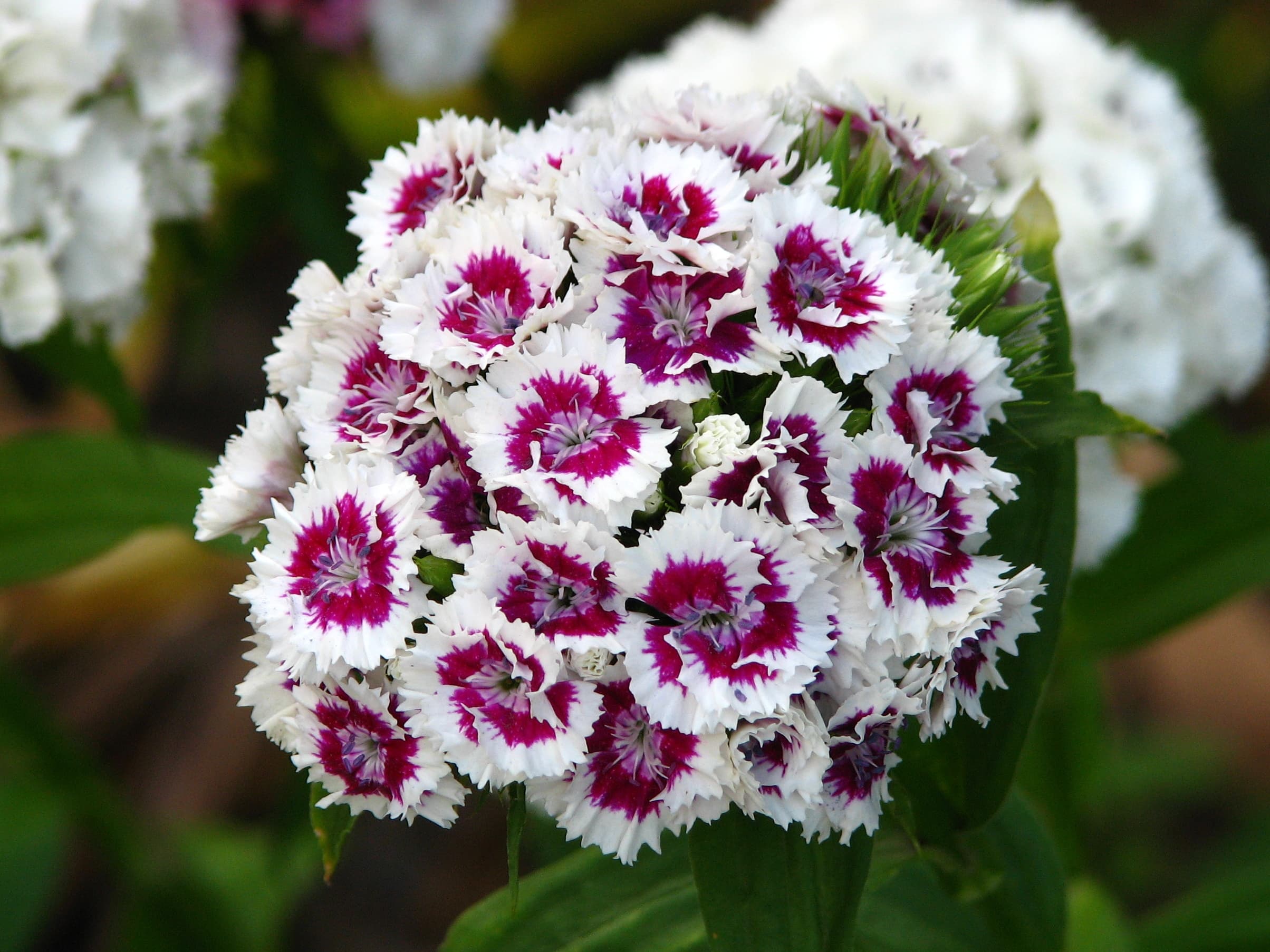 Sweet William
 Switchgrass
 Texas Scarlet Flowering Quince
 Western Red Cedar
For educational and informational purposes only. Disease management advice is general guidance drawn from university cooperative extension sources; always identify a problem positively and read and follow the label on any product before use, especially around food crops, children, and pets.