
Wireworms
Family Elateridae (larvae)
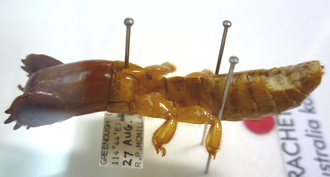
The larvae of click beetles: tough, wiry, orange-brown grubs that live in the soil for years and chew into seeds, roots, and especially potato tubers, leaving narrow holes that ruin the crop. They are most troublesome in beds recently converted from sod or lawn.
🔎 How to spot it
Wireworms are slender, hard-bodied, shiny yellow to orange-brown larvae, a half to one and a half inches long, with a tough, segmented body that gives them their name. You find them in the soil and tunneling inside potatoes and root crops. The adults are elongate brown click beetles that flip into the air with an audible snap when turned onto their backs.
🥀 Damage it causes
Wireworms eat planted seeds before they sprout, sever the roots and underground stems of seedlings, and bore narrow tunnels straight into potatoes, sweet potatoes, carrots, and other root crops, leaving them pocked and unmarketable. Damage is often patchy and worst on ground that was grass or weeds the year before.
🛡️ Prevent it
Avoid planting potatoes and root crops in beds just turned from sod, where wireworm numbers are highest; give such ground a year or two of clean cultivation first. Rotate crops, and cultivate the soil in late summer and again in spring to expose larvae and pupae to predators and drying. Harvest potatoes promptly once mature rather than leaving them in infested soil.
🧯 If it is already here
There is no quick rescue once they are in the soil, so trapping and cultivation are the tools. Bury pieces of potato or carrot on a stick a few inches down every few feet, dig them up after a week, and destroy the wireworms that have gathered to feed; repeat before planting. Keep cultivating to reduce the population over the season.
💡 Good to know
Wireworms are slow developers, spending two to four or more years in the soil before becoming click beetles, so a problem bed stays a problem for several seasons. Because they thrive under grass, the worst infestations are in newly broken ground; a couple of years of rotation and trapping is usually what brings them down.
🌱 Plants it attacks
89 plants in the library can be attacked by this pest
 Adirondack Blue Potato
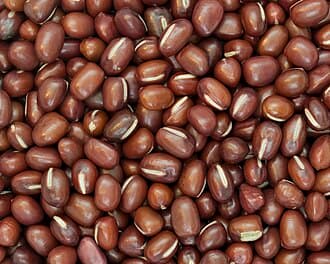 Adzuki Bean🥔All Blue Potato
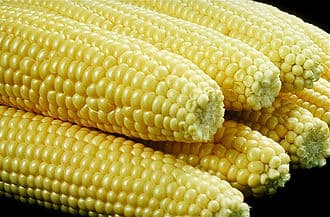 Ambrosia Corn🥕Atomic Red Carrot
 Beauregard Sweet Potato🥬Bibb Lettuce
 Black Bean🥬Black Seeded Simpson Lettuce🥕Black Spanish Radish
 Blue Lake Green Bean🥕Bolero Carrot
 Broad Windsor Fava Bean
 Bull's Blood Beet
 Burdock
 Buttercrunch Lettuce
 Cannellini Bean
 Celeriac
 Chantenay Carrot
 Cherry Belle Radish
 Chioggia Beet
 Cipollini Onion
 Cosmic Purple Carrot
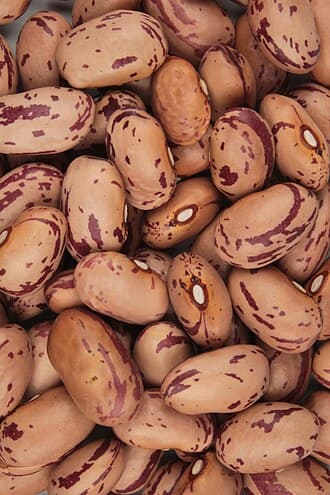 Cranberry Bean
 Cylindra Beet
 Daikon Radish
 Danvers Carrot
 Detroit Dark Red Beet
 Dragon Carrot🌸Easter Egg Radish
 Egyptian Walking Onion
 Fingerling Potato
 Fordhook 242 Lima Bean🥕French Breakfast Radish
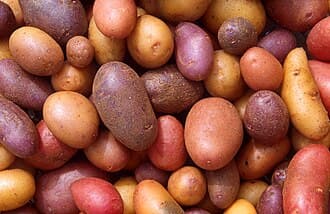 German Butterball Potato
 Golden Bantam Corn
 Golden Beet
 Green Cabbage
 Green Leaf Lettuce
 Hakurei Turnip
 Horseradish
 Iceberg Lettuce
 Imperator Carrot
 January King Cabbage
 Kennebec Potato
 Kentucky Wonder Pole Bean
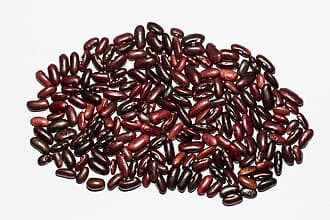 Kidney Bean🥬Little Gem Lettuce🥬Lollo Rossa Lettuce🥕Mokum Carrot
 Mung Bean
 Nantes Carrot
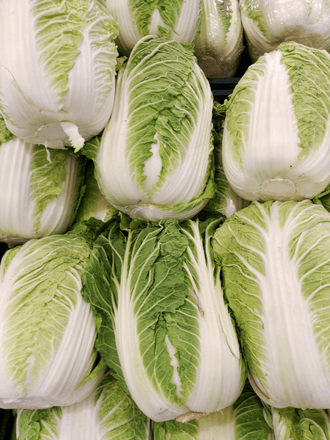 Napa Cabbage
 Navy Bean
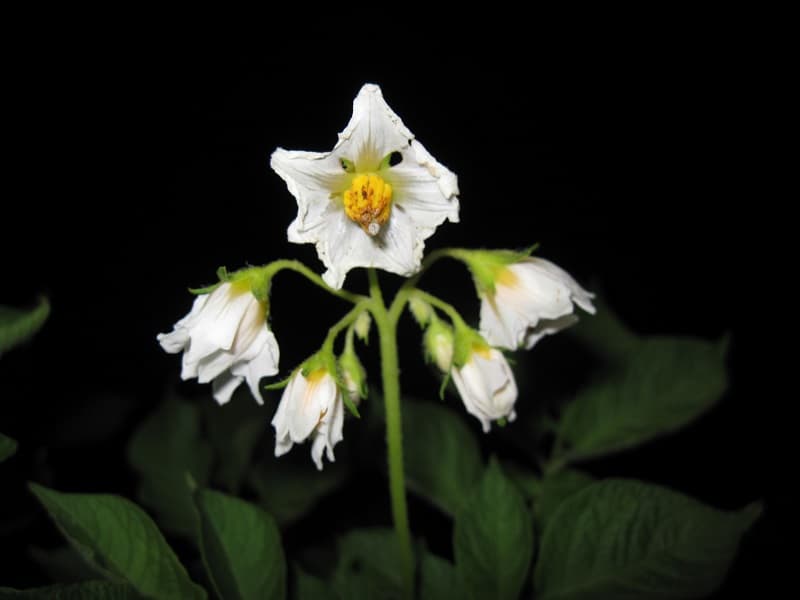 Norland Potato🥬Oakleaf Lettuce🥕Paris Market Carrot
 Parsnip
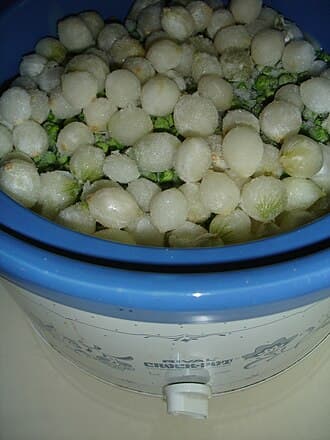 Pearl Onion
 Pinto Bean🌱Provider Bush Bean🥔Purple Majesty Potato
 Purple Top Turnip🥕Rainbow Carrot Mix
 Red Cabbage
 Red Leaf Lettuce
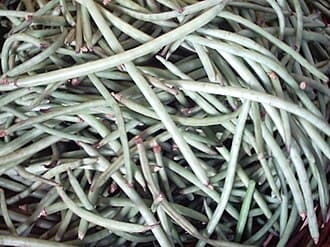 Red Noodle Yardlong Bean🧅Red Onion
 Red Pontiac Potato
 Romaine Lettuce
 Romano Bean
 Russet Potato
 Rutabaga🥬Salad Bowl Lettuce
 Salsify
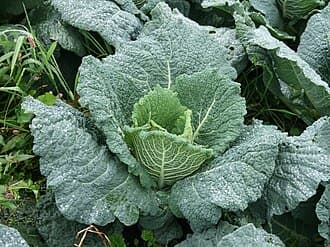 Savoy Cabbage
 Scarlet Runner Bean
 Silver Queen Corn🧅Spanish Onion
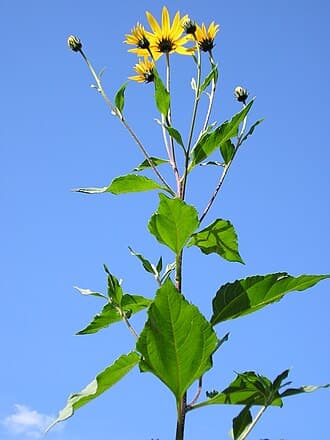 Sunchoke
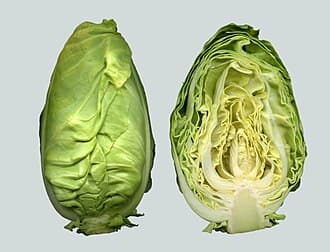 Sweetheart Cabbage
 Vidalia Sweet Onion🧅Walla Walla Sweet Onion🥕Watermelon Radish
 White Onion🥕White Satin Carrot
 Wild Lettuce
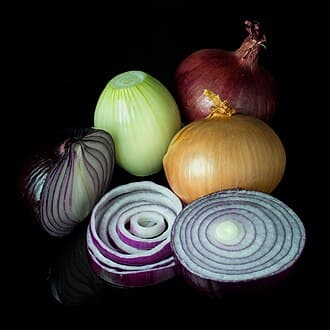 Yellow Sweet Onion
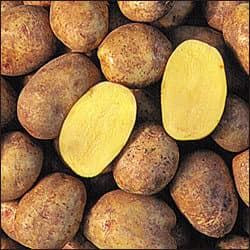 Yukon Gold Potato
For educational and informational purposes only. Pest control advice is general guidance drawn from university cooperative extension sources; always identify a pest positively and read and follow the label on any product before use, especially around food crops, children, and pets.