
Alternaria Leaf Spot
Alternaria species
A common fungal leaf spot of the cabbage family that rings the leaves with brown target-like spots and can rot into the heads of broccoli and cauliflower. It shows up on cabbage, kale, broccoli, and their kin, especially in warm, wet weather, downgrading the harvest and sometimes spoiling the part you eat.
🔎 How to spot it
Look for round brown spots with dark concentric rings, like a target, often surrounded by a yellow halo, on the older, lower leaves first. The spot centers may dry and crack or drop out, and heavy spotting merges into large dead patches that yellow and kill the leaf. On broccoli and cauliflower the fungus can spot and rot the head itself.
🥀 Damage it causes
Spotting kills leaf tissue and defoliates plants, weakening them and cutting yield, and on the cole crops grown for their heads the disease can spot and rot the head directly, ruining the harvest. Spotted, browning leaves of leafy brassicas are also directly unmarketable.
🔬 What causes it
Alternaria leaf spot is caused by Alternaria fungi, which overwinter on crop debris and related weeds and ride in on seed. Spores spread by wind, splashing rain, and overhead watering and infect through the leaves. The disease is favored by warm, humid weather and extended leaf wetness, building through the warm part of the season.
🛡️ Prevent it
Start with clean or hot-water-treated seed and rotate brassicas to a new spot for two to three years. Space plants for good airflow, water at the base rather than overhead, and clean and sanitize seed-starting trays each year. Straw mulch lowers disease by blocking soil splash, and removing whole infected plants early limits spread.
🧯 If it is already here
Remove and destroy whole infected plants and the lower spotted leaves as they appear, and keep the foliage dry. On a valued crop, an approved organic fungicide such as copper, applied early and repeated per the label, can slow spread. Clean up all crop debris at season end so the fungus does not carry over.
💡 Good to know
The target-like concentric rings make Alternaria easy to spot and to tell from the bacterial black rot that also hits brassicas, which makes V-shaped edge lesions instead. Because the fungus rides on seed and debris, clean seed, rotation, and cleanup matter as much as any spray. It is one of the most common diseases of broccoli and kale.
🌱 Plants it affects
336 plants in the library can be affected by this problem
 Adirondack Blue Potato
 African Marigold
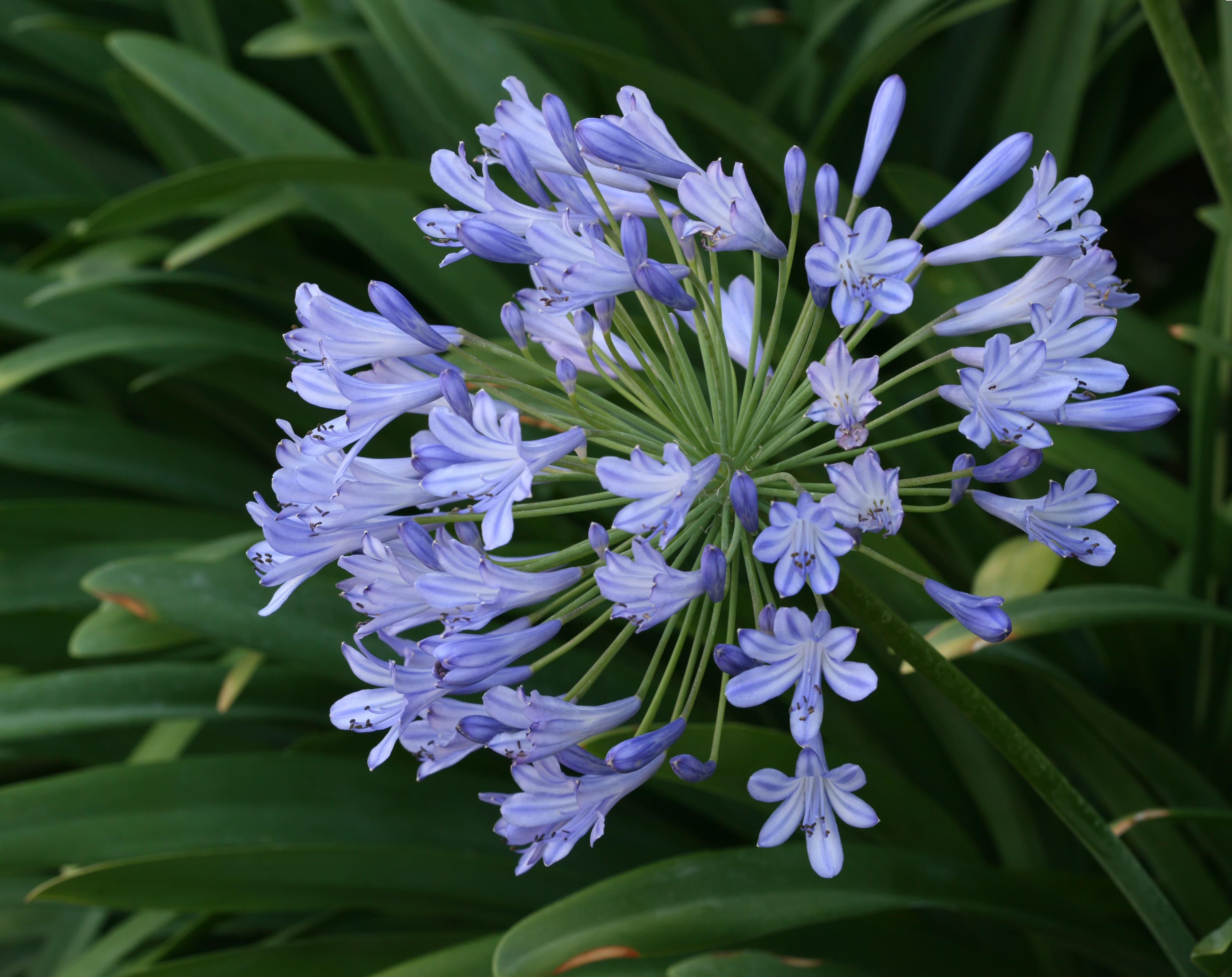 Agapanthus
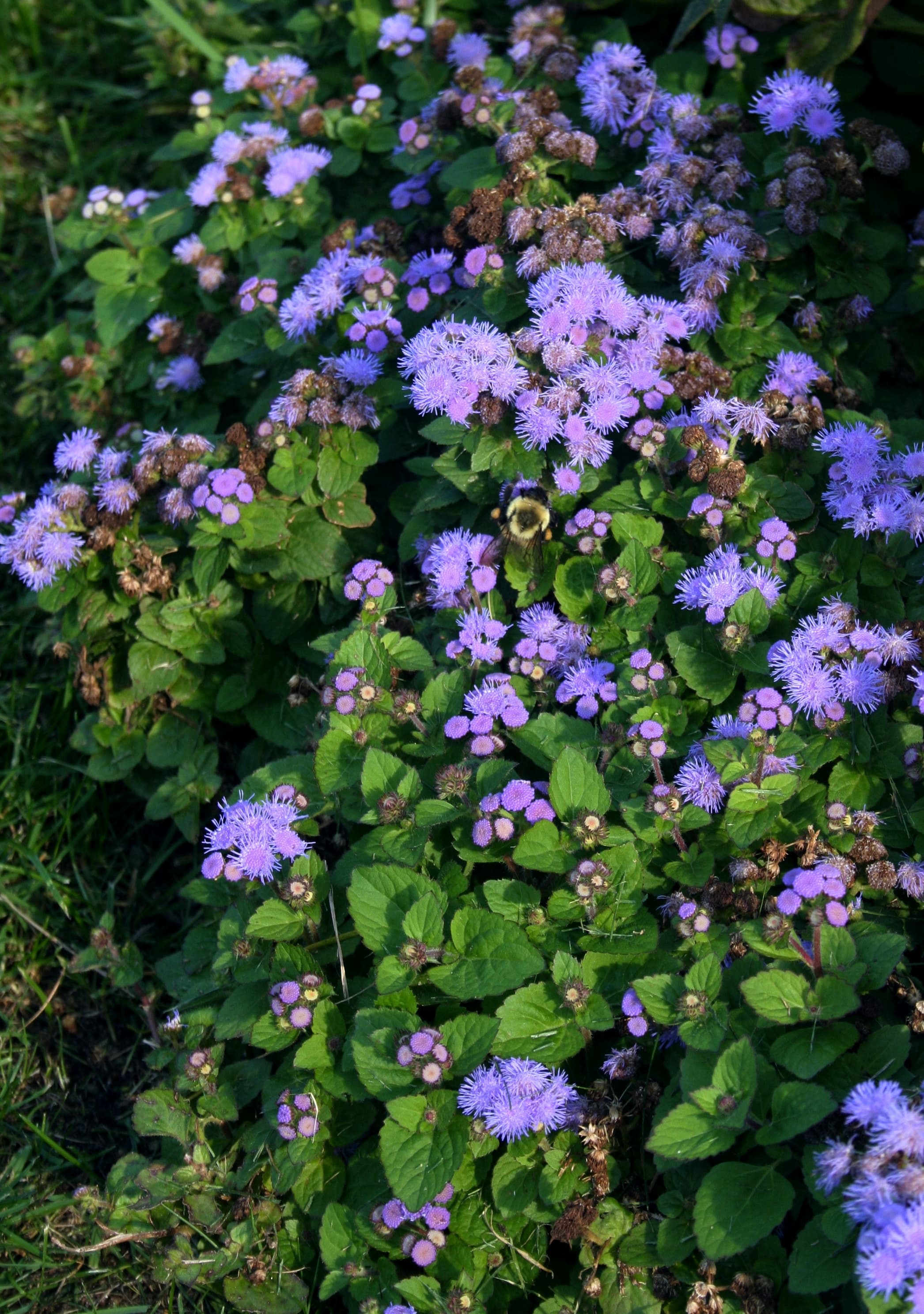 Ageratum
 Aji Amarillo Pepper
 Alice du Pont Mandevilla🥔All Blue Potato
 Amethyst Falls Wisteria
 Amish Paste Tomato
 Anaheim Pepper
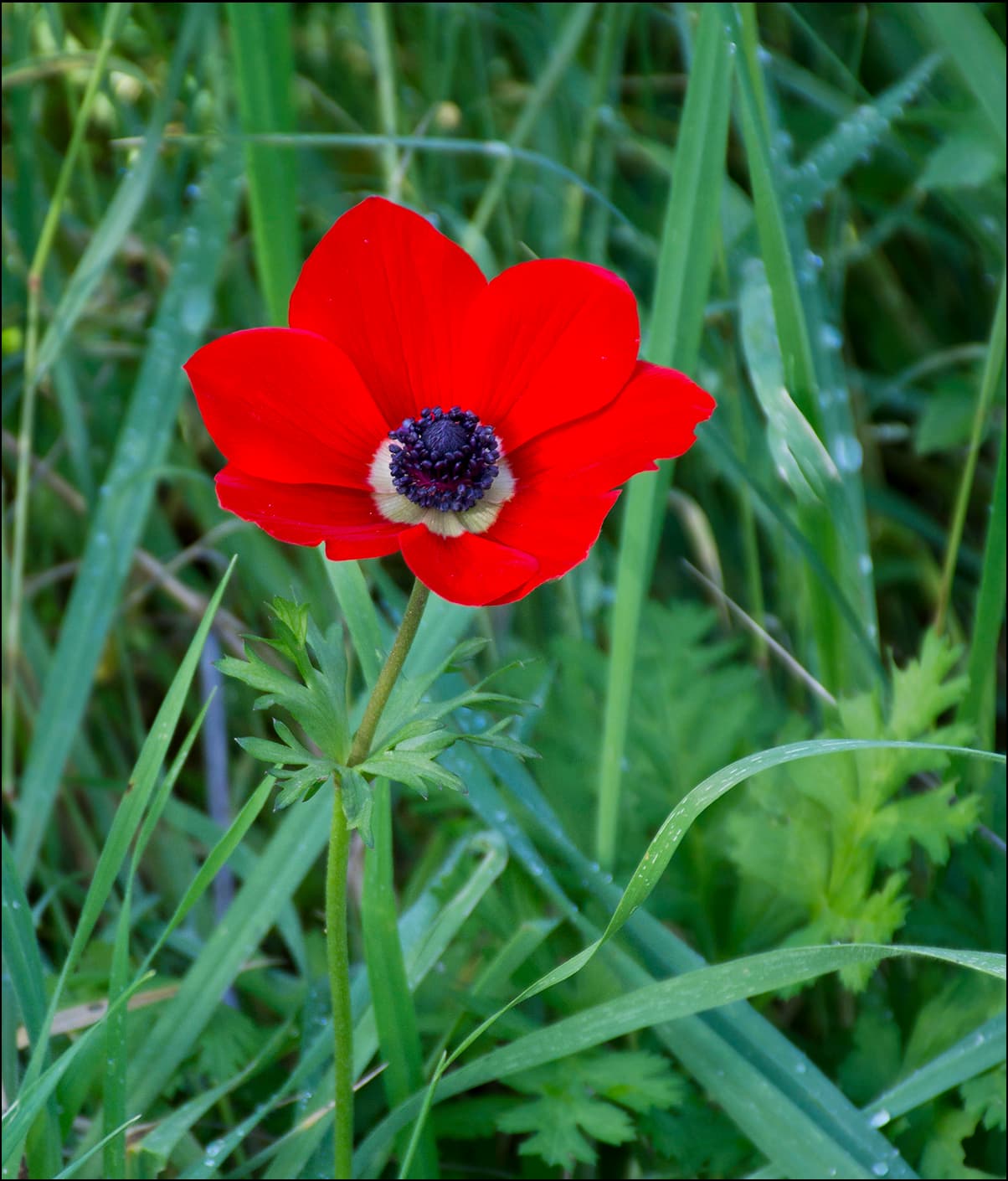 Anemone
 Angelique Tulip
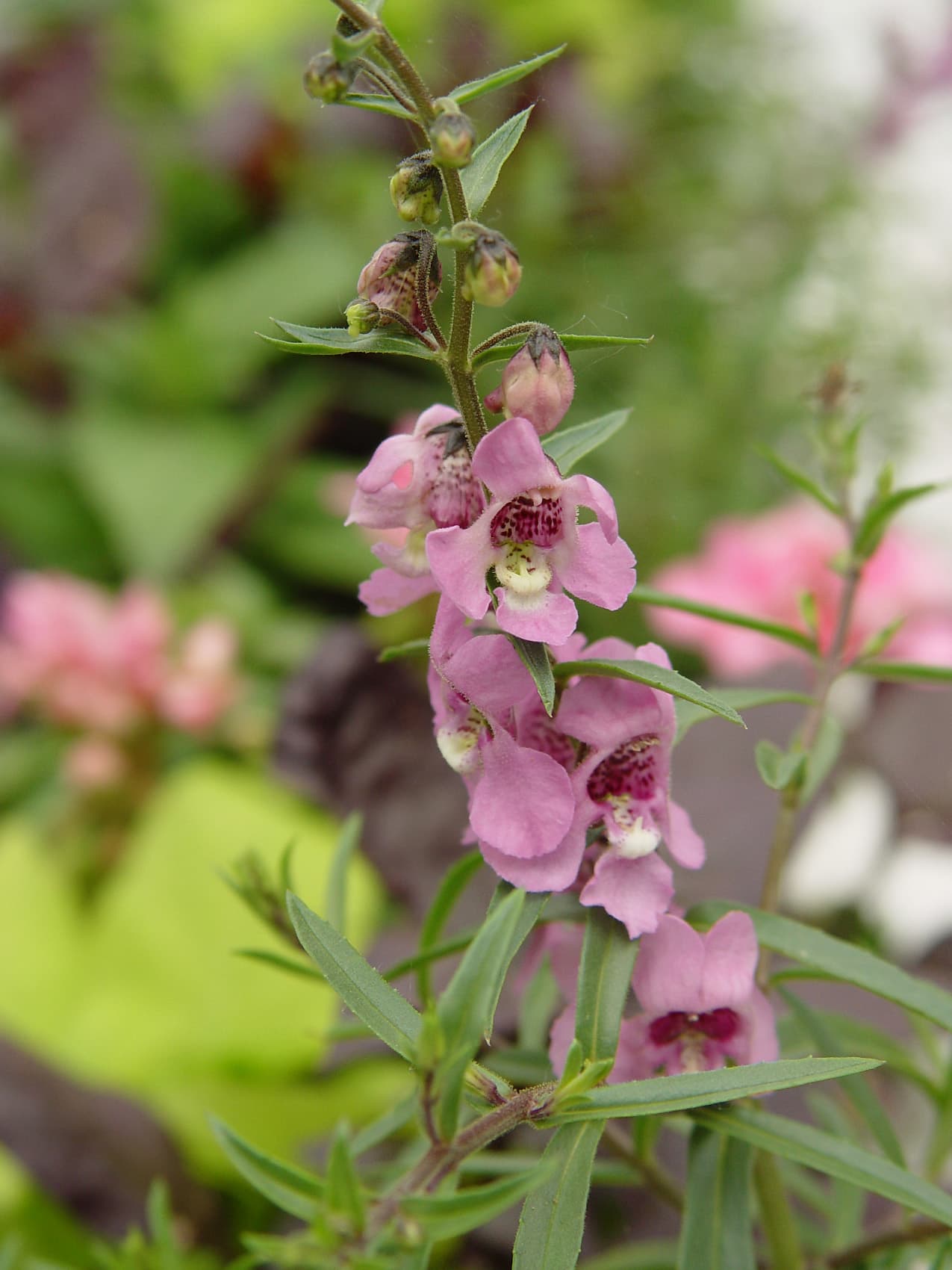 Angelonia
 Annabelle Smooth Hydrangea
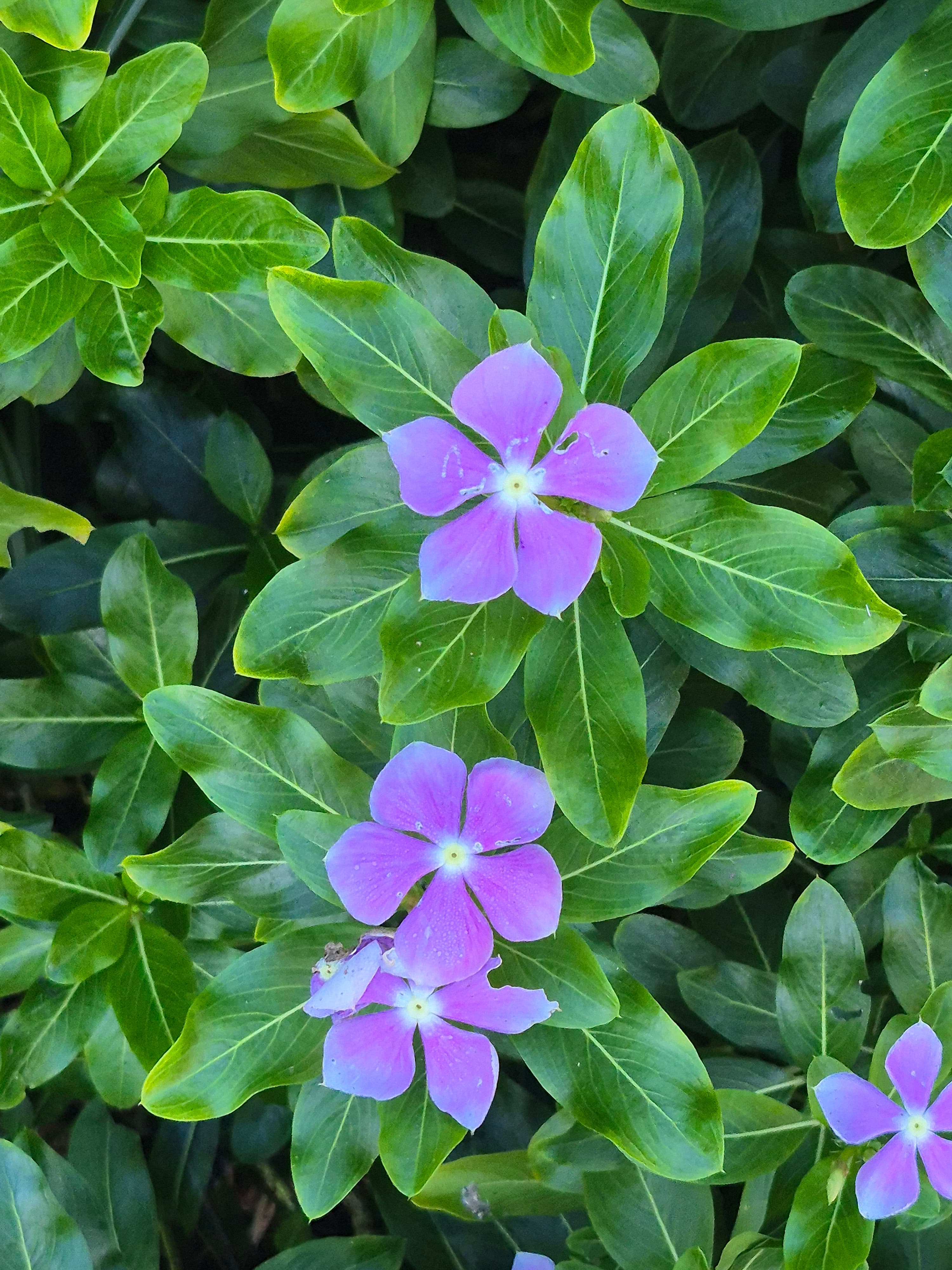 Annual Vinca
 Apeldoorn Tulip
 April Tryst Camellia
 Arizona Sun Blanket Flower
 Armenian Cucumber
 Arugula🥕Atomic Red Carrot
 August Beauty Gardenia
 Autumn Joy Sedum
 Bachelor's Button
 Banana Pepper
 Barbara Karst Bougainvillea
 Beauregard Sweet Potato
 Becky Shasta Daisy
 Bee Balm🍅Beefmaster Tomato
 Benarys Giant Zinnia
 Bengal Tiger Canna
 Better Boy Tomato🍅Big Beef Tomato
 Big Boy Tomato
 Bitter Melon
 Black Beauty Eggplant
 Black Cherry Tomato
 Black Krim Tomato🥕Black Spanish Radish
 Black-Eyed Pea
 Black-eyed Susan Vine
 Blood Orange
 Blue Bird Delphinium
 Blue Bird Rose of Sharon
 Blue Fescue
 Bok Choy🥕Bolero Carrot🥒Boston Pickling Cucumber🍅Box Car Willie Tomato
 Brandywine Tomato
 Broccoli Rabe
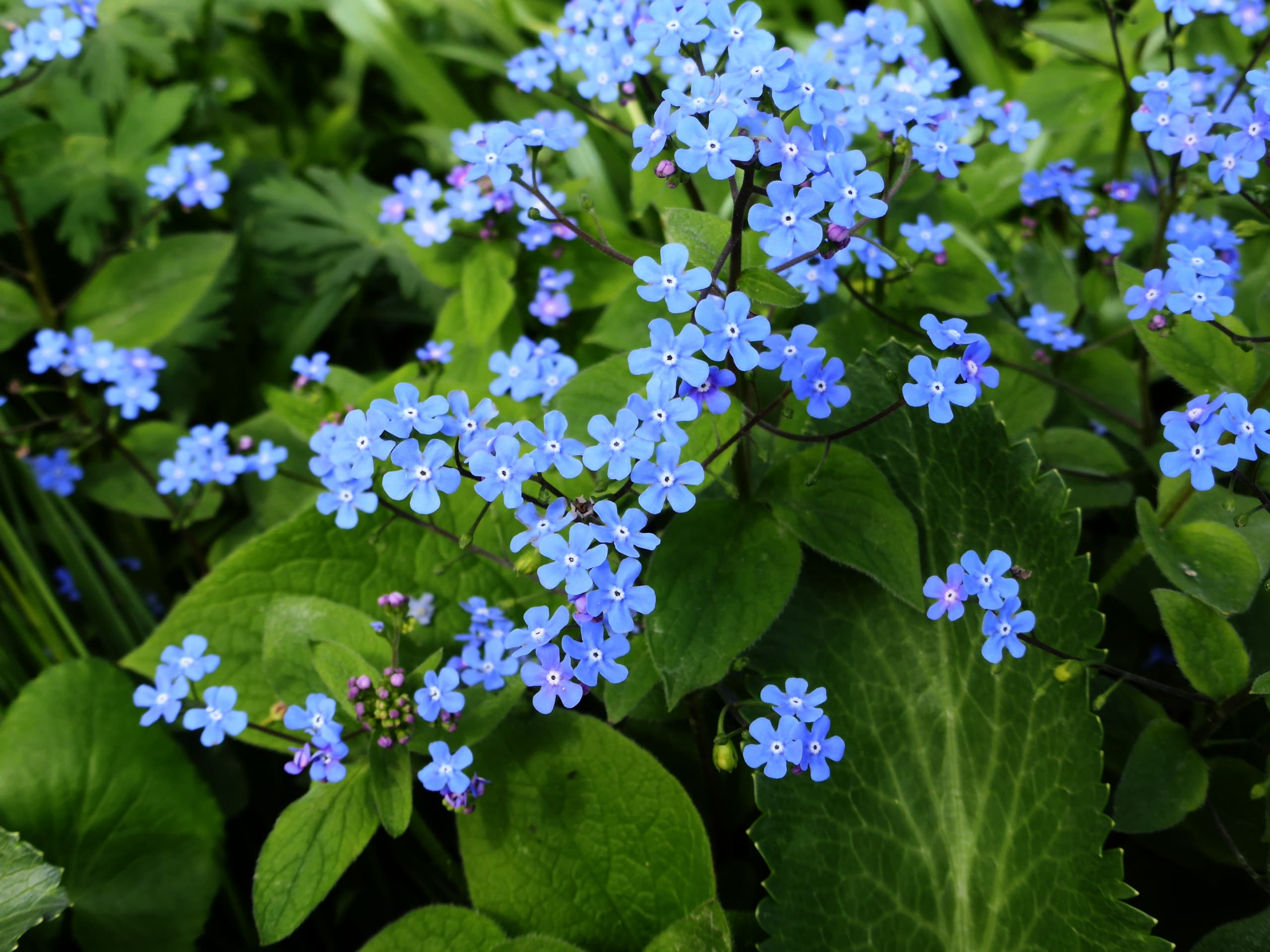 Brunnera
 Brussels Sprouts
 Burning Bush
 Butterfly Blue Pincushion Flower
 Butterfly Marguerite Daisy
 Butterfly Weed
 Cafe au Lait Dahlia
 Calabrese Broccoli
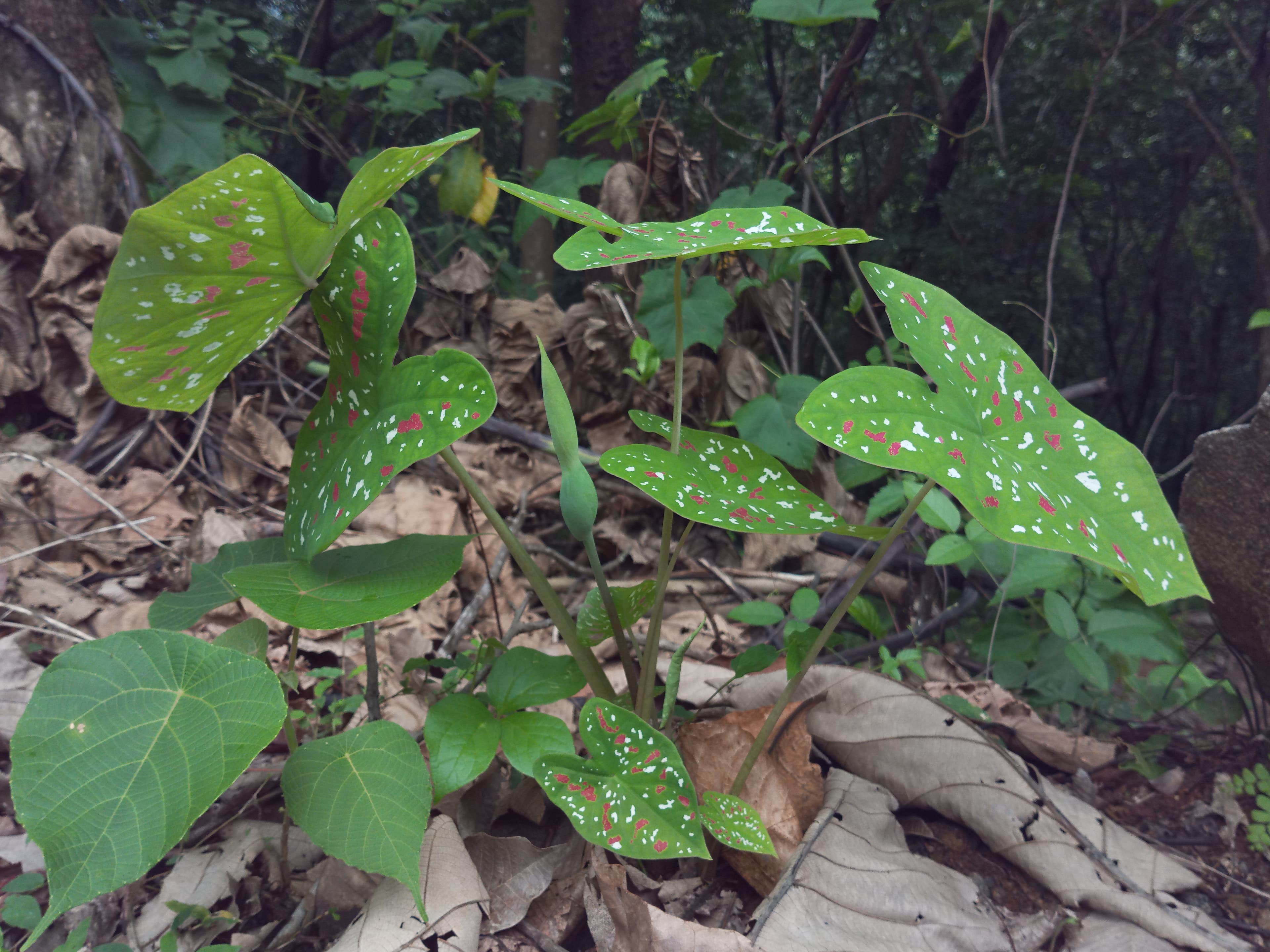 Caladium
 Calendula
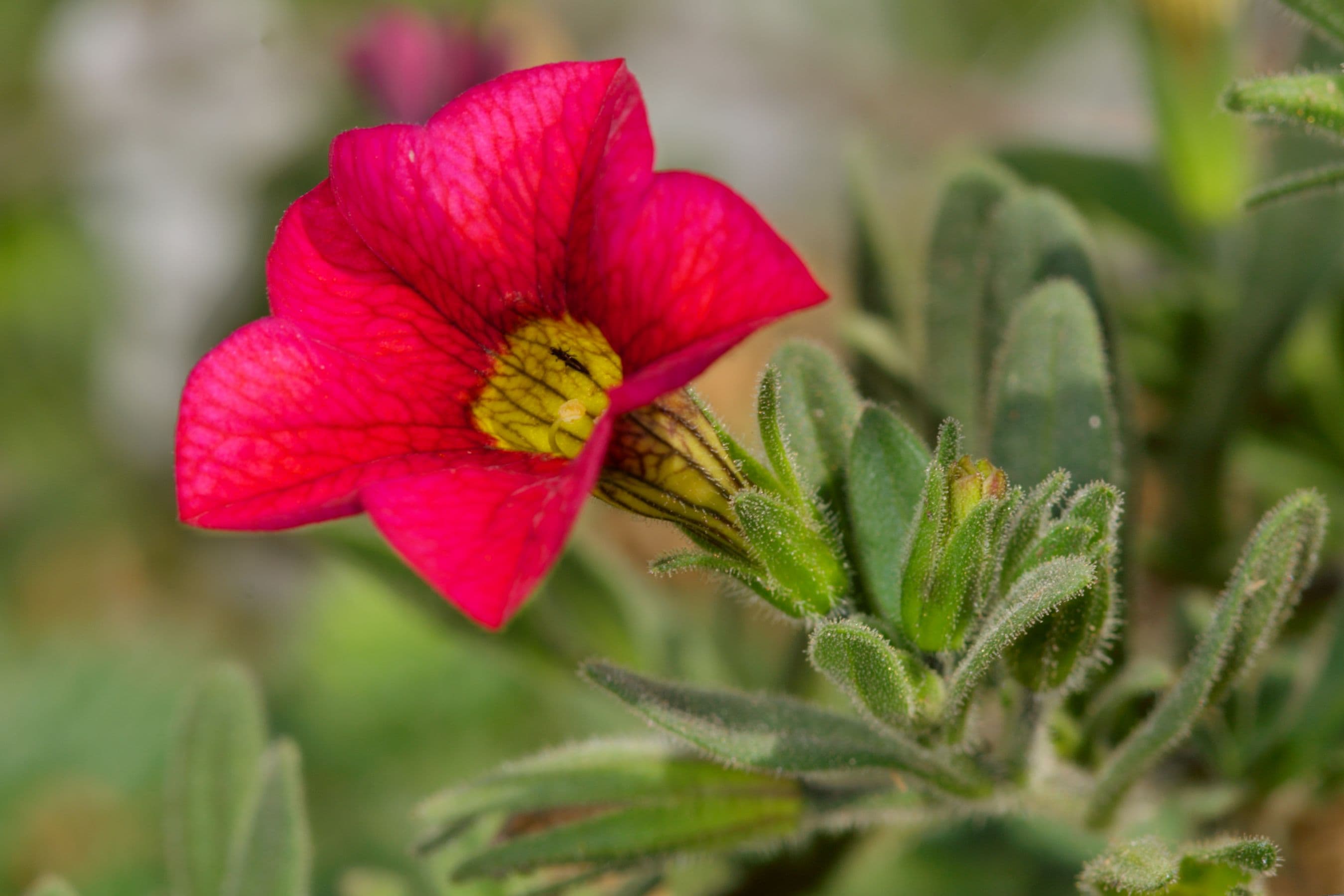 Calibrachoa
 California Giant Zinnia
 California Poppy
 Campanula
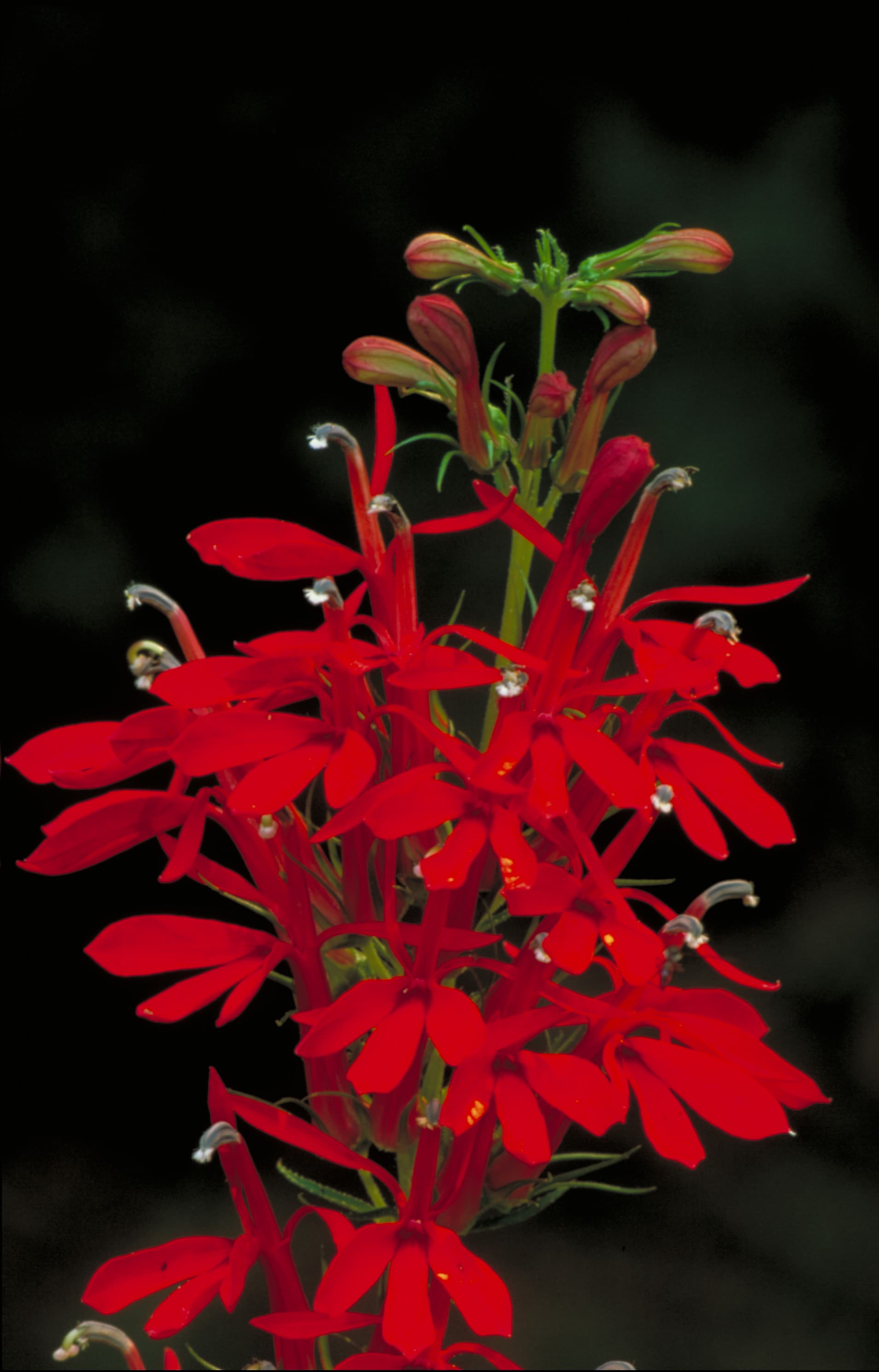 Cardinal Flower
 Carolina Geranium
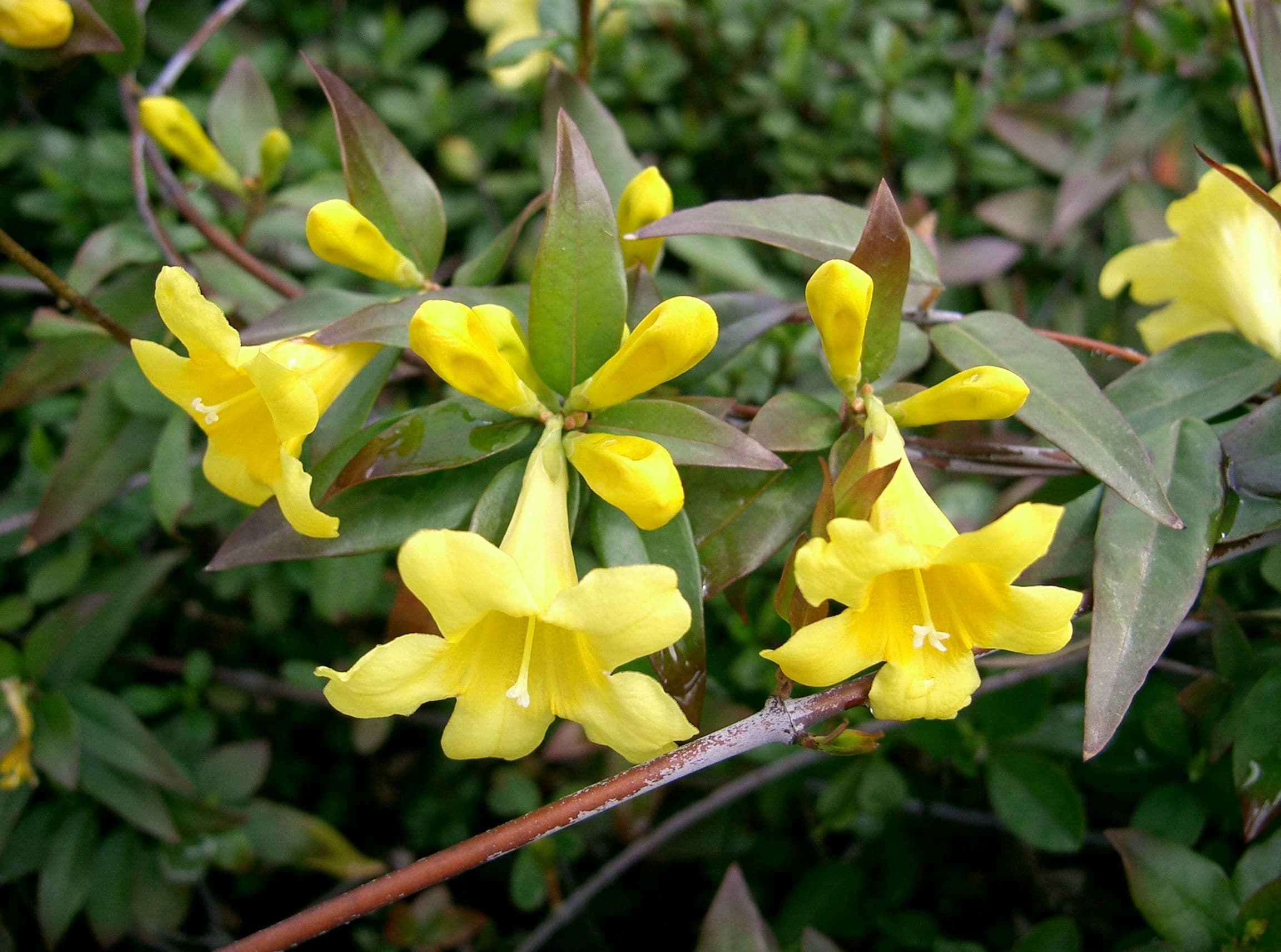 Carolina Jessamine
 Carolina Reaper Pepper
 Casaba Melon
 Cascara Sagrada
 Cayenne Pepper
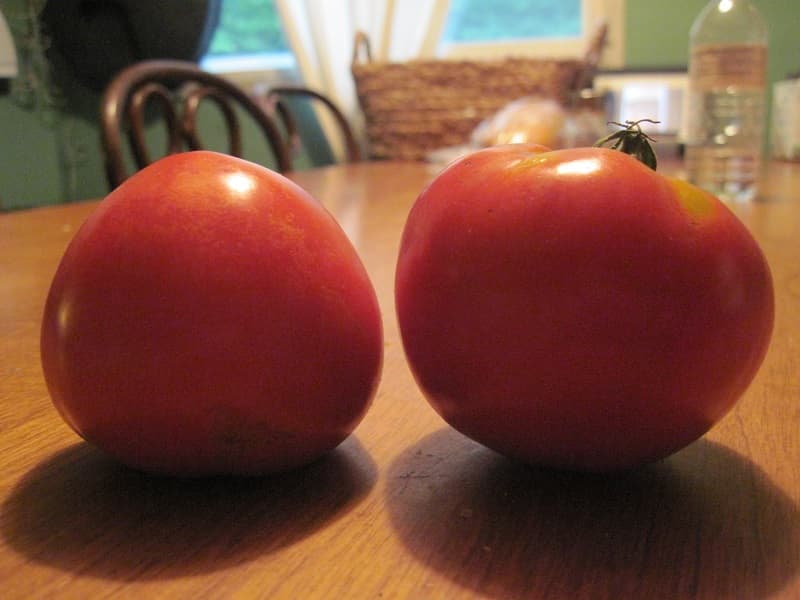 Celebrity Tomato🥬Champion Collards
 Chantenay Carrot
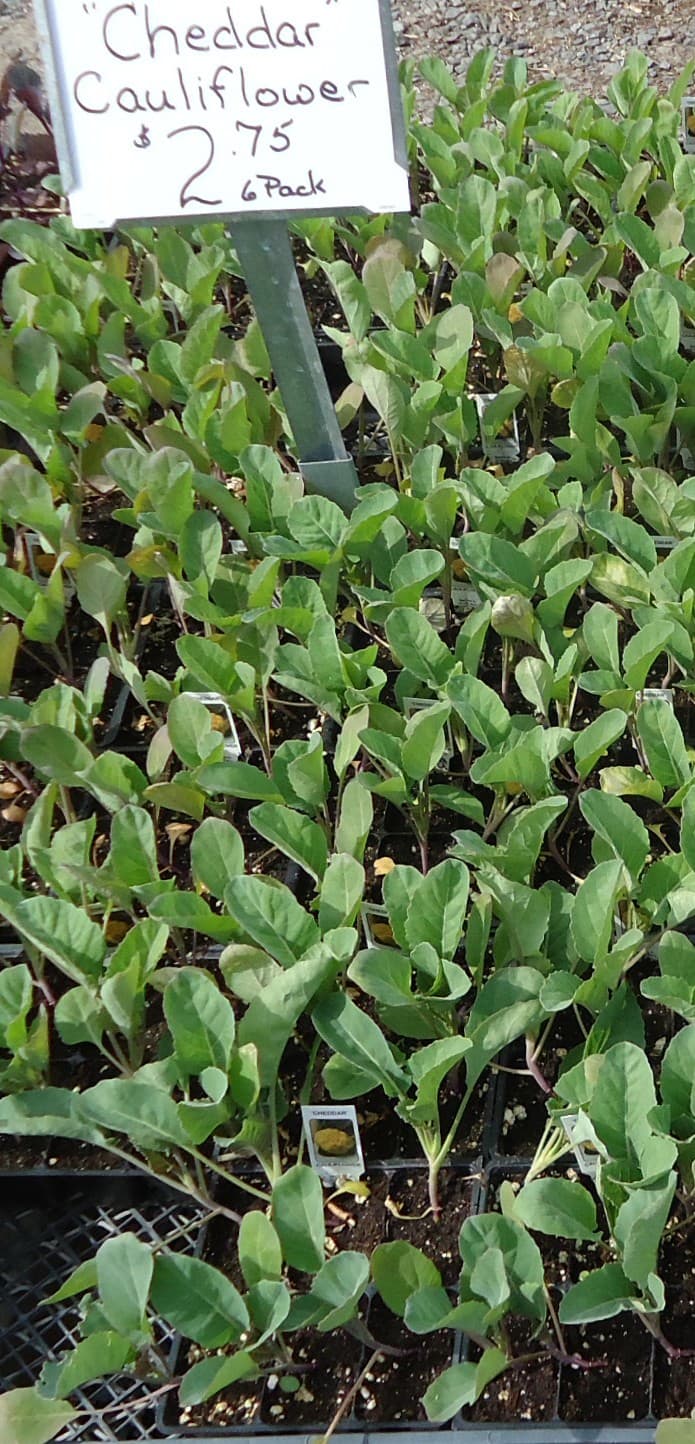 Cheddar Cauliflower
 Cherokee Purple Tomato
 Cherry Belle Radish
 Chinese Broccoli
 Cleyera
 Climbing Hydrangea
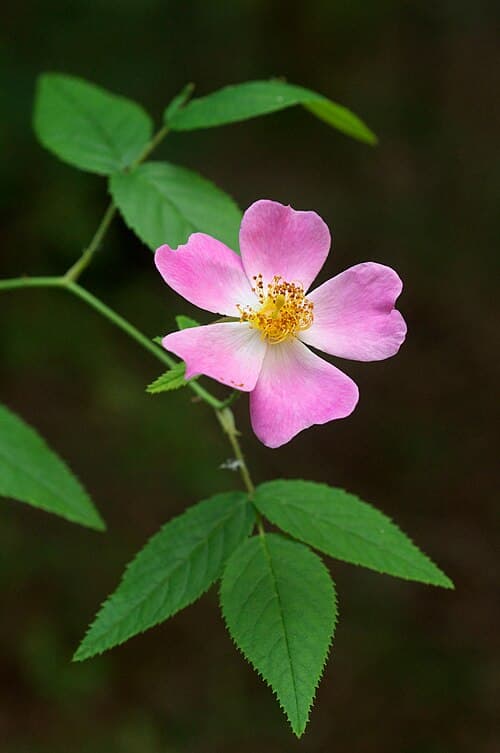 Climbing Prairie Rose
 Cocktail Vodka Begonia
 Coleus
 Coral Drift Groundcover Rose
 Cornelian Cherry
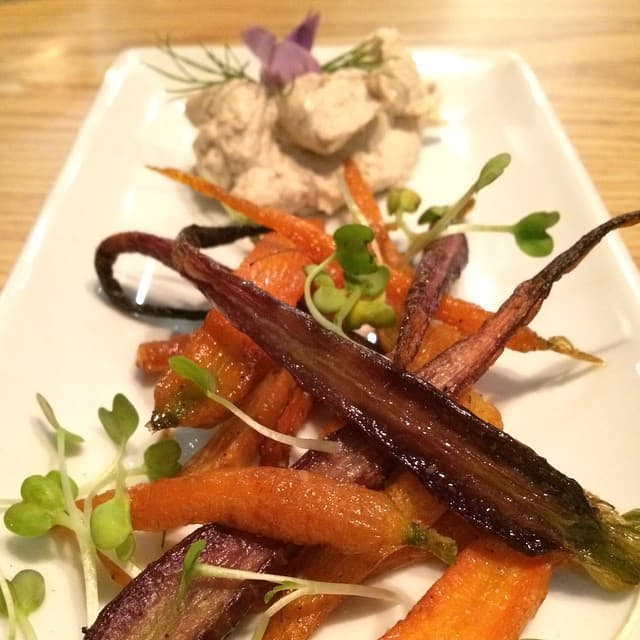 Cosmic Purple Carrot
 Cosmos
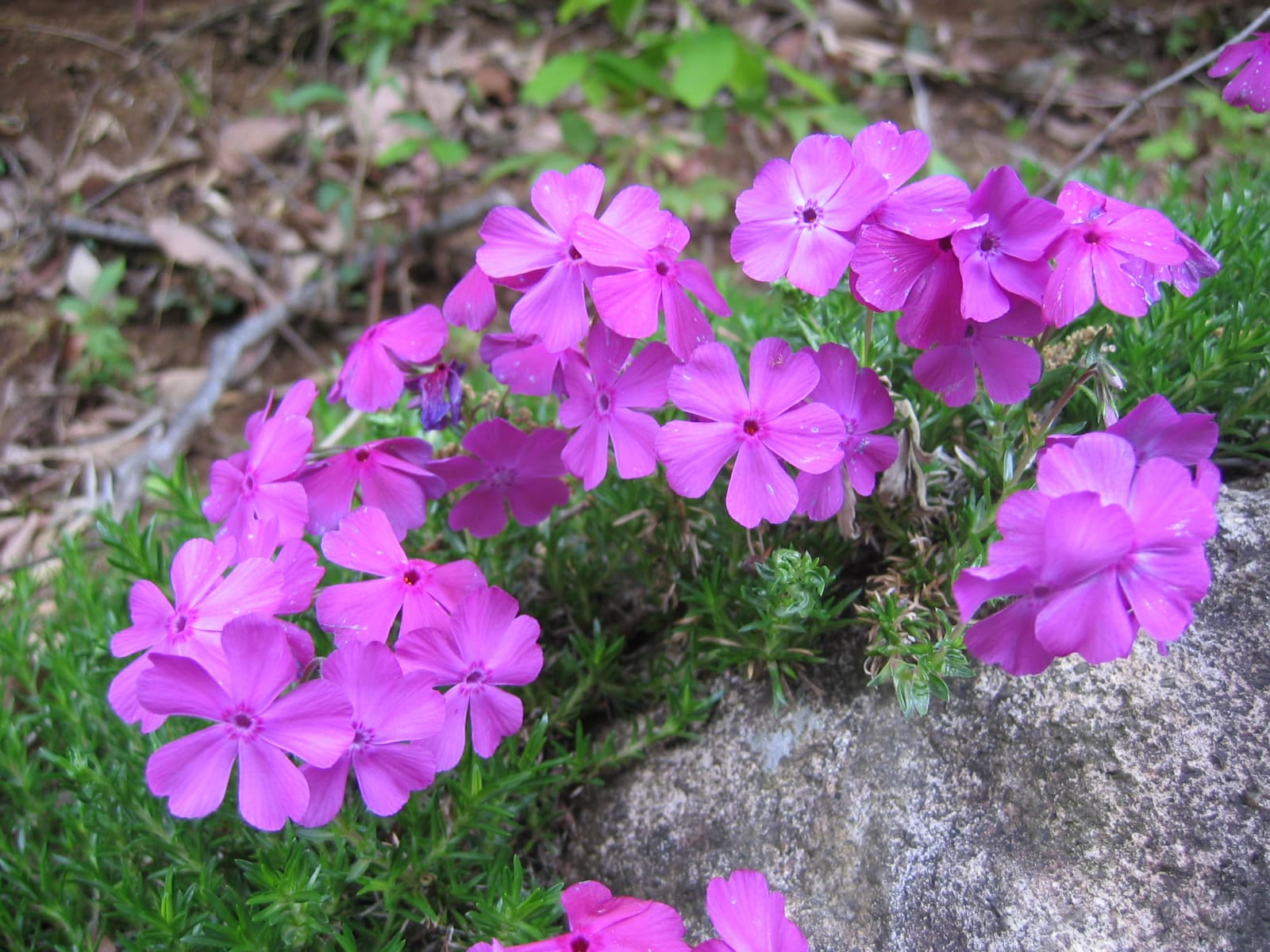 Creeping Phlox
 Crenshaw Melon
 Crimson Cherry Rhubarb
 Cubanelle Pepper
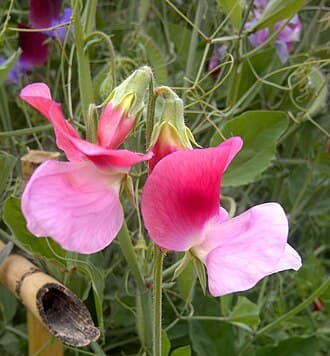 Cupani Sweet Pea
 Daikon Radish
 Danvers Carrot
 David Garden Phlox
 De Cicco Broccoli
 Delft Blue Hyacinth
 Denim n Lace Russian Sage
For educational and informational purposes only. Disease management advice is general guidance drawn from university cooperative extension sources; always identify a problem positively and read and follow the label on any product before use, especially around food crops, children, and pets.