
Boron Deficiency
A nutritional disorder, not a disease, in which a plant runs short of boron and shows it as dead growing points and dark, corky, cracked tissue inside its fleshy roots and stems. Boron is needed only in tiny amounts, but the margin is narrow, and beets, turnips, and cole crops like cauliflower, broccoli, and celery are the classic crops to show a shortage first.
🔎 How to spot it
On beets, look for necrotic crosshatching inside the leaf stalks, young center leaves that brown and die into a rosette of small dead leaves at the crown, and dark internal and external black spots of dead tissue in the root. The growing point often dies and the plant throws multiple crowns, and the stalks crack and turn corky. In cole crops it shows as brown, water-soaked tissue (brown heart) and hollow, cracked stems.
🥀 Damage it causes
A boron-short plant stops growing at the tip and lays down dead, corky brown or black tissue inside the root, which both ruins eating quality and cracks the root open so soft-rot organisms can enter and turn the canker mushy. Severe deficiency kills the growing point outright and deforms the crop. The dead corky tissue is permanent and cannot be undone once it forms.
🔬 What causes it
Boron is required in very small amounts and is easily short. It leaches quickly out of sandy, light soils, becomes locked up and unavailable when the soil pH is high from over-liming, and moves poorly to the roots in dry soil, so a drought can trigger symptoms even when boron is present. The amount of available boron, not just the total in the soil, is what matters.
🛡️ Prevent it
Test the soil before adding any boron, because the gap between too little and toxic is the narrowest of any nutrient. Keep the pH in range and do not over-lime, build soil with organic matter, and water evenly so boron keeps moving to the roots. Add a measured boron source only when a soil test calls for it, and never broadcast extra as insurance.
🧯 If it is already here
Correct a confirmed deficiency with a carefully measured boron source: a dilute foliar spray of about one pound of actual boron per acre, scaled down for a garden and applied twice in midseason, greens the plant up and corrects symptoms, or work a measured amount of borax into the soil per the soil test. Tissue that is already corky and dead will not heal, so the goal is to protect new growth and the next crop.
💡 Good to know
Boron has the narrowest safe range of any nutrient: the dose that fixes a deficiency is close to the dose that poisons the soil for sensitive crops like beans, so always measure and never guess. Beets, turnips, cauliflower, broccoli, and celery are the indicator crops -- if they show brown heart or corky cracked roots, the rest of the garden is probably low in boron too.
🌱 Plants it affects
83 plants in the library can be affected by this problem
 Arugula🥕Atomic Red Carrot🥕Black Spanish Radish
 Bok Choy🥕Bolero Carrot
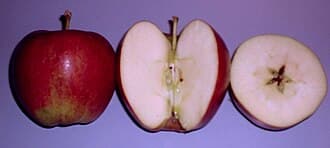 Braeburn Apple
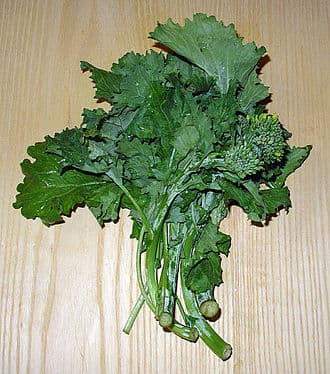 Broccoli Rabe
 Brussels Sprouts
 Bull's Blood Beet
 Burdock
 Calabrese Broccoli
 Celeriac🥬Champion Collards
 Chantenay Carrot
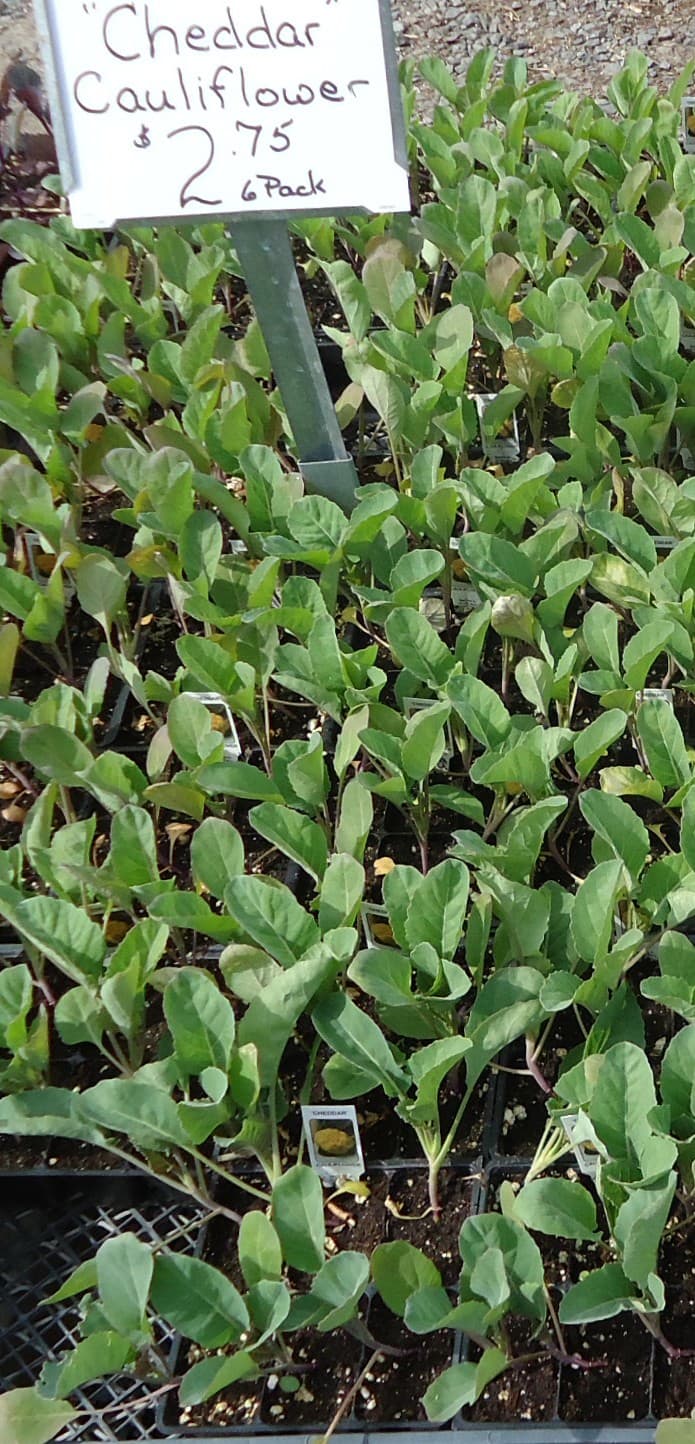 Cheddar Cauliflower
 Cherry Belle Radish
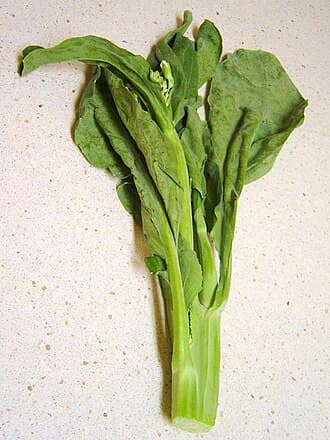 Chinese Broccoli
 Chioggia Beet
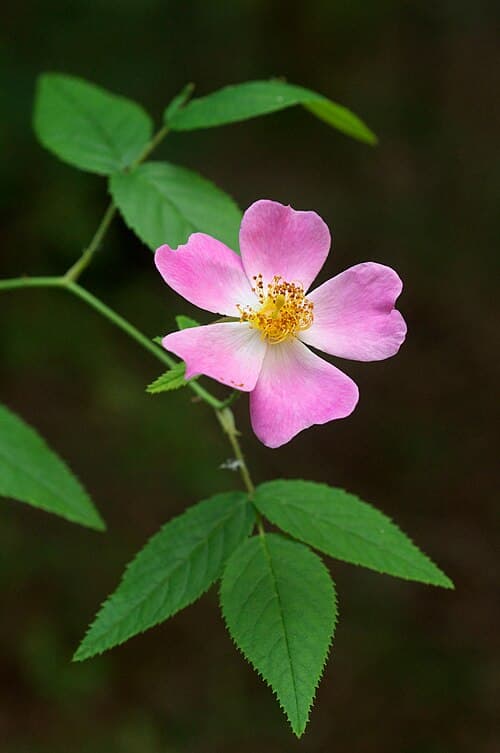 Climbing Prairie Rose
 Cortland Apple
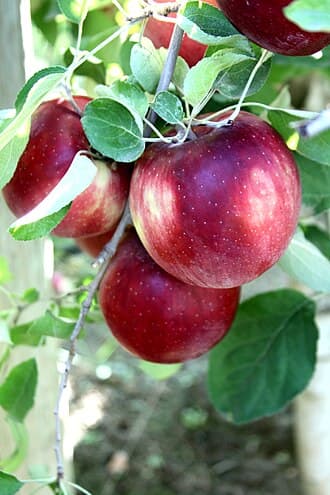 Cosmic Crisp Apple
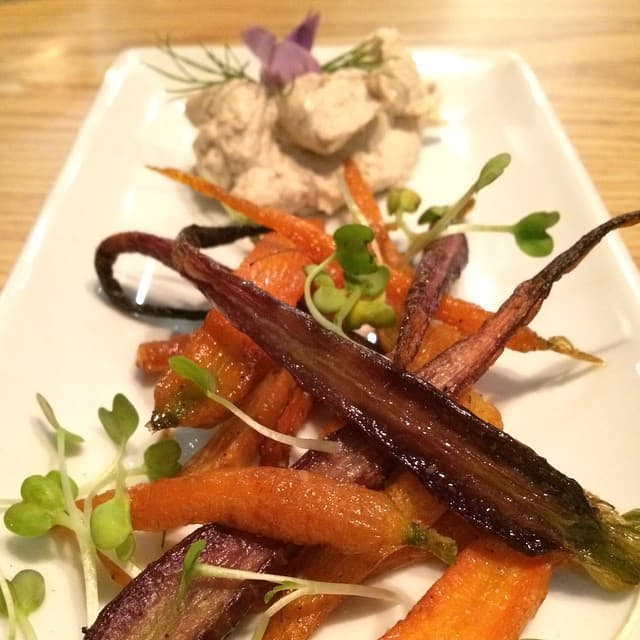 Cosmic Purple Carrot
 Cylindra Beet
 Daikon Radish
 Danvers Carrot
 De Cicco Broccoli
 Detroit Dark Red Beet
 Dragon Carrot
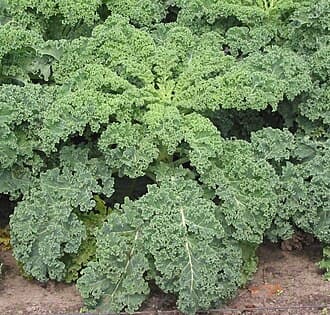 Dwarf Blue Curled Vates Kale🥬Dwarf Siberian Kale🌸Easter Egg Radish🥕French Breakfast Radish
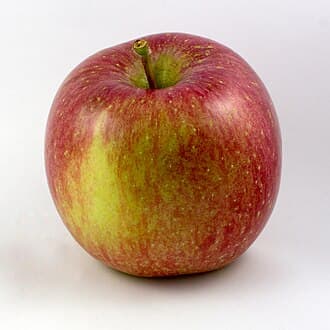 Fuji Apple
 Gala Apple
 Golden Beet
 Graham Thomas English Rose
 Granny Smith Apple
 Green Cabbage
 Hakurei Turnip
 Hansa Rugosa Rose
 Honeycrisp Apple
 Horseradish
 Iceberg Floribunda Rose
 Imperator Carrot
 January King Cabbage
 Knock Out Rose
 Kohlrabi
 Lacinato Kale
 McIntosh Apple
 Mister Lincoln Hybrid Tea Rose
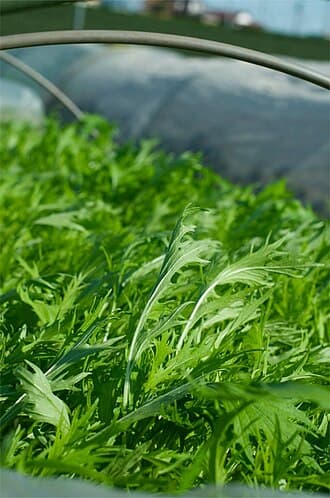 Mizuna🥕Mokum Carrot
 Nantes Carrot
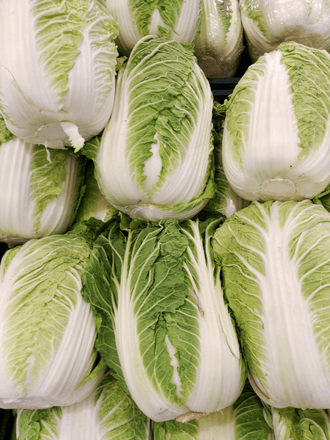 Napa Cabbage
 New Dawn Climbing Rose🥕Paris Market Carrot
 Parsnip
 Peace Hybrid Tea Rose
 Pink Lady Apple🥦Purple Cape Cauliflower
 Purple Sprouting Broccoli
 Purple Top Turnip
 Queen Elizabeth Grandiflora Rose
 Red Cabbage
 Red Delicious Apple
 Red Russian Kale
 Redbor Kale
 Romanesco Cauliflower
 Rutabaga
 Salsify
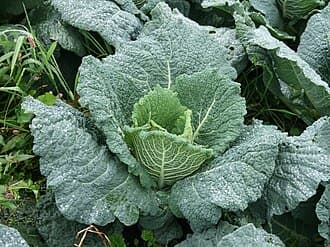 Savoy Cabbage
 Sea Kale🥦Snowball Cauliflower
 Sugar Apple
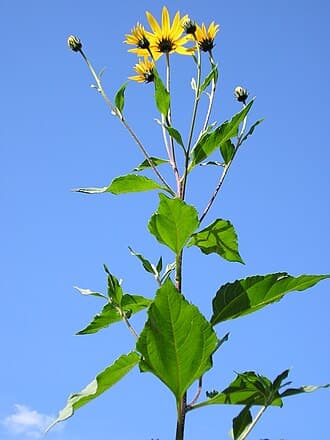 Sunchoke
 Sweet Chariot Miniature Rose
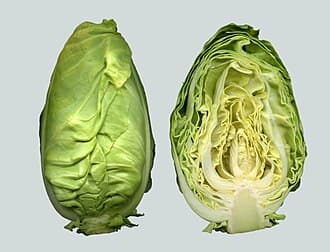 Sweetheart Cabbage
 Tall Utah Celery
 Tatsoi
 Watercress🥕Watermelon Radish
 White Mustard🥕White Satin Carrot
For educational and informational purposes only. Disease management advice is general guidance drawn from university cooperative extension sources; always identify a problem positively and read and follow the label on any product before use, especially around food crops, children, and pets.