
Fruit Cracking
A common disorder, not a disease, in which tomato fruit splits as it grows, usually after a swing from dry to wet. The cracks open the fruit to rot and make it unsightly, but the underlying cause is uneven watering rather than any pathogen. It also affects other fleshy fruits and roots like cabbage and carrots.
🔎 How to spot it
Look for splits in the skin of ripening fruit. Radial cracks run out from the stem end like spokes, while concentric cracks form rings around the shoulders of the fruit. Cracks may be shallow and healed-over or deep and open, and open cracks are often colonized by molds and softening rot. It shows up most on fruit nearing ripeness after a rain or heavy watering.
🥀 Damage it causes
Cracked fruit is blemished and downgraded, and open splits let in the molds and bacteria that rot the fruit on the plant or soon after picking. A sudden rain near harvest can crack a large share of a ripening tomato crop at once. The flesh is usually fine to eat if the fruit is used promptly and the cracked area is cut away.
🔬 What causes it
Cracking comes from rapid, uneven fruit growth, when water floods into ripening fruit faster than the skin can stretch. It typically follows a swing from dry soil to a heavy rain or watering, and is worse in hot weather and on varieties with thin or less elastic skin. Steady calcium and even moisture both help the skin keep pace with the flesh.
🛡️ Prevent it
Keep soil moisture even and steady, watering deeply and regularly rather than letting plants dry out and then soak. Mulch to buffer the swings and hold moisture. Pick fruit promptly as it ripens, and harvest before a forecast heavy rain when you can. Choose crack-tolerant or crack-resistant varieties, which differ a lot in how readily they split.
🧯 If it is already here
There is nothing to cure on a fruit that has already cracked, so pick the split fruit promptly and use it right away before rot sets in, cutting out the cracked tissue. Then steady the watering to protect the fruit still on the vine. As with blossom-end rot, consistent moisture, not a spray or additive, is the real fix.
💡 Good to know
Fruit cracking is a watering and weather story, which is why it so often appears right after a summer downpour breaks a dry spell. It is closely related to blossom-end rot in that both trace back to uneven water and calcium movement. Thick-skinned, crack-resistant varieties and even moisture together prevent most of it.
🌱 Plants it affects
82 plants in the library can be affected by this problem
 Amish Paste Tomato
 Anjou Pear
 Asian Pear
 Aunt Molly's Ground Cherry
 Bartlett Pear
 Beach Plum🍅Beefmaster Tomato
 Better Boy Tomato🍅Big Beef Tomato
 Big Boy Tomato
 Bing Cherry
 Bitter Melon
 Black Cherry Tomato🍉Black Diamond Watermelon
 Black Krim Tomato
 Black Tartarian Cherry
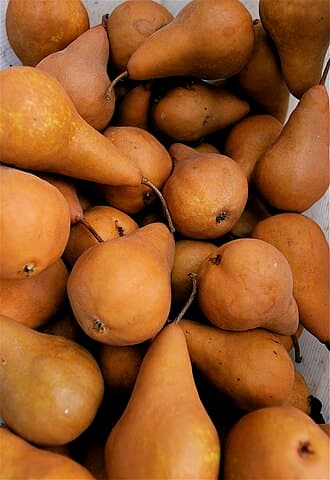 Bosc Pear🍅Box Car Willie Tomato
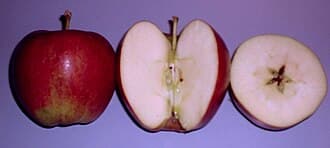 Braeburn Apple
 Brandywine Tomato
 Brown Turkey Fig
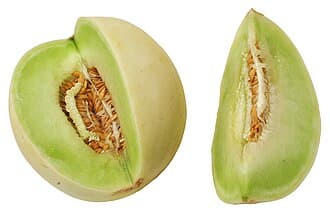 Casaba Melon
 Catawba Grape
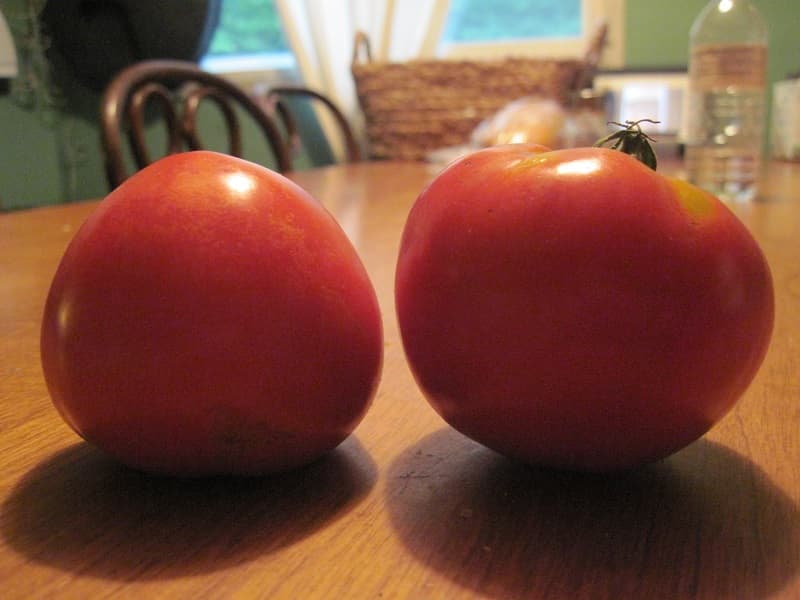 Celebrity Tomato
 Charleston Gray Watermelon
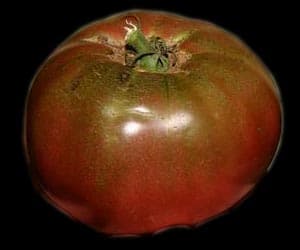 Cherokee Purple Tomato
 Chicago Hardy Fig
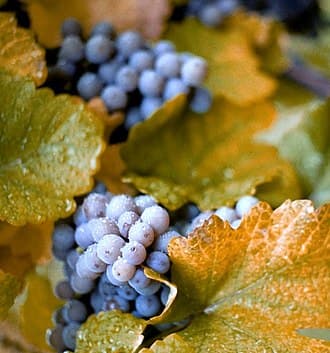 Concord Grape
 Cornelian Cherry
 Cortland Apple
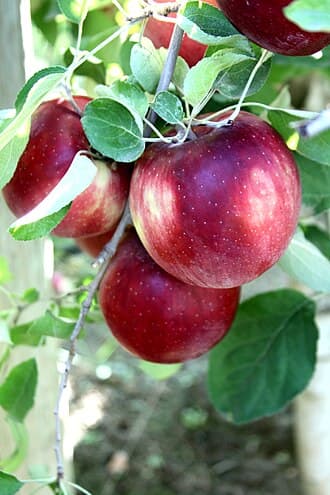 Cosmic Crisp Apple
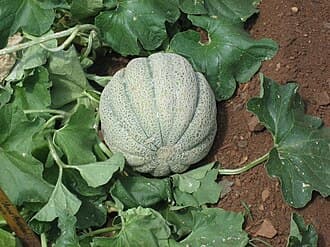 Crenshaw Melon
 Crimson Sweet Watermelon
 Damson Plum
 Danvers Carrot
 Early Girl Tomato
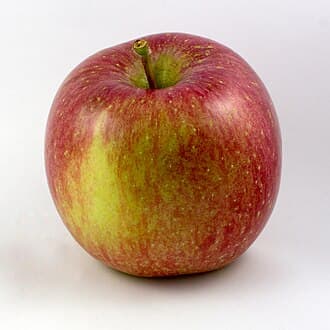 Fuji Apple
 Gala Apple
 Galia Melon🍅German Queen Tomato
 Granny Smith Apple
 Green Zebra Tomato
 Honeycrisp Apple
 Honeydew Melon
 Indigo Rose Tomato🍉Jubilee Watermelon
 Juliet Grape Tomato
 Kellogg's Breakfast Tomato🍅La Roma IV Tomato
 Lemon Boy Tomato
 McIntosh Apple
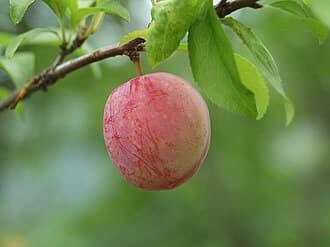 Methley Plum🍉Mini Love Watermelon
 Montmorency Cherry🍉Moon and Stars Watermelon🍅Mortgage Lifter Tomato
 Mr. Stripey Tomato
 Muscadine Grape
 Nanking Cherry
 Niagara Grape🍉Orangeglo Watermelon
 Oregon Grape
 Pineapple Tomato
 Pink Lady Apple
 Pomegranate
 Prickly Pear
 Rainier Cherry
 Red Delicious Apple
 Roma Tomato🍅Rutgers Tomato
 San Marzano Tomato
 Stanley Plum🍅Striped German Tomato
 Sugar Apple
 Sugar Baby Watermelon🍅Sungold Cherry Tomato
 Sweet 100 Cherry Tomato
 Thompson Seedless Grape🍅Tiny Tim Cherry Tomato
 Winter Melon🍉Yellow Doll Watermelon
 Yellow Pear Tomato
For educational and informational purposes only. Disease management advice is general guidance drawn from university cooperative extension sources; always identify a problem positively and read and follow the label on any product before use, especially around food crops, children, and pets.