
Fusarium Wilt
Fusarium oxysporum
A soilborne fungal disease that plugs the water-conducting tissue of a plant from the inside, causing it to yellow, wilt, and die, often one branch or one side at a time. Fusarium wilt is most damaging to tomato but also strikes melon, cucumber, beans, and peas. Once it is in the soil it can persist for years, so resistant varieties are the main defense.
🔎 How to spot it
Look for yellowing and wilting that often begins on the lower leaves and on just one side or one branch of the plant, while the other side stays green at first. Wilting is worst in the heat of the day. A telltale sign is brown streaking in the water-conducting tissue, visible as a dark ring or streaks when you slice through the lower stem lengthwise. The whole plant eventually wilts and dies.
🥀 Damage it causes
By blocking the xylem, the fungus chokes off water flow, so the plant wilts, declines, and usually dies, often around the time fruit is sizing up. Yield is sharply reduced or lost. Because the fungus lives in the soil, the same spot tends to stay infested year after year.
🔬 What causes it
Fusarium wilt is caused by the soil fungus Fusarium oxysporum, which enters through the roots, often aided by root-knot nematode feeding, and grows up into the water-conducting tissue. It survives in soil and debris for many years as tough resting spores and is moved on infested soil, tools, water, and transplants. It is favored by warm soil and warm weather.
🛡️ Prevent it
Plant resistant varieties, marked with an F, FF, or FFF in seed catalogs, which is by far the most reliable control. Rotate away from susceptible crops for several years, control root-knot nematodes, and keep soil pH and nutrition balanced. Clean soil off tools, shoes, and equipment to avoid spreading it, and do not move soil from an infested bed.
🧯 If it is already here
There is no cure for an infected plant or for infested soil, so remove and destroy affected plants, roots and all, and do not compost them. For future plantings rely on resistant varieties, rotation, and growing in clean soil or containers with fresh mix. In warm climates, summer soil solarization can lower the fungus level in the top few inches of soil.
💡 Good to know
Fusarium wilt looks much like verticillium wilt, but Fusarium favors warm soils and often shows one-sided yellowing, while Verticillium tolerates cooler conditions; a lab test is the only sure way to tell them apart. Each Fusarium strain is specialized to certain crops, so the one that hits your tomatoes may not affect unrelated plants.
🌱 Plants it affects
337 plants in the library can be affected by this problem
 Acorn Squash
 Adirondack Blue Potato
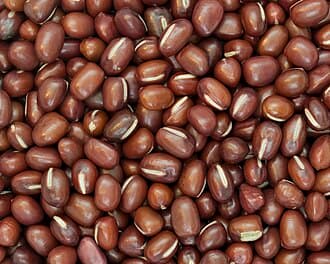 Adzuki Bean
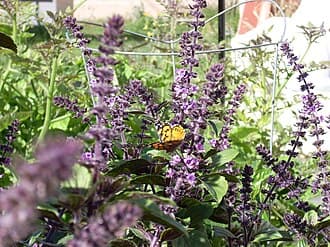 African Blue Basil
 African Marigold
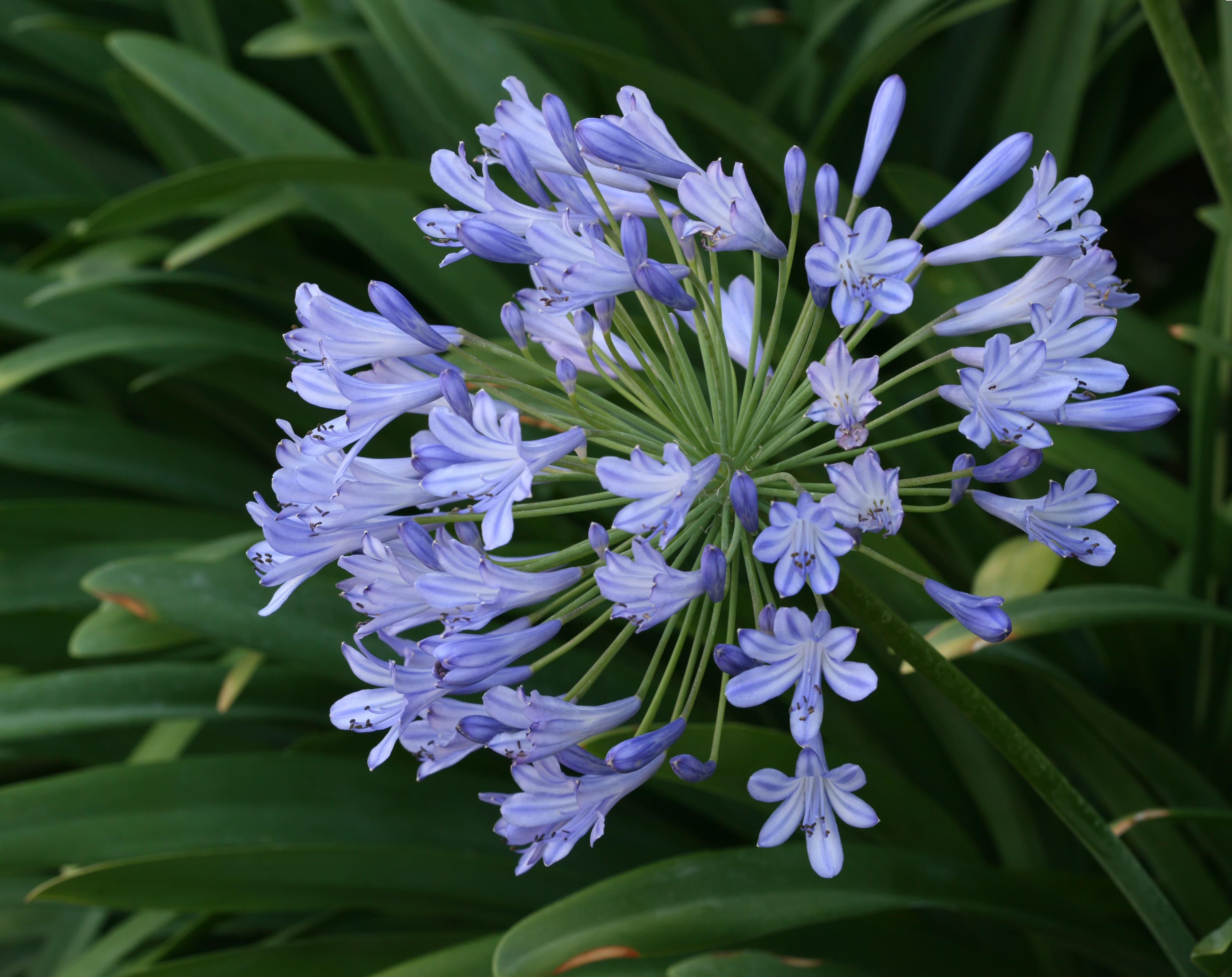 Agapanthus
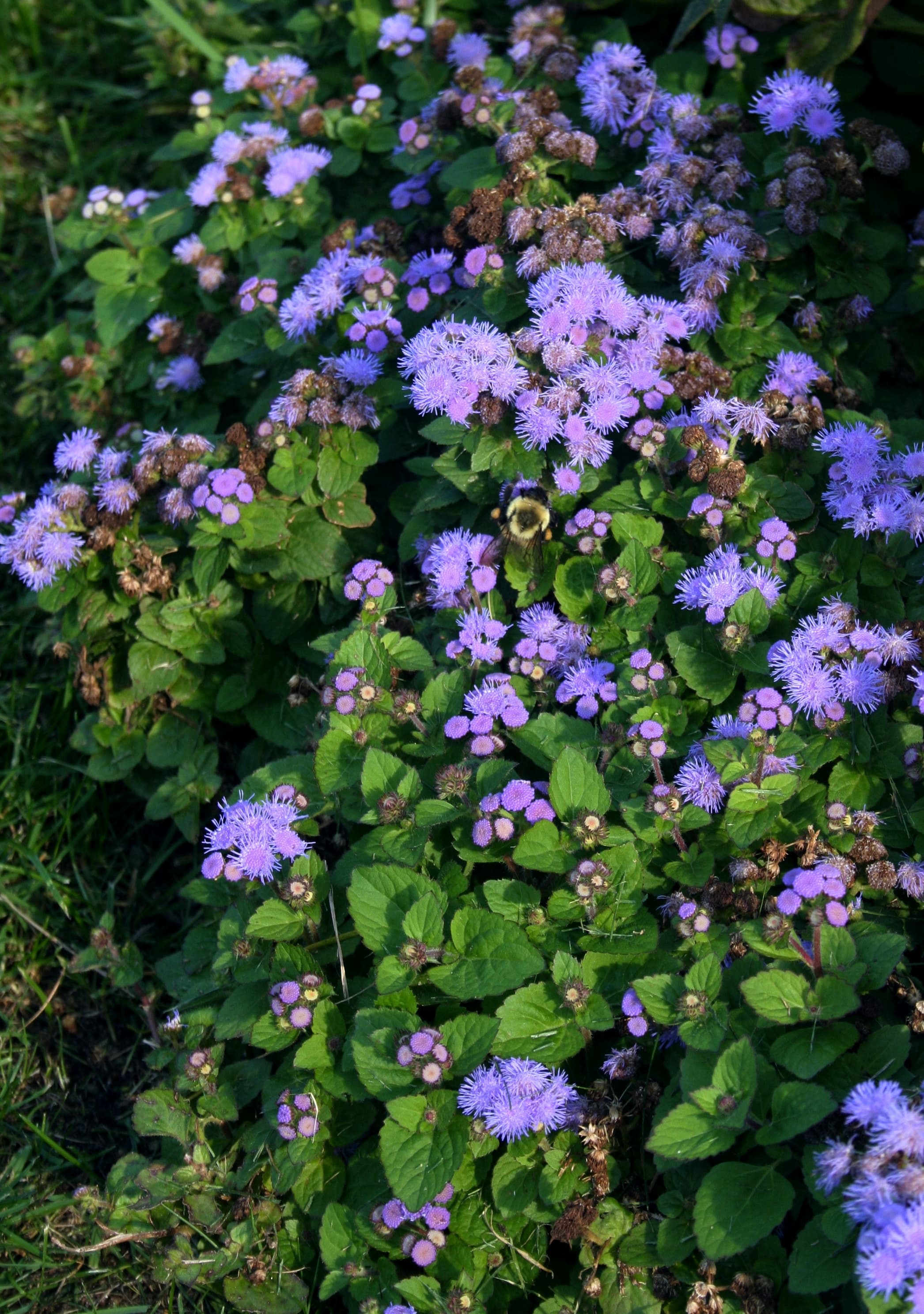 Ageratum
 Aji Amarillo Pepper
 Alice du Pont Mandevilla🥔All Blue Potato
 Amethyst Falls Wisteria
 Amish Paste Tomato
 Anaheim Pepper
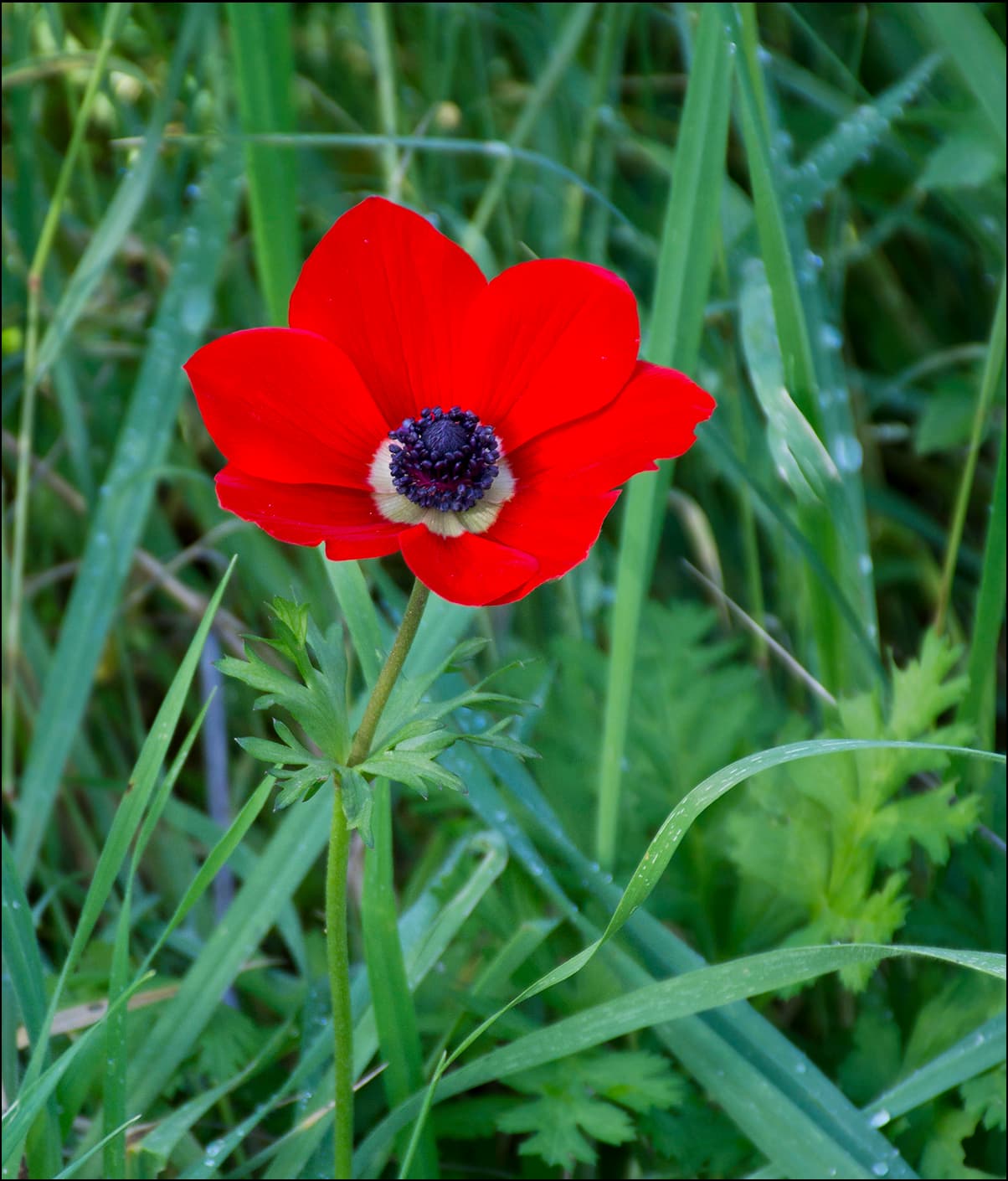 Anemone
 Angelique Tulip
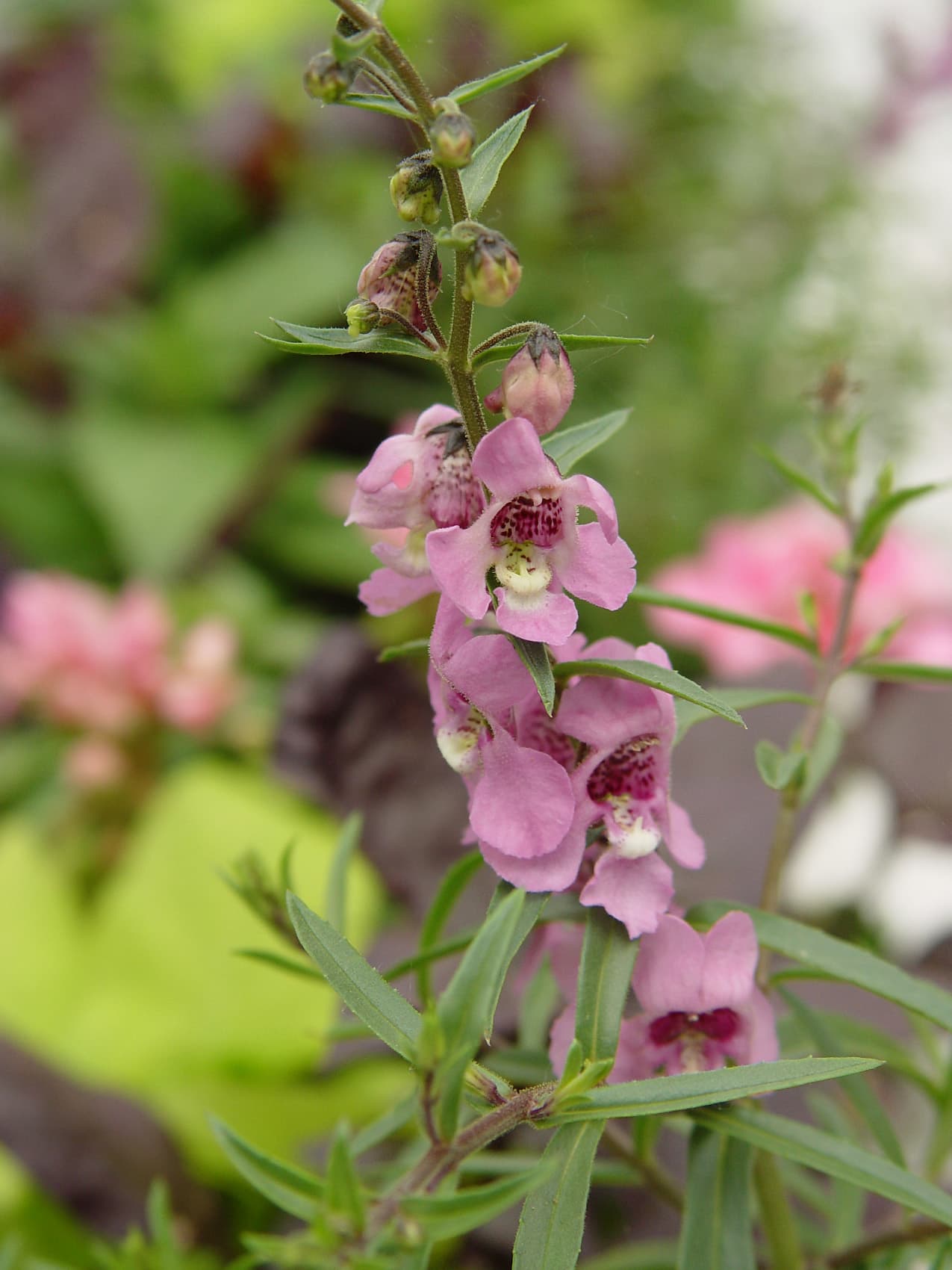 Angelonia
 Annabelle Smooth Hydrangea
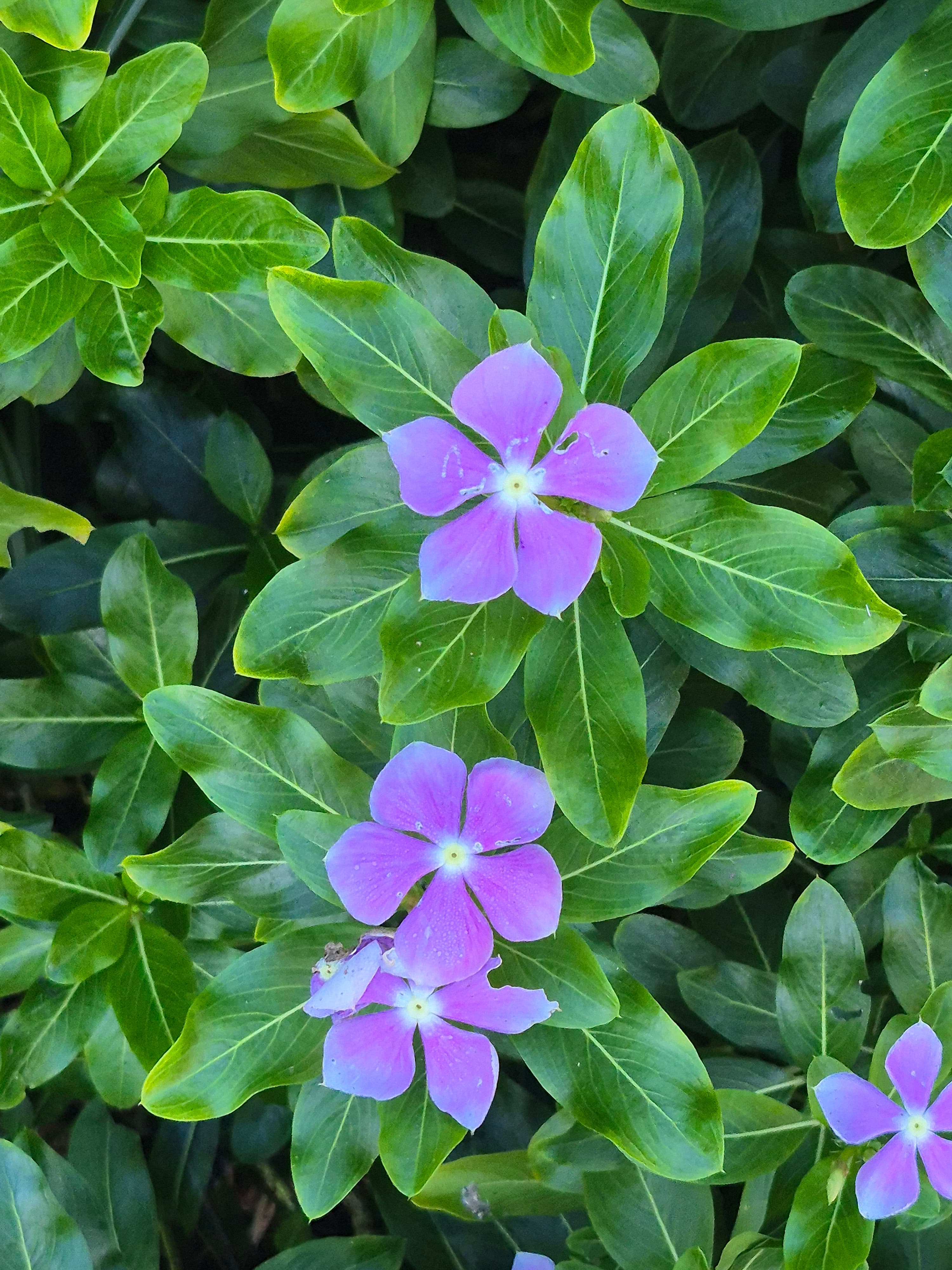 Annual Vinca
 Apeldoorn Tulip
 April Tryst Camellia
 Arizona Sun Blanket Flower
 Armenian Cucumber
 Atlantic Giant Pumpkin
 August Beauty Gardenia
 Autumn Joy Sedum
 Bachelor's Button
 Banana Pepper
 Barbara Karst Bougainvillea
 Beauregard Sweet Potato
 Becky Shasta Daisy
 Bee Balm🍅Beefmaster Tomato
 Benarys Giant Zinnia
 Bengal Tiger Canna
 Better Boy Tomato🍅Big Beef Tomato
 Big Boy Tomato
 Bitter Melon
 Black Bean
 Black Beauty Eggplant
 Black Beauty Zucchini
 Black Cherry Tomato🍉Black Diamond Watermelon
 Black Krim Tomato
 Black-Eyed Pea
 Black-eyed Susan Vine
 Blood Orange
 Bloomsdale Spinach
 Blue Bird Delphinium
 Blue Bird Rose of Sharon
 Blue Fescue
 Blue Lake Green Bean🥒Boston Pickling Cucumber🍅Box Car Willie Tomato
 Brandywine Tomato
 Broad Windsor Fava Bean
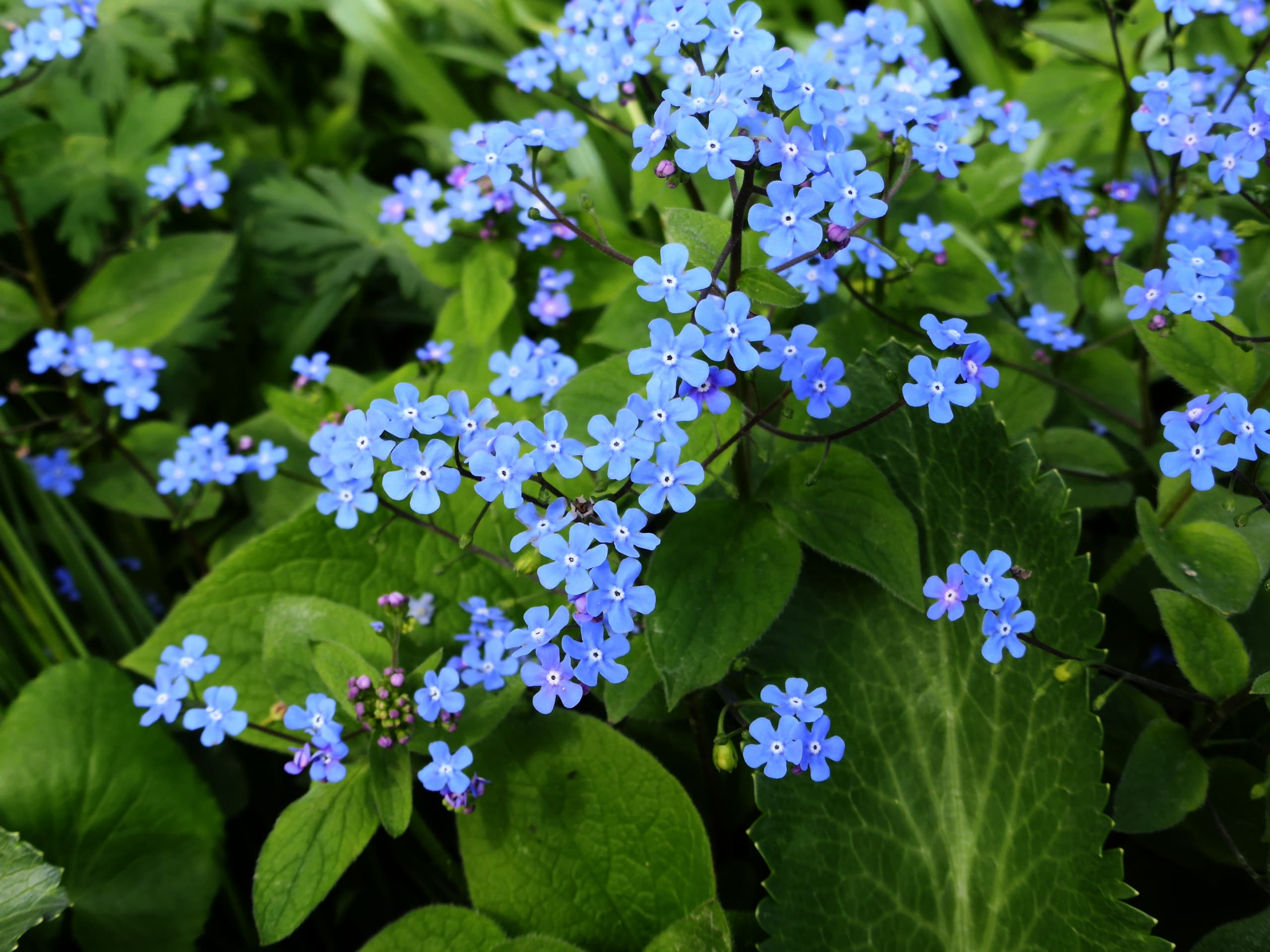 Brunnera
 Burning Bush
 Buttercup Squash
 Butterfly Blue Pincushion Flower
 Butterfly Marguerite Daisy
 Butterfly Weed
 Butternut Squash
 Cafe au Lait Dahlia
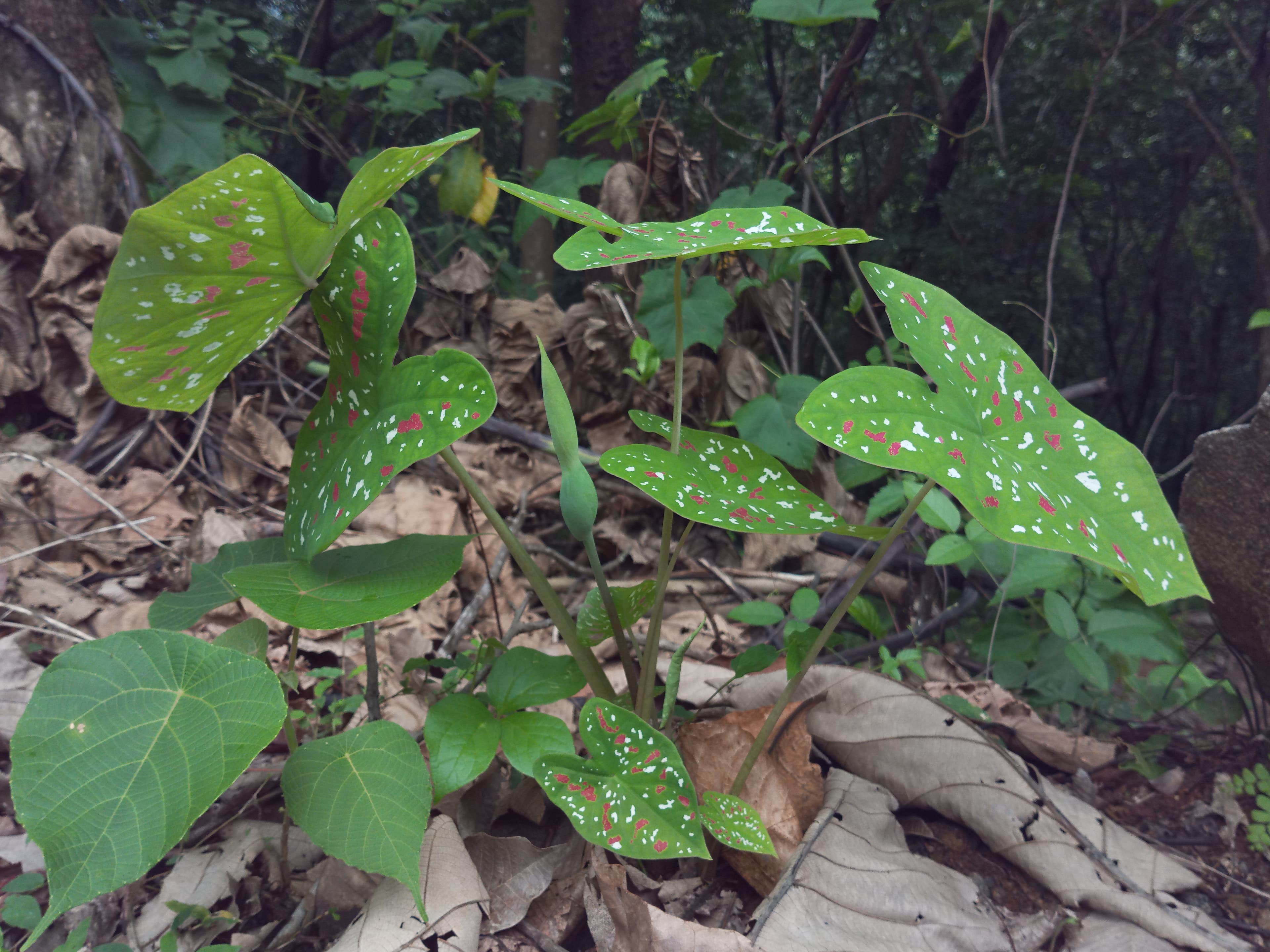 Caladium
 Calendula
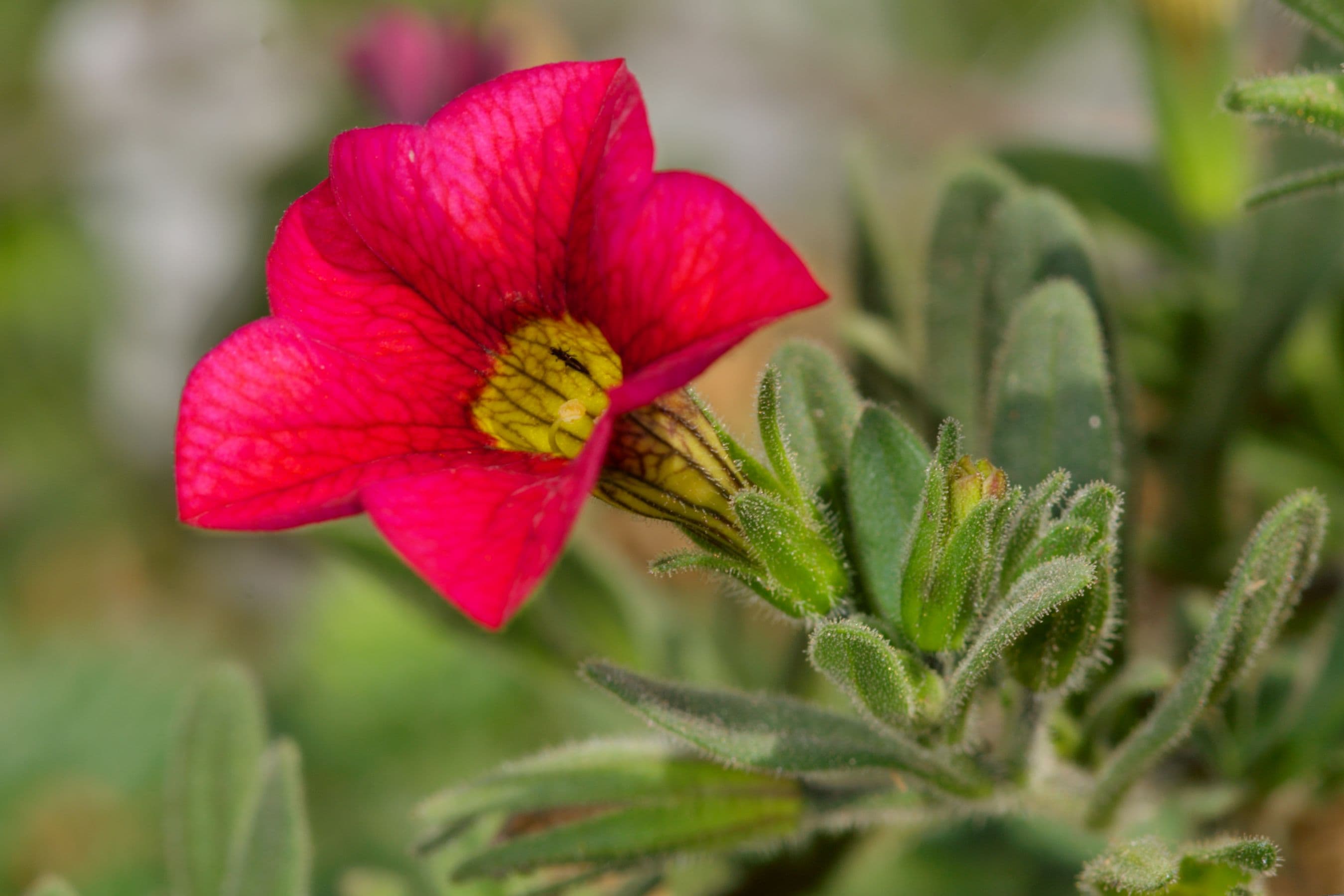 Calibrachoa
 California Giant Zinnia
 California Poppy
 Campanula
 Cannellini Bean
 Cantaloupe
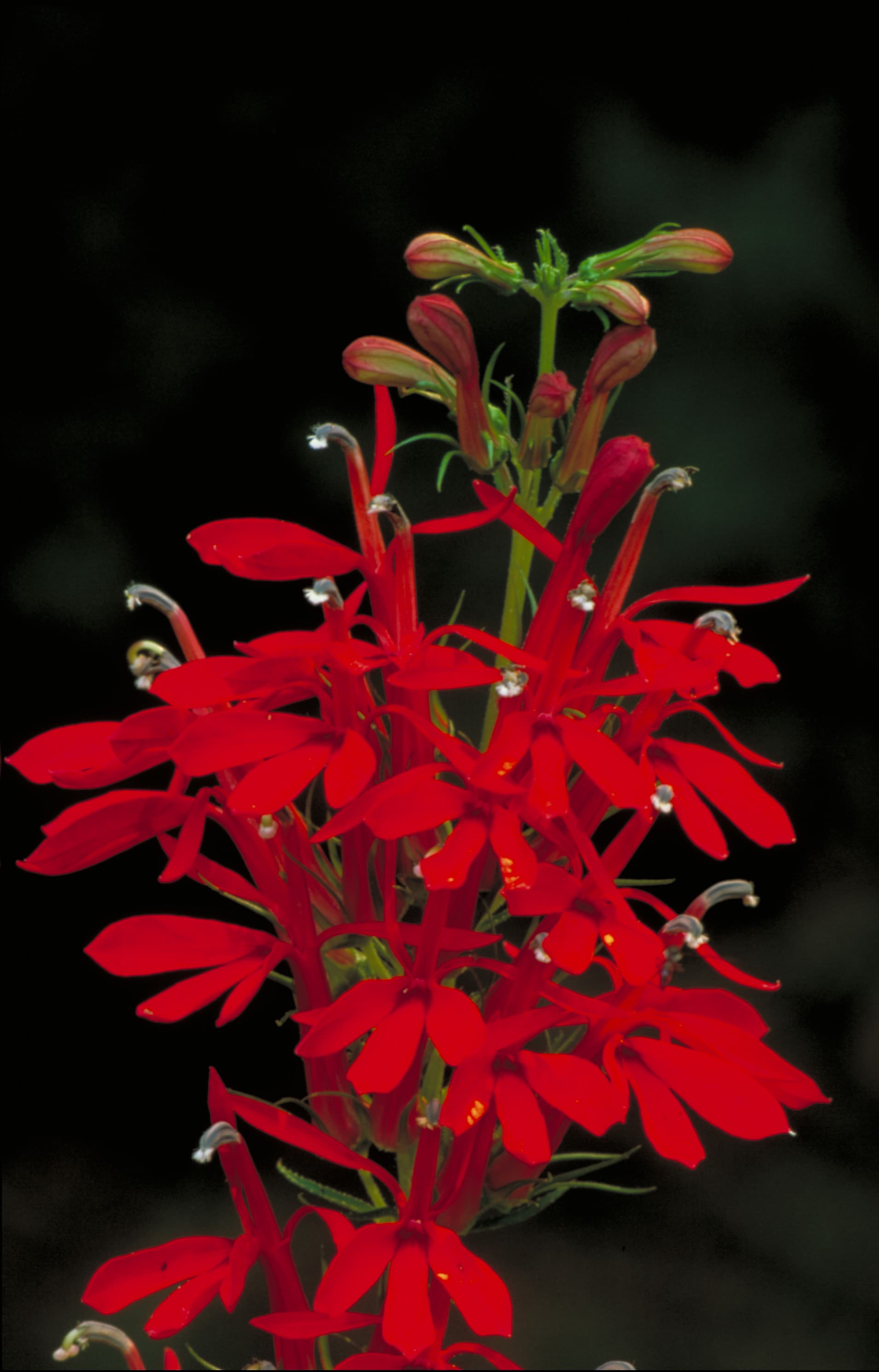 Cardinal Flower
 Carolina Geranium
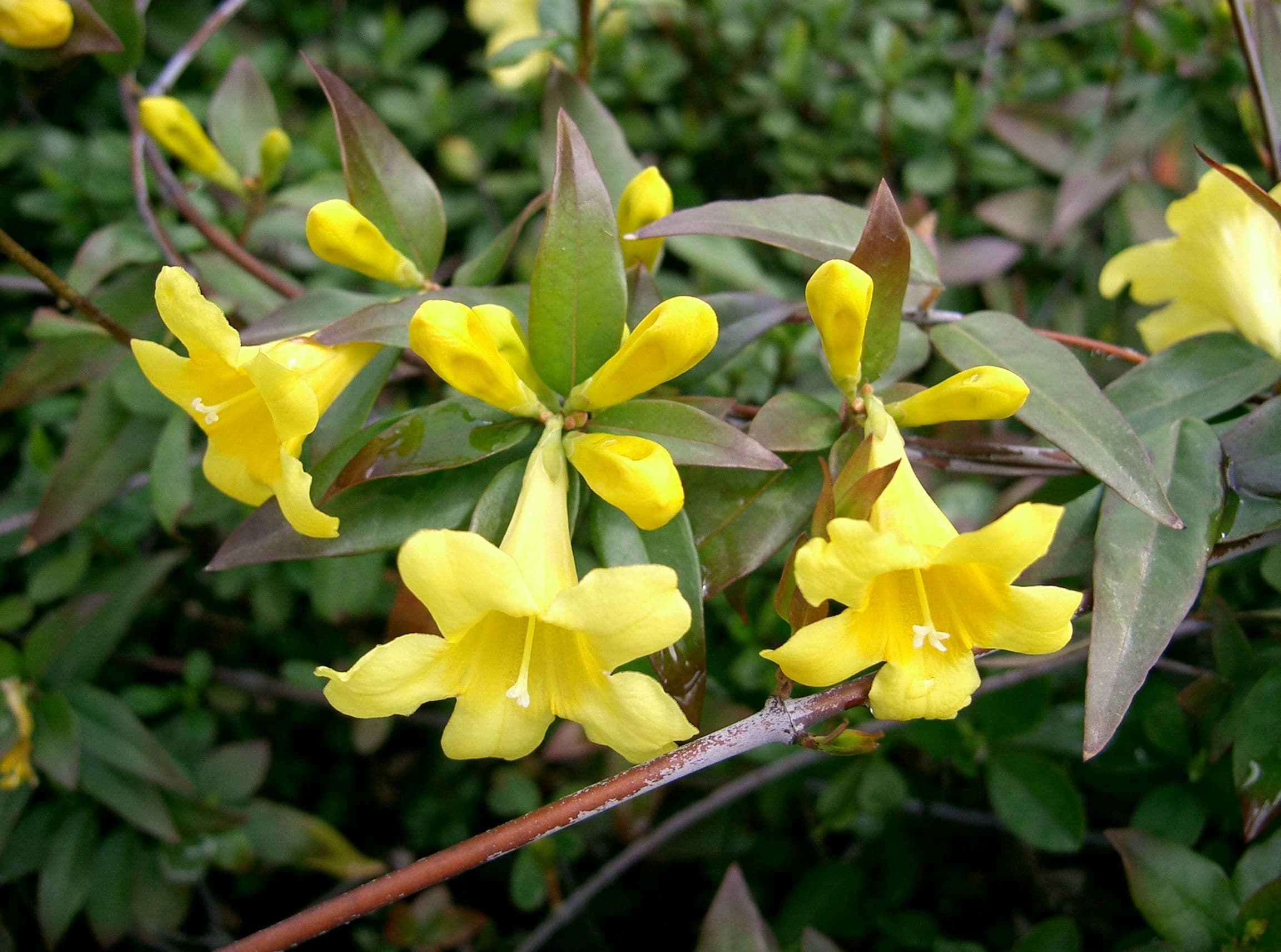 Carolina Jessamine
 Carolina Reaper Pepper
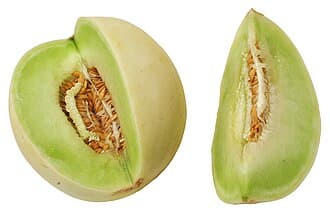 Casaba Melon
 Cayenne Pepper
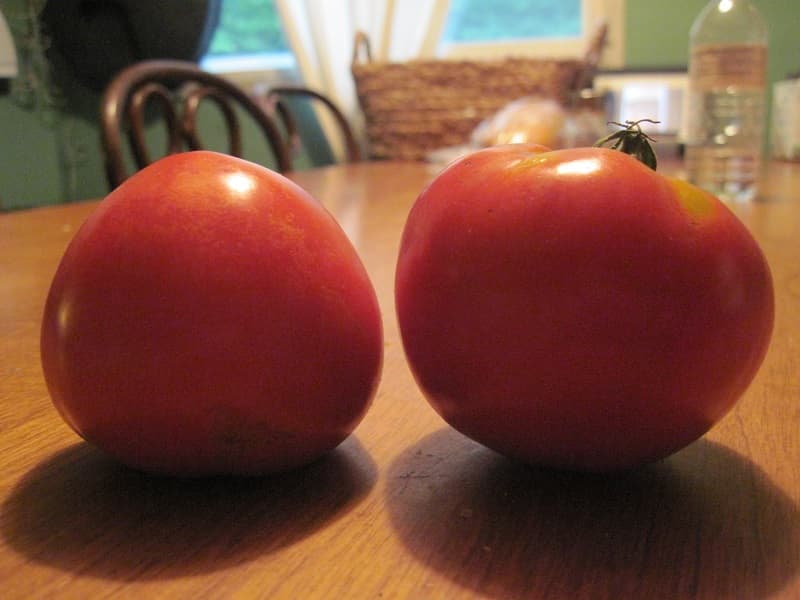 Celebrity Tomato
 Charleston Gray Watermelon
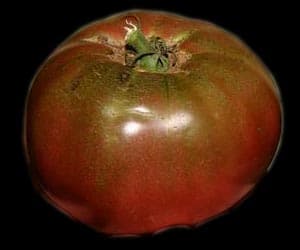 Cherokee Purple Tomato
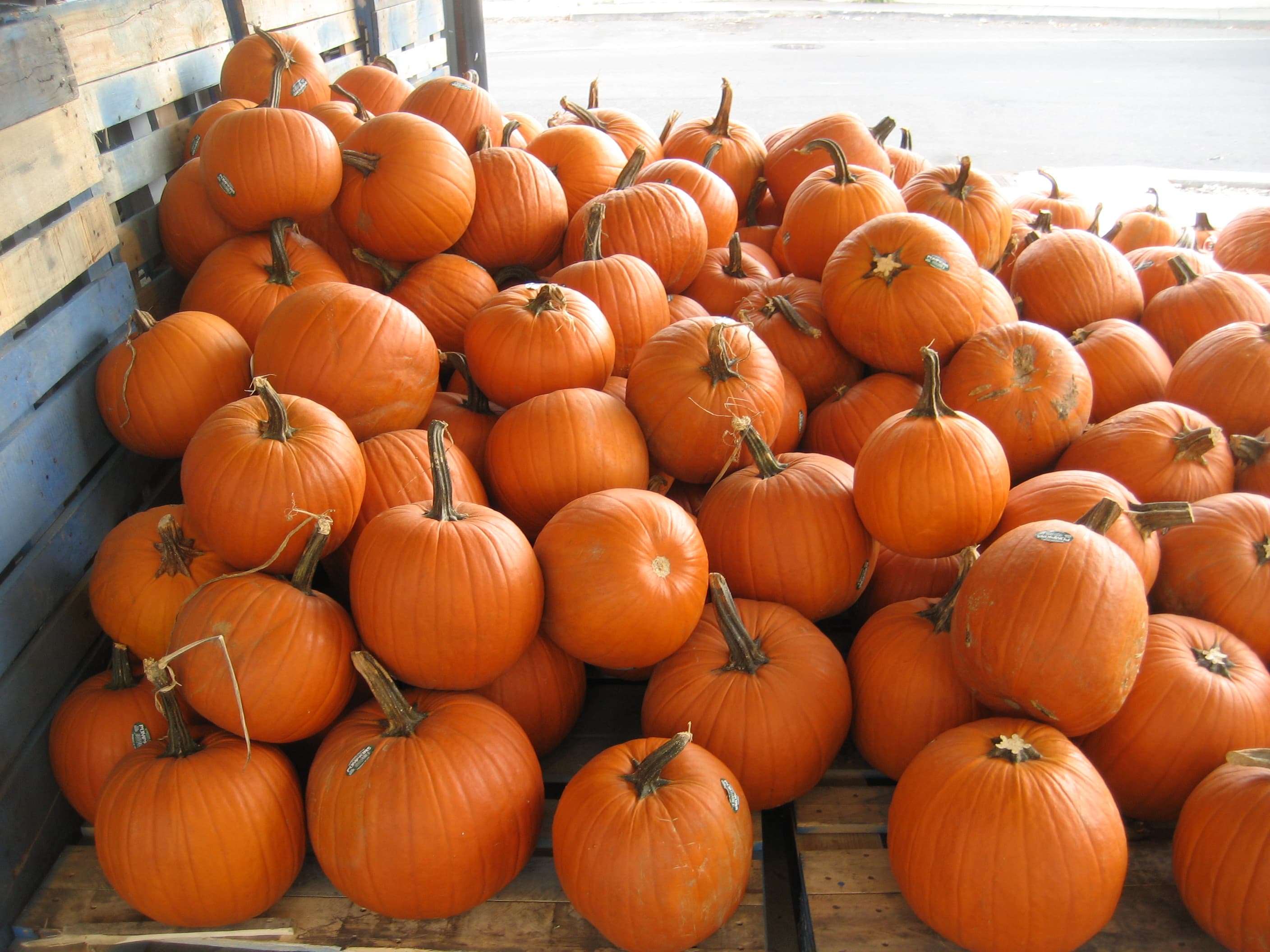 Cinderella Pumpkin
 Cinnamon Basil
 Climbing Hydrangea
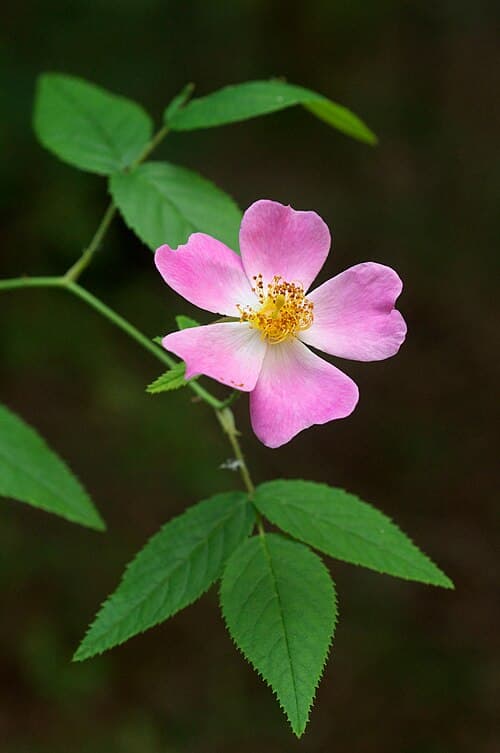 Climbing Prairie Rose
 Cocktail Vodka Begonia
 Coleus
 Coral Drift Groundcover Rose
 Cosmos
 Costata Romanesco Zucchini
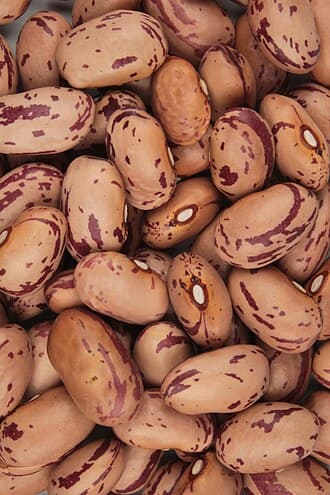 Cranberry Bean
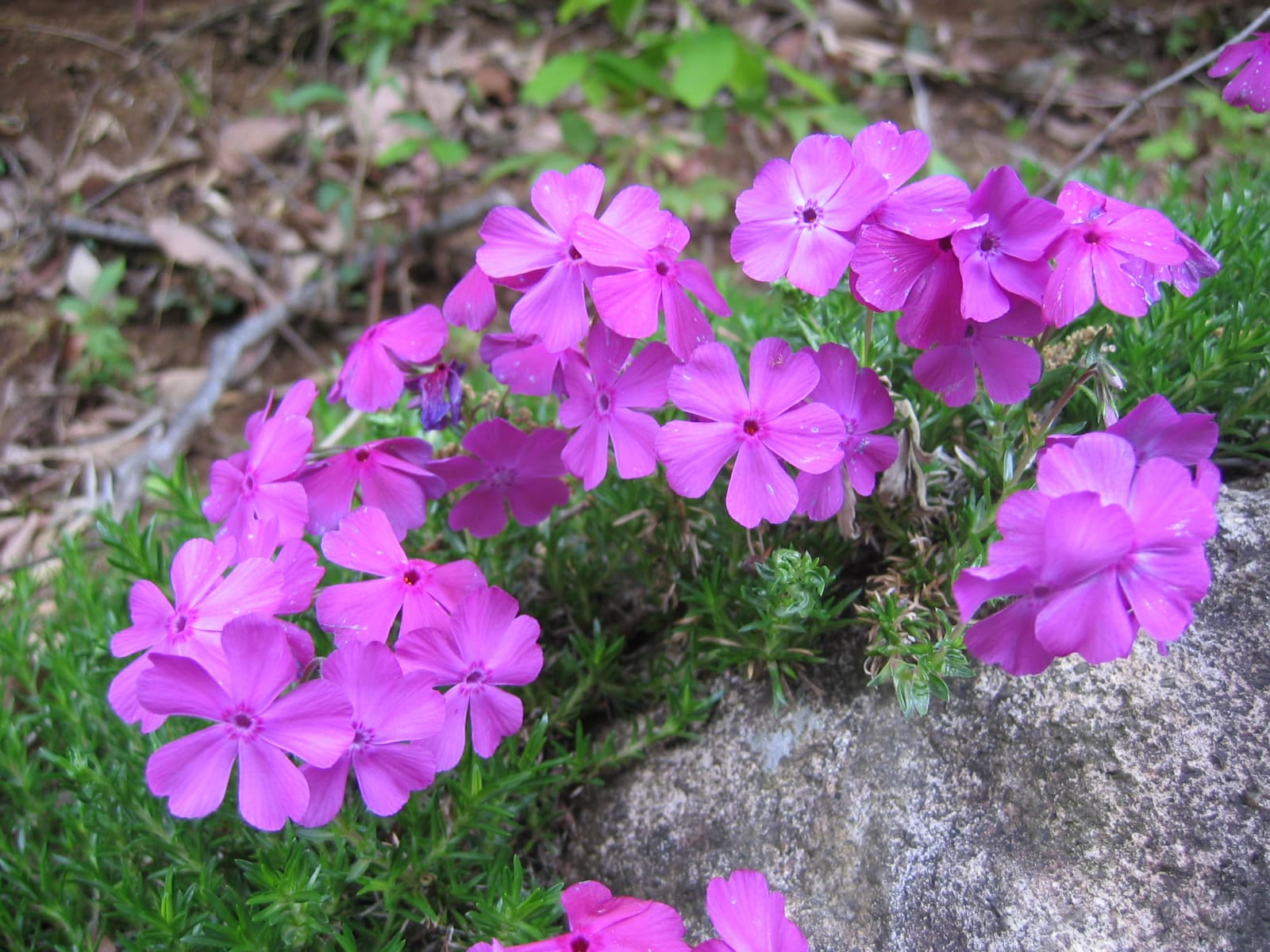 Creeping Phlox
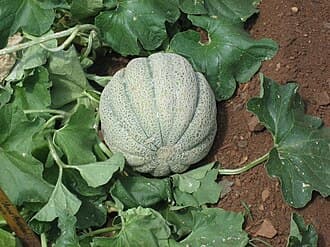 Crenshaw Melon
 Crimson Sweet Watermelon
 Cubanelle Pepper
 Cumin
Cumin Cupani Sweet Pea
 David Garden Phlox
 Delft Blue Hyacinth
 Delicata Squash
For educational and informational purposes only. Disease management advice is general guidance drawn from university cooperative extension sources; always identify a problem positively and read and follow the label on any product before use, especially around food crops, children, and pets.