
Peacock Spot
Venturia oleaginea
A common fungal leaf disease of olive, also called olive leaf spot or bird eye spot, named for the muddy, ringed spots it makes on the leaves. Cool, wet weather drives it, and bad cases cause heavy leaf drop from the lower canopy, weak bloom, and reduced fruit set.
🔎 How to spot it
Look on the upper surface of leaves, especially lower and inside the canopy, for sooty or muddy blotches that develop into dark circular spots about a tenth to a half inch across. Classic spots show concentric rings of olive green, gray, and brown with a yellow halo, the peacock-eye or bird-eye pattern that gives the disease its name. Infected leaves often yellow and fall.
🥀 Damage it causes
The infections and the leaf drop they cause are the damage. Heavy defoliation of the lower canopy weakens the tree, and where it is severe a strong bloom fails to develop and crop production falls; twig dieback can follow. Because the lower, inner canopy holds moisture longest, that is usually where defoliation is worst.
🔬 What causes it
The disease is caused by the fungus Venturia oleaginea (whose asexual stage is called Spilocaea oleaginea). Spores are spread by splashing rain to the leaves, and infection takes hold in cool, wet conditions, roughly 35 to 80 F and best around 58 to 75 F, when leaves stay wet for about two days. Most infection happens in fall, winter, and spring, while summer heat suppresses it. The fungus survives in existing leaf spots, which produce a new crop of spores in fall.
🛡️ Prevent it
Improve air movement and drying by pruning for an open canopy and spacing trees well, and avoid wetting the foliage with overhead irrigation. Plant in a sunny, well-drained site, and where the disease is a regular problem choose more resistant olive varieties. Raking up fallen infected leaves reduces the spore supply.
🧯 If it is already here
A copper-based fungicide is the standard treatment, applied as a preventive in late fall before the winter rains begin, with a second application in spring if wet weather continues. Bordeaux mixture and fixed copper products are approved for organic growing. Copper protects healthy leaves rather than curing spotted ones, so timing it before wet periods is what makes it work.
💡 Good to know
The ringed peacock-eye spot is distinctive, but light infections can be easy to miss until leaf drop appears. Because the disease is driven by leaf wetness and cool wet seasons, trees in damp, crowded, or shaded sites suffer most, while those in open, sunny, breezy spots often need little or no treatment.
🌱 Plants it affects
79 plants in the library can be affected by this problem
 Amethyst Falls Wisteria
 Annabelle Smooth Hydrangea
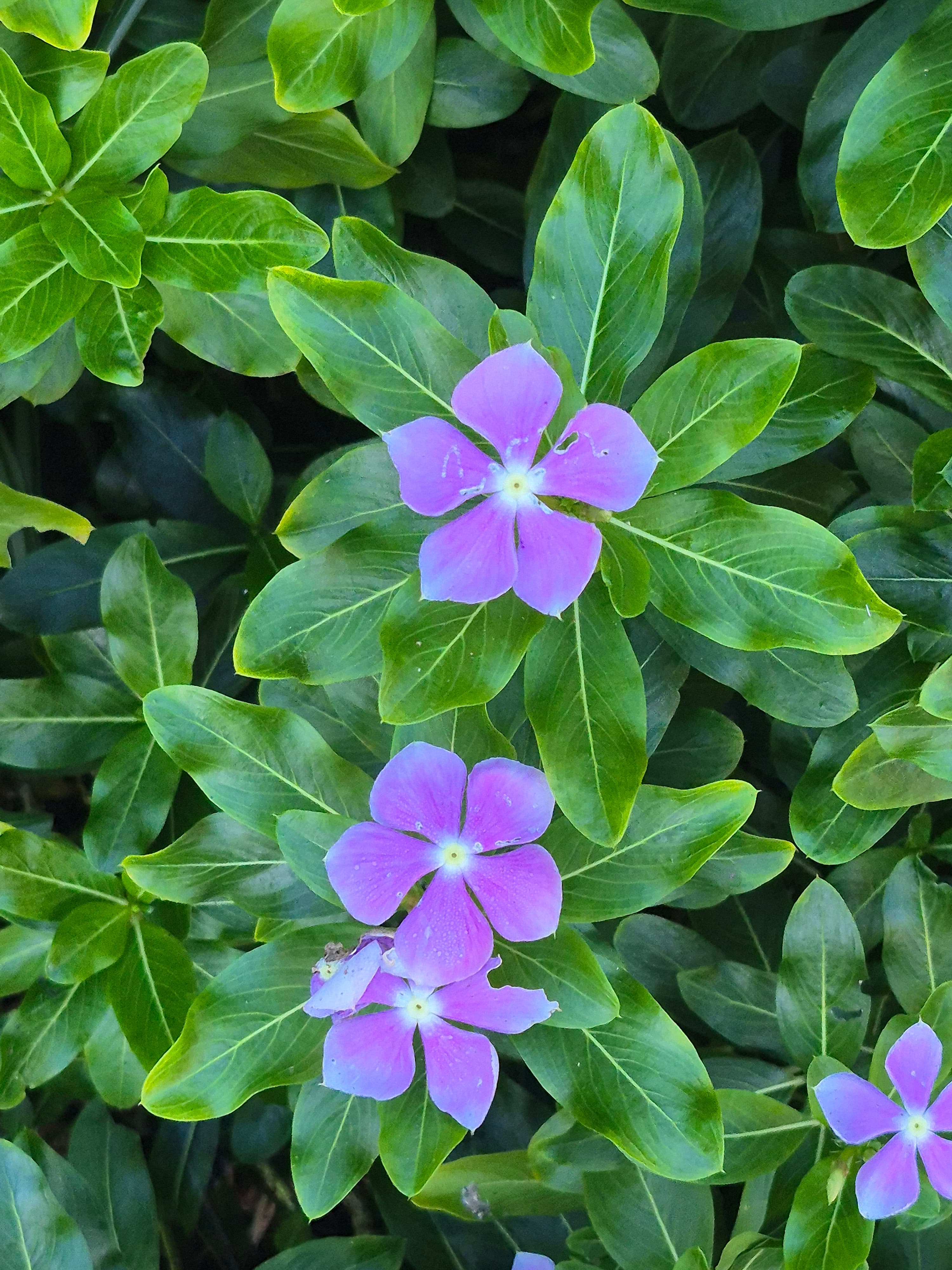 Annual Vinca
 Arbequina Olive
 Arizona Sun Blanket Flower
 Aronia
 Asian Persimmon
 Becky Shasta Daisy
 Bilberry
 Bing Cherry
 Black Raspberry
 Black Tartarian Cherry
 Bluecrop Blueberry
 Boysenberry
 Brown Turkey Fig
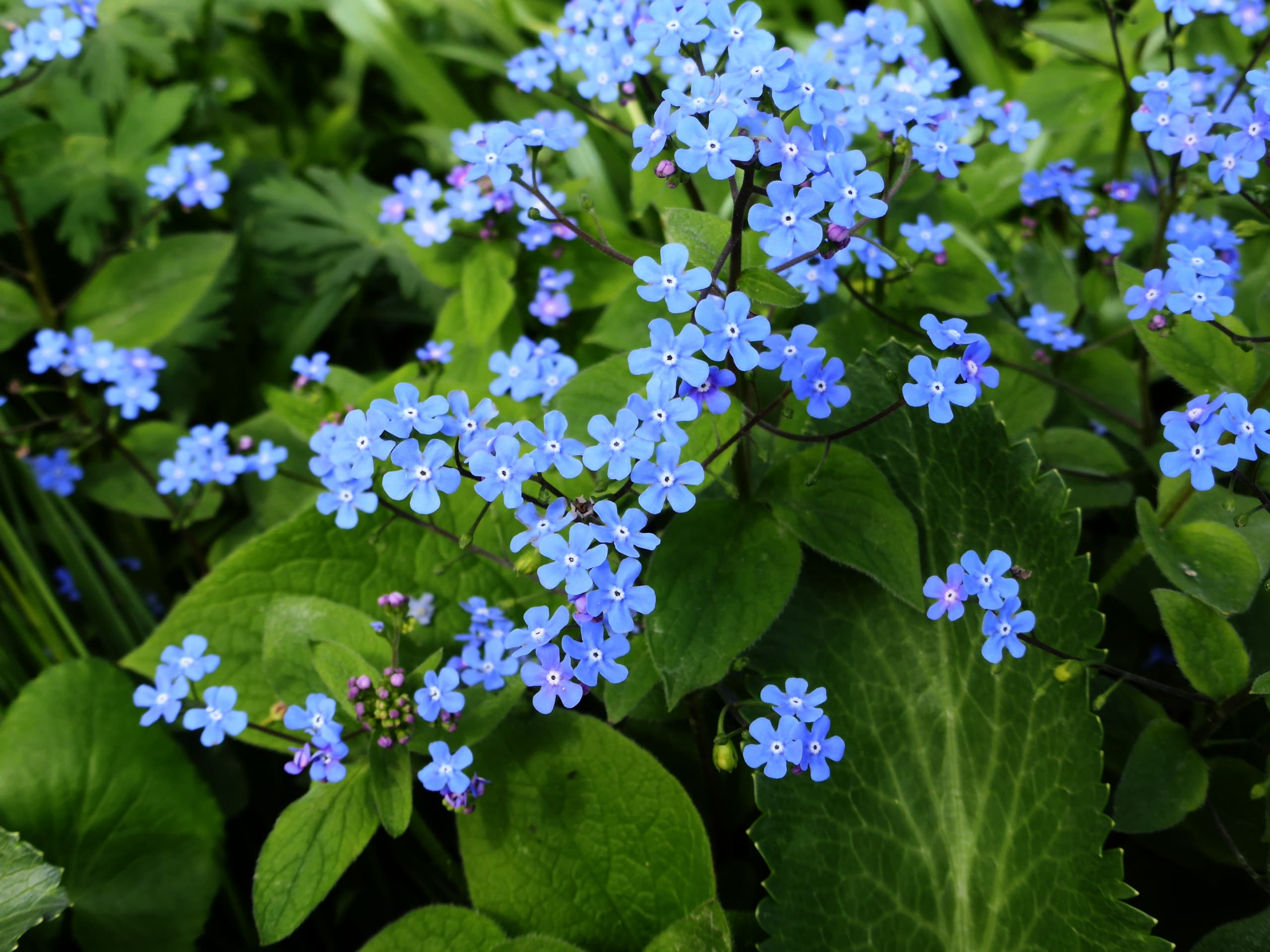 Brunnera
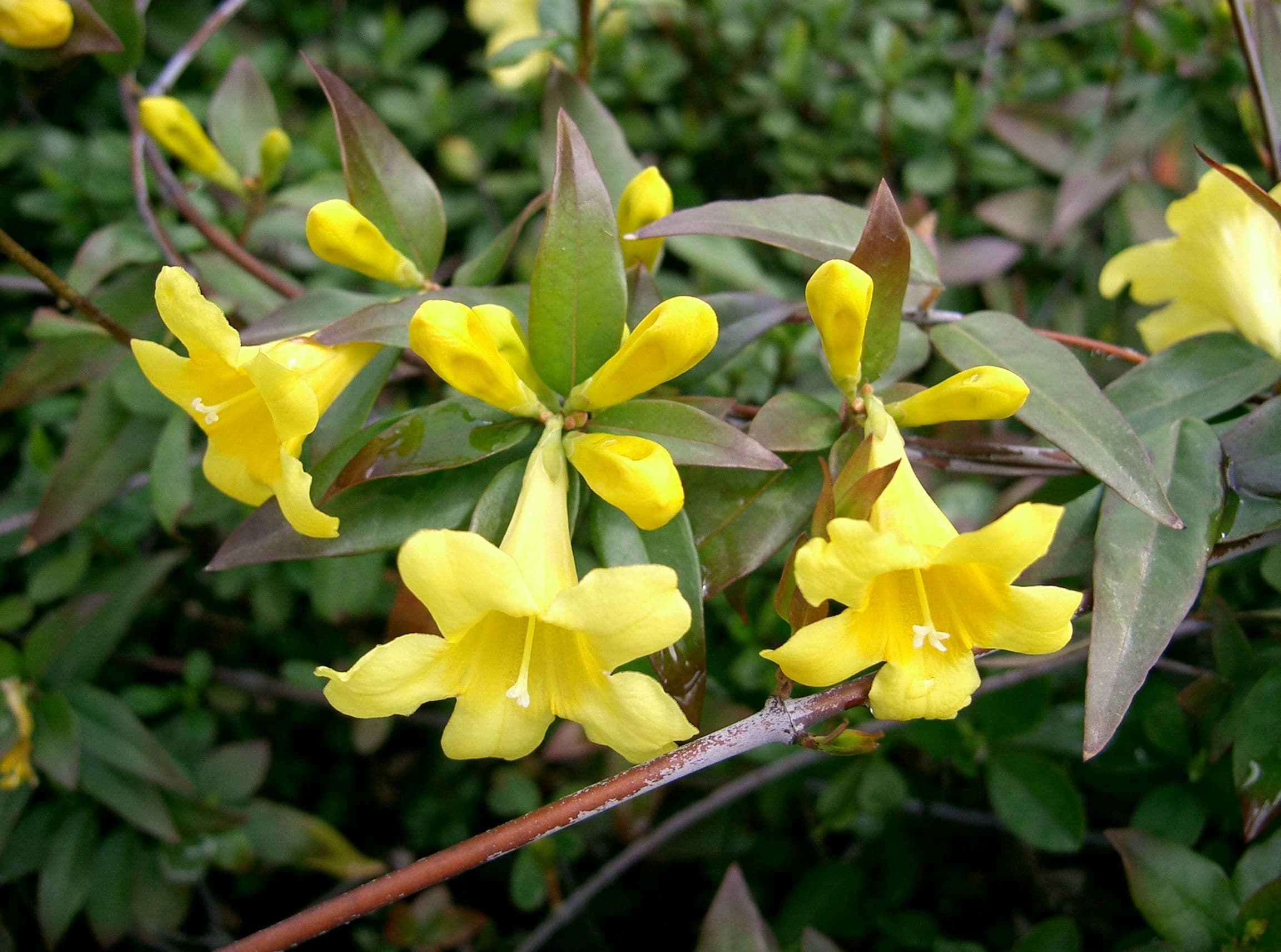 Carolina Jessamine
 Cascara Sagrada
 Catawba Grape
 Chicago Hardy Fig
 Cleyera
 Climbing Hydrangea
 Concord Grape
 Cornelian Cherry
 Cranberry
 Crimson Cherry Rhubarb
 Diabolo Ninebark
 Early Amethyst Beautyberry
 Elderberry
 Endless Summer Hydrangea
 Evergreen Huckleberry
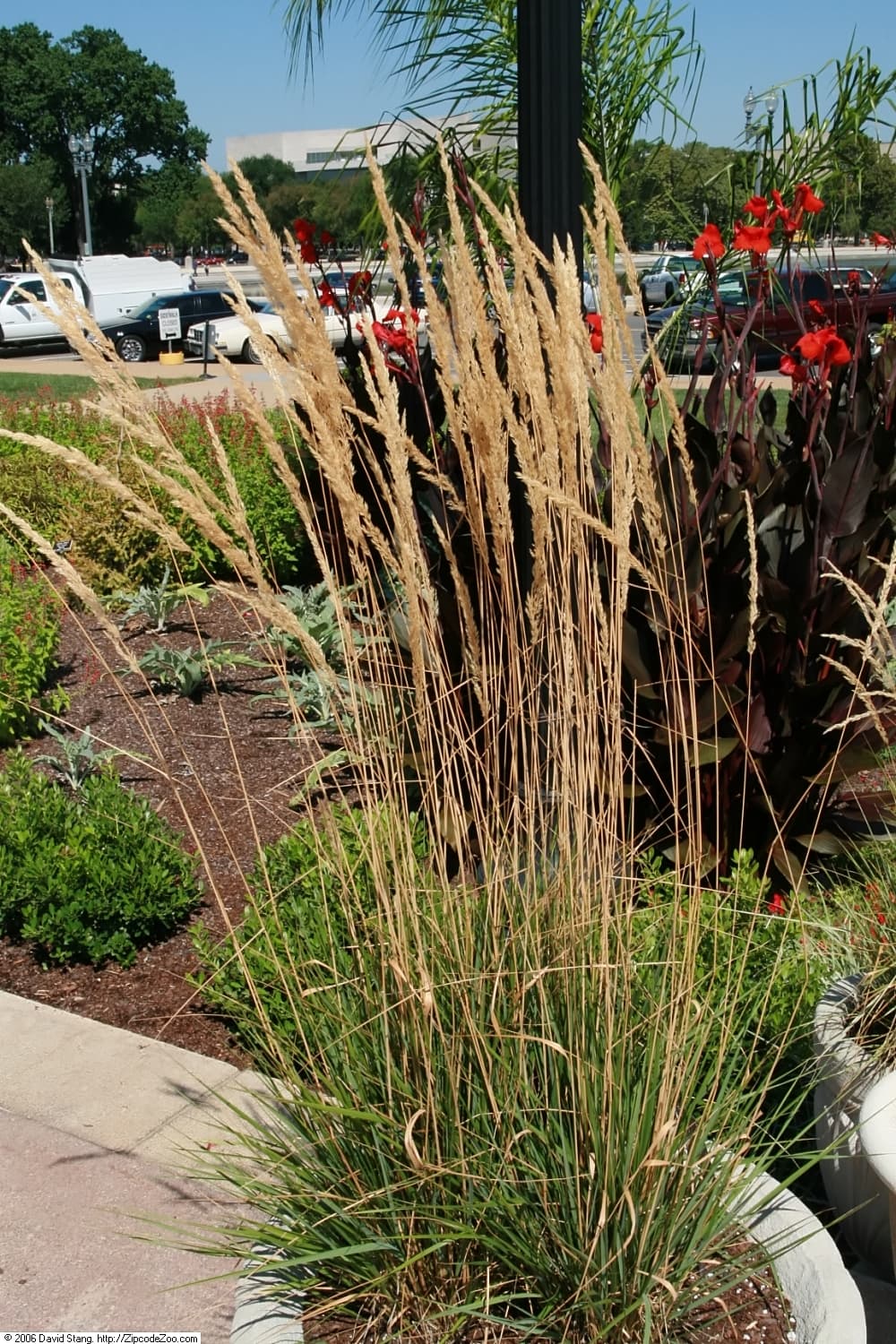 Feather Reed Grass
 Fountain Grass
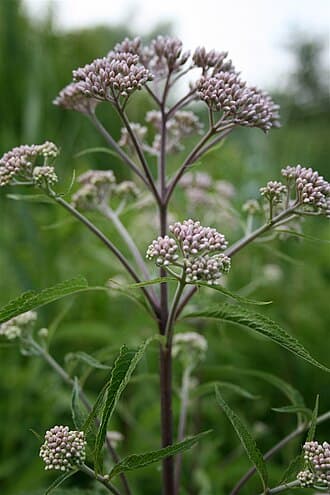 Gateway Joe Pye Weed
 Goji Berry
 Goldflame Spirea
 Goldsturm Black-Eyed Susan
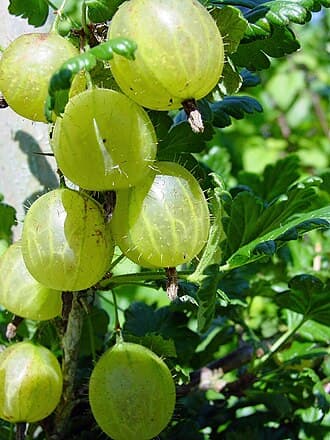 Gooseberry
 Heritage Raspberry
 Honeoye Strawberry
 Honeyberry
 Hummingbird Summersweet
 Japanese Pieris
 June-Bearing Strawberry
 Kobold Blazing Star
 Lily of the Valley
 Limelight Panicle Hydrangea
 Lingonberry
 Lynwood Gold Forsythia
 Major Wheeler Trumpet Honeysuckle
 Mammoth Sunflower
 Medjool Date Palm
 Medlar
 Moerheim Beauty Sneezeweed
 Montmorency Cherry
 Mulberry
 Muscadine Grape
 Natchez Mock Orange
 Niagara Grape🍓Ozark Beauty Strawberry
 Patriot Blueberry
 Pineapple Guava
 ProCut Sunflower
 Quaking Aspen
 Rainier Cherry
 Red Currant
 Regent Saskatoon
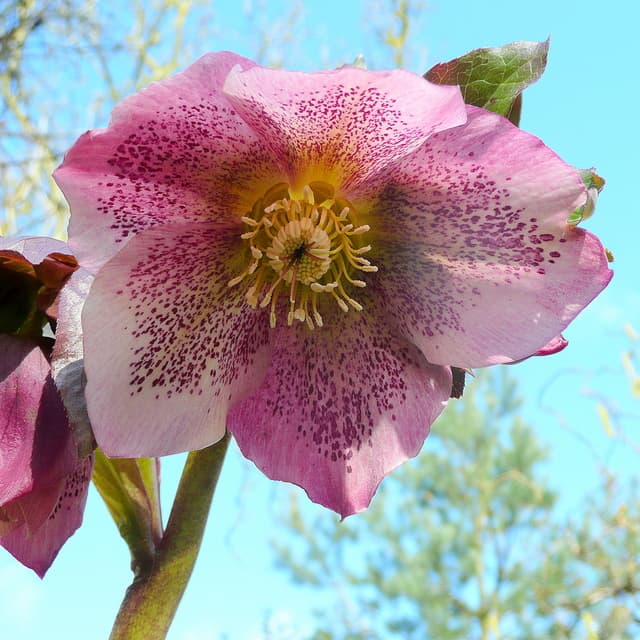 Royal Heritage Lenten Rose
 Salal🍓Seascape Strawberry
 Sheffield Pink Garden Mum
 Snow Queen Oakleaf Hydrangea
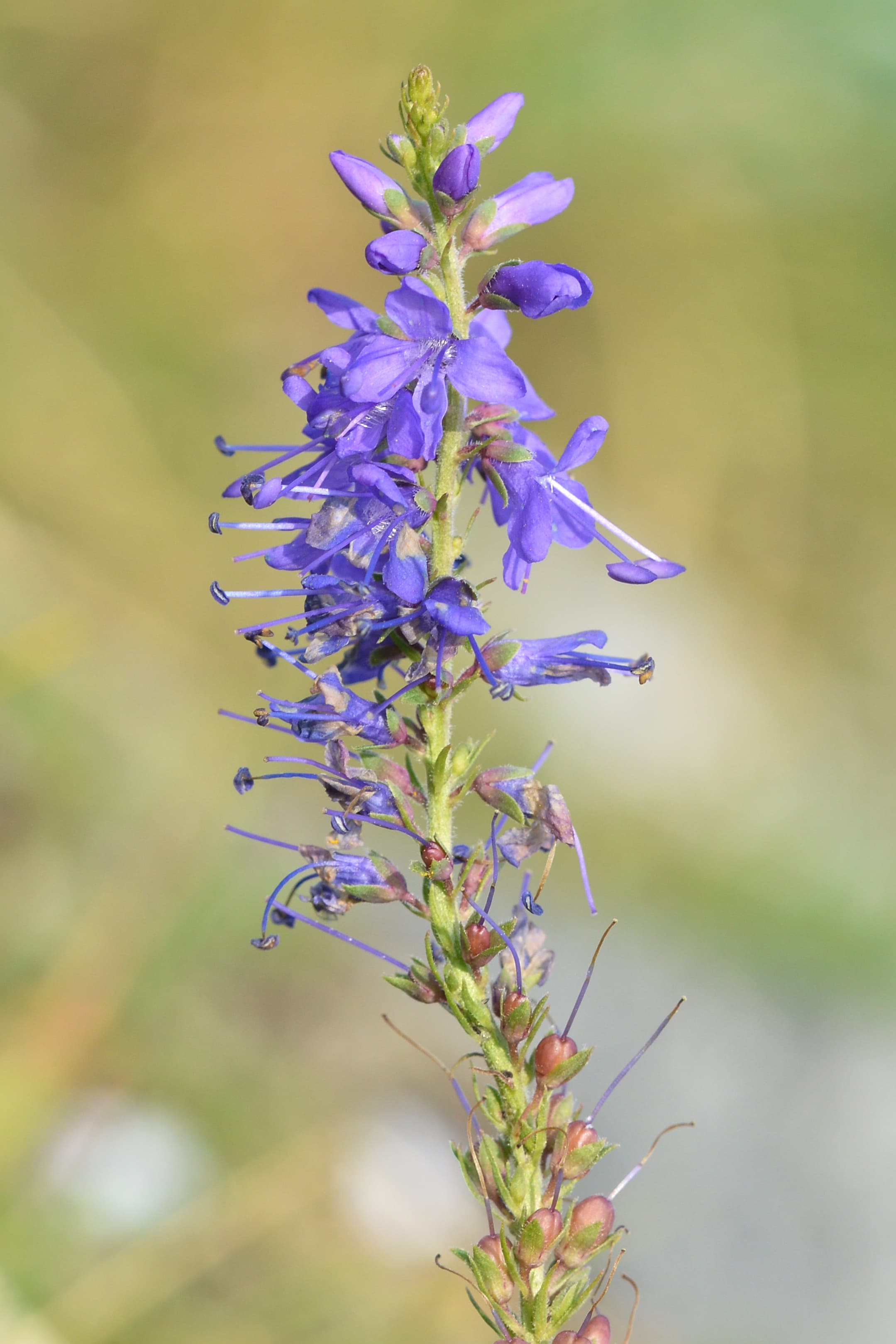 Speedwell
 Tennessee Red Valencia Peanut
 Texas Scarlet Flowering Quince
 Thompson Seedless Grape
 Tifblue Blueberry
 Triple Crown Blackberry
For educational and informational purposes only. Disease management advice is general guidance drawn from university cooperative extension sources; always identify a problem positively and read and follow the label on any product before use, especially around food crops, children, and pets.